
How to Stay Warm Car Camping: Essential Tips for Cozy Nights
Car camping when it’s cold out doesn’t have to mean a night of teeth-chattering misery. I’ve had my fair share of frosty nights in the car, and staying warm mostly comes down to three things: solid insulation, the right sleep setup, and knowing which heating tricks are safe (and which are flat-out risky).
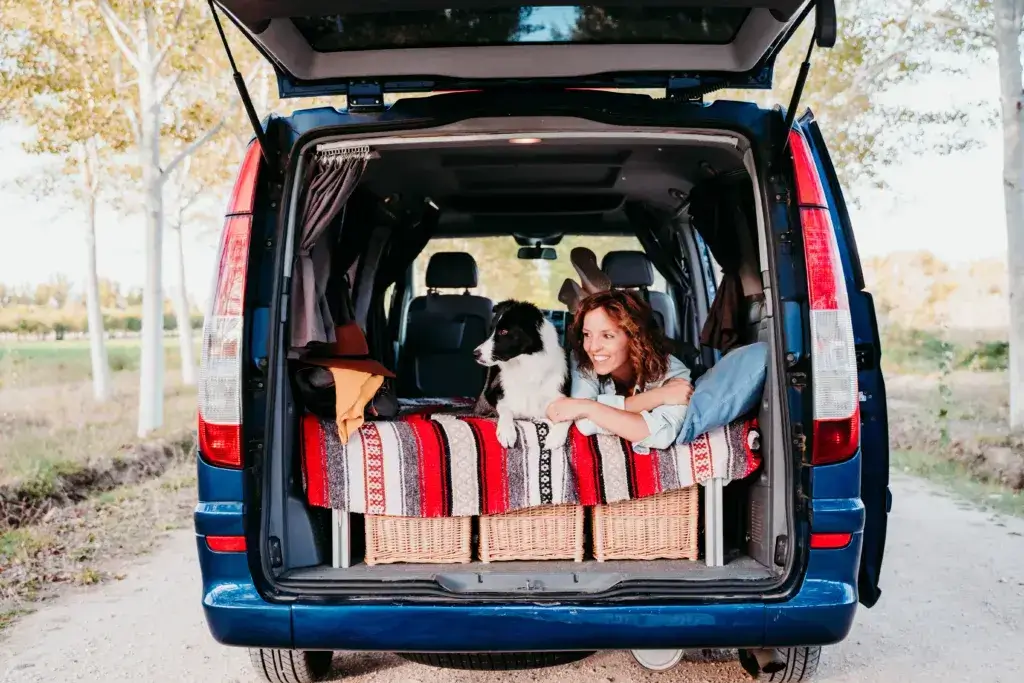
The best way to stay warm while car camping is to combine proper insulation with quality sleeping equipment and safe heating sources, while avoiding reliance on your car’s engine for heat.
Running your car’s heater all night can drain your gas tank in about five hours, and if snow blocks your exhaust pipe, you risk carbon monoxide poisoning. Seriously, there are safer ways to stay toasty.
Whether you’re out there by choice or just got stuck in the cold, the strategies I’ve picked up will help you stay comfortable when the temps drop. From setting up good insulation in your car to picking the right gear and learning safe heating hacks, you’ll be ready for whatever winter throws at you.
Key Takeaways
- Line your car windows with space blankets or reflective foam to keep heat in
- Use a sleeping bag rated for cold and layer up with wool blankets
- Don’t run your car’s heater all night, and always crack a window if you use any gas-powered heater
Understanding Car Camping in Cold Weather
Winter car camping isn’t like your usual camping trip. Your car is both your shelter and a big challenge when it gets cold.
What Makes Car Camping Different in Winter
In winter, your car basically becomes a metal box that loses heat fast. Cars have thin metal walls and big windows, so cold air sneaks in easily.
I’ve noticed cars don’t breathe like tents. When you sleep inside, your breath fogs up the windows and drips down the metal by morning, making everything damp and colder.
You just can’t rely on your car’s heater all night. Running the engine burns fuel and can create carbon monoxide risks. Insulation and layering are your best friends instead of the car’s heat.
Common Car Types and Their Warmth Levels
Different vehicles handle winter camping in their own way:
SUVs and Vans: These usually keep warmth in best. There’s more enclosed space and less window area, so it’s easier to stay cozy. The cargo area gives you a good spot to sleep away from drafty doors.
Sedans: Smaller cars lose heat faster because of all the glass. They’re a bit trickier to insulate, but you can make it work with some prep.
Hatchbacks: Kind of middle-of-the-road. Fold down the back seats for space, but there’s still a lot of glass to deal with.
Trucks with Caps: These can be super warm if you seal them up right. Having a separate cab and bed actually helps keep your sleeping area warmer.
Risks of Cold Weather Car Camping
There are real dangers you need to watch for. Carbon monoxide poisoning is the top risk if your exhaust pipe gets blocked or you run the engine in a closed space.
If it drops below -30 degrees Fahrenheit, it’s too cold for car camping. Even the best gear might not cut it at those temps.
Hypothermia can sneak up fast if your body can’t keep up. You might start shivering, get confused, or just feel wiped out. Frostbite is another risk – your fingers and toes get hit first if they stay cold too long.
Battery drain is a headache I’ve run into. Using electric blankets or heated gear without a backup power source can leave you with a dead battery and no way to get home.
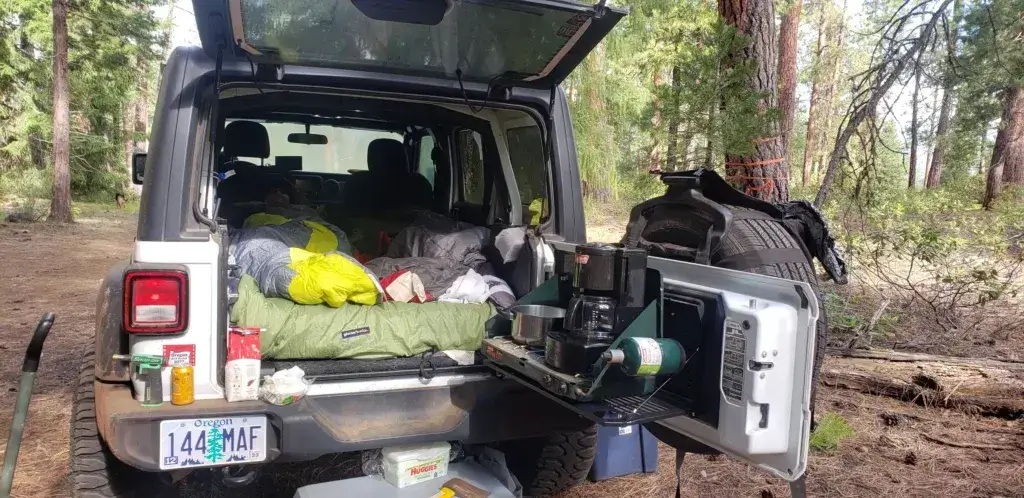
Preparing Your Car for Winter Camping
Getting your car ready for cold weather camping means picking the right parking spot, keeping warmth inside, and fighting off moisture buildup. These steps really do make the difference between a comfy night and a miserable one.
Choosing the Right Campsite and Parking Spot
I try to find a spot that blocks the wind but still gets some sun in the morning. Wind steals warmth faster than you’d think, so parking by trees or rocks helps a ton.
Level ground is a must. It makes sleeping more comfortable and keeps you from sliding around all night. I’ve woken up crammed against the door before – not fun.
Skip the low areas where cold air settles. Valleys and dips can be 10 to 15 degrees colder than the ground just a little higher up. I aim for a slight rise if I can find one.
Make sure you have cell service or tell someone where you’ll be. Safety first, always. And keep your gas tank at least half full in case you need to run the engine for a few minutes.
Insulating Your Car Interior
Reflectix insulation cut for your windows is the best thing I’ve tried. It blocks drafts and bounces heat back inside. I measure and cut pieces at home so they’re ready to go.
Hanging thermal curtains or thick blankets behind the front seats helps shrink your sleeping space. The smaller the space, the easier it is to keep warm.
Lay down rugs, foam mats, or thick blankets on the floor. Metal floors suck the heat right out of you, so this layer is essential. I always use a sleeping pad with an R-value of 4 or higher for extra insulation.
Stuff rolled towels or draft stoppers around the doors. Even tiny gaps can let in a surprising amount of cold air.

Reflectix BP24025 is a versatile reflective insulation solution perfect for crawl spaces, attics, walls, and more. With seven layers, including two outer aluminum foil layers that reflect 97% of radiant heat, this easy-to-install and eco-friendly insulation helps maintain temperature efficiently. Its lightweight, fiber-free composition makes it an ideal choice for both DIY enthusiasts and professional projects.
Managing Condensation and Ventilation
Ventilation is key if you don’t want everything soaked by morning. I crack two windows about an inch – one on each side – to keep air moving. It feels weird to let cold air in, but trust me, wet gear is worse.
Your breath adds moisture all night. When it hits cold windows, it turns into drips that soak your sleeping bag and clothes. I keep a towel handy for wiping down windows before bed and again in the morning.
Moisture absorbers like DampRid really help. I toss a couple in the car and find a surprising amount of water collected by morning.
Never seal up your car completely, especially if you’re using any kind of heater. You need fresh air to avoid carbon monoxide and to keep condensation under control.

DampRid Refillable Moisture Absorbers effectively eliminate musty odors and excess moisture with 10% more absorbing power. This 6-pack of 11-ounce cups features a fresh scent and is ideal for use in various spaces like closets, bathrooms, and pantries, providing fresher, cleaner air. With a decorative design that complements home decor, these absorbers offer a practical solution for controlling humidity-related issues.
Essential Sleeping Setup for Staying Warm
Your sleeping setup is what really keeps you from shivering all night. The right combo of insulation under and around you means your body heat stays put.
Selecting a Winter Sleeping Bag
A good winter sleeping bag is worth every penny. Pick one rated at least 10-15 degrees colder than the lowest temp you expect.
Those temperature ratings can be misleading. A 20°F bag doesn’t mean you’ll be cozy at 20°F – it just means you won’t freeze. For comfort, I grab a 0°F bag if I’m expecting 20°F nights.
Mummy-style bags are the way to go. They fit close, trap heat better, and the hood keeps your head warm – where you lose a lot of heat.
Down bags are super warm and light, but they stop working if they get wet. Synthetics are heavier but still insulate when damp. Since weight isn’t a big deal in the car, I usually go synthetic or just keep my down bag bone-dry.
Adding a sleeping bag liner gives you an extra 5-15 degrees of warmth and keeps your bag cleaner. Silk liners feel nice, but fleece ones actually add more heat.
Why Sleeping Pads Matter
Here’s something that surprised me: the cold comes from below more than above. An insulated sleeping pad is actually more important than your sleeping bag.
Look for a pad with an R-value of at least 4 for winter. I like 5 or higher if it’s really cold. Low R-value pads let the cold floor steal your heat, no matter how great your sleeping bag is.
When it’s freezing, I stack two pads – a closed-cell foam pad on the bottom for toughness and insulation, then a thicker air or self-inflating pad on top for comfort and extra warmth. That combo works better than any single pad I’ve tried.
Skip air mattresses without insulation in winter. They just circulate cold air and leave you freezing all night.
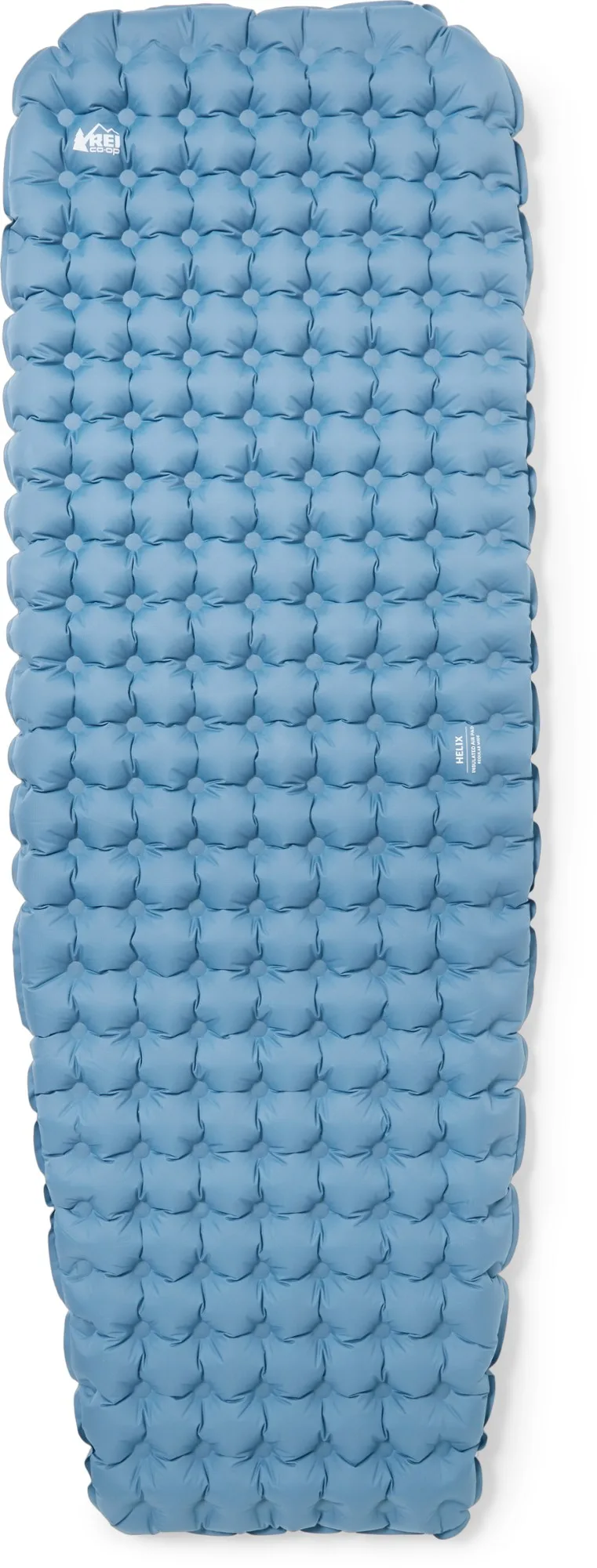
Light, plush and warm, the 3 in. thick REI Co-op Helix Insulated air sleeping pad will make you happy twice every trip—first when you carry it on your back and again when you hit it at bedtime.
Layering Bedding for Maximum Heat
I build my sleep setup in layers, kind of like a burrito. First goes the sleeping pad, then the sleeping bag, and I add blankets as needed.
A wool blanket is awesome for extra warmth, inside or outside the sleeping bag. Wool stays warm even if it gets damp, unlike cotton. On the coldest nights, I throw one over my sleeping bag for a boost.
An emergency blanket (those thin metallic ones) can reflect heat back if you put it under your sleeping pad or inside your bag. Just don’t use it by itself – it doesn’t breathe and causes condensation.
I’ll use fleece blankets or quilts to fill in drafty spots and make a cozy nest. The more air you trap with insulation, the warmer you’ll stay.
Layering Clothing for Maximum Warmth
I’ve realized that staying warm in your car overnight isn’t about piling on every sweater you own. It’s about smart layering that keeps heat in but lets sweat out, so you don’t wake up clammy and cold.
Best Base Layers for Car Camping
I always start with a solid base layer because it’s basically my first line of defense against the cold. Merino wool is my favorite – it wicks sweat away and somehow still keeps me warm even if it gets a little damp.
Cotton? Never again. I learned my lesson after a brutal night in the mountains when my cotton shirt soaked up sweat and left me freezing. Now, I only reach for merino wool or synthetic fabrics that actually move moisture away from my skin.
I make sure my base layer fits snug but not tight. That way, it traps a thin layer of warm air without feeling restrictive.
On really cold nights, I double up with a long-sleeve top and bottoms as my base layer. Full-body coverage just makes everything easier when you’re layering up.

Heavyweight, Midweight, Lite Merino Wool Thermal Underwear For Men Top, Bottom
Insulation and Outer Layers
The mid-layer is all about holding onto warmth. A puffy jacket or fleece does the trick for me every time.
For dry, cold weather, I grab a down jacket. It packs down small and keeps me toasty without taking up much space in the car.
If I think it might get damp, I switch to synthetic insulation. It still works when wet, which is honestly a lifesaver some nights.
I usually bring both a fleece and a puffy so I can mix and match depending on how cold it gets.
My outer layer blocks wind and rain. I always have a waterproof, windproof shell jacket on hand, even if the forecast looks calm. Weather turns fast, and I’d rather be overprepared than shivering.
Protecting Head, Hands, and Feet
We lose a surprising amount of heat through our head, so a beanie is a must – even if it feels warm at first. I keep one close by for those icy early mornings.
My feet are always the first to get cold. Thick wool socks are non-negotiable, and sometimes I double up if it’s really frigid.
I never wear the same socks I wore during the day since they hold moisture. Dry socks make a huge difference.
For my hands, I stash gloves nearby for those late-night bathroom runs. If it’s below freezing, I’ll throw a couple of foot warmers into my sleeping bag near my toes. That little bit of extra heat can make the whole night better.

Men & Women, Warm Winter Thick & Cozy, 5 Pairs (Green/Grey/Black,L)
Heating Techniques and Safe Use of Warmth Boosters
Adding heat sources to your car camping setup can turn a miserable, cold night into something actually comfortable. For me, a mix of portable heaters, electric blankets, and simple DIY heat hacks keeps me warm without blowing my budget – or risking safety.
Using Portable Heaters Responsibly
When temps really drop, I reach for my portable heater. Propane heaters are my favorite for remote spots since they don’t need electricity and pump out serious warmth.
I only use heaters with tip-over shutoff and oxygen sensors. Those features aren’t optional for me – they’re required for safe propane heating in tight spaces.
If I have access to power, I’ll switch to an electric heater. They’re quieter and don’t make any fumes, which helps me actually relax and sleep.
Key safety rules I follow:
- Crack a window for ventilation
- Never leave heaters on while sleeping
- Keep flammable stuff at least three feet away
- Set the heater on a stable, flat surface
- Turn it off before refueling
Sometimes, I’ll run my car’s built-in heater for a few minutes to warm things up, then switch to my portable setup for the rest of the night.

Electric Blankets and Heat Sources
My heated blanket is a total game-changer. I plug it into my car’s 12V outlet, and it keeps me warm all night without heating the whole car.
Electric blankets use way less power than space heaters. I can run mine for hours with a decent portable power station and not worry about draining my battery.
I like to layer my electric blanket between regular blankets to trap the heat. That combo of heated blanket and layering is super cozy, even when it’s freezing outside.
How I set up my electric blanket:
- Lay down a regular blanket first
- Put the electric blanket on top of that
- Cover up with more blankets or a sleeping bag
- Set the heat to medium – high just drains battery too fast
I always check the wattage before I go. Most 12V blankets use 40-60 watts, which my power station can handle for six to eight hours, no problem.

Bedsure - Fast Heating Electric Blanket, GentleSoft Flannel Heated Throw with 4 Time Settings, 6 Heating Settings, (50x60 inches, Grey)
DIY Heat Hacks: Hot Water Bottles & Hand Warmers
Hot water bottles are my secret weapon for cheap warmth. I fill one with boiling water before bed and toss it at my feet in the sleeping bag.
A good hot water bottle stays warm for four to six hours. It’s saved me money since I don’t have to run a heater all night.
Hand warmers are great for targeting cold spots. I throw a few in my bag or pockets, or just hold them while winding down for the night. Disposable ones last eight to ten hours, and the rechargeable kind can be used over and over.
Some of my favorite DIY heat tricks:
- Fill a Nalgene with hot water and wrap it in a sock
- Slip hand warmers into gloves and boots
- Heat up rice in a sock on the camp stove for a reusable warmer
- Keep extra hand warmers in my jacket pockets for fast relief
These tricks are dirt cheap compared to fancy gear. A pack of hand warmers costs a few bucks and has saved me on more cold nights than I can count.

Size: XXX-Large, BPA & PVC Free, 100 Fl Oz Capacity
Safety Precautions for Winter Car Camping
Staying warm is pointless if you’re not staying safe. Good ventilation stops condensation and carbon monoxide from building up, and having the right emergency supplies can save your life.
Ventilation Tips to Prevent Condensation
I always crack my windows at least three inches on both sides, even if it’s freezing. Your breath adds moisture, and that turns into condensation that soaks your gear.
Waking up to a wet sleeping bag is the worst.
How I keep air moving:
- Open windows on opposite sides for cross-ventilation
- Keep dashboard vents partly open
- Wipe down windows before bed to get rid of any moisture
- Set a small towel near the windows to catch drips
It seems like closing everything would help, but ventilation is non-negotiable. You lose a little heat, but staying dry is worth it.
Carbon Monoxide Risks and Detectors
Carbon monoxide is the thing that worries me most about car camping. It’s invisible, has no smell, and can kill you in your sleep.
I never run the car or a propane heater while I’m sleeping. If I have to use a heater, I crack the windows and always turn it off before I go to bed.
A carbon monoxide detector is a must. I keep a battery-powered one in my car all year. They’re usually $20 to $40, which is a small price for peace of mind.
Snow blocking the exhaust pipe is a hidden danger. I always check the tailpipe before I start the engine – just a little snow can push fumes back inside.
If you’re using candles or any kind of open flame, remember that those give off carbon monoxide, too. Keep them in a metal container and make sure there’s good airflow.

The PRIMBARBER Portable Carbon Monoxide Detector is a compact 3-in-1 device designed for travel, home, and camping use. It features 43 detection holes for quick CO detection, along with temperature and humidity monitoring. Easy to set up and powered by a durable battery, this lightweight, audible alarm ensures safety even on the go.
Emergency Supplies and Backup Plans
From November through March, I keep a dedicated winter emergency kit in my car. It’s got an emergency blanket, food, water, a charged battery pack for my phone, and a first-aid kit.
My must-have emergency gear:
- Two emergency blankets (just in case)
- High-calorie snacks like nuts and energy bars
- A fully charged portable phone charger
- Flashlight with spare batteries
- Matches in a waterproof case
- Extra warm clothes sealed in a bag
I always let someone know where I’m camping and when I expect to be back. Cell service can be spotty, so having someone who knows your plan is important.
My backup plan? Know the nearest town or gas station where I can warm up if things go sideways. I’ve bailed out to a motel twice when temps dropped lower than I expected. No shame in calling it if things get sketchy.
Extra Tips and Tricks for Staying Cozy
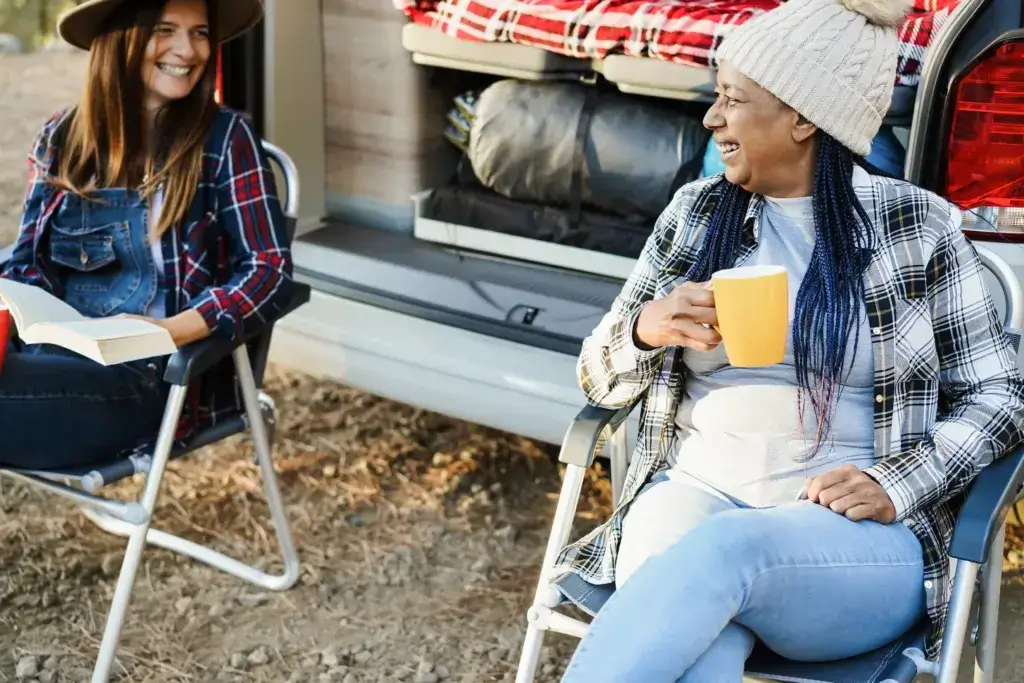
Beyond the essentials, staying warm in the car comes down to smart food choices, keeping your spirits up, and using a few clever tricks that won’t break the bank.
Smart Food and Drink Strategies
I always eat a calorie-heavy meal before bed when it’s cold out. Your body needs fuel to make heat – think of it like tossing logs on a fire.
Hot drinks are a lifesaver. I keep a thermos of hot chocolate or tea next to my sleeping bag and sip it before bed. That warmth spreads fast.
Skip the alcohol, even though it feels warming. It actually drops your core temperature by sending blood to your skin, which is the opposite of what you want when you’re trying to stay warm car camping.
Pack energy-dense snacks like nuts, chocolate, and bars. If I wake up cold in the middle of the night, a quick snack helps my body crank out more heat. I keep a stash right by my sleeping spot for easy access.
Keeping Spirits High: Fun and Comfort
Staying warm isn’t just about the physical stuff. If you’re comfortable and entertained, you barely notice the cold.
I like to bring little things that make my car feel homey. A battery-powered lantern gives off a cozy glow, and I’ll toss in some books, a deck of cards, or a few movies downloaded to my phone for those long evenings.
Set up your space before the sun goes down. I usually arrange my blankets, organize my gear, and put everything I’ll need close by.
No one wants to dig through cold bags in the dark. It kills the vibe fast.
Try to keep a bedtime routine, even on the road. Change into your warm sleep layers, brush your teeth, and settle in.
This helps your body relax and it makes staying warm way easier.
Money-Saving Warmth Hacks
Expensive camping gear? Not really necessary. I’ve found tons of ways to stay warm during cold-weather car camping that don’t cost much at all.
One of my favorite tricks: fill a Nalgene bottle with hot water and toss it in your sleeping bag. It works as a mini heater and keeps your water from freezing overnight. If you already have a bottle, this hack’s basically free.
Budget-Friendly Warmth Options:
- Grab extra blankets from home instead of buying new ones
- Layer up with regular clothes instead of pricey base layers
- Cut cardboard to fit your windows for insulation
- Stuff newspaper between blankets for extra warmth
- Park facing east so the morning sun naturally warms your car
I’ll run my car heater for about 10 minutes before bed to warm up the space and my blankets. It barely uses any gas, but the comfort boost is huge. Just be sure your exhaust isn’t blocked by snow – safety first.
Frequently Asked Questions
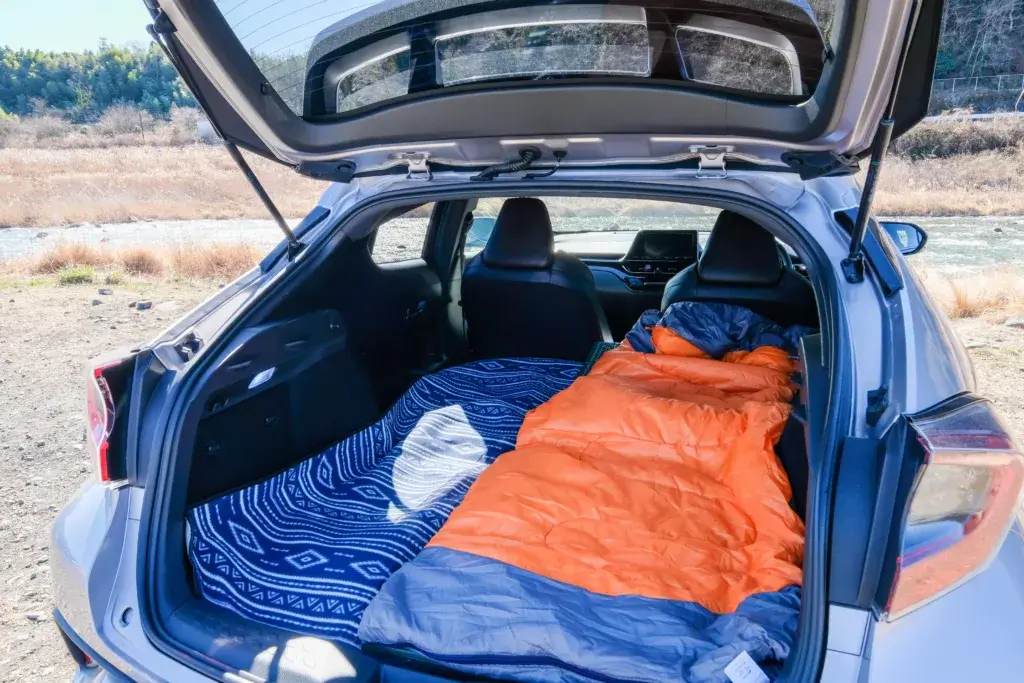
Car camping in the cold brings up a ton of questions. If you’re trying to stay comfy without freezing, these are the things I get asked most.
What are some top tips for staying toasty when sleeping in your car during a cold snap?
I always use a sleeping bag rated colder than I think I’ll need. Laying a sleeping pad underneath creates a barrier between me and the freezing car floor, which honestly makes a huge difference.
Before bed, I do a few jumping jacks or take a quick walk to get my blood moving. Then I jump into my sleeping setup while I’m still warm.
I keep a wool beanie close. Sleeping in it isn’t glamorous, but it keeps my head warm, and that’s what matters.
A light snack before bed helps, too. I usually go for something like nuts or cheese – protein and fat keep my body fueled through the night.
Can you give me a rundown of the best gear to keep warm while car camping in frosty weather?
My first must-have is a sleeping bag made for cold weather, rated at least 10-15 degrees lower than whatever temps I expect. Mummy bags trap heat better than the rectangular ones.
An insulated sleeping pad is essential. I use one with an R-value of at least 4 for winter. It really stops the cold from creeping up through the floor.
Thermal blankets are great as extra layers. I’ll toss one over my sleeping bag or use it to cover windows for more insulation.
Hot water bottles are a lifesaver. I fill one with boiling water before bed and toss it in my sleeping bag. It stays warm for hours – no electricity needed.
Hand warmers are cheap and super effective. I put them in my pockets or near my feet inside the bag.
Is there a clever hack for warming up my car that doesn’t involve running the engine all night?
I never run my engine overnight – carbon monoxide is no joke. I stick to safer options that actually work.
I insulate my windows with reflective sunshades or foam boards. The shiny side faces in to bounce heat back at me.
Hanging blankets to section off part of the car creates a smaller sleeping area. Smaller space, easier to warm up, and honestly, it feels cozier.
Battery-powered heated blankets are a game changer. They run off portable power stations and keep things warm without any fumes.
Sometimes I’ll light a couple of candles in safe holders. They actually give off a surprising amount of heat, but I never leave them unattended.
What should I know about insulation in my car to avoid turning into a popsicle overnight?
Windows lose the most heat. I cover mine with cardboard, foam boards, or thermal curtains to block out the cold.
Drafts sneak in under the doors, so I stuff towels or pool noodles along the bottom. It’s a quick fix that really helps.
My car’s metal frame gets icy, so I add layers between me and any metal – blankets, foam, even cardboard on the floor.
Ventilation still matters. I crack a window just a bit to let in fresh air and keep condensation down. Damp air feels colder, trust me.
I’ve heard about layering clothing, but what’s the ideal way to stack up when I’m snoozing in my vehicle?
I start with a base layer that wicks away sweat. Cotton’s the worst for this – once it’s wet, you’re just colder.
Next comes insulation. Fleece or wool does the trick without making me feel like a marshmallow.
The outer layer keeps wind and moisture out. Sometimes I’ll wear a jacket inside my sleeping bag if it’s really brutal.
I always cover my hands, feet, and head – wool socks, gloves, and a hat. That’s where most of your heat escapes.
The trick is not to pile on all your layers before getting in the bag. If I’m already warm, my body does less work heating up the sleeping bag, and I sleep better.
At what point does it get so chilly outside that car camping becomes more of a freezer experience?
I usually draw the line around 20 degrees Fahrenheit if I’m stuck with basic gear. Any colder, and I need more specialized equipment – plus a lot more planning.
Wind chill changes everything. A still 30-degree night isn’t too bad, but if there’s wind, 30 degrees feels absolutely brutal.
Personally, I’m happiest car camping above 30 degrees, as long as I’ve got decent insulation and a solid sleeping bag. If it’s between 20 and 30, I’ll toss in extra blankets and maybe a hot water bottle or two.
Once it drops below 10 degrees, I start to question if car camping is worth it at all. Even with top-notch gear, staying warm just feels like a losing battle at that point.
Your experience level matters, too. When I first tried this, anything below 40 felt harsh. Now, I’m fine with much colder temps because I’ve figured out what works for me.