
What To Pack For Fall Camping: Beginner Budget Guide
Fall camping is the sweet spot of the year. Campgrounds quiet down, bugs disappear, and the colors do half the work of making the trip feel special.
The tricky part? The weather can swing 30 or even 40 degrees between a sunny afternoon and a frosty 5 a.m.
Here’s the short answer: pack for the overnight low, not the daytime high. Spend your money on a warm sleep setup, dry layers, and reliable light before anything else.
Everything else on a typical fall camping checklist is comfort, not survival.
You really don’t need a four-season expedition tent or a $500 sleeping bag for an October weekend at a state park. Most beginners already own more useful gear than they think, and a few smart borrows or thrift finds can close the gap.
This guide walks through what to pack for fall camping, why each item matters, and where you can cut costs without getting cold.
Grab the forecast for your campsite. Work through the list below and check off what you already have—you’ll probably be closer to ready than you expected.
Start With These Fall Essentials
The whole packing list gets easier once you stop thinking in seasons and start thinking in numbers. Look up the overnight low for your specific campsite, add rain risk, and let those two facts drive your fall camping gear choices.
Pack for the Overnight Low, Not the Afternoon High
A 68-degree afternoon can drop to 34 degrees by sunrise. Mountain sites and desert sites swing even harder.
Check the forecast for the nearest town, then subtract about 5 degrees for elevation and cold air settling in low spots. Pack as if it’ll be 10 degrees colder and wetter than predicted.
That single habit prevents most miserable first trips. Rain risk is your second trigger.
Anything over about 30 percent means you bring real rain gear and a tarp, not just a hoodie and hope.
The Beginner Priority List: Sleep, Shelter, Dry Layers, and Light
If your budget is tight, spend in this order:
- Sleep system: sleeping bag plus an insulated pad. This is where cold nights are won or lost.
- Shelter: a 3-season tent with a full rainfly that reaches close to the ground.
- Dry layers: a fleece, a waterproof shell, wool socks, and a hat.
- Light: a headlamp per person, plus extra batteries. Sunset comes early.
Everything after that, like camp chairs, string lights, and a fancy stove, is a nice-to-have.
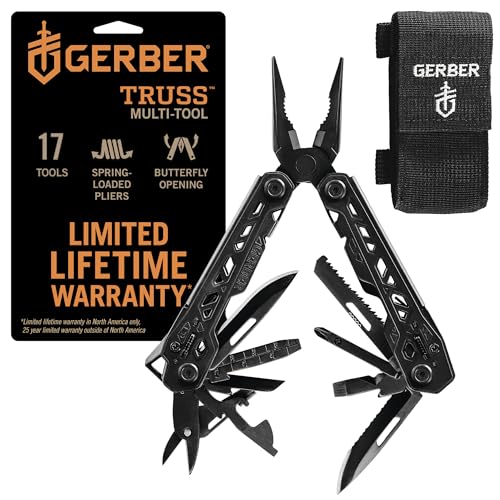
The Gerber Gear Truss 17-in-1 Multi-Tool is the ultimate everyday carry companion for adventurers, campers, and outdoor enthusiasts. This compact yet versatile tool combines 17 essential functions into one durable design, including needle-nose pliers, a pocket knife, screwdrivers, and a bottle opener. Built to handle tough tasks, it’s perfect for fishing, camping, or tackling quick fixes on the go. The black finish adds a sleek, rugged look, and the included MOLLE sheath ensures easy, secure attachment to your gear or belt. Whether you’re gifting it to an outdoorsman or adding it to your own kit, the Gerber Truss is a reliable, all-in-one solution for any adventure.
Budget Gear to Borrow, Buy Used, or Repurpose
Borrow first. Friends who camp usually have a spare sleeping bag or pad sitting in a closet, and some outdoor shops and university outing clubs rent gear by the weekend for less than the cost of a tank of gas.
Repurpose what you own:
- A wool blanket from home layered over your sleeping bag
- A closed-cell foam yoga mat under your existing pad for extra insulation
- A hard plastic water bottle as a hot water bottle at bedtime
- A cheap painter’s tarp as a tent footprint or kitchen shelter
Used gear marketplaces and end-of-season sales are your friend. Car camping means weight barely matters, so heavy older gear is a bargain.
Save the ultralight backpacking gear for later.
Build a Warm, Dry Sleep Setup
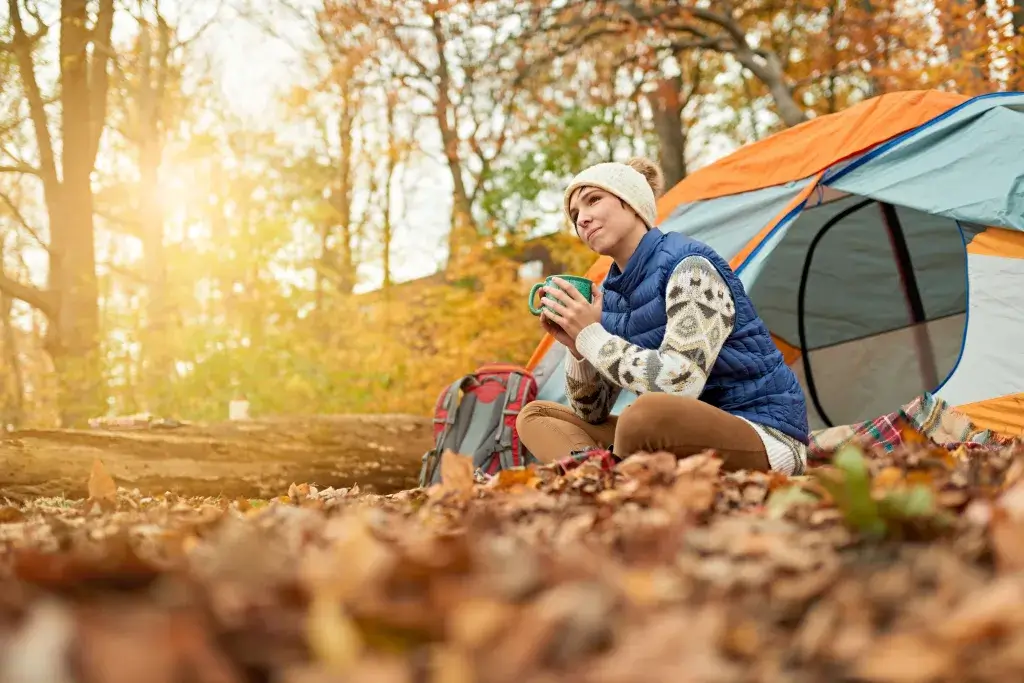
Your sleep system is the sleeping bag, the pad under it, and anything else that traps heat around you. Get this right and a 30-degree night feels cozy; get it wrong, and no campfire will save you.
Choose a Sleeping Bag for Colder-Than-Forecast Nights
Aim for a bag rated at least 10 to 15 degrees below your expected overnight low. For most fall trips in the US, a 20°F bag is the safe, versatile pick.
A 30°F bag works for milder early-fall weekends. Ratings are optimistic.
Cold sleepers, kids, and anyone who runs chilly should assume the number is a best-case. Budget move: keep the 40°F summer bag you already own and add a fleece sleeping bag liner, which can buy you 10 or more degrees for around $25.
Two people can also zip bags together or share blankets to pool body heat.
Stop Ground Chill With the Right Sleeping Pad
Cold ground pulls heat out of you faster than cold air does. A pad’s insulation is measured by R-value, and higher numbers mean warmer.
| Overnight Low | R-Value Target |
|---|---|
| 50°F and up | 1 to 2 |
| 35 to 50°F | 2 to 3 |
| Below 35°F | 4 or higher |
Air mattresses from the drugstore have almost no insulation. If that’s what you own, put a foam pad, a folded wool blanket, or a yoga mat between it and the tent floor.
Stacking two cheap pads is a legitimate, warm solution.
Low-Cost Ways to Add Warmth Before Bed
These cost little and work every time:
- Hot water bottle: boil water, fill a sturdy bottle, tuck it by your feet or core 20 minutes before bed.
- Dry warm socks worn only for sleeping, never the damp pair from your hike.
- Base layers as pajamas instead of cotton sweats.
- Hand warmers in your pad’s foot area or your pockets.
- A camping blanket or down blanket thrown over the top of your bag.
- An inflatable camp pillow, or a stuff sack packed with a puffy jacket.
Eat something warm and go to bed slightly warm, not cold. Your bag traps heat, it doesn’t create it.

Size: XXX-Large, BPA & PVC Free, 100 Fl Oz Capacity
Layering Up: Clothing Essentials
When it comes to fall camping clothes, layering is our best friend. We start with a moisture-wicking base layer to keep sweat away from our skin. Wool or synthetic materials are perfect for this.
Next, we add an insulating mid-layer. Fleece is a great option – it’s warm, lightweight, and dries quickly.
For our outer layer, we want something wind and water-resistant. A good rain jacket is a must-have for unpredictable fall weather.
Don’t forget these essentials:
- Warm hat or beanie
- Gloves or mittens
- Thick wool socks
- Thermal underwear
Remember, it’s easier to take layers off if we get too warm than it is to warm up if we’re underdressed!
Dress for Rain, Wind, and Big Temperature Swings
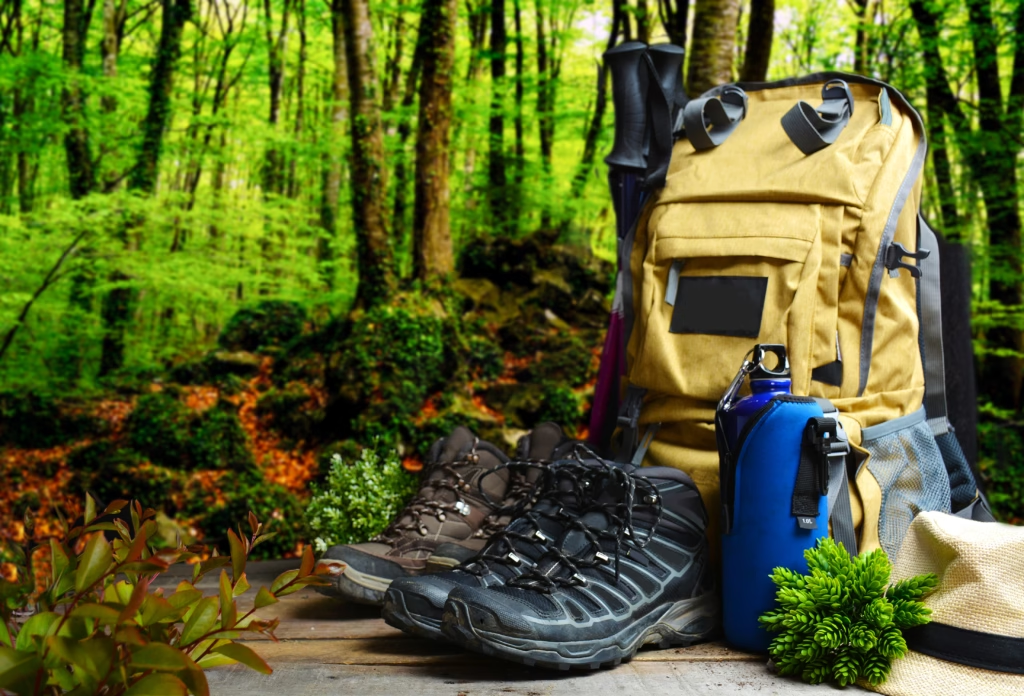
Fall clothing is less about how many items you bring and more about how they work together. A simple layering system lets you handle a warm hike, a windy overlook, and a 35-degree morning with the same three pieces.
Use a Simple Three-Layer Clothing System
Base layer: the piece against your skin. Choose a moisture-wicking base layer or thermal underwear in merino wool or synthetic fabric.
Skip cotton, which holds sweat and chills you fast. Mid layer: your insulation.
A fleece jacket is the cheapest reliable option. An insulated jacket, down jacket, or puffy jacket adds serious warmth for very little weight.
Outer layer: a waterproof shell or rain jacket that blocks wind and rain. Add rain pants if the forecast looks wet or you’ll be walking through soaked brush.
Pack two mid-layers instead of one giant coat. Two thinner pieces adapt better to swings and dry faster when damp.

Warm, Thermal, Cozy Crew Socks - 5 Pairs
Keep Feet, Hands, and Head Warm and Dry
Extremities get cold first, and warming them back up takes forever.
- Wool socks: bring one pair per day, plus two spares. They stay warm even damp.
- Waterproof hiking boots or hiking shoes for wet leaves and morning dew.
- Camp shoes: slip-ons or old sneakers so your boots can dry by the fire.
- A beanie or warm hat, including one for sleeping.
- Gloves or mittens, plus a cheap thin liner pair for cooking and setting up camp.
A neck gaiter costs a few dollars and blocks a surprising amount of wind.
Pack a Dedicated Set of Dry Sleep Clothes
This is the tip beginners skip and later swear by. Keep one base-layer top, one bottom, and one pair of socks sealed in a zip bag and worn only inside your sleeping bag.
Even light sweat in your hiking clothes will cool you overnight. Changing into fully dry clothes at bedtime is free warmth.
Store the rest of your clothing in a dry bag or trash bag so a leaky tent corner can’t ruin your whole trip.

Insulated & Water Repellent, Rubber Outsole
Protect Camp From Rain and Cold Ground
Your tent and campsite choice decides whether rain is a minor annoyance or a trip-ending problem. A little setup care beats expensive waterproof gear almost every time.
Set Up a Weather-Ready Tent
A standard 3-season tent handles fall just fine as long as it has a full-coverage rainfly that comes down near the ground rather than a small partial cover on top.
Pitch it tight. Loose fabric flaps in wind and lets the fly touch the inner wall, which pulls moisture inside.
Stake every guyline, even on a calm afternoon, because fall winds usually show up at 2 a.m. Put a tent footprint or a cheap tarp underneath, trimmed so no edges stick out past the tent.
Exposed tarp edges collect rain and funnel it under your floor. Crack the vents a bit – cold nights create condensation, and a little airflow keeps you drier than a sealed-up tent.
Use a Tarp for a Dry Cooking and Hangout Space
A $20 tarp and some cord is the best value purchase in fall camping. Strung between trees or off your vehicle, it gives you a dry spot to cook, eat, and sit out a passing shower.
Pitch it at an angle so water runs off one low corner instead of pooling in the middle. Keep your stove under the tarp only if there’s plenty of open air around it, and never run a stove or heater inside your tent.
Choose a Site With Drainage, Wind Protection, and Safe Access
At campgrounds, pick a slightly raised, flat spot rather than the pretty low pocket where water collects. Avoid dips, obvious runoff channels, and the base of slopes.
Look for a natural windbreak like a stand of trees, but scan overhead for dead branches first. Cold air pools near creeks and lake shores, so sites a bit higher stay noticeably warmer.
If you’re dispersed camping on public land, confirm road conditions before you go. Fall rain and early snow turn dirt access roads into a problem fast, and firewood rules can differ from developed campgrounds.
Plan Warm Food, Fire, and Lighting

Warm food and dependable light matter more in fall than any gadget. Sunset can arrive by 6:30 p.m., which means you’ll cook, eat, and clean up in the dark.
Make Easy Meals That Warm You Up Fast
Hot, one-pot camping meals are a lifesaver for dinner and warming up. Chili, soup, pasta, instant oatmeal, and foil packets with sausage and veggies all work with barely any cleanup.
Bring a camp stove, even if you want to cook over the fire. Wet wood or fire bans can ruin dinner, and a stove gets you coffee in four minutes flat.
If you’re car camping and have some coals, try a Dutch oven cobbler. Keep trail mix and granola bars handy, and pack hot cocoa or cider mix.
Sipping something hot before bed really does help you sleep warmer.
Prepare for Damp Firewood and Fire Restrictions
Fall wood’s usually wet, and most campgrounds require you to buy local firewood to stop pests. Don’t haul wood from home.
Bring more fire starters than you think you’ll need. Dryer lint in an egg carton, wax-dipped cotton balls, or cheap fire starters all beat fighting with damp kindling.
Pack waterproof matches and a lighter. Keep a backup set in a different bag—just in case.
Check fire restrictions the week you leave. Sometimes they ban campfires in the fall, but a propane fire pit is allowed at a lot of sites when open flames aren’t.
Bring Enough Light for Earlier Evenings
Expect 12 to 14 hours of darkness. That sneaks up on you fast.
- A headlamp for each person, even the kids. Hands-free is way better for cooking or digging in bags.
- One lantern for the table or tent.
- Extra batteries, since cold zaps them quick.
- String lights if you want some ambiance or just want to find your tent easier.
Charge your phone and power bank before you go. You don’t want to mess with that in the woods.ou’ll need. I’ve never regretted having extras, but I’ve definitely regretted running out when the rain wouldn’t quit.
Finish With Safety, Comfort, and Fun

Check Conditions, Closures, and Fire Rules Before Leaving
Call or check the campground’s website 24 to 48 hours before your trip. Fall brings seasonal closures, water spigots shut off, less staff, and earlier gate hours.
Check the forecast again the morning you leave. Fall weather moves fast, and a change from 45 and clear to 38 and rainy totally changes your packing.
Tell someone your plans and when you’ll be back. Download offline maps, because cell service drops off fast outside town.
Store Food and Pack a Simple Emergency Kit
Bears, raccoons, and mice are all out fattening up, so food storage rules get strict. Use the bear locker or lock everything scented in your car – trash, toothpaste, even the cooler.
Your first aid kit should have the basics and some cold-weather extras: blister care, lip balm, ibuprofen, and hand warmers. Toss in a multi-tool, duct tape, a tent repair patch, a whistle, and an extra headlamp.
Water’s still important even if you don’t feel thirsty. Cold weather can hide thirst, and mild dehydration just makes you feel colder.
Make the Most of Short Autumn Days
Front-load your day. Hike, paddle, or drive the scenic loop in the morning, then get dinner started before dark instead of scrambling with a headlamp.
Fall hiking and leaf peeping are best midweek when trails are quiet. Canoeing on a still, cold morning is honestly one of the best things about the season – if you’ve got the layers for it.
For those long evenings, bring cards, a book, a speaker, or a sketchpad. Sitting around the fire with a warm drink is kind of the whole point, isn’t it?
Frequently Asked Questions
What clothes should I bring for camping in cold fall weather?
Bring a moisture-wicking base layer, a fleece or puffy mid layer, and a waterproof rain jacket. Add wool socks, a beanie, and gloves.
Skip cotton, since it holds sweat and makes you cold. Pack one dry base layer set just for sleeping.
What are the most important items to pack for a fall camping trip?
A warm sleeping bag, an insulated sleeping pad, a tent with a full rainfly, dry layers, and a headlamp with extra batteries. Those five cover warmth, dryness, and the early sunsets.
Everything else on a fall camping checklist is comfort, not survival.
How do I stay warm while camping at night in the fall?
Insulate underneath yourself first with a pad that has an R-value of 3 or higher. Change into dry sleep clothes and socks.
Add a hot water bottle by your feet and a blanket over your bag. Eat something warm and get in your bag before you feel chilled.
What sleeping bag temperature rating is best for fall camping?
A 20°F bag covers most US fall conditions. A 30°F bag works for mild early-fall trips.
Pick a rating at least 10 to 15 degrees below the expected overnight low. If you’ve only got a 40°F summer bag, a fleece liner helps stretch it.
What are the most commonly forgotten camping items?
Extra batteries, a lighter or waterproof matches, camp shoes, dry sleep socks, and a tarp with cord. People also forget trash bags, dish soap, and a second warm hat.
Lay everything out on the floor at home and check it against your list before you load the car. You’ll be glad you did.
What should I avoid bringing on a fall camping trip?
Leave cotton hoodies and jeans at home. An uninsulated air mattress on its own just won’t cut it, so skip that too.
Don’t bother hauling firewood from home. Most campgrounds want you to use local wood anyway.
And please, resist the urge to bring a propane heater into your tent, even if the forecast looks brutally cold..