
Budget Friendly Camping for Affordable Outdoor Trips
Budget friendly camping is a great way to get outside, breathe some fresh air, and actually relax without watching your bank account drain faster than a leaky cooler. Whether you’re planning your first overnight trip or just looking for ways to trim the cost of your next family camping adventure, spending less doesn’t mean you have to suffer through a miserable weekend in the woods.
Some of the most memorable camping trips happen when you keep things simple, skip the fancy stuff, and focus on the experience instead of the price tag.

Affordable camping really comes down to a few basic choices: picking the right place to camp, not blowing your budget on gear you’ll only use once, planning meals that are cheap and actually taste good, and being smart about when and how far you travel.
It’s not complicated. A little planning up front keeps you from scrambling at the last minute and overpaying for everything.
This guide walks you through all of it, step by step. From free campsites on public land to campfire cooking tricks and zero-cost activities like hiking and stargazing, you’ll have what you need to plan a budget camping trip that feels way more expensive than it really is.
Key Takeaways
- You can camp for free or close to it on public lands, in national forests, and at dispersed camping sites across the U.S.
- Smart gear choices like borrowing, buying used, and using household items save hundreds without sacrificing comfort or safety.
- Planning meals ahead, camping closer to home, and traveling off-peak are the easiest ways to cut your total trip cost in half.
Where to Find Low-Cost Places to Camp
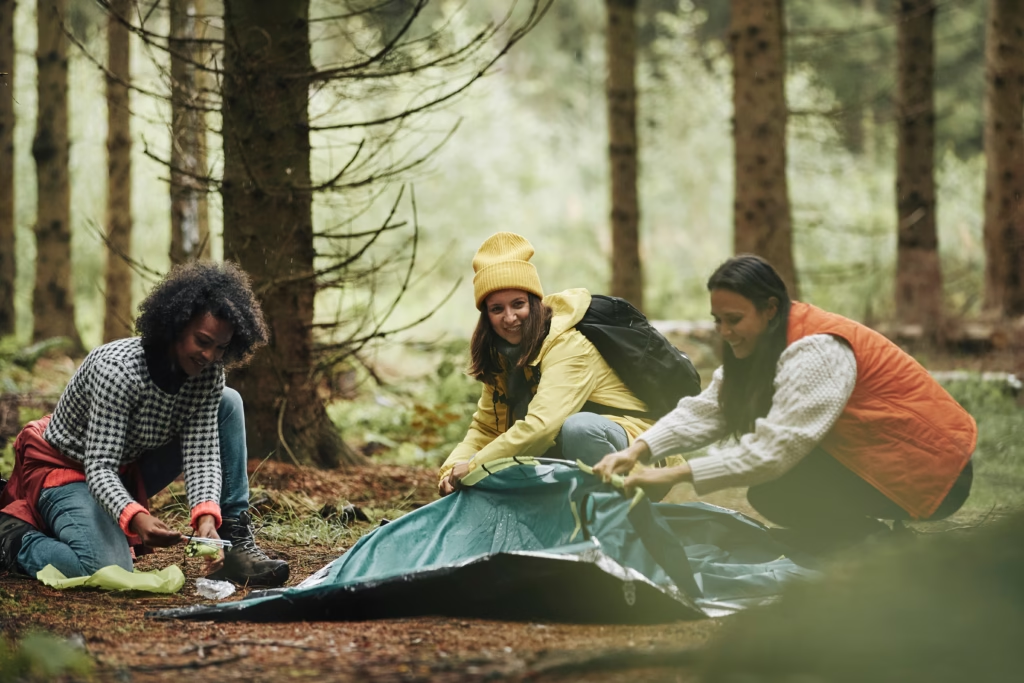
The biggest expense on a camping trip is often the campsite itself, but it doesn’t have to be. Campground fees range from zero dollars on public land to $50 or more per night at private campgrounds with full hookups.
Knowing your options puts you in control.
Free and Cheap Options on Public Land
Dispersed camping on Bureau of Land Management (BLM) land and in national forests is usually free and legal, as long as you follow local rules about where you can set up. You probably won’t have running water, trash cans, or a fire ring, but you get solitude and zero campground prices.
Apps like Campendium and iOverlander help you find free campsites with GPS coordinates and user reviews. FreeCampsites.net is another solid option.
Always check for seasonal closures, fire restrictions, and permit requirements before you go. If you plan to visit multiple national parks or forests in a year, the America the Beautiful Pass costs $80 and covers entrance fees at over 2,000 federal recreation sites.
State Parks, Local Campgrounds, and Low-Amenity Sites
State parks are a sweet spot between free dispersed camping and pricey private campgrounds. Many offer sites between $10 and $25 per night with basic amenities like picnic tables, fire rings, and vault toilets.
National parks also offer camping from $12 to $25 per night at many locations.
Local campgrounds run by counties and municipalities are often overlooked but can be a bargain. They tend to be less crowded and cheaper than popular destinations.
Primitive camping sites, sometimes called walk-in sites, are usually the cheapest option at any developed campground because they lack hookups and are farther from the parking area.
When RV Parks and Private Campgrounds Make Sense
Private campgrounds and RV parks charge more, often $30 to $60 per night. But they sometimes make sense for families who want showers, laundry, playgrounds, or electrical hookups.
If you’re camping on a budget with kids and need reliable bathrooms and a safe play area, paying a bit more for a budget-friendly campground can actually save you stress and money compared to a hotel.
Just compare campground prices before booking and avoid holiday weekends when rates spike.
Choose the Right Setup for Your Trip
Your camping setup should match where you’re going, who’s coming, and how much comfort you actually want. A car camping weekend at a state park calls for different gear than a backcountry hiking trip with a backpacking tent.
Car Camping for Comfort and Simplicity
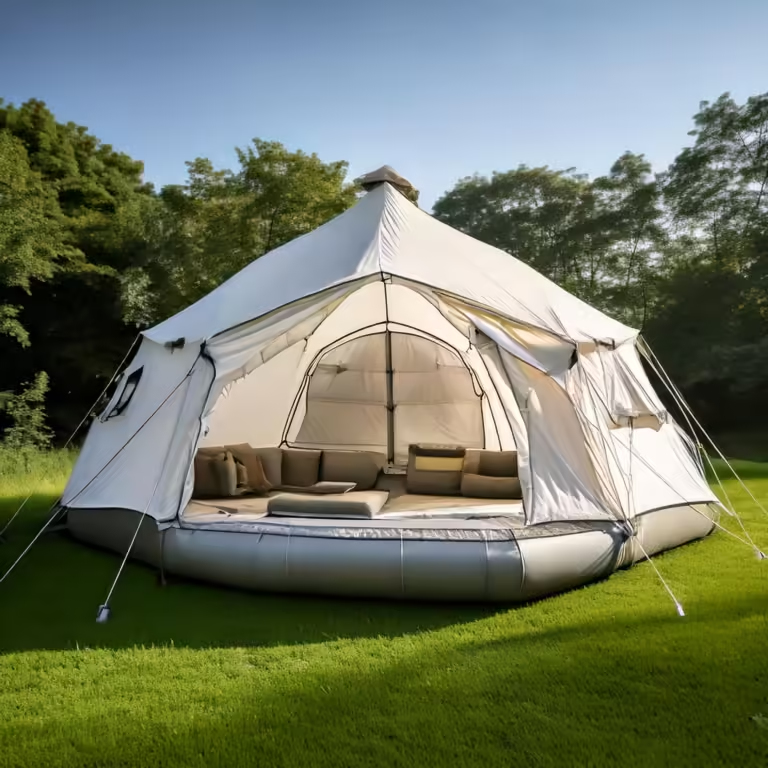
Car camping is the easiest and most budget-friendly way to start. You drive right up to your campsite, so you can bring heavier gear like a bigger tent, a full-size cooler, camp chairs, and extra blankets.
A decent tent for two to four people doesn’t need to cost a fortune. Models in the $50 to $100 range from brands like Coleman or Ozark Trail work just fine for occasional weekend trips.
Since you’re not carrying it on your back, weight doesn’t matter much. This is the best setup for beginners because you can bring everything you need without worrying about ultralight gear.

The Coleman Sundome 2-Person Camping Tent (PFAS-Free, Spruce Green) is a budget-friendly essential perfect for novice campers or solo/duo adventurers. Measuring 5x7 ft with 4 ft center height and weighing just 6.8 lbs, it sets up in under 10 minutes via snag-free pole sleeves. Its WeatherTec system—with tub floor, welded corners, and rainfly—blocks wind up to 35 mph and repels rain effectively. Enjoy great ventilation from 2 windows and a ground vent, plus E-Port access, 2 awnings, and gear pockets.
Backpacking and Primitive Setups on a Budget
Backpacking and primitive camping need lighter, more compact gear, which can get expensive if you buy new. A budget backpacking tent runs $80 to $150 and is worth it if you plan to hike to your campsite.
Focus on the camping essentials first: shelter, a sleeping bag rated for the expected temperatures, a sleeping pad, water, and a way to cook. Skip the extras until you know you enjoy backcountry camping enough to justify the investment.
Planning for Families and Group Trips
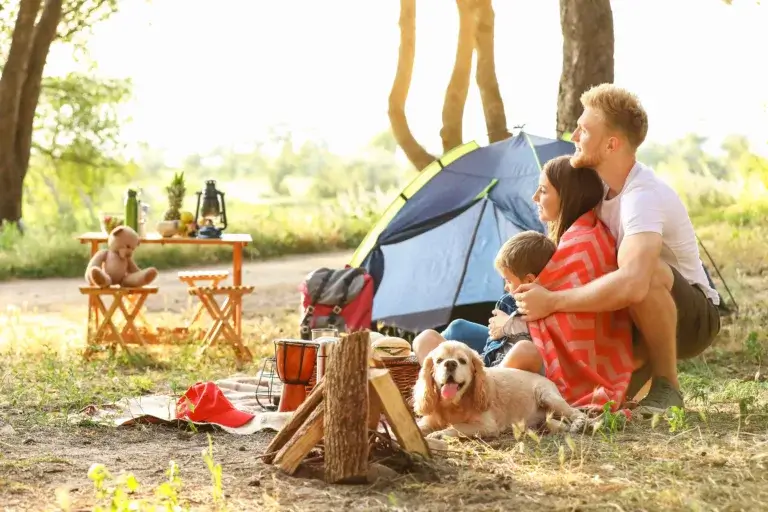
Family and group camping trips are actually cheaper per person than solo trips because you can share gear and split campground fees. One large tent or two medium tents, a shared cooking setup, and a communal cooler keep costs down.
Assign each person or family a specific meal to prepare. This spreads out the grocery bill and keeps things fair.
For group camping, look for sites that allow multiple tents on one reservation since paying for one site instead of three saves everyone money.
Save Money on Gear Without Buying Junk

Gear is where new campers tend to overspend the most. You don’t need a $400 tent and a $200 sleeping bag for a weekend at a campground.
Being strategic about what you buy, borrow, and skip can save you hundreds.
Borrow, Rent, or Buy Used First
Before you buy anything, ask around. Friends and family who camp probably have extra gear sitting in their garage.
Borrowing a tent or sleeping bag for your first trip is the easiest way to save money on camping gear. If borrowing isn’t an option, check thrift stores, garage sales, Facebook Marketplace, and gear consignment shops like REI’s used gear section.
Many experienced campers recommend borrowing equipment before buying to avoid spending on gear you might not use again. Rental programs from outdoor retailers are another option, especially for backpacking tents and sleeping pads.
What Is Worth Paying More For
Not everything should be bought at the lowest possible price. A few camping essentials are worth spending a bit more on:
- Sleeping bag or pad: A bad night of sleep ruins the whole trip. Get something rated for the temperatures you’ll face.
- Rain protection: A tent with a solid rainfly and sealed seams is not optional if there’s any chance of rain.
- Footwear: Decent hiking shoes or boots prevent blisters and injuries.
As Switchback Travel notes, a solid budget camping setup can cost around $600, which is less than half the price of top-rated gear.
Use Household Items and Pack Smarter
You probably already own more camping gear than you think. Tupperware works great for food storage.
Old blankets and pillows from home beat an expensive camp pillow. A headlamp from the hardware store is just as good as a fancy outdoor one.
Build a simple camping checklist before you pack so you don’t overpack and skip unnecessary purchases. Multi-purpose items are your best friend here: a bandana can be a pot holder, a sweat rag, or a napkin.
Packing light and choosing versatile items cuts clutter and costs.
Eat Well at Camp for Less
Food is one of the most fun parts of camping, and it doesn’t have to be expensive. With a little meal planning and some basic campfire cooking skills, you can eat well for a fraction of what you’d spend eating out.
Simple Meal Planning That Cuts Waste
The biggest food mistake on camping trips is buying too much. Plan every meal before you leave and write a grocery list.
Pre-portion ingredients at home in reusable bags and containers. Focus on ingredients that overlap across meals.
Rice, tortillas, eggs, canned beans, cheese, and pasta are cheap, filling, and versatile. According to one popular guide, you can feed yourself for an entire weekend for under $25 with the right planning.
Easy Campfire Cooking Ideas
Campfire cooking is half the fun. Here are a few crowd-pleasers that cost almost nothing:
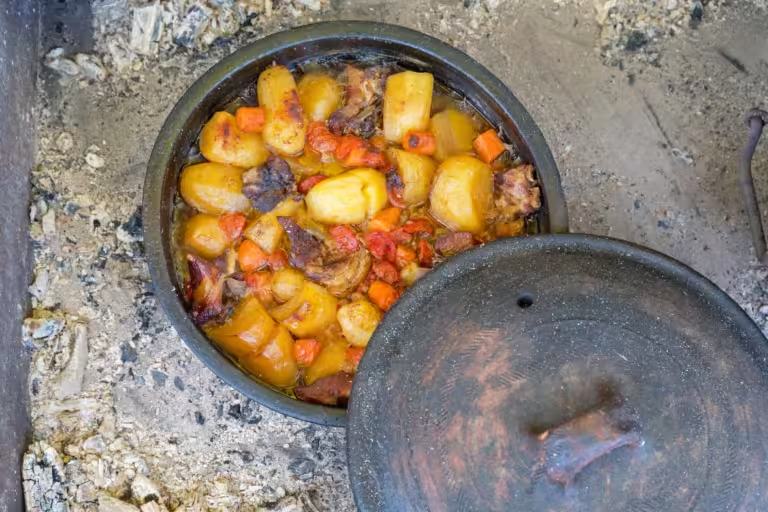
- Foil packet dinners: Just wrap up seasoned veggies, potatoes, and some protein in foil, then toss them right on the coals.
- One-pot chili or pasta: Throw everything in one pot, heat it up, and dig in.
- Breakfast burritos: Scramble eggs with whatever you’ve got, then roll it all up in a tortilla.
- Quesadillas on a grate: Cheese, beans, and a tortilla over the fire – takes maybe three minutes.
Skip the overpriced freeze-dried camping meals that cost $15 a pouch. Real food cooked over a fire just tastes better and usually costs only a few bucks per serving.
Firewood, Coolers, and Other Small Costs
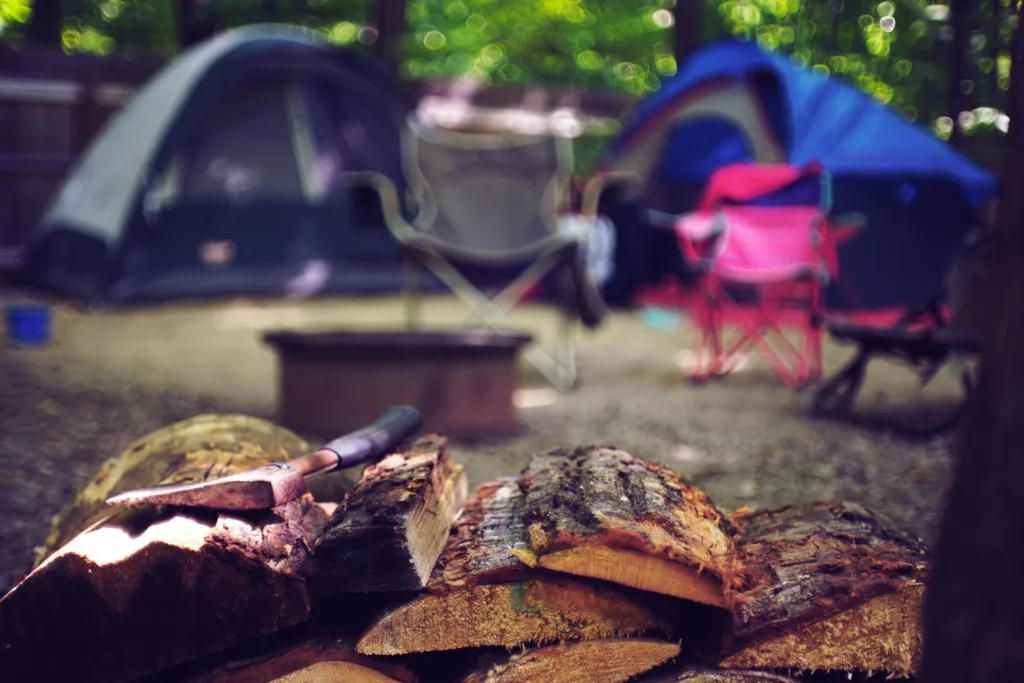
Try to bring your own firewood from a local store before you hit the campground. Campground firewood is often marked up, sometimes $8 to $12 per bundle.
Double-check local rules though, since some places restrict firewood transport to stop invasive pests.
A basic cooler you already have works fine. Pre-freeze water bottles to use as ice packs.
They’ll keep your food cold and give you cold drinking water as they melt. This is one of those simple camping hacks that really adds up compared to buying bags of ice every day..
Lower the Total Trip Cost Before You Leave
The biggest budget killers usually show up before you even pitch your tent. Gas, last-minute gear runs, and peak-season pricing can drain your wallet fast.
Planning ahead really helps.
Camp Closer to Home and Travel Off-Peak
Driving five hours to a famous national park sounds great until you look at the gas bill. Some of the best budget camping spots are just an hour or two from home.
Local campgrounds, state parks, and nearby national forests often have excellent sites without the long drive.
Traveling during the week or outside of summer camping peak season (usually mid-June through mid-August) can seriously cut campground fees. Avoiding popular holidays when campground prices spike is probably one of the easiest money-saving tricks out there.
Book Early and Watch Seasonal Pricing
Popular campgrounds fill up months ahead, especially for summer weekends. Booking early locks in lower rates and gives you the best shot at a good site.
Most state and federal campgrounds release reservations on a rolling basis, usually four to six months out. Set a calendar reminder so you don’t miss your window.
If you wait until the last minute, you’ll probably pay more at private campgrounds because the affordable public sites are already gone.
Split Costs With Friends or Family
Group camping is a budget superpower. Splitting a $30 campsite fee between three families drops the per-family cost to $10 a night.
When you share gas, cook together, and pool gear, everyone saves. Even if you’re not camping together, carpooling with friends to a nearby campground can cut fuel costs in half.
Budget camping is about resourcefulness, and sharing expenses just makes sense.
Enjoy Free Activities and Camp Responsibly
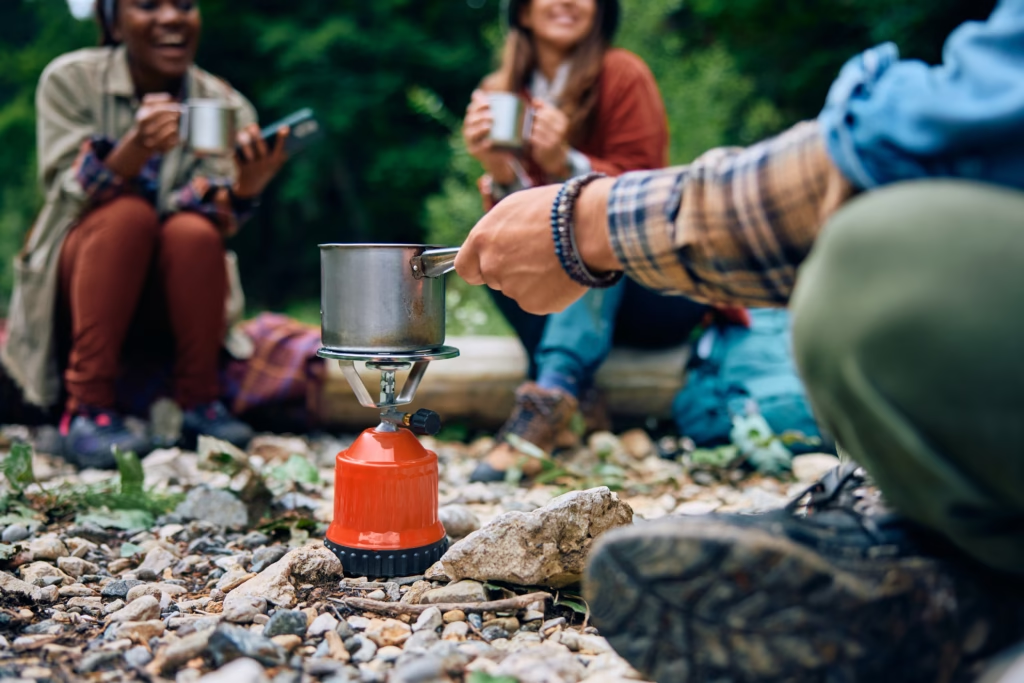
The best part about camping? Most of the fun stuff is totally free.
Once your tent is up, you’re surrounded by free entertainment.
Hiking, Swimming, and Wildlife Watching
Hiking trails are everywhere near campgrounds. You’ll find everything from easy loops to challenging ridge hikes.
Check with the ranger station or campground host for trail maps and difficulty info. Swimming holes, rivers, and lakes near your site are free to enjoy, and honestly, they usually beat a hotel pool.
Wildlife viewing is a constant highlight. Bring binoculars if you have them, or just keep your eyes open and see what wanders by.
Stargazing and Other No-Cost Fun
Stargazing at a campsite away from city lights is incredible and costs nothing. Download a free star map app before your trip so you can figure out what you’re looking at.
Many national and state parks offer ranger-led programs like guided hikes, campfire talks, and nature walks at no charge. These are especially great for families since kids tend to love them.
Card games, scavenger hunts, and campfire storytelling are always fun, too.
Leave No Trace and Basic Public Land Etiquette
Free camping on public land means you’ve got to keep it free and open for everyone. Follow the seven Leave No Trace principles: pack out all trash, stay on existing trails and campsites, keep fires small and fully out, and respect wildlife.
When dispersed camping, set up at least 200 feet from water and trails. Leave your site looking like nobody was ever there.
If campers trash public lands, agencies close those areas or start charging fees. That just ruins it for everyone who wants to camp on a budget.
Frequently Asked Questions

Where can I find low-cost campgrounds near Boulder or Longmont that won’t empty my wallet?
The Roosevelt National Forest and Indian Peaks Wilderness area near Boulder have both dispersed camping and affordable developed sites. Colorado state parks like Eldorado Canyon and Lory State Park offer sites in the $20 to $30 range.
Check apps like Campendium or Recreation.gov for specific availability and pricing. Try weekday trips when sites are more open and sometimes cheaper.
What are some simple meal ideas for camping that are cheap, filling, and not depressing?
Foil packet dinners with seasoned potatoes, veggies, and sausage are hard to beat. One-pot pasta with jarred sauce and canned veggies feeds a group for just a few dollars.
Breakfast burritos with eggs, cheese, and beans are quick and filling. Backpacker magazine shares recipes that come in under $3 per person, so camp food definitely doesn’t have to be sad.
What’s the cheapest way to do RV camping without turning it into a luxury hotel on wheels?
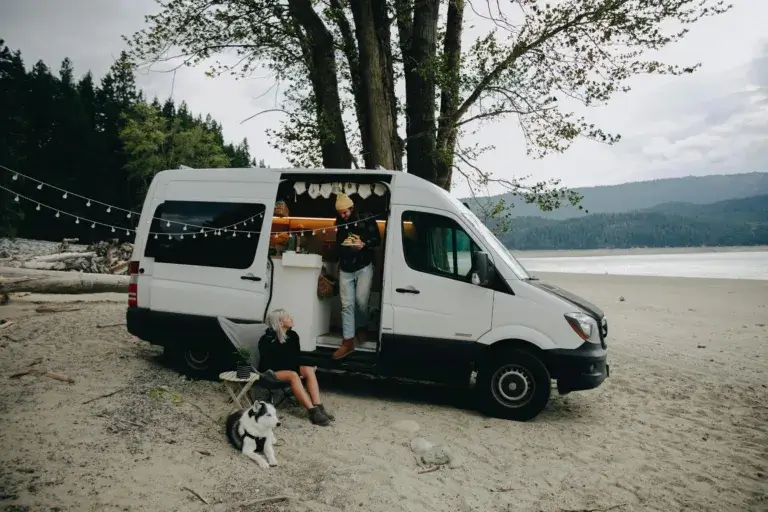
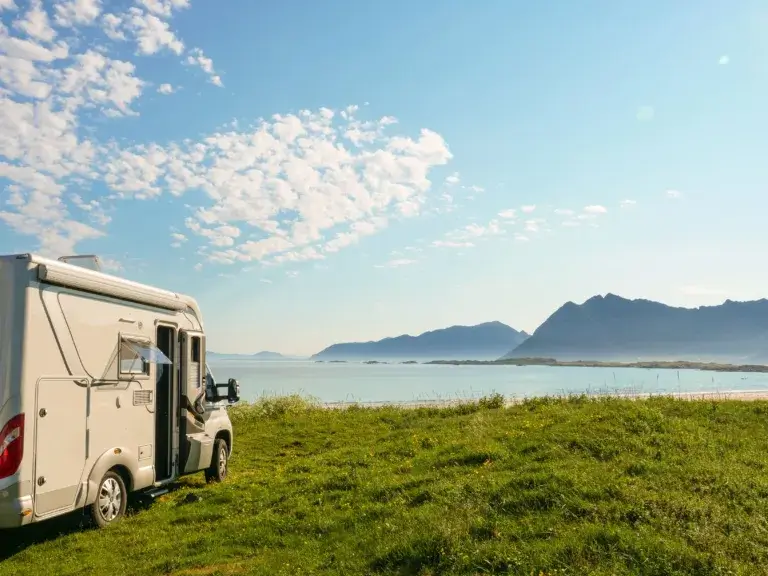
Stick to dispersed camping on BLM or national forest land where RV camping is free (no hookups, of course). Use apps like iOverlander and FreeCampsites.net to find legal boondocking spots.
Limit generator use to save fuel, carry your own water, and cook your own meals instead of eating out. The rig itself is the big expense; if you plan well, the nightly camping cost can be zero.
Any tips for solo camping cheaply while still feeling safe and prepared?
Choose established campgrounds with other campers nearby for your first solo trips. Tell someone your plans and expected return date.
A basic first aid kit, a charged phone with offline maps, and a headlamp are non-negotiable. Solo camping meals can cost under $25 for a full weekend if you plan ahead.
Trust your instincts and pick well-reviewed sites.
Are there any rules-of-thumb like the “2-2-2 rule” or the “200 rule,” and do they actually help?
The “2-2-2 rule” is popular with RV travelers: drive no more than 200 miles per day, arrive by 2 PM, and stay at least 2 nights. It cuts down on driving fatigue and gas costs.
The “200 rule” in dispersed camping means staying at least 200 feet from water and trails. Both are practical guidelines that actually help keep your trip safer and more enjoyable.
How do I use a camping map (or apps) to spot affordable places to camp and avoid surprise fees?
Start with Campendium or FreeCampsites.net. Both let you filter by price, location, and amenities, which saves a lot of time.
Recreation.gov lists most federal campgrounds and shows prices up front. I always check recent user reviews for any hidden fees, like day-use charges or surprise firewood costs.
Before you leave, download offline maps. Cell service near budget-friendly campsites can be spotty or just gone, so you don’t want to get stuck without directions.