
15 Winter Camping Tips For Beginners Who Want To Embrace The Magic Of Cold-Weather Adventures
Winter camping sounds like something only extreme explorers do, but it’s actually one of the most rewarding ways to see the outdoors. Imagine waking up in a quiet, snow-covered forest with a hot cup of coffee. It’s magical. The secret is knowing how to stay warm and choosing the right gear.
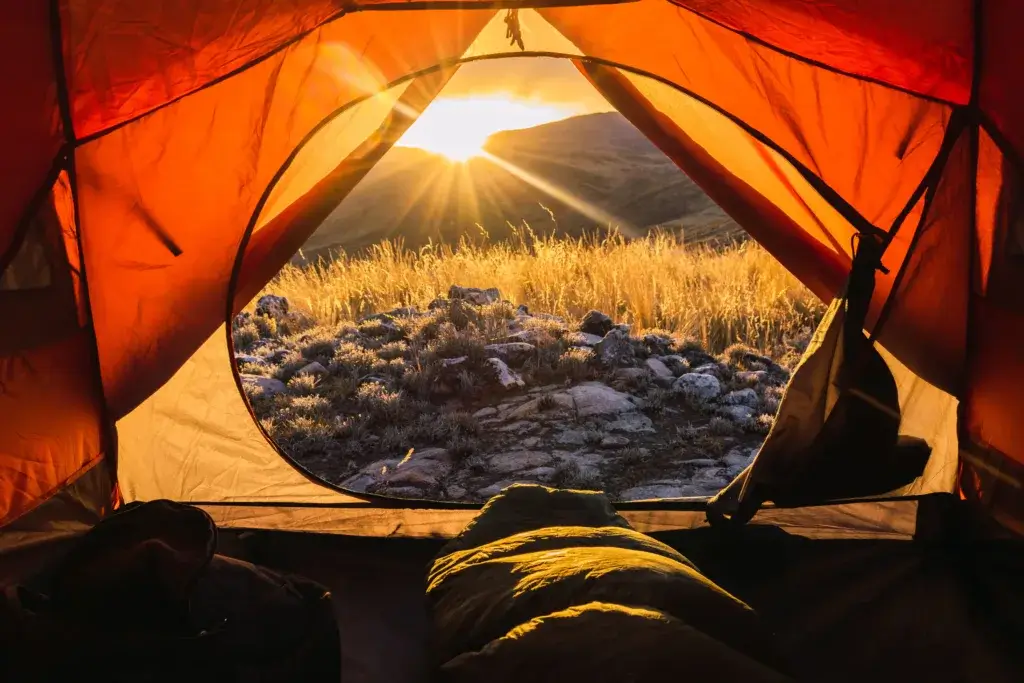
My first trip was a bit scary, but once I learned the basics, I realized winter camping can be even more cozy than a humid summer night. From picking a solid tent to keeping your phone from dying, these winter camping basics will help you trade survival mode for a legit retreat.
1) Get a four-season tent meant for snow and wind
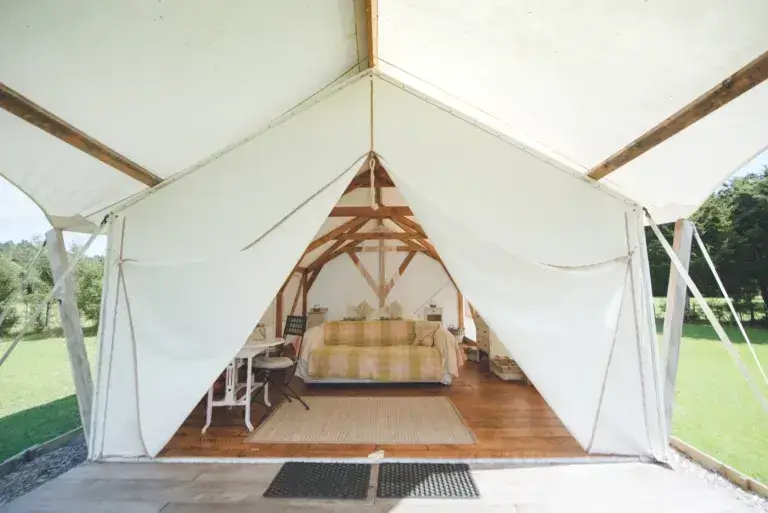
Don’t make my mistake. I used a regular tent once, and it collapsed under six inches of snow at 2 AM. Four-season tentsare built for this – they have stronger poles and fabric that won’t rip in a storm.
The walls are steeper, so the snow slides off instead of piling up. I now use a tent that’s super portable and easy to set up, which is a lifesaver when your fingers are cold.
Look for double-wall construction. It creates a warm air pocket inside and keeps the wind out. It’s worth the extra money for the safety alone.

GEERTOP Lightweight, Double Layer Waterproof, Cold Weather Tent for Camping, Hunting, Hiking, Climbing, Outdoor Travel - Easy Set Up
2) Buy a down sleeping bag rated 10 degrees colder than you expect
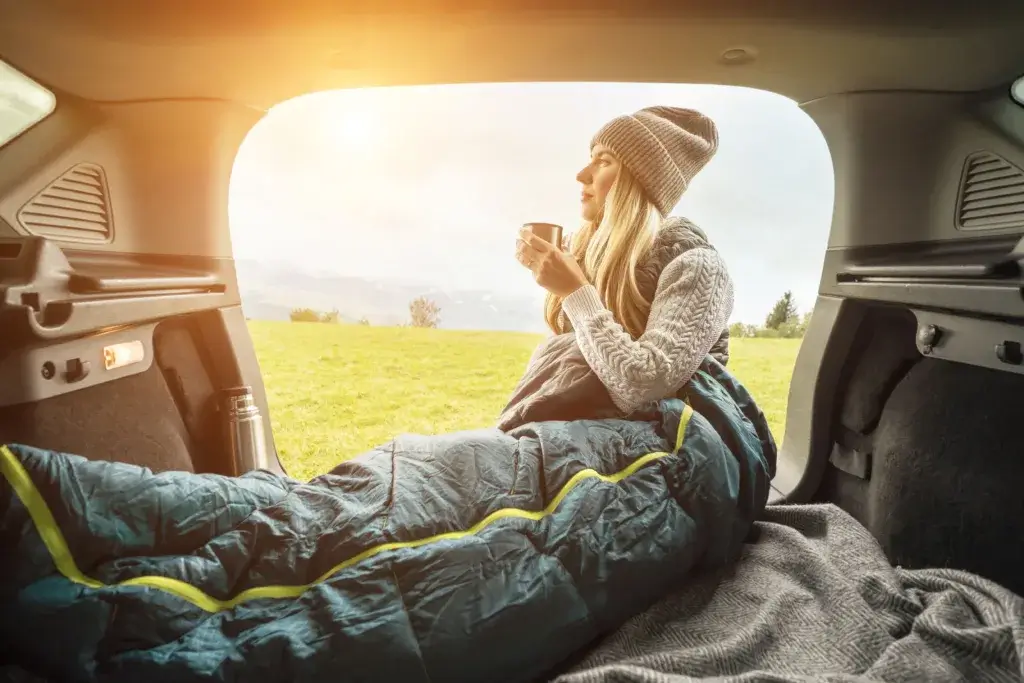
I once brought a 30-degree bag to a 20-degree campsite and spent the whole night shivering. Remember: temp ratings are usually for survival, not comfort.
Pro tip: Buy a bag rated 10 degrees colder than the forecast. If it’s gonna be 20°F, bring a 10°F bag.
Down is the way to go because it’s lighter and warmer. A 10-degree bag is a solid investment. Since it’s your most essential gear, don’t skimp. A good night’s sleep makes all the difference.
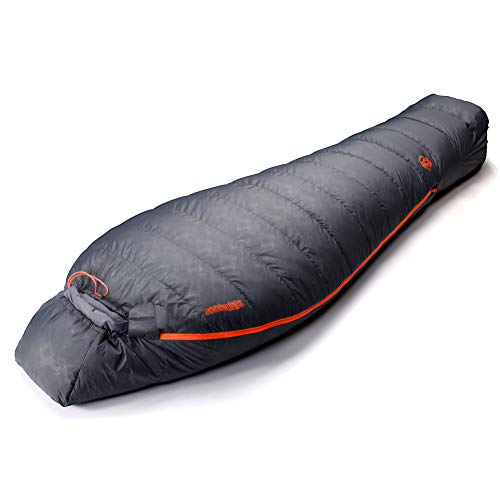
Hydrophobic Down Sleeping Bag for Adults - Lightweight and Compact for Backpacking, Camping, Mountaineering and Other Outdoor Activities
3) Master the three-layer clothing system
The right layering system keeps you dry and warm. Start with a moisture-wicking base layer like merino wool. Avoid cotton like the activations – it stays wet and makes you freeze.
Next, add an insulating mid-layer, like a fleece or down vest. This traps your body heat. Finally, top it with a waterproof shell to block the wind and snow.
This three-layer system is perfect because you can peel layers off when you’re hiking and put them back on when you’re at camp.

4) Practice your tent setup at home first
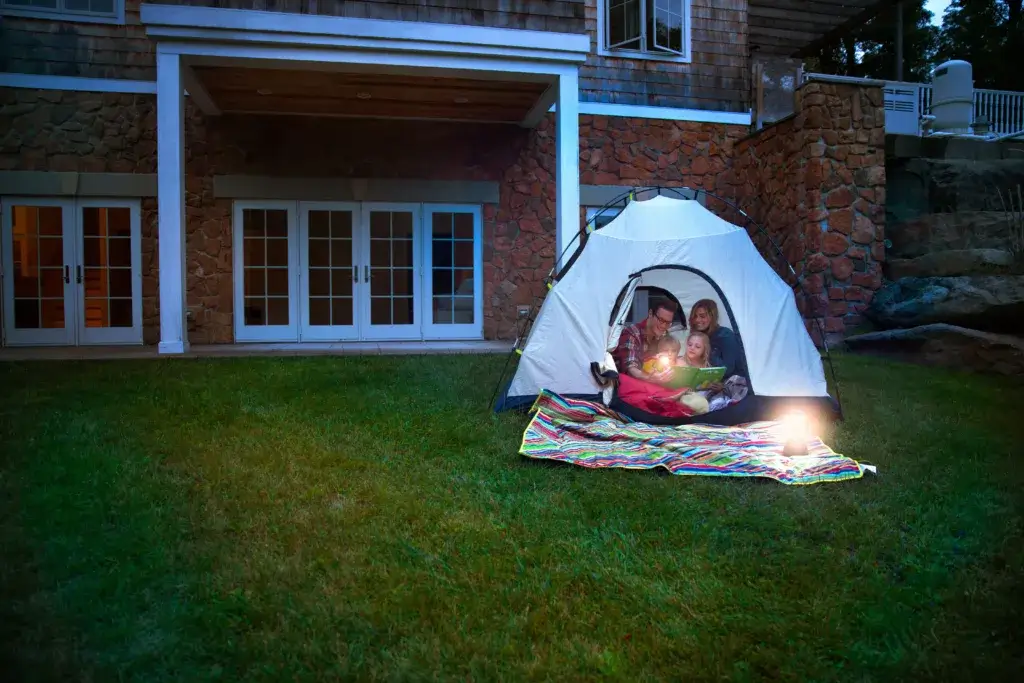
You don’t want to be fumbling with instructions when it’s 20 degrees and the sun is going down. Setting up your tent beforehand helps you build muscle memory for when your fingers feel like frozen sausages.
Try it in your living room. Practice with your gloves on, too. This saved me on a recent trip when I realized my favorite gloves made it impossible to grab the tent clips.
5) Use a sleeping pad with a high R-value
The ground is a heat thief. Even with a warm bag, R-value is what keeps the frozen earth from stealing your body heat.
For winter, you need an R-value of at least 4. A 4-season sleeping pad is non-negotiable if it’s below freezing. Higher R-values mean more warmth.
If you’re cold despite a good bag, your sleeping pad is likely the problem. Invest in a good one to stay cozy.

Gear Doctors - Self Inflating Camping Sleeping Pad for Camping
6) Pack hand warmers – they’re a total game changer
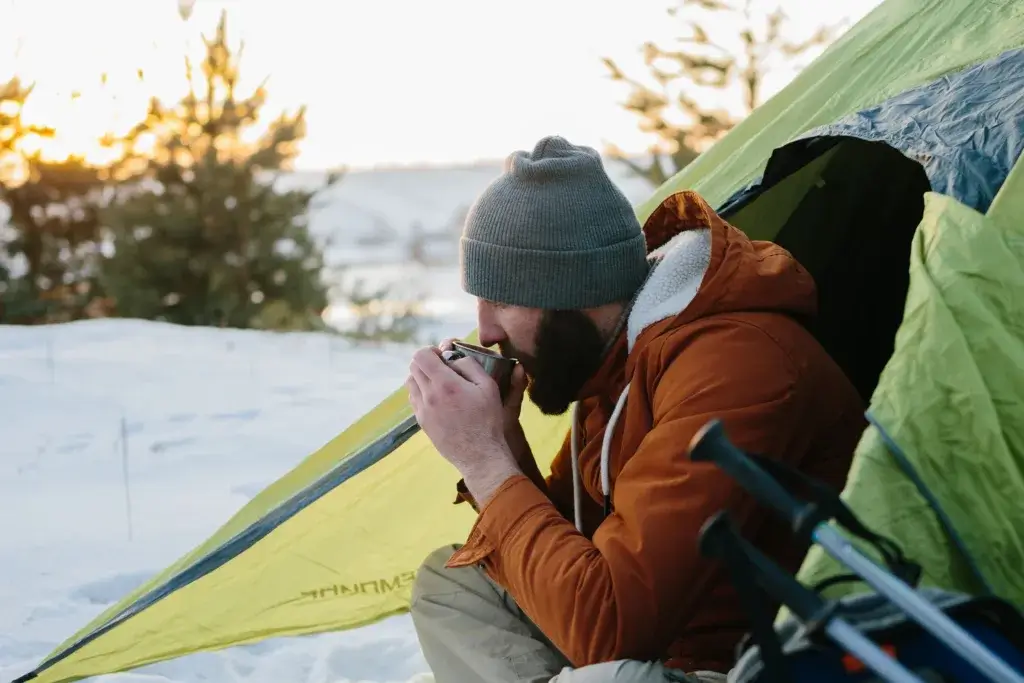
Hand warmers are a tiny luxury that makes a huge difference. Numb fingers aren’t just annoying; they make it hard to do basic things like unzip your tent.
I love rechargeable hand warmers. They’re more efficient than disposable ones and last for hours. Slip them into your gloves or toss them in your sleeping bag to turn a cold night into a cozy one.

7) Load up on calorie-dense snacks
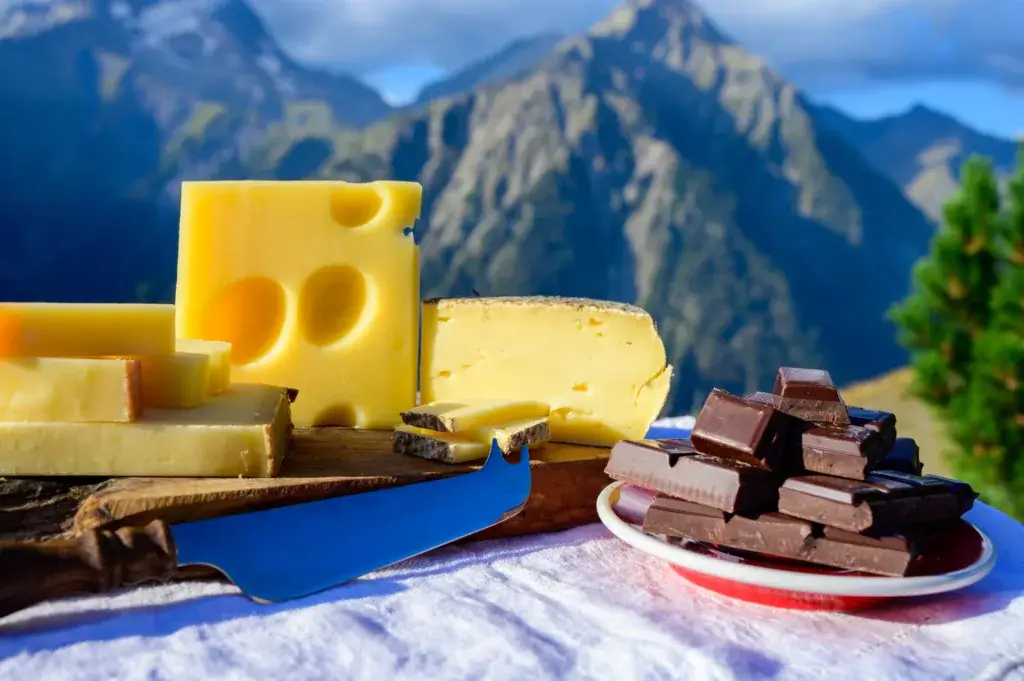
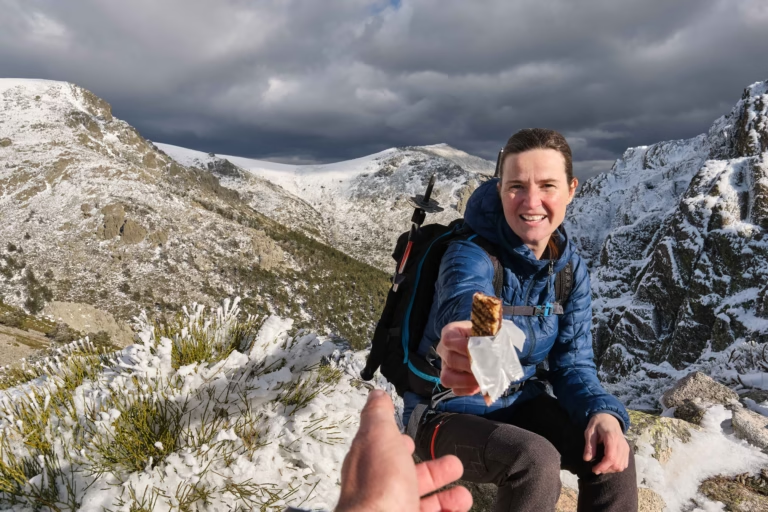
Your body works overtime to stay warm in the cold, so you need fuel. High-calorie foods like nuts, cheese, and dark chocolate are perfect.
These give you steady energy and help you generate heat from the inside out. Pack stuff you can eat with gloves on so you don’t have to expose your skin to the cold air.
8) Seriously, no cotton allowed
I once wore a cotton hoodie and shivered all night. Cotton holds moisture, so if you sweat or get snow on you, it stays damp and chills you fast.
That’s why cotton is risky in winter. Stick to wool or synthetic fabrics. They dry fast and keep you warm even if they get a little damp.

Heavyweight, Midweight, Lite Merino Wool Thermal Underwear For Men Top, Bottom
9) Drink water constantly

You actually lose a lot of water in winter through your breath. Cold air is dry, and your body has to moisten it, which dehydrates you.
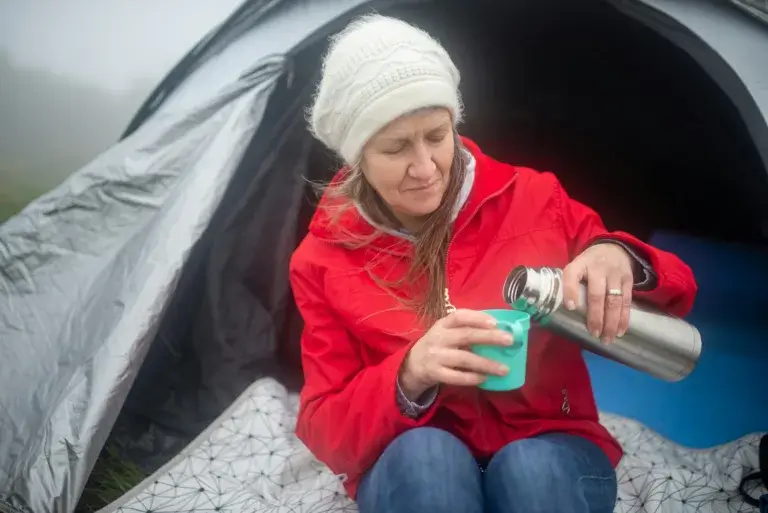
The problem is you don’t feel as thirsty when it’s cold. Set a timer to remind yourself to sip water. Keep your bottle in your sleeping bag at night so it doesn’t freeze!

Insulated Stainless Steel - Wide Mouth Chug Lid, Non Spill, Leakproof in 32 Oz Black
10) Build a snow wall for a windbreak
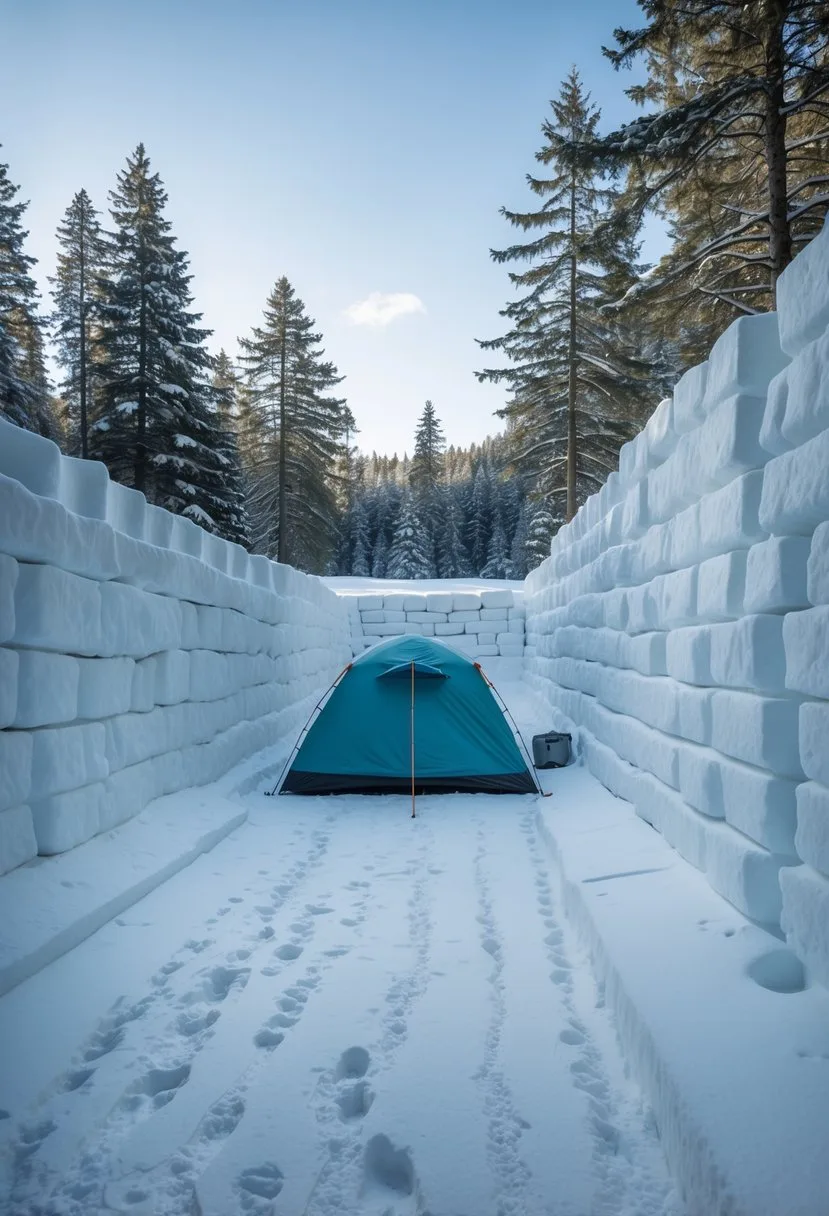
If your spot is windy, snow walls are a lifesaver. They block the gusts and help trap heat around your tent.
Pack the snow down firmly and build it a few feet away from your tent so it doesn’t drift onto your roof. Building a windbreak can make your campsite feel 15 degrees warmer. No joke.
11) Use gaiters and waterproof boots
Wet feet = a miserable trip. Waterproof boots are a must, but gaiters are the real secret. They keep snow from falling into the top of your boots.
They’re essential for keeping your socks dry and your feet warm while you trek through the snow. Your toes will thank you later.
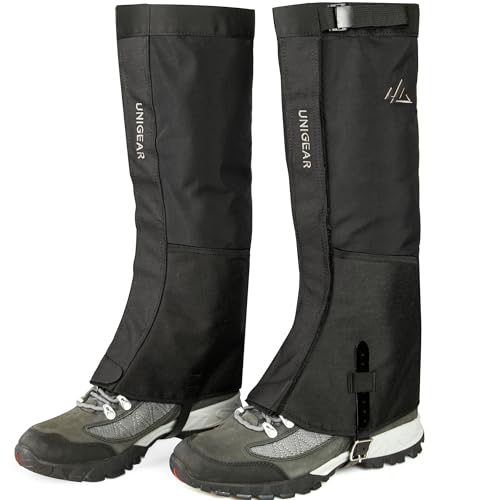
Waterproof Boot Gaiters for Hiking, Walking, Climbing, Hunting, Skiing
12) Sleep with your electronics
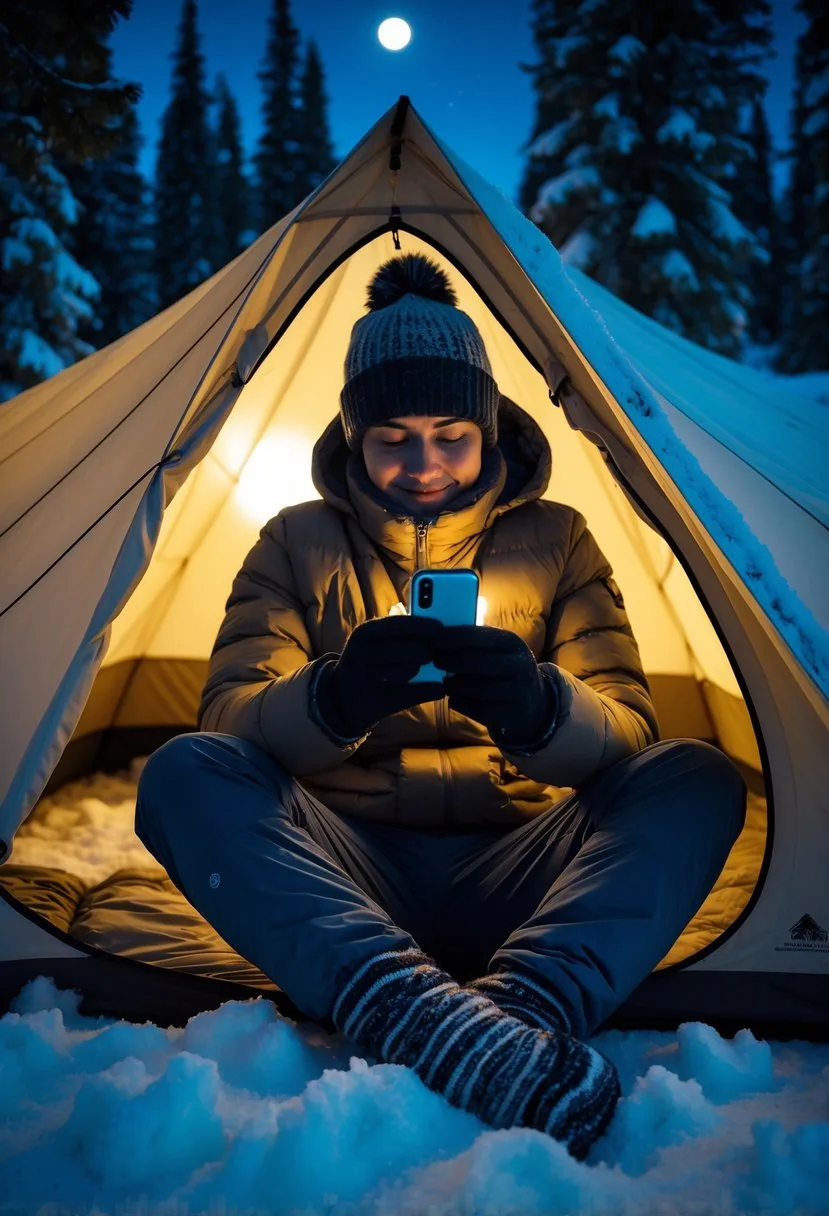
The cold kills batteries fast. To keep your phone alive, tuck it into your sleeping bag with you.
This sleeping bag hack keeps your body heat working for your tech. Just pop them in waterproof bags first so they don’t get damp.
13) Use a stove designed for the cold
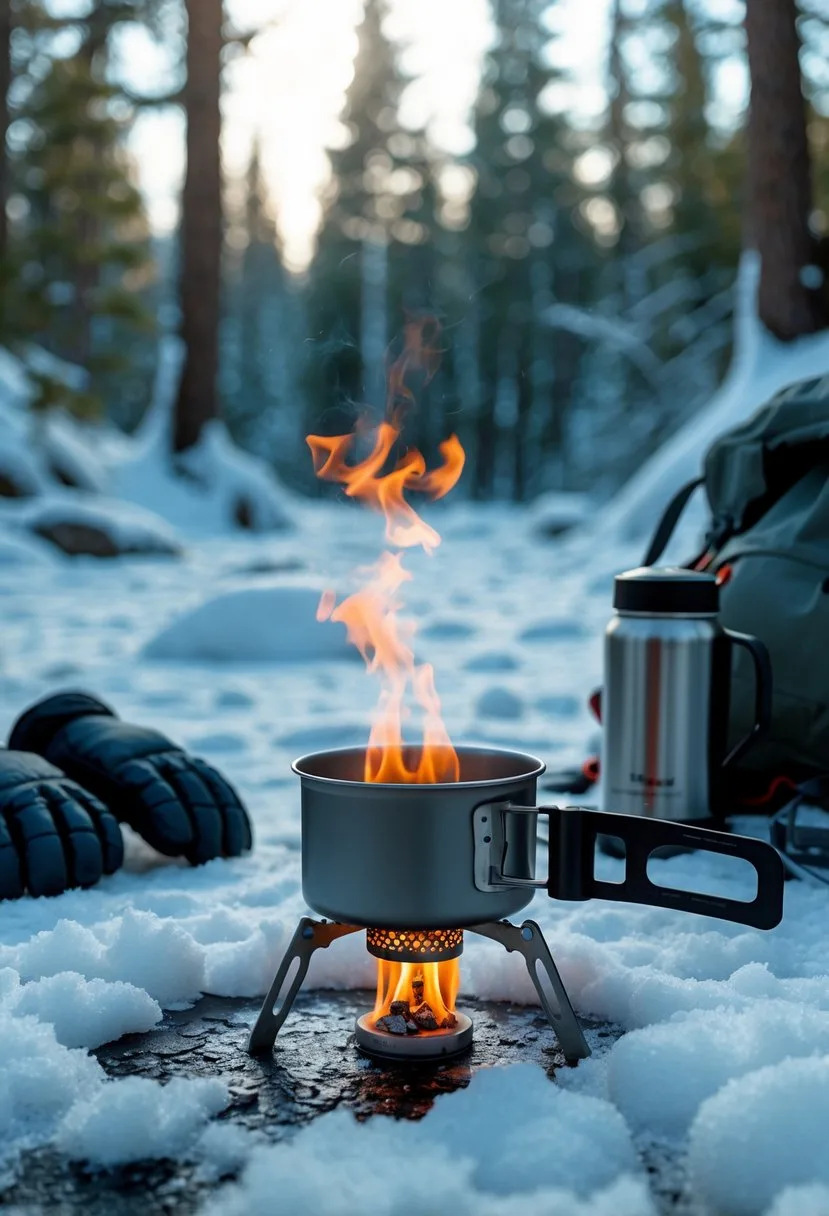
Canister stoves often fail in freezing temps. For a reliable stove, go with something like the MSR WhisperLite.
It runs on liquid fuel, which handles the cold much better. It’s compact and perfect for melting snow for water and cooking warm meals. Always pack extra fuel!

International Compact Multi-fuel Camping and Backpacking Stove
14) Protect your head and neck

Most of your heat escapes through your head. A warm hat is your best defense. I also recommend a balaclava or neck gaiter to block drafts.
A snug balaclava traps heat well, while a neck gaiter is easier to adjust. Just make sure it’s wool or synthetic – no cotton!

Face Mask Neck Warmer for Men & Women
15) Obsess over the forecast and have a backup plan
Weather in the mountains changes fast. Check the forecast early and often. Advanced apps are great for live updates.
But even with a good forecast, have a Plan B. If a storm looks severe, don’t be afraid to postpone. Safety first, always.
Essential Gear Considerations
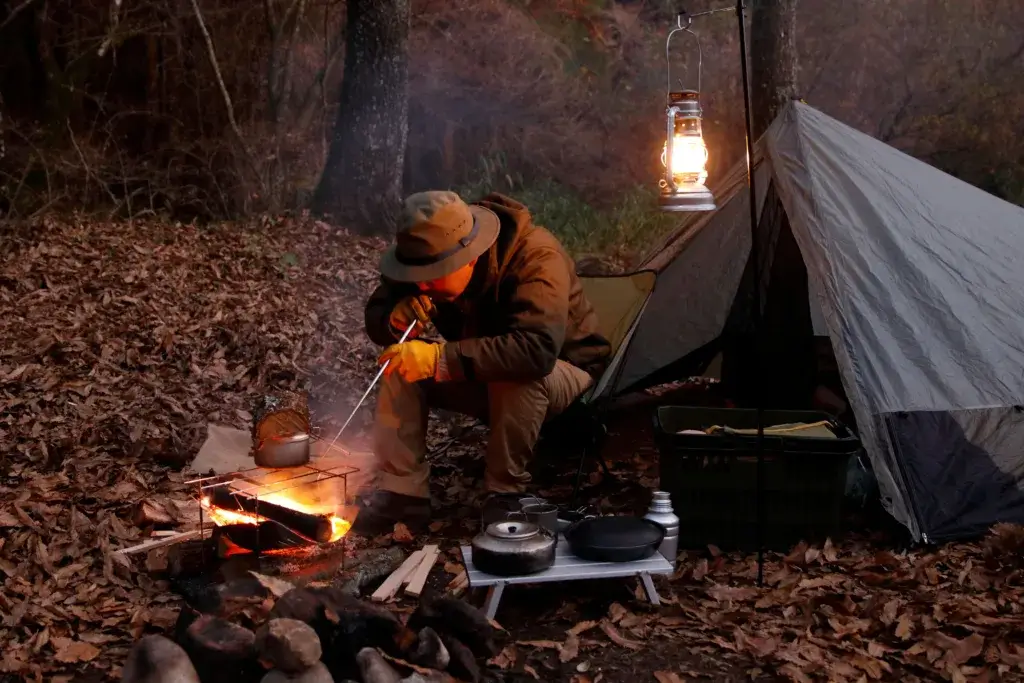
Your gear is your lifeline in the snow. The right setup keeps you warm, blocks the wind, and lets you actually enjoy the scenery instead of just trying to survive it.
Choosing Your Sleeping System
Temp ratings are serious. Pick a bag rated 10-15 degrees below the coldest temp you expect. If it’s 20°F out, you want a 5°F bag.
Insulation is key. Don’t forget your sleeping pad! For a solid winter setup, I often stack a foam pad under an inflatable one for extra protection from the cold ground.
Down vs. Synthetic? Down is lighter and packs small, but synthetic is better if things get wet. Choose based on the forecast.
Insulation Strategies for Tents
Your tent is your winter fortress. The right insulation can mean the difference between a cozy night and pure misery.
Four-season tents handle snow and wind way better than three-season ones. The extra poles and tougher fabric are worth the extra weight when it’s gnarly out.
Footprints and ground barriers add another layer between you and the frozen ground. I never skip the footprint, even if it’s optional.
Internal condensation is a pain in winter. Ventilation feels wrong when it’s freezing, but I always crack a vent to keep moisture from building up.
Here are a few tent insulation tricks I swear by:
- Pack snow around the tent base for wind protection
- Use a small tarp as an extra vestibule
- Hang reflective emergency blankets inside for radiant heat
- Keep wet gear in the vestibule, not inside
Dead air space insulates best. Lots of thin layers beat one thick one, whether it’s tent walls or clothing.
Tent Insulation Hacks
Use a 4-season tent. It’s built for heavy snow and wind. Footprints are also great for adding a barrier between you and the frozen earth.
Ventilation matters. It sounds weird, but crack a vent. This prevents moisture buildup inside, which can make you feel colder.
Smart Layering
Base layers: Use merino wool or synthetic. Insulation: Down jackets are perfect for camp. Shell: A breathable waterproof jacket is a must.
| Layer Type | Best Materials | When to Wear |
|---|---|---|
| Base | Merino wool, synthetic | Next to skin |
| Insulation | Down, synthetic fill | When stationary |
| Shell | Gore-Tex or similar | Wind/Rain/Snow |
Essential gear includes backups. Always bring extra socks and gloves just in case.
Staying Comfortable and Safe in the Cold
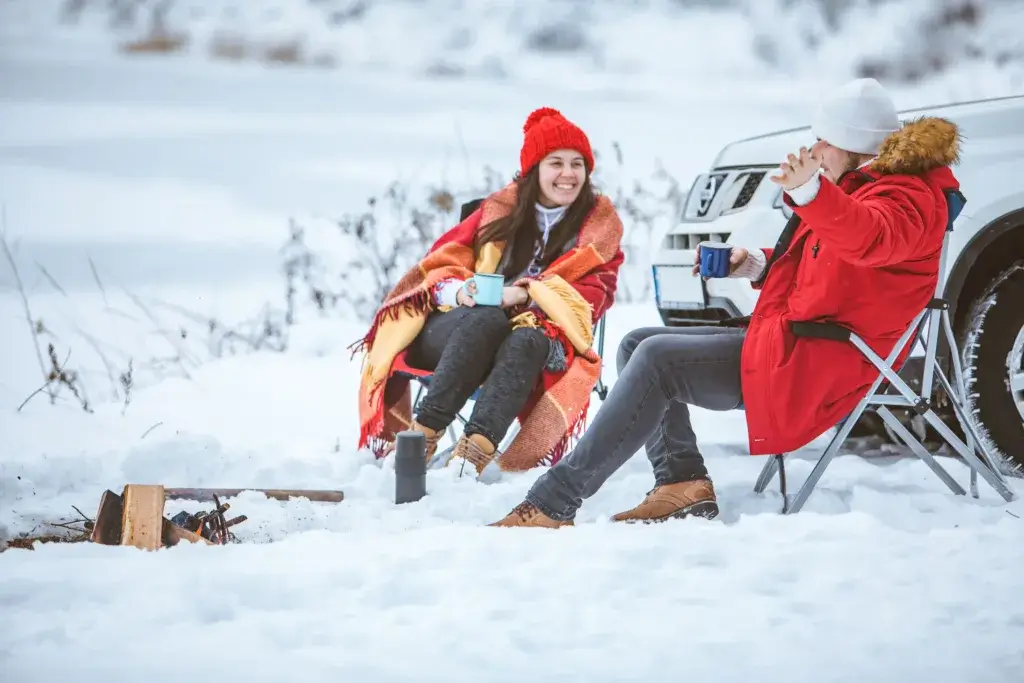
Success comes down to three things: warm food, constant hydration, and a positive mindset. These keep you going when the sun goes down and the temps drop.
Easy Campfire Cooking
One-pot meals are the best. Chili, stew, or soup are easy to make and stay warm. Hot drinks like cocoa or tea are also lifesavers. Pro tip: warm up your stove before you use it so it lights faster.
Stay Hydrated and Fed
Listen to your body. Drink water even if you aren’t thirsty, and keep your bottles in your sleeping bag at night. Your body burns way more calories in the cold, so snack often.
| Food Type | Examples | Why It Works |
|---|---|---|
| Fats | Nuts, cheese | Slow energy |
| Carbs | Granola, fruit | Quick boost |
| Protein | Jerky, fish | Recovery |
Keep Your Spirits Up
Light is life. Bring extra headlamp batteries and a lantern to make your tent feel cozy. Stay active. Explore or build stuff during the day to stay warm and tired for a better night’s sleep.
Frequently Asked Questions
What’s on the must-have checklist?
A 4-season tent, a warm bag, and a high R-value pad are the big three. Don’t forget winter essentials like extra batteries and a small snow shovel.
How do I keep my tent warm?
Pick a sheltered spot and pack the snow down. Use a hot water bottle in your bag for extra heat, but never use a stove or heater inside your tent due to carbon monoxide risks.
Is there a “too cold” for beginners?
I suggest starting when it’s no lower than 20°F. It gives you room to learn without high stakes. Once you’re experienced, you can push the limits safely!
What about stove-compatible tents?
Look for a tent with a stove jack if you want a wood stove. Shelter tips always remind us: ventilation is still key, even with a heater!