
Winter Camping With Dogs: The Ultimate Guide for Cozy Adventures
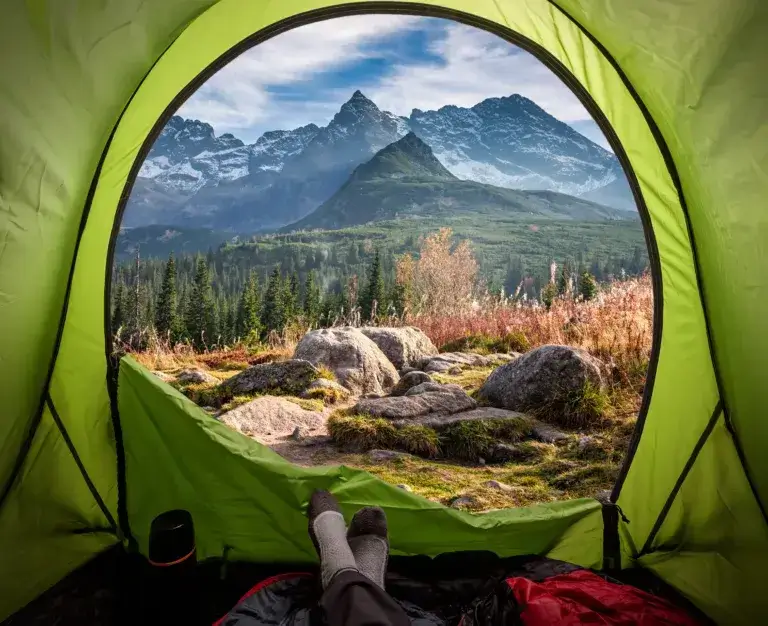
Winter camping is a quiet break from the chaos of everyday life. Bringing your dog along? For me, that just makes it better.
I’ve spent plenty of freezing nights under the stars with my own pup. If I’ve learned anything, it’s that a good trip comes down to being prepared.
Protecting your dog from the cold is non-negotiable – get the right gear, keep them moving and well-fed, and always watch for signs they’re not handling it well.

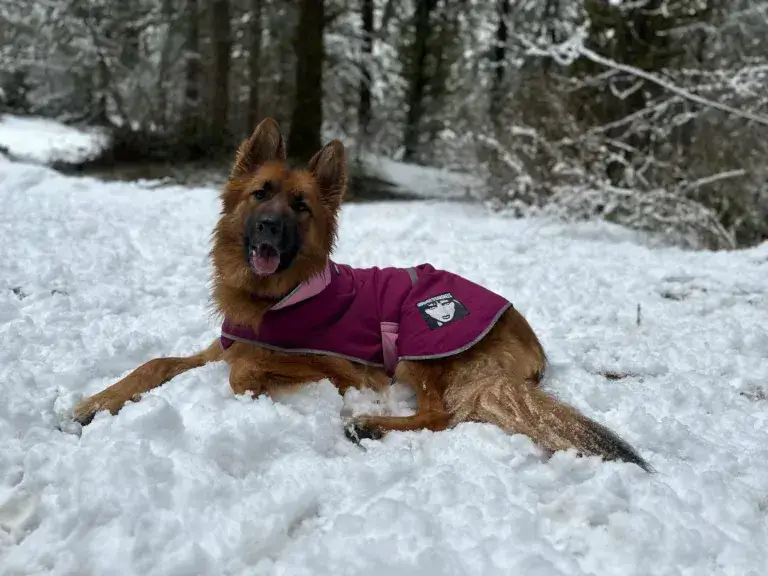
Most dogs need some extra help when the temperature drops, even those with thick coats. A solid coat or jacket is a must for most breeds, and don’t skip the booties – snow and ice are tough on paws.
I always bring a thick blanket or sleeping bag for my dog to curl up in at night. It makes a huge difference.
Keep your dog moving with hikes and games; it keeps them warm and happy
Winter camping with dogs means you’ll need real gear – think insulated jackets, booties, and warm blankets
Dogs burn more calories in the cold, so pack protein-rich food, make sure they’ve got water, and watch for cold stress or frostbite
Is Winter Camping Right For Your Dog?

Let’s be real – not every dog is meant for cold weather camping. Some breeds love it, others just aren’t built for it.
Cold-Friendly Dog Breeds
Some dogs are basically made for winter. Breeds adapted to cold weather have thick coats and bodies that handle the chill.
Alaskan Malamutes and Siberian Huskies? They’re in their element. Their double coats insulate them, and their bodies just seem to run warmer.
Alaskan Huskies are another top pick. They’re working dogs, and they seem to prefer cold over heat.
Other breeds that do well in the cold:
- Newfoundlands – Thick, water-resistant coats
- Saint Bernards – Big bodies, thick fur
- Bernese Mountain Dogs – Double coats, made for the Alps
- Norwegian Elkhounds – Dense fur for harsh winters
- Samoyeds – That fluffy white fur is no joke
Even these breeds sometimes need booties on icy ground or an extra coat at night, especially on longer trips.
Breeds Needing Extra Care in the Cold
Some dogs just aren’t built for winter, and that’s okay. Small breeds and those with short coats struggle when it gets cold.
Chihuahuas? They’re adorable, but they get cold fast and have almost no insulation. Greyhounds have it rough, too – their thin coats and lean bodies don’t help.
Breeds not made for the cold can handle 45°F to 60°F with supervision, but once you’re down near freezing, it gets risky.
Short-legged dogs also lose heat quickly since their bellies are so close to the snow. Deep powder makes things worse.
If you do take these breeds camping in winter, you’ll need insulated jackets, booties, and to keep a close eye on them. Sometimes it’s just not worth the risk.
Assessing Your Dog’s Cold Tolerance
Breed matters, but so do age, health, and experience. Puppies and seniors have a harder time staying warm, even if they’re a winter breed.
Dogs with a little extra body fat have more insulation. Health issues like arthritis, heart problems, or thyroid stuff make winter even tougher.
I always do a few cold-weather walks before a big trip. Watch your dog – are they excited, or do they start shivering and want to go home?
Some red flags to look for:
- Too much shivering (not just a quick shake-off)
- Lifting their paws a lot (cold feet hurt!)
- Trying to turn back or stop
- Whining or looking anxious
Past experience helps too. A German Shepherd who’s never seen snow needs more time to adjust than one who’s grown up in it.
Understanding Limitations and Safety
If you’re not sure your dog can handle the cold, don’t risk it. Better to leave them home than push them too far.
Even tough dogs can get hypothermia or frostbite. I’ve seen it happen to sled dogs, so it can happen to any dog.
Your dog can’t say when they’re dangerously cold. That’s on you to notice and act.
Think about your trip – car camping with a heated RV is way different than backpacking into deep snow. Pick something that matches your dog’s real abilities, not just what you wish they could do.
Don’t let the adventure outweigh their safety. I’d rather leave my dog with a friend than risk their health just to have them along.
Essential Winter Gear For Your Pup

Your dog needs the right winter gear to stay safe and comfy. The right coat, paw protection, sleeping setup, and a few smart extras can turn a rough trip into a great one.
Choosing the Right Dog Coat
Not every dog coat works for winter camping. I’ve wasted money on cute ones that didn’t keep my dog warm.
You want something insulated and waterproof. Make sure it covers their back, chest, and belly – those spots lose heat fastest.
It should fit snug but not tight. Adjustable straps help, especially if your dog likes to run around in the snow.
Reflective strips are nice for those early mornings or late nights. For small or thin-furred dogs, go for extra insulation. Big, fluffy breeds might only need a lightweight layer that keeps them dry.

Keep your furry friend comfortable and stylish with the Hurtta Expedition Parka. Perfect for chilly adventures, this winter dog coat offers adjustable fit options, reflective safety features, and is specifically designed to accommodate the active movements of your pet. Ideal for short-haired dogs in cold weather, this parka ensures both warmth and mobility.
Dog Booties Versus Paw Wax
This argument comes up every year, and honestly, I use both. Dog booties keep paws safe from frostbite and sharp ice.
Booties block snow from packing between toes and protect against salt or chemicals. Downside? Some dogs hate them and need time to get used to the feeling.
Paw wax is lighter, and most dogs tolerate it better. I put it on before we head out – it helps stop snow from clumping, but it won’t protect against cuts.
I pack both. Paw wax for quick walks, booties for long hikes or rough terrain. If your dog refuses boots, good paw wax is a must.

Protect your dog's paws with Musher's Secret Dog Paw Wax. This natural balm, enriched with Vitamin E, shields paws from hot pavement, ice, and salt while moisturizing cracked pads. Safe for licking, it's a non-toxic way to keep your pet's paws healthy year-round.
Dog Sleeping Bags and Beds
Getting your dog off the cold ground is a game-changer. I never skip the insulated sleeping pad – ground chill is real.
Dog sleeping bags trap heat. They’re shaped so dogs can curl up and stay covered. They’re not just mini versions of ours.
I layer a foam mat or insulated bed under the bag for extra warmth. This combo keeps my pup comfortable, even when the temperature drops hard. Lots of campers on Reddit swear by special sleeping bags and floor mats for winter trips.
Fleece blankets are great if your dog likes to burrow. I bring one as an extra layer inside the sleeping bag.

Keep your dog cozy on outdoor adventures with the Ruffwear Highlands Dog Sleeping Bag. This water-resistant, portable bed is designed for easy use and maximum comfort, making it ideal for camping trips and chilly outdoor excursions. Give your furry friend a warm, comfortable spot to rest in any environment.
Packing the Extras: Backpacks, Collars, and Tents
There are a few more things I always bring. A dog backpack lets your pup carry some of their water or snacks – a lifesaver on longer hikes. Just make sure it fits and doesn’t rub anywhere.
Your regular collar works, but I clip on a light or reflective tag since winter days are so short. A strong leash is important, especially if it’s icy.
Some people buy dog tents, but I just share mine. Our combined body heat keeps us warmer anyway. Just make sure your tent has enough space for both of you.
Collapsible bowls are handy for water and food. I always pack a couple because, somehow, one always disappears in the snow.
Building A Dog-Friendly Winter Campsite

Planning your campsite makes all the difference for you and your dog. The right spot, good shelter, and a little prep go a long way toward a cozy winter adventure with your furry best friend.
Picking the Perfect Dog-Friendly Campsite
First thing I do? I check if dogs are actually allowed before I get my hopes up about a spot. Some parks have rules that can be surprisingly strict about where pups can go.
I search for places with natural wind protection, like thick tree lines or big rocks. Those natural barriers really change how cold it feels out there.
I stay away from open fields or exposed ridges where the wind just blasts us from every direction. The ground matters too, more than you’d think.
Areas with packed snow are my go-to. My dog can walk around without getting exhausted, and we’re less likely to sink or slide at night.
I avoid slopes for obvious reasons – nobody wants to wake up sliding downhill at 3 AM. Access is another big deal for me.
I like campsites that aren’t too far off the beaten path in case we need a quick exit for vet care. Being near trails is also a lifesaver for those middle-of-the-night bathroom runs.
Setting Up a Cozy Dog Sleeping Area
I never let my dog sleep straight on snow or frozen ground. That cold just zaps the warmth right out of them.
I always bring an insulated sleeping pad made for dogs. I tuck it inside my tent, away from the door where cold air sneaks in.
Some folks use a dog tent, but honestly, I like keeping my buddy close so I can check on him. Here’s what my dog’s sleeping setup looks like:
- Waterproof ground tarp
- Insulated sleeping pad
- Dog sleeping bag or blanket
- Extra blanket for backup
I set up his sleeping area right next to mine. Our body heat together keeps things warmer inside the tent.
If it gets really cold, I let my dog sleep in his bag right up against mine. Throughout the evening, I check his spot for cold patches.
Sometimes the snow melts from our body heat and then refreezes, making it uncomfortable, so I keep an eye on that.
Using Wind and Snow for Shelter
Snow’s actually awesome for insulation if you use it right. I like to build a small snow wall on the windward side of the tent to block the gusts.
I pile snow about two feet high around the tent base. It acts as a barrier to keep cold air from sneaking underneath.
I always leave the door area clear so we can get in and out without tripping over a snowbank. If I’m at a dog-friendly site with trees, I camp near evergreens.
Their branches catch snow and give us some overhead coverage, plus they block wind from more than one direction. I never build snow walls right up against the tent fabric.
Snow needs a little space to settle, and I definitely don’t want it pressing on the tent sides. Six inches of space is my rule of thumb.
Keeping Water from Freezing
Water bowls freeze ridiculously fast in winter. I bring an insulated bottle and pour fresh water for my dog a few times a day.
At night, I keep the bottle inside my jacket or sleeping bag. Body heat keeps it from turning into a block of ice.
By morning, I’ve got liquid water for my thirsty pup. Here’s how I manage water:
- Add warm water to meals to help with hydration
- Offer water every few hours
- Store bottles upside down (since water freezes from the top)
- Keep backup bottles inside the tent
I set my dog’s water bowl on an insulated pad instead of the snow. It slows down freezing a bit.
I use stainless steel bowls over plastic – they’re way easier to get ice out of if things do freeze up.
Feeding, Hydration, and Nutrition In Chilly Weather

Your dog burns a lot more calories in cold weather just to stay warm. Staying hydrated gets tricky, too, since water bowls freeze and snow isn’t a great substitute.
Energy Needs and Food Choices
I’ve realized my dog needs way more calories on winter trips than I expected. Dogs need extra food in the cold because their bodies work overtime to keep warm.
Active dogs outdoors might need 20-50% more food than usual. I always pack extra food and high-protein snacks just in case.
The best winter dog food is high in protein and healthy fats. I look for real meat as the first ingredient and omega-3s for energy.
Performance formulas are great for camping since they’re made for active dogs. If my dog seems hungrier or low on energy, I bump up his portions.
I also bring calorie-dense treats like freeze-dried meat or peanut butter to supplement meals.
Meal Timing and Snacks
Instead of the usual two big meals, I feed my dog smaller meals more often during winter camping. It helps keep his energy steady all day.
For the trail, I pack portable snacks:
- Freeze-dried meat treats
- High-fat training treats
- Peanut butter packets
- Cheese cubes
Feeding him right before bed gives him extra fuel to stay warm overnight.
Water Intake and Dehydration Risks
Keeping my dog hydrated in winter is harder than I thought. Dogs don’t feel as thirsty in the cold, but they still lose moisture from panting and dry air.
I make sure there’s always fresh water around and use an insulated bowl to slow down freezing. Adding warm water helps encourage him to drink more.
Don’t let your dog rely on snow for water. It takes energy to melt and doesn’t hydrate them enough. I started mixing wet food into his meals during winter trips to boost his water intake.
I watch for signs of dehydration – dry gums, acting tired, or not peeing much. Bringing extra water is a must for me every time.
Health & Safety For Dogs in Cold Conditions

Keeping dogs safe in winter means watching for cold-related problems and protecting their most vulnerable spots. Dogs can develop hypothermia fast, and their paws take a real beating from ice and salt.
Preventing and Spotting Hypothermia
Hypothermia in dogs happens when their body temp drops too low. I keep an eye out for warning signs like shivering, acting tired, or whimpering.
If it gets worse, my dog might have a weak pulse, dilated pupils, or trouble breathing. I do what I can to keep his body temperature steady – insulated pads, extra blankets, and more food during cold spells all help.
Signs of hypothermia I watch for:
- Shivering or trembling
- Weakness or sluggishness
- Shallow breathing
- Confusion or stumbling
- Cold ears and paws
If I spot any of these, I get my dog warm right away. Dry blankets, lukewarm water, and if he’s not better fast, we’re off to the vet.
Paw Protection Strategies
Protecting paws in winter is non-negotiable. Ice, snow, sharp frozen ground, and salt can all mess up their pads.
I use dog boots to keep paws dry, warm, and safe from sharp stuff and chemicals. They need to fit snug but not cut off circulation.
When boots aren’t an option, I go with paw balm before and after walks. It creates a barrier against salt and cold.
I also check my dog’s paws often for cuts, ice between toes, or frostbite (look for pale or gray skin).
First Aid Tips for Winter Hazards
I always bring a basic first aid kit when we camp in winter. Mine has gauze, bandages, tweezers for ice or debris, and a thermometer.
For minor paw injuries, I clean the wound with warm water and use antibiotic ointment. If there’s frostbite on ears, tail, or paws, I warm the area slowly with lukewarm water – never hot or direct heat.
I keep emergency vet info handy since cold weather can make health issues worse (like arthritis). If my dog has trouble breathing, is super lethargic, or shivers uncontrollably, I pack up and head for help, no hesitation.
Fun Activities and Making the Most of Your Winter Trip
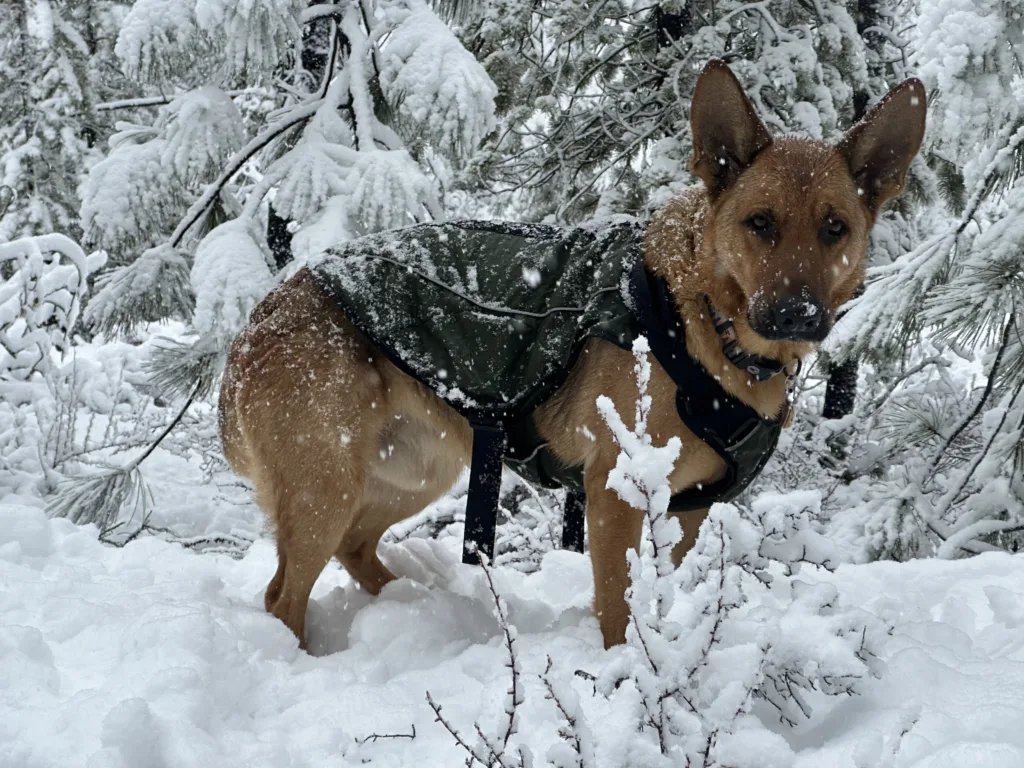
Winter camping opens up a whole world of snowy adventures with your pup. From games in the powder to cozy moments by the fire, cold-weather camping gives you tons of ways to bond and soak up nature’s winter magic.
Active Games and Winter Walks
I like to start my winter camping mornings with a walk in fresh snow. The crisp air wakes us up, and my dog gets to sniff out all the frosty scents.
Short walks are best when it’s freezing – usually 15 or 20 minutes. Playing fetch in the snow is always a win.
I bring bright toys so we don’t lose them in the white stuff. Hide-and-seek with treats or toys in shallow snow is another favorite.
Snowshoeing with your dog is a blast. My pup loves bounding through the snow while I break trail. Just keep an eye out for signs your dog’s getting cold – like lifting paws or shivering.
I usually pack a frisbee or ball for quick games around camp. These little play sessions keep everyone happy and help burn off energy during downtime.
Keeping Your Dog Entertained
Downtime at camp needs a little planning too. I usually bring puzzle toys stuffed with treats to keep my dog busy while I set up the tent or cook.
Frozen peanut butter in a Kong toy works especially well in cold weather. My dog stays occupied and happy, and I get a few minutes to myself.
Chew toys are essential for camping trips. I always grab durable rubber ones that can handle freezing temps – no one wants a cracked toy in the snow.
During quiet evenings, these toys give my dog something to focus on. It’s a win for both of us when things settle down.
Teaching new tricks by the campfire is a favorite. The calm setting actually helps my dog focus, and I’ve had pretty good luck working on commands like “paw” or “spin” while we relax.
Sometimes I let my dog help with simple camp chores. Carrying their own pack with water bowls or toys gives them a job, and they seem to love feeling included in the adventure.
Exploring With Sled Dogs
If you’re camping near sled dog operations, you’re in for a treat. Watching those athletes work is pretty wide – huskies and malamutes in their element, doing what they’re built for.
Some places let you meet the sled dogs after their runs. It’s a cool way to learn about cold-weather breeds and pick up tips from mushers on keeping dogs comfy in the cold.
I’ve tried beginner sledding lessons at a couple of winter camping spots. Seeing how working dogs thrive in snow and ice taught me a lot about proper gear and winter dog care.
Even if there’s no sledding, just watching how different breeds handle the cold helps me understand my own dog’s limits. Some dogs dive into the snow, while others would rather keep it short and sweet outside.
Creating Lasting Memories
I always bring my camera or phone to grab some memories. Photos of my dog playing in the snow or curled up by the tent end up being some of my favorites.
Early morning and golden hour light make for gorgeous winter shots. I never regret snapping a few extra.
Sometimes I make a small winter camping journal. I jot down funny things my dog did, new trails we explored, or handy tips I picked up along the way.
Building a little snowman or snow fort with my dog nearby makes for some adorable photos. My dog’s always curious about whatever I’m building in the snow.
Evening campfire time with my dog snuggled in their sleeping bag next to me – those are the moments I look forward to most. The quiet of winter nights and that feeling of closeness make every trip worth it.
Tips for Returning Home and Post-Camping Care
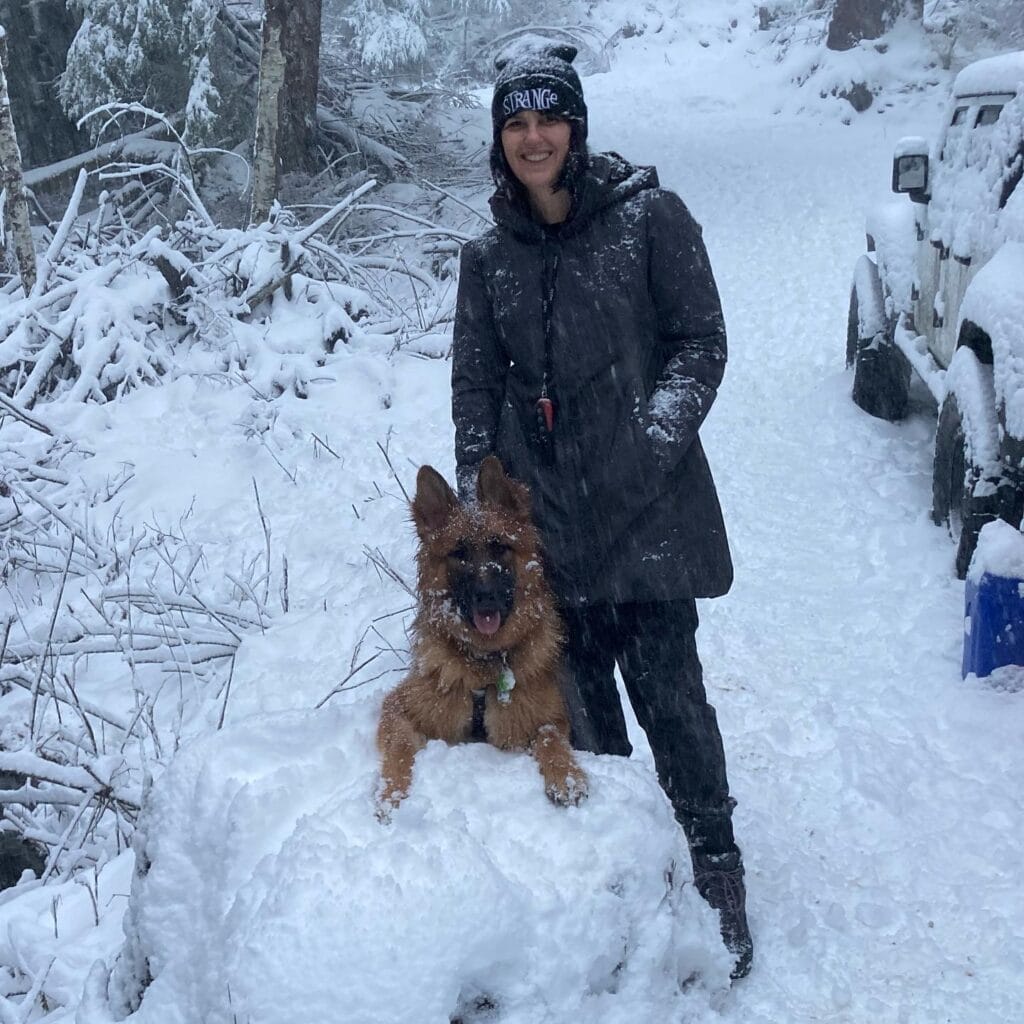
After a winter camping trip, your dog needs some TLC to bounce back from the cold. I always check my pup for injuries, get them cleaned up, and help them settle back into indoor life.
Checking for Cold-Related Injuries
First thing I do when we get home? I check my dog’s paws. I look between their toes for cuts, cracks, or frostbite – pale or gray skin is a red flag.
Road salt can burn, so I check for redness or raw spots too. Then I run my hands over their body to feel for sore spots or anything weird.
Cold weather can hide injuries because dogs don’t always show pain when they’re hyped up. I pay extra attention to their ears and tail tip since those spots are most likely to get frostbite.
I keep an eye out for signs of hypothermia, even after we’re back. If my dog seems lethargic, keeps shivering, or acts off, I call the vet. I bundle them up with blankets and keep a close watch for at least 24 hours after winter camping.
Cleaning Up After the Adventure
I give my dog a good brushing before we even go inside. It gets rid of loose fur, ice balls, and random debris before it ends up all over the house.
Next up is a warm bath, but nothing too hot – don’t want to shock their system. I use a moisturizing dog shampoo because winter dries out their skin.
I pay extra attention to their paws, making sure to clean between the pads to get rid of any salt or chemicals. After the bath, I dry them off completely with towels.
Damp fur in winter is a recipe for chills or skin issues. I also wash all their gear – blankets, coats, sleeping pads – so we’re ready for next time.
Returning to Home Comforts
My dog usually crashes hard after a camping trip. I let them rest as much as they want and set up their bed in a warm spot away from drafts.
Extra blankets help them stay cozy while they recover. I keep an eye on their appetite and water for the first day or two.
Some dogs eat less after a big adventure, but they should still drink water. If my dog’s not eating much, I offer smaller, more frequent meals.
I keep things low-key indoors for at least a day. Short walks are fine, but I skip the dog park or rough play until they’re fully back to normal. Their body needs a little time to bounce back after winter camping.
Frequently Asked Questions

Winter camping with your dog brings up a lot of questions. From keeping them warm enough at night to figuring out which temps are just too cold, there’s a lot to think about.
The right gear and safe travel make all the difference between a tail-wagging adventure and a miserable trip home. Here’s what I’ve learned along the way.
How do I make sure my pup stays toasty during our chilly outdoor adventure?
I always start by putting my dog in an insulated jacket that traps heat. This is huge for those freezing nights.
For sleeping, I use an insulated pad under my dog’s bed. It keeps them off the cold ground, which can suck away body heat fast.
Dog boots protect paws from ice and snow and give some insulation and grip. I pack extra blankets or a fleece-lined sweater for layering if it gets really cold.
A sheltered spot out of the wind is key. I make sure my dog always has a cozy, dry place to retreat when they need a break from the elements.
What are some dog-friendly winter camping spots where we can build snow-paws together?
Lots of national parks in the US have camping spots and trails just for pet owners. I always check the National Park Service website before heading out.
When picking a campsite, I look for well-maintained paths and places that welcome dogs. I don’t want to slog through deep snow for miles just to set up camp.
I search for campgrounds with pet-friendly perks like waste stations and water fountains. Some even have off-leash areas, which my dog absolutely loves.
State parks and national forests often allow dogs for winter camping. I always call ahead to double-check pet policies and any seasonal rules.
Are there any special gear items I should pack for my dog’s winter camping debut?
An insulated dog sleeping bag or pad is right at the top of my packing list. It keeps my dog warm all night.
I never forget waterproof boots to stop ice balls from forming between my dog’s toes. They also give insulation from the frozen ground.
A warm, well-fitting coat is essential. I throw in extra blankets, plus a collapsible bowl for food and water.
For comfort, I bring a portable bed for insulation from the cold ground. Reflective gear – like a collar or leash – helps me keep track of my dog in low light or snow.
Extra towels are a must for drying off after outdoor fun. I also pack pet-safe de-icer and a basic first-aid kit with bandages, wipes, and tweezers.
What’s the temp threshold where my furry friend says ‘brrr, no thanks’ to camping?
This really depends on the dog’s breed, size, and coat. Huskies can handle the cold, but smaller dogs like Chihuahuas struggle when temps drop.
I watch for signs of discomfort – too much shivering, moving slowly, or just not wanting to go outside. That’s my cue, my dog’s had enough.
If it drops below 20°F, I’m extra careful with breeds that aren’t built for cold weather. Wind chill makes it worse, so I factor that in too.
I always check with my vet before planning a winter trip. They help me figure out what my dog can handle based on age, health, and breed.
What’s the lowdown on the doggo sleeping bag scene — worth it or just fluff?
I think dog-specific sleeping bags are super helpful for winter camping. They’re shaped for dogs and keep warmth where it’s needed most.
If you camp often in cold weather, they’re worth the investment. Sleeping bags offer better insulation than just piling on blankets, which never seem to stay put at night.
I look for bags with waterproof exteriors and soft fleece linings. Some have reflective materials that help keep body heat in.
If you only camp in winter now and then, an insulated pad with blankets and a warm coat might work. But for regular cold-weather trips, a proper dog sleeping bag gives extra warmth and comfort that really matters.
What are the do’s and don’ts for keeping my canine cozy in the car on a frosty day?
I never leave my dog alone in a cold car for long. Just like summer heat, winter cold can turn a parked car into a risky place.
If I need to step away for a moment, I’ll keep the car running with the heat on. Still, that’s not something I’d do for more than a few minutes – carbon monoxide is a real concern unless the car’s well-ventilated.
Warm blankets always come along for the ride to and from the campsite. My dog gets an insulated pad or blanket to keep off that chilly car floor.
I make sure my dog’s dry before hopping in. Wet fur and cold air? Not a great combo. I always towel them off first.
I don’t blast the heat right away. Easing into a warmer temperature seems better for my dog than a sudden blast of hot air.