
25 Camping Hacks for Cold Weather That’ll Keep You Cozy All Winter Long
Camping when it’s cold out can seem pretty intimidating, right? The idea of freezing temps, biting winds, and waking up to ice on your gear isn’t everyone’s dream trip.
But with the right prep and a few clever tricks, winter camping turns into something pretty magical.
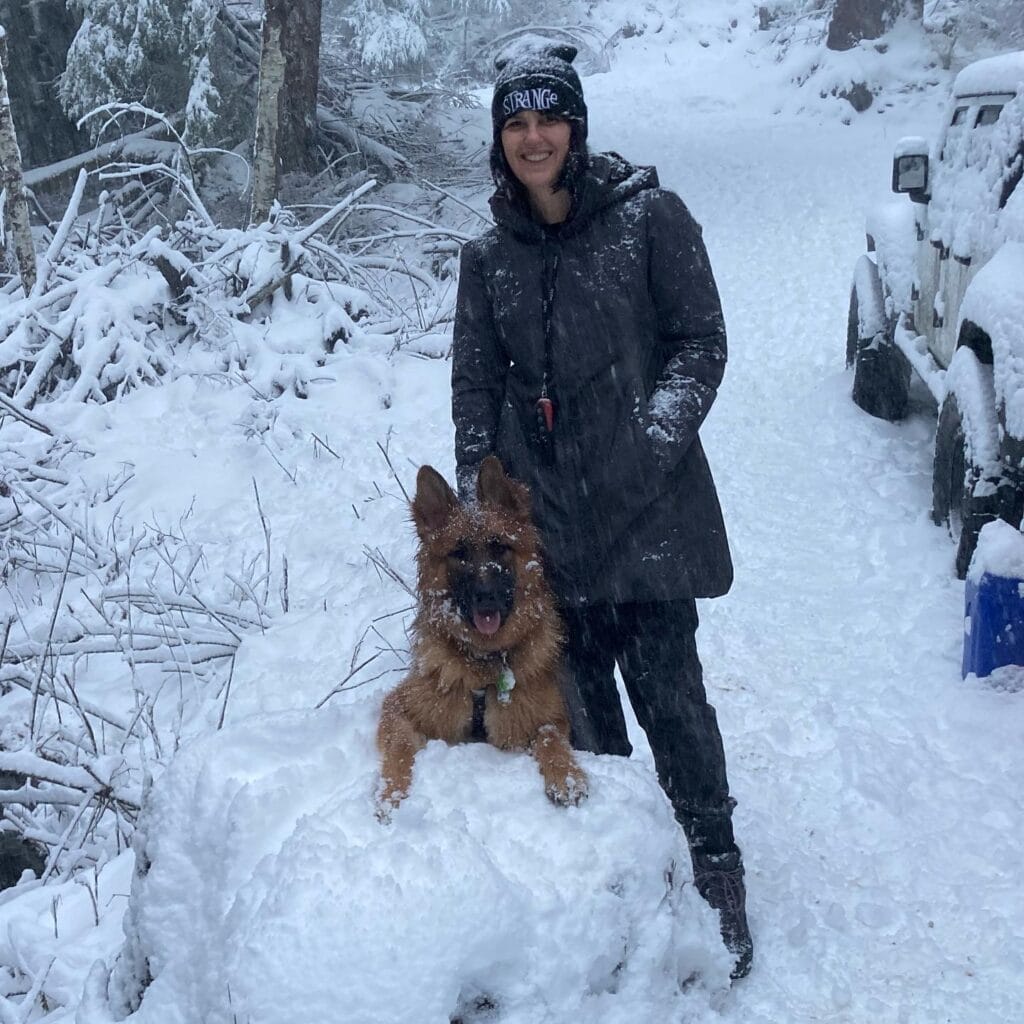
If you want to stay warm and comfortable, it’s all about picking the right gear and using a few smart techniques to trap heat and block the chill. I used to think camping in winter was about toughing it out, but really, it’s about outsmarting the cold.
Little things – like the right sleeping pad, insulation tricks, where you put your fire, and how you layer your clothes – make a huge difference.
This guide covers practical hacks, from gear choices to shelter setup and safety tips. Whether you’re waking up to a little frost or camping out in deep snow, these tips will help you stay cozy and actually enjoy being outside.
1) Layer up with merino wool base layers for cozy warmth without the stink.
Cotton is pretty much your enemy for winter camping. Once it gets wet, you stay cold and miserable all night.
I always go with merino wool base layers.
Merino keeps me warm, but I don’t overheat when I’m busy setting up camp or gathering wood. The best part? It doesn’t get smelly – even after a few days.
When it’s freezing, the last thing I want is to change clothes in the cold. Merino’s natural odor resistance means I don’t have to.
It wicks away moisture too, and regulates temperature better than synthetics.
I start with merino underwear and socks, then add a merino top and bottom. It’s my go-to base for any cold-weather trip.

2) Use a foam sleeping pad under your inflatable one to double insulation from the ice-cold ground
Adding a foam pad underneath your inflatable pad will make a massive difference.
When you stack the pads, their R-values add up, so you get way more insulation from the cold ground.
Put the foam pad right on the tent floor, then put your inflatable pad on top. Suddenly, you’re not losing all your body heat to the ground anymore.
Bonus: The foam pad also keeps my inflatable from getting punctured or sliding around at night. I sometimes use it as a sit pad during the day, too.
It adds a little weight, but staying warm all night is worth it.

Experience the ultimate in outdoor comfort and durability with the Therm-a-Rest Z Lite Original Camping and Backpacking Sleeping Pad. This lightweight, compact foam pad features a folding accordion design for easy packing, while its heat-trapping dimples provide added warmth and insulation, making it a trusted companion for adventurers on the go. With a water-resistant closed-cell foam construction, this pad promises a reliable night’s sleep in various outdoor conditions.
3) Build a reflective fire wall with rocks or a tarp to bounce heat your way
A reflective fire wall bounces heat back at you instead of letting it disappear into the night.
Just stack dry rocks about three feet high behind your fire. (Don’t use wet river rocks – they can explode!) If you’re short on rocks, you can use logs or bark angled behind the fire.
Sometimes I’m lazy and just rig up a tarp reflector between two poles. Put your wall a couple feet behind the flames, and suddenly you’re way toastier – and using less firewood too.
4) Pack a hot water bottle in your sleeping bag for an instant cozy hug.
I’ve tried a lot of ways to stay warm at night, but slipping a hot water bottle into my sleeping bag is still one of my favorites.
Here’s my routine: fill a heat-safe water bottle with hot water right before bed. I use a Nalgene or stainless bottle for this.
I tuck it between my legs to warm up my femoral artery, which helps heat my whole body faster. It’s kind of wild how well it works.
The heat lasts for hours, so I actually sleep instead of shivering. If temps drop below freezing, this trick is a lifesaver.
Just double-check for leaks. I usually wrap the bottle in a sock or towel so it’s not too hot against my skin.

Stay hydrated sustainably with the Nalgene Sustain Tritan BPA-Free Water Bottle. This 32-ounce wide-mouth bottle is made with 50% certified recycled content, offering an eco-friendly solution for both daily and outdoor use. Durable and leak-proof, it's the perfect companion for active lifestyles.
5) Wear a balaclava for full-face protection against biting winds
I used to think I just had to deal with freezing winds on my face at night. Then I tried a balaclava, and wow – it changed everything.
A balaclava covers your head, neck, and lower face, leaving only your eyes (and sometimes your nose) exposed. It’s basically a sleeping bag for your face.
Most are made from fleece, wool, or synthetic fabric that blocks wind but still lets your skin breathe.
I love how you can pull it down and wear it as a neck gaiter if you get too warm. They’re light, pack down tiny, and once you try one, you’ll never go back to freezing cheeks and nose again.

Stay warm and protected with the Tough Headwear Balaclava Ski Mask, designed for men and women to tackle extreme winter conditions. Made from an ultra-soft fleece lining with a four-way stretch material, this face mask ensures a snug fit while providing maximum comfort and breathability. Ideal for skiing, snowboarding, running, or motorcycling, it features a waterproof shell and extended neck coverage for full weather protection.
6) Use a four-season tent with a robust rainfly to keep snow and drafts out
On my first winter trip, I made the mistake of bringing a regular three-season tent. Big regret – the cold and snow just blew right in.
Four-season tents have sturdier poles and thicker fabrics, so they handle wind and snow way better.
The rainfly matters just as much. I always make sure mine has reinforced seams and full coverage to block drafts and keep out moisture.
Look for tents made from tough nylon or polyester, and check that the frame and stitching are reinforced at stress points.
Spending a little more on a solid four-season tent with a good rainfly is the difference between a miserable night and actually enjoying your winter adventure.

The GEERTOP Lightweight 2 Person Backpacking Tent offers a reliable shelter for adventures across all four seasons. This double-layer, waterproof tent is easy to set up and features durable aluminum poles, making it ideal for camping, hiking, and climbing trips. With a weight of just 6.9 lbs, it conveniently packs down for transport, ensuring comfort and protection in any weather condition.
7) Master the art of the hot tent – keep your tent warm with a safe, vented camp stove
Hot tent camping flipped my whole approach to winter camping. Instead of shivering in a pile of sleeping bags, I can actually hang out in a warm tent.
The idea’s pretty straightforward. Grab a tent made from fire-safe materials like canvas, then add a portable wood stove.
The tent comes with a stove jack – a built-in opening for the chimney pipe to exit safely. It’s all about keeping things safe and functional.
I always put my stove on a fireproof mat and crack the tent open for ventilation. Carbon monoxide is no joke, so I make sure fresh air gets in.
Canvas tents hold heat way better and don’t catch fire easily. I also throw a spark arrestor on the stove pipe to keep embers from burning holes in the fabric.
The difference in warmth is wild. While my friends bundle up in their regular tents, I’m comfy enough to actually take off a few layers.
Keeping firewood dry is key – it makes everything easier. Trust me, you’ll never want to go back to cold tent camping after you try this.

Elevate your camping experience with the POMOLY Chalet 70 Pro Camping Hot Tent, designed for seamless outdoor adventures in any season. This versatile tent accommodates 2-3 people and features a stove jack for heating, enabling a cozy and warm shelter even during chilly nights. Crafted with durable 70D plaid ripstop polyester and a 2500mm waterproof rating, it ensures protection against the elements while delivering comfort and convenience in a compact, easy-to-set-up package.
8) Keep your feet dry with waterproof, insulated boots like Sorel Caribou
Cold, wet feet ruin a camping trip faster than almost anything.
I really like Sorel Caribou boots – they’re waterproof, insulated, and built for real winter.
They combine a rubber lower with a leather upper and a removable insulated liner. Snow and moisture stay out, while the warmth stays in.
Caribou boots handle extreme cold and can last for years if you take care of them. The wide, stable base helps when you’re walking around camp or trudging through snow.
I always wear wool socks for extra warmth and keep a spare pair of dry socks in the tent. If my boots get wet inside, I pull the liner out at night and dry it near the heat source.
Getting good winter boots is one of the best upgrades you can make for cold-weather camping.

Stay warm and stylish this winter with the SOREL Women's Caribou Waterproof Boot. These boots are designed to withstand snowy and slushy conditions, featuring a waterproof construction and a cozy inner lining. With excellent traction and high-quality materials, they're ready to tackle any adventure while keeping your feet dry and comfortable.
9) Layer your clothing in a smart way: base, mid, and shell layers for easy temp control
I used to pile on every sweater I owned for cold camping. Then I’d sweat like crazy hiking in, only to freeze once I stopped moving.
Turns out, the three-layer system is way smarter. My base layer sits right on my skin and wicks away sweat – no cotton, just merino wool or synthetics.
The mid layer traps heat. Fleece jackets or puffy vests work great, and I can add or remove this layer depending on how hard I’m working.
The shell goes on top to block wind, rain, and snow. I look for waterproof and breathable shells so I don’t get clammy inside.
This setup lets me regulate my body temp on the fly. Too hot? Ditch the mid layer. Chilly? Zip up the shell. It’s way better than lugging around a giant parka.
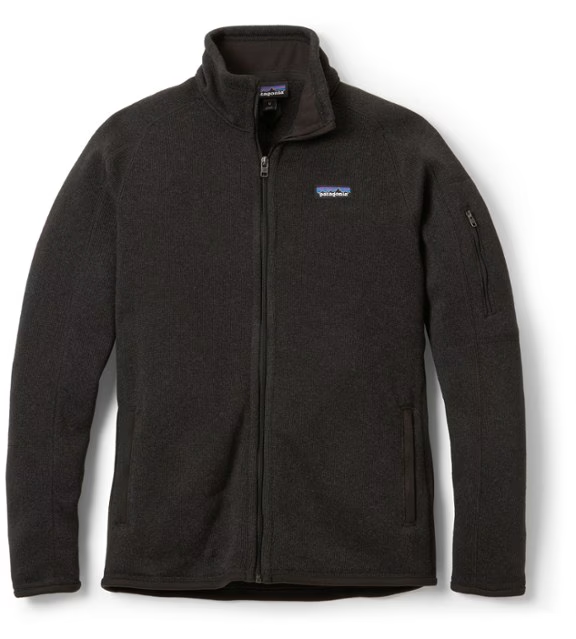
A cozy staple in the city or the backcountry, this slim-fit Patagonia jacket is made of soft, sweater-knit fleece. Wear it alone or under a shell for added warmth anytime there's a chill in the air.
10) Carry hand warmers and stash them in gloves and boots for a quick temp boost.
I never go winter camping without a handful of hand warmers. They’re tiny, light, and a lifesaver when the temps drop.
Disposable hand warmers use a chemical reaction to make heat. I like to pop one into each glove before setting up camp or crawling into bed.
Here’s my favorite move: toss a couple in your boots before you get into your sleeping bag. Cold feet are the worst, and hand warmers give hours of heat right at your toes.
I always pack extras because they’re handy in so many situations. If it suddenly gets colder, I’ll throw them in my coat pockets or even slip one into my sleeping bag. They’re cheap insurance against frozen fingers and toes.

Long Lasting Safe Natural Odorless Air Activated Warmers - Up to 18 Hours of Heat - 40 Individual Warmers
11) Store your phone and electronics in an inner jacket pocket to save their battery life in cold weather.
I learned this one the hard way – my phone died at 47% on a winter hike. Cold just drains batteries because lithium-ion cells slow down in low temps.
The fix is simple. I keep my phone in an inner jacket pocket close to my body instead of an outer pocket or backpack.
My body heat keeps the phone working. Some gear brands even make thermal pockets just for this. Helly Hansen’s Life Pocket is one example that helps keep electronics warm.
I do the same with my power bank and camera batteries. If I need to use my phone outside, I do it fast and then tuck it right back in.
Thermal pouches and cases help if you’re heading into really brutal cold, but honestly, an inside pocket works fine for most winter trips.

The Helly-Hansen Juniper 3.0 Ski Jacket for men blends tradition with modern technology, offering pro-level protection derived from harsh Norwegian elements. This waterproof winter jacket is ideal for skiing and city adventures alike, thanks to its fully seam-sealed design, adjustable hood, and breathable features. Whether braving the slopes or exploring urban landscapes, this jacket ensures comfort and adaptability for any winter condition.
12) Bring a windproof lighter and waterproof matches to beat those icy ignition battles.
Fumbling with a regular lighter in freezing wind, getting nowhere – not fun. Cold makes starting a fire surprisingly tough.
Normal lighters fail in the cold because the fuel won’t vaporize, and the wind just blows them out. So I bring a windproof lighter made for camping.
I also pack waterproof matches as backup. The UCO Titan stormproof matches burn for up to 25 seconds – even underwater or in strong wind.
Having both makes life easier. If my lighter runs out or just won’t work in the cold, my matches have my back. I keep them handy, so I’m not digging through my pack with frozen fingers.

The UCO Titan Stormproof Match Kit is your ultimate solution for lighting fires in any weather, featuring 12 windproof and waterproof matches that burn for up to 25 seconds. With a durable waterproof case that floats, integrated striker holder, and three replaceable strikers, this kit is ideal for camping, hiking, and emergency preparedness. Ensure reliable fire-starting in all conditions with these rugged matches that stay lit under water and in gale-force winds.
13) Use a stove windscreen to save fuel and cook faster in chilly breezes
I used to watch my fuel canister drain way too fast on windy trips. Wind is a fuel killer – a stove that’s fine in calm weather can burn through three times as much fuel when it’s breezy.
A windscreen is just a barrier that shields your stove flame from the wind. Food cooks faster and more evenly, and you use less fuel.
Most windscreens are lightweight, foldable aluminum panels. I keep one in my cooking kit because it makes cooking so much easier in any weather.
You can get different sizes to fit your stove. You’ll save money on fuel and spend less time standing in the cold waiting for water to boil. It’s a no-brainer.

The LFSEMINI 10 Plates Stove Windscreen is a must-have for outdoor cooking, offering stability and efficiency in windy conditions. Crafted with durable aluminum, this portable windshield features 10 removable panels, enabling you to customize the size based on your stove’s needs. Packaged with a convenient drawstring bag, it's perfect for camping and hiking trips with butane or wood-burning stoves, ensuring your meals are cooked flawlessly.
14) Insulate your tent floor with a foam mat or emergency blanket for extra warmth.
The ground just pulls heat out of you, even through a sleeping bag.
Tent floor insulation really helps by creating a barrier between you and the cold ground. I lay down a foam camping pad or even a yoga mat first – it’s cheap and works surprisingly well.
Emergency blankets are my secret weapon. The shiny side reflects your body heat back up instead of letting it vanish into the ground.
I usually layer the blanket between the tent floor and my sleeping pad. For extra warmth, I run foam mats up the tent walls a few inches to block cold air sneaking in.
Old blankets, cardboard, or a thick tarp under your tent also work if you’re on a budget. The more layers you have between you and the frozen ground, the better you’ll sleep. Your back will thank you, trust me.

Enhance your emergency preparedness with the QIO CHUANG Emergency Mylar Thermal Blankets. This 4-pack of space blankets is crafted from highly reflective Mylar fabric, maximizing heat retention to keep you warm in cold conditions. Lightweight and compact, these blankets are perfect for outdoor activities like camping, hiking, and marathons or as essential additions to your emergency or bug-out bag.
15) Set up camp near natural windbreaks like clusters of trees or large boulders
Before I pitch my tent, I always scout for natural windbreaks. Dense clusters of trees, large rocks, and boulders can block a surprising amount of wind and make my campsite way more comfortable.
When I’m searching for a spot, I look for thick tree lines or big rock formations. These natural barriers act like a shield against harsh gusts.
I steer clear of camping directly under dead trees, which folks call “widowmakers” for a reason.
I like to set my tent close to these features for the best protection. The difference is huge – no more tent flapping all night, just actual sleep.
One thing I avoid is exposed ridges and open slopes. These spots get hammered by wind and make for a miserable night.
Give me a cozy spot behind some trees any day.
16) Preheat your sleeping bag with a portable heated blanket or warm water bottle before bed
Climbing into a cold sleeping bag feels like jumping into an ice bath. It’s pretty miserable and makes falling asleep nearly impossible.
My favorite trick is preheating my sleeping bag with a hot water bottle. I fill a sturdy bottle with hot water about 30 minutes before bed and toss it in my bag.
By the time I’m ready to sleep, everything feels toasty. If you’ve got access to electricity, portable electric heated blankets work great too.
I run mine for 15-20 minutes before bed to warm things up. Just make sure your water bottle has a tight lid that won’t leak.
I also wrap mine in a towel or shirt so it doesn’t touch my skin directly. The warmth spreads through the bag and keeps me comfortable for hours.

Size: XXX-Large, BPA & PVC Free, 100 Fl Oz Capacity
17) Wear a brimmed hat to keep snow off your face and protect your eyes from glare
I always pack a wide-brimmed hat for winter camping, and it’s one of my smarter moves. When snow starts falling, that brim keeps flakes off my face, so I’m not constantly wiping my eyes.
The real game-changer is how it protects my eyes from UV rays and glare. Snow reflects sunlight like crazy, and that glare can be blinding.
A hat with at least a 3-inch brim cuts down on the light hitting my eyes from above. I’ve also noticed that hats help retain body heat, which keeps me warmer overall.
When the wind picks up, the brim acts as a shield for my face. I don’t have to squint as much, and my eyes don’t water from the cold air.
Pick a material that won’t get soggy in wet snow. Wool works great because it stays warm even when damp.
Baseball caps are fine, but I prefer something with a full brim all the way around for better coverage.
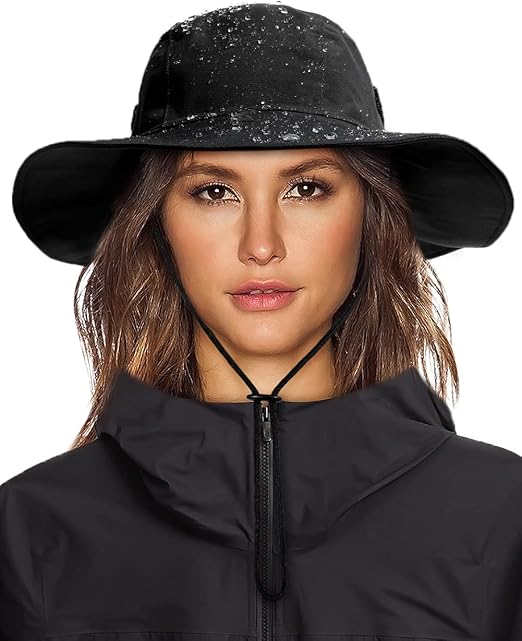
Stay protected from the elements with the Women's Winter Waterproof Bucket Hat, featuring a warm fleece lining and UPF50+ sun protection. This versatile hat is made from high-quality waterproof polyester, designed to keep you dry and comfortable no matter the weather. Perfect for outdoor adventures, it provides ample coverage with a wide brim, making it an ideal companion for hiking, rainy days, or winter excursions.
18) Keep a loose, warm beanie inside your sleeping bag to pop on as you fall asleep.
I can’t tell you how many cold camping nights I spent shivering before I figured out this trick. Your head loses a ton of body heat while you sleep, and that can make your whole body feel cold, no matter how solid your sleeping bag is.
I always tuck a loose beanie into my sleeping bag before settling in. When I start feeling chilly, I just pull it on without even unzipping my bag.
The key is picking the right hat. I go for something soft and stretchy that won’t feel tight or uncomfortable when I’m trying to sleep.
A warm bottle in your sleeping bag will add external heat, but a beanie works wonders for keeping warmth from escaping through your head.
Some people like sleeping with their whole head inside the bag, but that gets stuffy fast. A beanie gives me the warmth I need without feeling like I’m suffocating.
Plus, I can adjust it or take it off easily if I get too warm during the night.
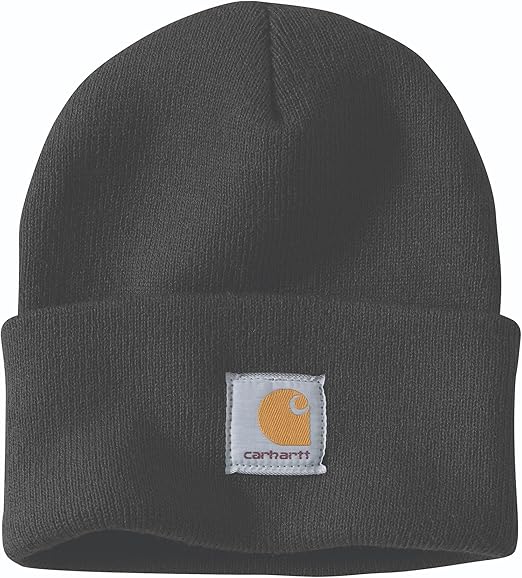
The Carhartt Men's Knit Cuffed Beanie Hat offers unbeatable warmth and comfort, perfect for outdoor activities in cold weather. Made from 100% acrylic rib knit, this beanie features a stretchable fabric for a comfortable fit, and a fold-up cuff adorned with the iconic Carhartt label. With over 183,000 positive reviews, it's a reliable choice for anyone looking to stay warm while maintaining a stylish look.
19) Use a bivy sack as a backup shelter if your tent gets buried in snow
I always pack a bivy sack when I’m winter camping, and here’s why. If heavy snow collapses or buries my tent, I need a Plan B fast.
A bivy sack is basically a waterproof liner that goes over my sleeping bag. It keeps me dry and protected from the elements.
The best part? It takes up almost no space in my pack. When things get rough and my tent becomes unusable, I can quickly set up my bivy inside a snow cave or trench.
This combo gives me solid protection without needing to dig out a collapsed tent in a blizzard. I picked up this trick after seeing experienced mountaineers swear by their backup shelters.
Bivy sacks pack down smaller and lighter than carrying a second tent, which makes them perfect for emergencies.
I think of it as cheap insurance for winter camping. I’d rather carry an extra pound and never need it than wish I had it when snow starts piling up around my tent at 2 AM.

The Ironstripe Bivy Sack Sleeping Bag is an essential addition to your emergency gear, designed for optimal warmth and protection in extreme conditions. This extra-large bag measures 94'' x 48'' and includes a built-in hood for full coverage, while its thermal Mylar material is both tear and puncture-resistant. Equipped with an emergency whistle, this lightweight and compact bivy sack is perfect for camping, hiking, and outdoor adventures, ensuring you stay prepared for any situation.
20) Avoid cotton clothing—ever hear of ‘cotton kills’? Stick to synthetic or wool instead.
I know it sounds dramatic, but the phrase “cotton kills” is a serious warning in the outdoor world. Cotton soaks up moisture like a sponge and refuses to let it go.
When cotton gets wet from sweat or snow, it stays wet. Wet cotton can make you lose body heat up to 25 times faster than dry clothes would.
In cold weather camping, this can lead to hypothermia quickly. I always pack synthetic materials or wool instead.
Merino wool keeps you warm even when it’s wet, which is honestly amazing. Synthetic fabrics dry quickly and push moisture away from your skin.
The switch might cost a bit upfront, but it’s worth it. Save your cotton T-shirts and jeans for summer barbecues.
When you’re camping in cold weather, stick with materials that won’t leave you shivering in a damp tent.

Stay cozy and dry with the Merino.tech Women's Merino Wool Base Layer, crafted from 100% superfine Merino wool for ultimate softness and comfort. Available in lightweight, midweight, and heavyweight options, this base layer ensures optimal warmth without causing overheating or discomfort. Complete with moisture-wicking and odor-resistant properties, as well as a pair of complimentary Merino wool hiking socks, this set is ideal for outdoor enthusiasts seeking quality and performance in all conditions.
21) Keep your hydration bottle in your sleeping bag at night so it doesn’t freeze solid
I learned this trick the hard way after waking up to a bottle-shaped ice block one freezing morning. Now I always tuck my water bottle into my sleeping bag before I crash for the night.
Your body heat acts like a natural heater inside your sleeping bag. When you keep bottles inside your sleeping bag at night, that warmth keeps your water in liquid form instead of turning into a useless chunk of ice.
I usually put my bottle near my feet or along my side where it won’t bug me too much. Some people prefer keeping it close to their core for extra warmth.
Just find a spot that feels comfortable and won’t have you kicking it around all night. Wide-mouth bottles work best for this because the cap is less likely to freeze shut.
You can actually drink from them in the morning without fighting with frozen threads. This simple move means you’ll have drinkable water ready when you wake up instead of waiting around for ice to melt.

The Nalgene Sustain Tritan BPA-Free Water Bottle is an eco-friendly hydration solution, made with material derived from 50% plastic waste using ISCC certified mass balance. This 48-ounce wide-mouth bottle is designed for durability and practicality, offering a sustainable way to stay hydrated without leaching toxins or leaving an aftertaste. Ideal for everyday use, it combines robust performance with environmental consciousness.
22) Make a snow kitchen: use packed snow blocks to create wind walls around your cooking spot
Cooking in winter can be miserable when the wind keeps blowing out my stove. That’s why I started building snow kitchens with wind walls around my cooking area.
The process is pretty simple. I cut blocks from packed snow and stack them to form walls around where I plan to cook.
The walls don’t need to be perfect or super tall. Even a knee-high barrier makes a big difference in blocking the wind.
I look for areas where the snow is already firm and compact. Powdery or sugar-like snow won’t work because the blocks just fall apart.
Wind-swept drifts usually have the best consistency for cutting sturdy blocks. Once my walls are up, I can actually keep my stove lit and boil water without fighting the elements.
I use leftover snow from digging out a shelter to build these kitchen walls, which saves time and effort. My meals taste better when I’m not freezing and frustrated while cooking them.
23) Practice controlled breathing to maintain calm and warmth when temperatures drop dangerously low
Panic is the enemy when the cold creeps in. Breathing turns shallow and fast, and that just makes me feel colder and more on edge.
Controlled breathing techniques really help to stay calm and avoid hyperventilating when things get bitterly cold. I focus on slow, steady breaths through your nose if possible, since that warms the air before it hits the lungs.
When I breathe steadily, my heart rate stays more regular. That helps my body hold onto its core temperature way better.
I actually practice this before heading outside, so it starts to feel automatic. If I get anxious about the cold, I count my breaths – four in, hold for four, four out. Simple, but it works.
The trick is keeping everything slow and measured. Panicked, fast breathing just burns through energy and leaves me colder. Slow breathing keeps me warmer and helps me think straight when I need to make good decisions about safety.
24) Bring an insulated mug for hot drinks that stay warm way longer than ordinary cups
I learned this one the hard way. Nothing like having your coffee turn ice-cold in five minutes. Regular mugs just can’t handle freezing temps.
An insulated mug is where it’s at. The Thermos Stainless King keeps drinks warm for up to 8 hours, so you can actually enjoy your morning coffee instead of chugging it.
The secret is vacuum insulation. Most good insulated mugs use double-wall construction, so there’s a barrier between your drink and the freezing air. The heat stays put.
I always bring mine now, whether it’s for hot chocolate, tea, or coffee at camp. There’s something so satisfying about taking a sip an hour later, and it’s still warm. Plus, most have lids to prevent spills, which is huge when you’re juggling camp chores with cold hands.

The THERMOS Stainless King Vacuum-Insulated Travel Tumbler is your ideal companion for keeping beverages at the desired temperature while on the go. With a 16-ounce capacity and advanced vacuum insulation technology, it maintains hot drinks for up to 7 hours and cold drinks for up to 18 hours. Made of durable stainless steel with a sleek matte steel finish, it features a built-in tea hook and is designed to fit most car cup holders, offering convenience, style, and reliable performance for your daily routine.
25) Don’t forget a high SPF lip balm and sunscreen; winter sun can be sneaky!
I used to think sunscreen was just for summer – until I got the worst sunburn of my life while winter camping. Snow reflects up to 80% of UV rays, so you’re basically getting hit twice.
My lips always suffer the most in cold weather. They get dry and cracked, and then the sun just makes it worse. I don’t leave for a winter trip without SPF lip balm anymore.
The sun doesn’t take a break in winter, even if it’s cloudy or freezing. UV rays are always around, and they’re even stronger at high elevations where a lot of us camp.
I keep a stick of SPF 30 or higher in my jacket pocket so I can reapply during the day. My face and lips are so much happier for it. Trust me, dealing with chapped, sunburned lips in a freezing tent is miserable – and so easy to avoid.

Burt's Bees SPF 30 Lip Balm offers a trio of tropical flavors—Coco Loco, Beaches & Cream, and Tropic Like It's Hot—for ultimate lip care. Each balm boasts a water-resistant formula derived from natural ingredients, providing sun protection and hydration without harsh chemicals. Perfect for those who enjoy sunny days, these lip treatments ensure your lips stay nourished and protected from the sun's rays.
Understanding the Challenges of Cold Weather Camping
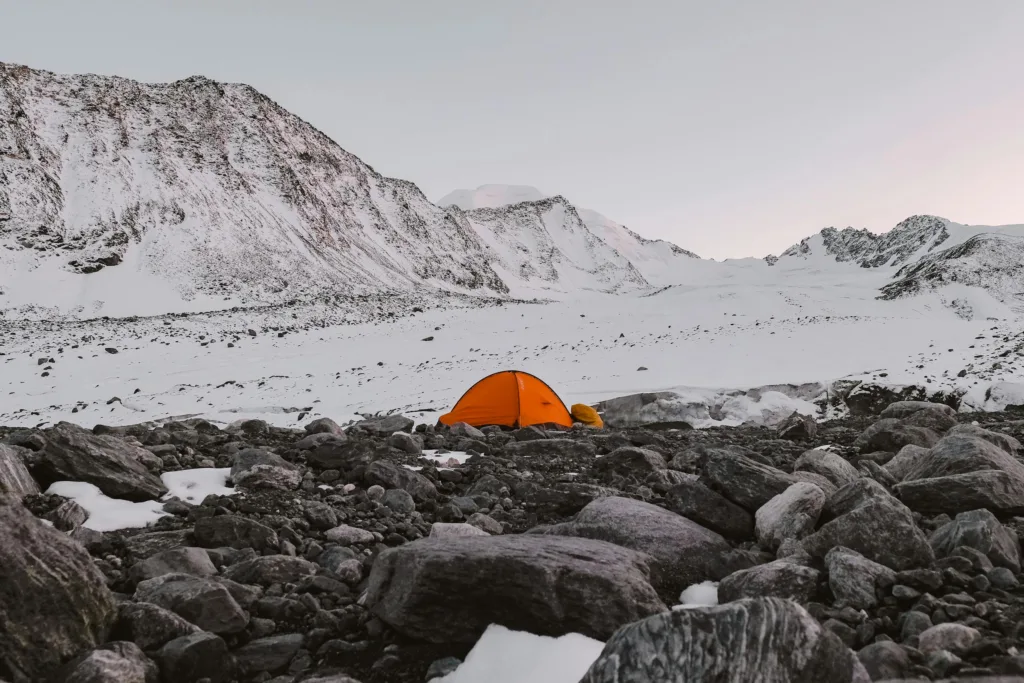
Cold-weather camping tests your body and gear in ways summer trips just don’t. Temperatures drop fast after sunset, moisture becomes a real problem, and small mistakes can get dangerous quickly.
Why Cold Weather Camping Feels So Different
The biggest shock for me was realizing how much energy our bodies burn just to stay warm. In cold conditions, I need way more calories than I do in summer. My body works overtime to keep its core temperature up, so I end up hungrier and more tired.
Moisture management is a whole new challenge when it’s cold. Sweat doesn’t evaporate – it just soaks into your layers and freezes, which makes you even colder. Even our breath creates condensation inside the tent that can freeze on the walls at night.
Daylight hours shrink in winter. We get less time to set up camp, gather firewood, or fix problems. What takes 20 minutes in summer might take 45 minutes wearing bulky gloves, and my fingers are numb.
Common Mistakes First-Timers Make
I see people overdress all the time, which sounds backwards, but it’s true. Winter camping takes proper prep, and starting out with too many layers just makes you sweat. That sweat then chills you to the bone when you stop moving.
Another big mistake is using regular three-season tents. They can’t handle heavy snow or keep out the wind.
Lots of beginners forget that batteries die fast in the cold. My phone, headlamp, and camera all drain quicker than normal. Now I keep spare batteries in my sleeping bag so they stay warm and actually work when I need them.
Staying Safe and Comfy When Temperatures Drop
Cold weather camping means I have to watch for warning signs from my body and use my gear wisely. Knowing what hypothermia looks like and getting the most out of my equipment keeps me safe when it’s freezing out.
Recognizing Signs of Hypothermia
I always keep an eye on myself and my friends for early signs of hypothermia. The first symptom is uncontrollable shivering – our body’s way of trying to heat up.
When it gets worse, I look for slurred speech, confusion, or clumsy hands. Those mean body temperature has dropped dangerously low. Sometimes people with hypothermia act tired or just “off.”
If you spot these signs, act fast. Get the person into dry clothes and a warm sleeping bag right away. Hot drinks help, but never alcohol – it actually makes you lose heat faster.
The weather can shift fast in winter, so be sure to check on everyone regularly throughout the night.
Making the Most of Your Gear
I’ve found that good prep makes or breaks a cold weather trip. My sleeping bag works better if I warm up before bed with a few jumping jacks or push-ups.
I stuff tomorrow’s clothes in my sleeping bag at night. That way, they’re warm and ready instead of freezing cold in the morning.
My water bottles go in an insulated sleeve or inside my sleeping bag so they don’t freeze. Filling a bottle with hot water and putting it near my feet is a lifesaver some nights.
For my tent, I use a foam pad under my sleeping bag to block the cold from the ground. Sometimes I even add a second pad if it’s really frigid.
Frequently Asked Questions
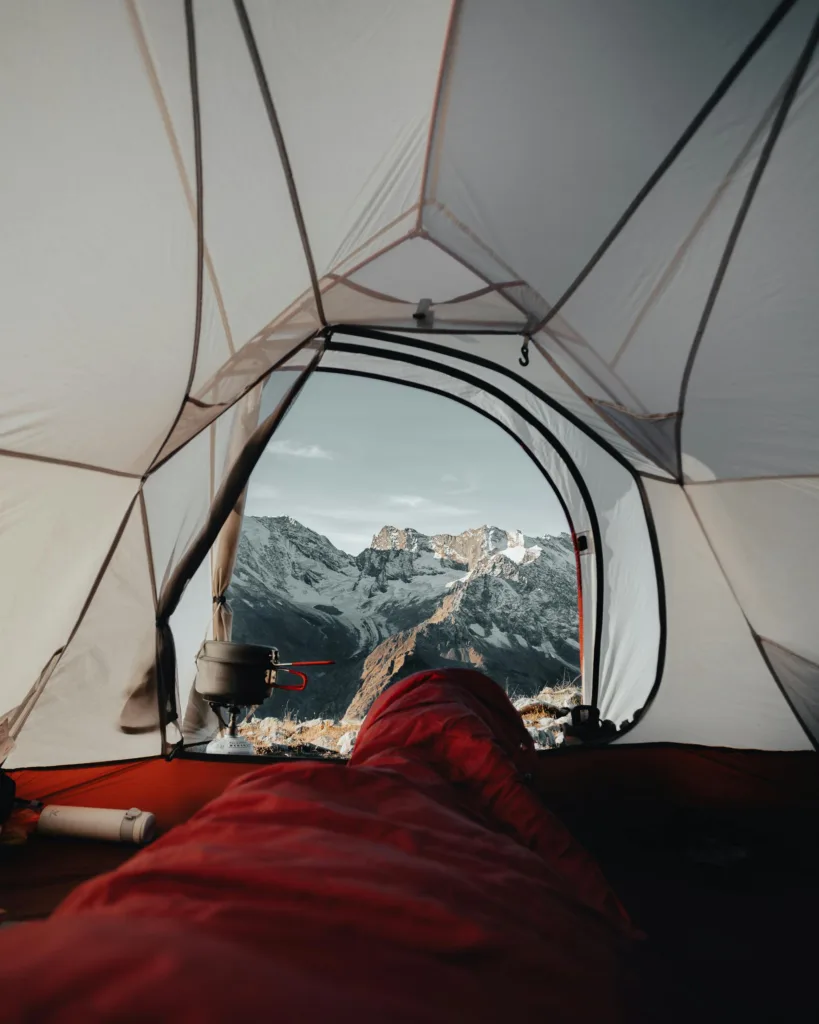
Cold weather camping brings up a lot of questions, especially when you’re trying to stay warm without modern comforts. I’ll tackle the most common ones about heating your tent, sleeping without a bag, avoiding hypothermia, packing the right gear, warming up in freezing temps, and that one thing everyone forgets.
What’s your secret to staying toasty in a tent when electricity is just a dream?
I rely on passive heat retention and smart layering to keep my tent warm. A four-season tent designed for winter camping is my first defense since it traps heat better than regular tents.
Inside, I put a foam pad under my inflatable sleeping pad. That double insulation keeps the cold from stealing my body heat all night.
I also build a reflective fire wall with rocks or logs near my tent entrance. The fire heats up the rocks, and they radiate warmth into my shelter for hours after the flames go out.
Before bed, I boil water and fill a Nalgene bottle, then tuck it in my sleeping bag. It’s like a personal heater that lasts till morning.
Any clever tricks for keeping the chill off while sleeping under the stars, sans sleeping bag?
Sleeping without a bag in the cold sounds wild, but you can pull it off if you layer right. I wear multiple layers – thermal underwear, fleece pants, and an insulated jacket – to trap body heat.
My base layer is always merino wool because it stays warm even if it’s damp. I add a puffy jacket and make sure every layer can breathe so I don’t wake up sweaty.
I make an insulation barrier by laying down a tarp, then piling on pine needles, leaves, or extra clothes. Getting off the ground is crucial – that’s where you lose most heat.
A balaclava covers my head and face, which stops major heat loss. We lose about 30% of our body heat through our head, so keeping it covered really matters.
Hit me with your best tips for not turning into a human popsicle while winter camping!
Staying active during the day is my secret weapon. When I start to feel the chill creeping in, I’ll do a few jumping jacks or just walk around camp for a minute to get the blood moving.
Cotton? No thanks. That stuff just soaks up sweat and makes you colder, so I only pack synthetic or wool layers – especially for base layers and socks.
I always eat high-calorie snacks before bed. Nuts, cheese, chocolate – whatever gives my body enough fuel to stay warm through the night.
A foam pad under me is non-negotiable, even when I’m just sitting around. The ground will suck the heat right out of you, but a pad makes a huge difference.
Hydration matters way more than people realize. If I’m not drinking enough, my body just can’t hold heat, so I sip warm drinks all day long.
What’s on the gotta-have-it list for braving the cold and camping like a boss?
A legit four-season sleeping bag is a must. I always pick one rated at least 10-15 degrees colder than whatever the forecast says, just to be safe.
Stacking two sleeping pads is my go-to. One foam and one inflatable pad together keep me off that icy ground and actually let me sleep.
Can’t forget a balaclava for full-face protection from wind and cold at night. It’s tiny, but makes a world of difference when I’m trying to get comfortable.
Hand warmers and toe warmers? Absolute lifesavers. I pop them in my gloves and boots before bed, so I don’t wake up with numb fingers or toes.
I’ve also gotten hooked on using a hot water bottle. Toss it in my sleeping bag, and it keeps me toasty all night – plus it warms up the tent a bit.
If it’s colder than my freezer out there, how do I warm up without going full-on Eskimo?
When I need a quick warm-up, I’ll do squats or arm circles for half a minute. It’s wild how fast that helps.
Building a fire is classic, but I like to set up a heat reflector wall behind it – just some rocks or a tarp. That way, the warmth actually comes back at me instead of disappearing into the night.
I’m all about hot drinks, too. Tea, hot chocolate, even just warm water – it all helps keep my core temp up.
Snacking every couple hours keeps my body burning fuel and fighting off the cold. I don’t let myself get hungry for long out there.
If I get really chilled, I’ll change into dry clothes as soon as possible. Nothing saps your body heat faster than damp layers from sweat or snow.
What’s that one thing everyone forgets to pack that could totally save my toes from frostbite?
Extra socks. I see people forget them all the time.
I always toss in at least three pairs and swap them out to keep my feet dry and warm. Wet socks are the worst.
A small foam sit pad might look a little ridiculous at first. But the second you’re perched on a frozen log or snow, you’ll be glad you brought one.
It stops heat from sneaking away through your backside and makes hanging out at camp way less miserable. Trust me, sitting on cold ground is not the vibe.
Lip balm with SPF is a lifesaver in cold, dry air. Cracked lips can turn eating and drinking into a struggle, and it’s such an easy thing to avoid.
For nighttime, a pee bottle is kind of a game-changer. I hate leaving my warm sleeping bag at 2 a.m., so this little trick keeps me cozy and actually helps me sleep better.
Vapor barrier liners for your sleeping bag are another one people skip. They trap moisture and keep your insulation from getting soggy, which can make all the difference between a warm night and a freezing one.