
Badlands Boondocking Area: Ultimate Guide to Free Camping and Adventure
The Badlands Boondocking Area has some of the most jaw-dropping free camping in South Dakota. You get front-row seats to those wild rock formations right from your tent or RV.
I’ve watched sunrise after sunrise here, and the way the rocks glow gold and orange never gets old. This dispersed camping area sits about 6 miles south of Wall on Highway 240, so you’re just minutes from the park and perched up high for panoramic views.
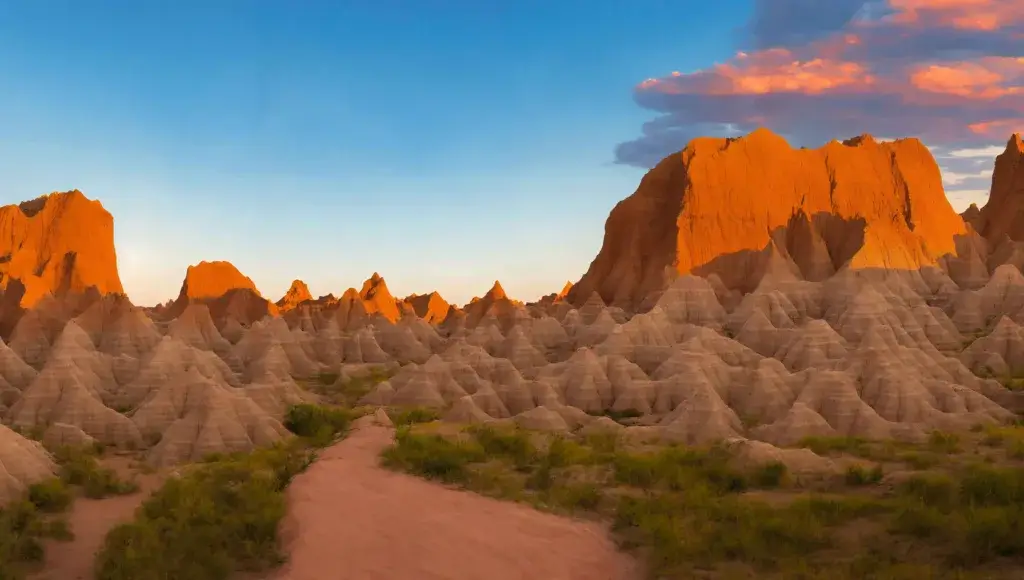
The best part? You’re close to the action without dealing with crowds or paying a dime. Pull up your RV or pitch a tent on public land managed by Buffalo Gap National Grassland, and you might wake up to bison grazing in the distance.
You can walk to the park entrance in just a few minutes. There’s something freeing about camping off-grid where your neighbors are bighorn sheep, not a row of RVs packed in tight.
If you’re on the fence about boondocking in the Badlands, I’ll break down everything you need to know – from finding the best spots to packing smart for self-sufficient camping. Recent changes mean you can’t just park anywhere, so knowing the rules actually matters now.
Key Takeaways
- The Wall boondocking area gives you free dispersed camping with killer Badlands views right near the Pinnacle entrance.
- You’ll need to be self-contained – bring your own water, waste setup, and power because there are zero facilities out here.
- New rules say you can only camp in marked spots along the Badlands Wall, not just anywhere you want.
What Makes the Badlands Boondocking Area Special?
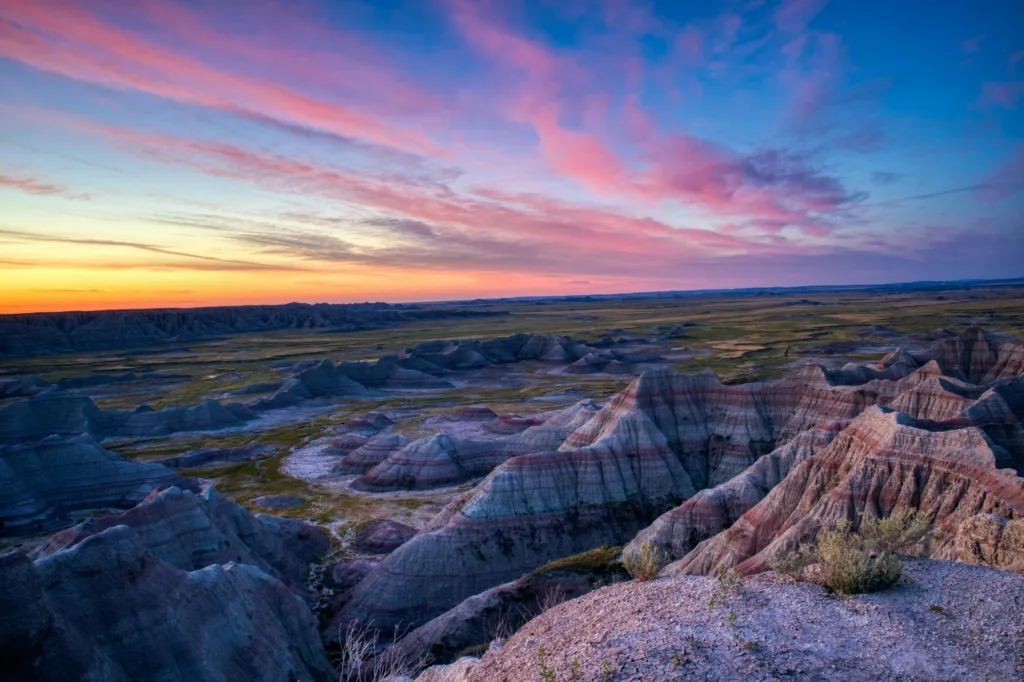
I’ve camped in a lot of places, but this spot? It’s next level. It’s not just that it’s free – the landscape feels like another planet, and you’re right up against one of South Dakota’s most epic parks.
Spots like The Wall give you a front-row seat to some of the best sunrises and sunsets you’ll ever see.
Epic Badlands Vistas and Unique Terrain
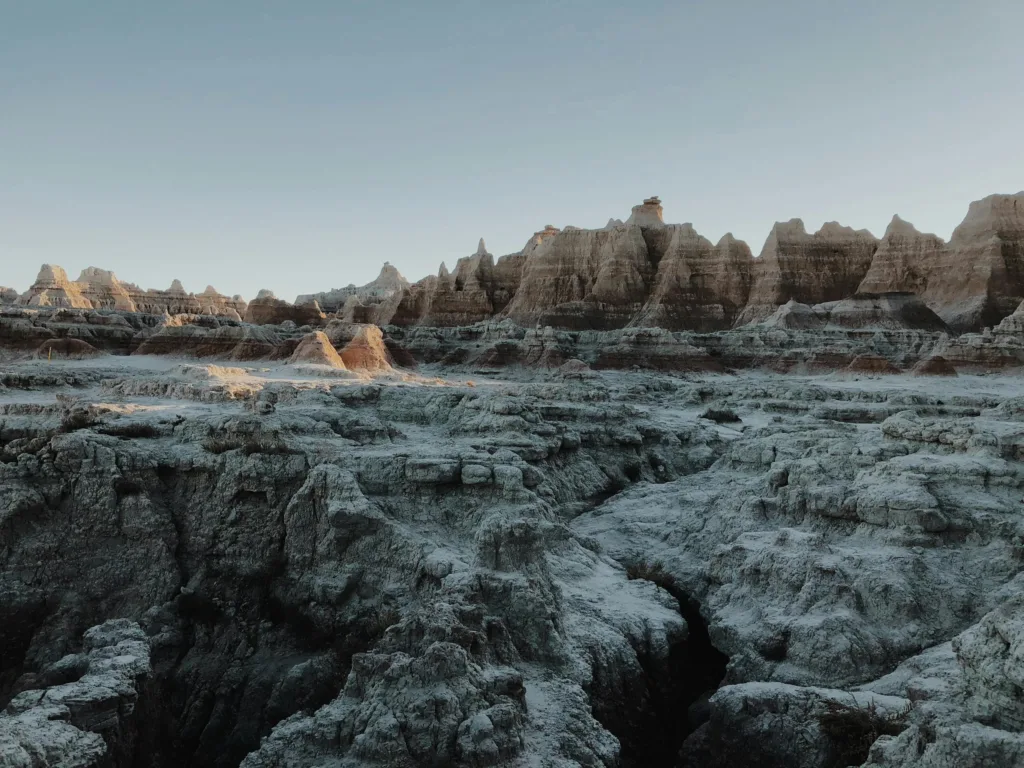
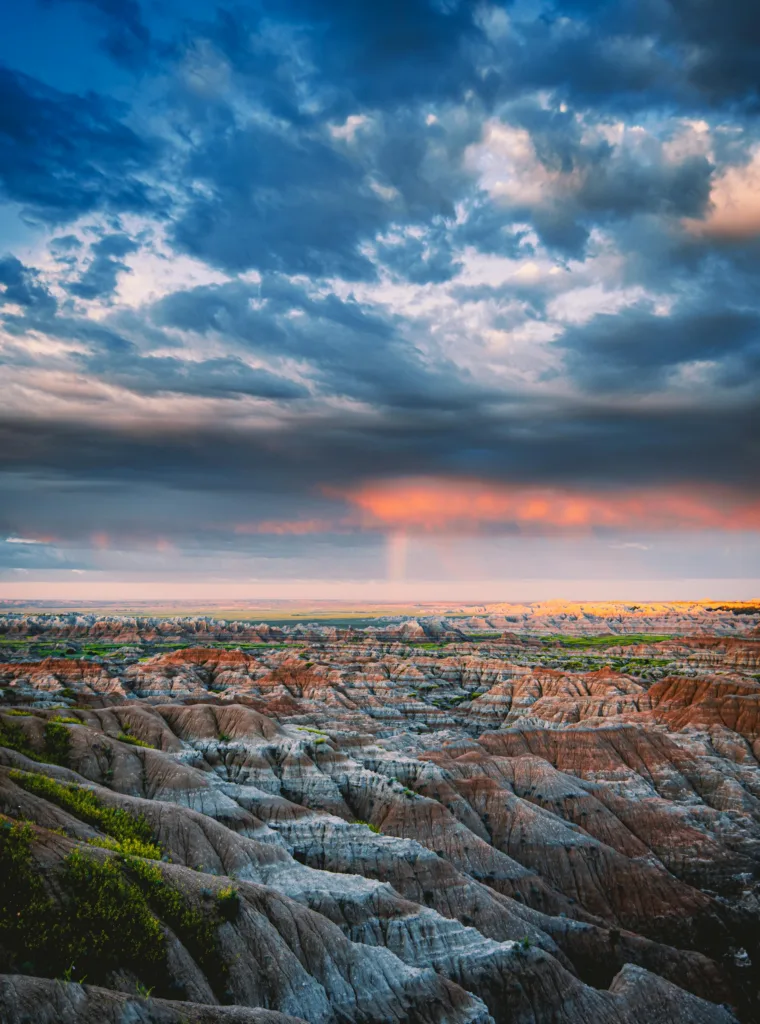
The views and rock formations at Badlands National Park will stick with you long after you leave. Waking up, surrounded by rugged buttes and pinnacles that light up pink and orange at dawn…. there’s nothing like it.
The terrain is wild – deep canyons, layered rock, and miles of open space with barely a hint of civilization. At night, you can actually see the stars without any light pollution messing it up.
The views change all day long. Mornings bring long shadows, midday sun lights up the striped rocks, and sunset turns everything gold and purple.
Sitting outside my camper, just watching the colors shift, is one of my favorite things to do here.
Proximity to Badlands National Park
One of my favorite perks? Boondocking spots are only a mile from the Pinnacle Badlands entrance. I sip my coffee with park views, then drive into the park in minutes for a hike.
Skip the long drives and head into the park before the crowds. Then you can chill at your quiet boondocking site for lunch.
The convenience is huge. You get the best of the park and don’t pay a cent. No reservations, no fighting for sites – just easy access to amazing scenery.
The Wall and Nomad View Dispersed Highlights
The Wall, sometimes called Nomad View Dispersed, is hands-down my top pick in the Badlands boondocking area. Most folks park right along the rim for the unreal views over the landscape.
Things have shifted lately, though. Camping spots now have US Forest Service signs, so you can’t just set up anywhere. Rumor is, they might eventually limit it to just 70 spots.
My tip? Get there before 3 PM to snag a good site. Most people leave by 11 AM the next day, so timing really matters if you want the best views.
Winds can hit 60mph, especially if your rig is tall. But the sunrise and sunset views? Worth every gust. I got a little emotional the first time I saw them.
Getting There and Finding Your Perfect Spot
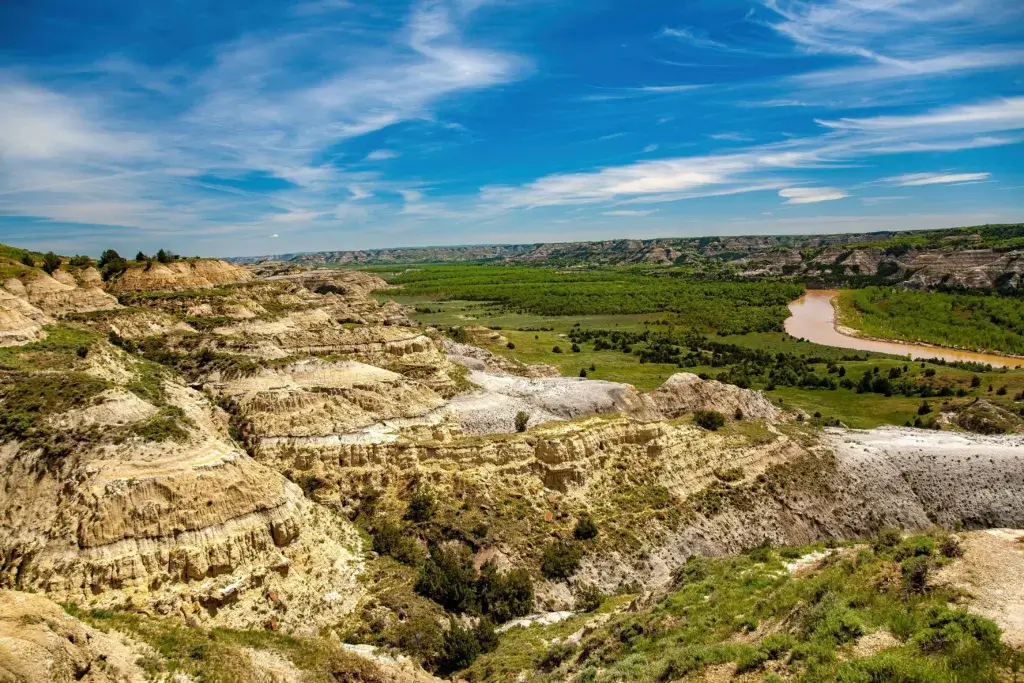
The most popular boondocking spots are just outside the park near Wall, South Dakota. You get sweeping views without the crowds or campground fees.
Directions and Accessibility
Finding the boondocking area near Badlands National Park is easier than you’d think. The main dispersed camping area is right outside the Pinnacles Entrance Station on the park’s northeast edge.
From Wall, just drive south on Highway 240 for about 8 miles. You’ll pass Wall Drug Store – grab supplies if you need anything last-minute.
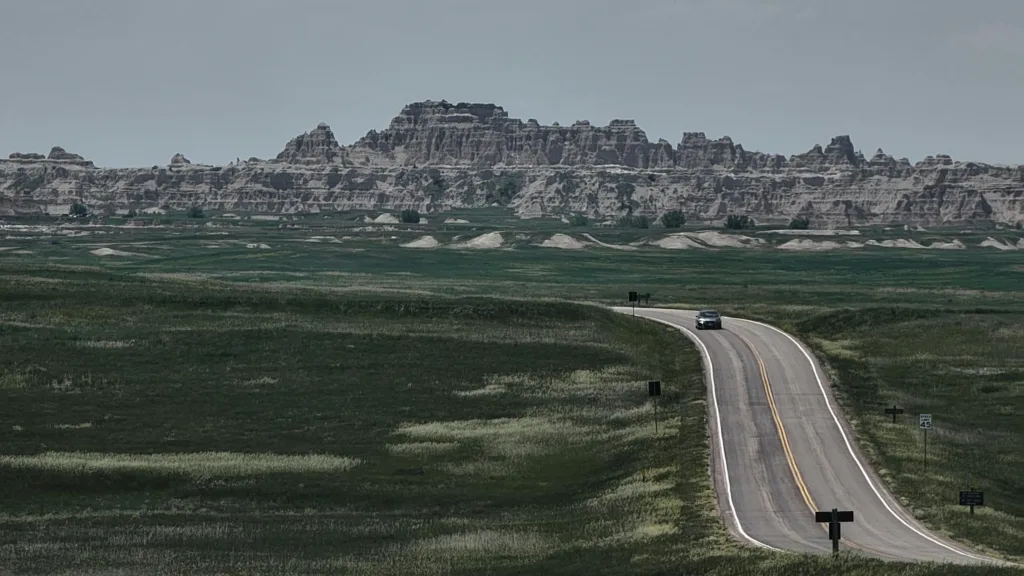
The dispersed camping area, often called “Nomad View Dispersed” or “Wall Dispersed Area,” runs along a dirt road that hugs the Badlands Wall. Most RVs and campers can handle the road in good weather, but if it’s wet? Don’t risk it. Mud here is no joke.
Choosing the Best Campsite
With the new rules, you can’t just park anywhere. Last time I visited, the Forest Service had official spots clearly marked.
Look for US Forest Service signs marking legal sites. Some areas now have “no vehicles allowed” signs, so pay attention. Honestly, the marked sites have the best views anyway.
I like the east side of the dispersed area best. Sunrise over the formations is something you won’t forget, even if you’re camping with zero hookups.
Some sites fit small RVs better, others can handle bigger rigs. I always drive through slowly to pick the right spot before settling in.
Arrival Timing and Crowds
Timing is everything when you want a killer spot. I’ve found that arriving before 3 PM gives me the best shot at a prime campsite.
Most people leave by 11 AM, so there’s a sweet spot late morning to mid-afternoon for snagging your pick. Weekdays in spring and fall are way less crowded than summer weekends.
Word is, they might cap it at 70 spots someday. On holiday weekends, I’ve seen the area totally packed, so honestly, a limit might not be a bad thing. For now, getting there early is your best move.
Essential Tips for Boondocking in Badlands
Boondocking here means you’re on your own – no hookups, unpredictable weather, total self-reliance. The right gear, solid safety habits, and a plan for power and waste make all the difference.
Must-Bring Gear and Packing Advice
My packing list for primitive camping near Badlands National Park has changed a lot over the years. I always bring layers because temperatures swing like crazy from day to night.
Here’s what I never leave behind:
- Water containers: At least 2 gallons per person, per day
- Portable waste tank: Crucial if you’re staying more than a night or two
- LED headlamps: Plus a stash of extra batteries
- First aid kit: Don’t forget any prescription meds
- Solar shower: Not fancy, but you’ll want it
- Weatherproof matches: The wind here is relentless
I always pack camping chairs for the sunrise views and a cooler loaded with ice from Wall. Cell service is spotty, so I download maps before I get there. A paper road atlas has saved me more than once when my GPS gave up.
Binoculars are a must for wildlife watching. I also bring sunscreen, bug spray, and a hat – shade is pretty much nonexistent out here.
How to Stay Safe in Remote Prairie
Safety starts with letting someone know your plans. I always share my location and when I expect to be back with a friend or family member.
The weather can flip fast. I check the forecast before heading out and keep an eye on it while I’m there. Thunderstorms can turn these dirt roads into mud traps in no time.
Wildlife is awesome, but give them space. Bison are unpredictable, so I stay at least 100 yards away. Prairie dog towns can hide rattlesnakes, so I steer clear of those, too.
I keep a stocked first aid kit and know the closest hospital is in Rapid City, about an hour away. Even if my phone doesn’t work, I carry it just in case. A CB radio or satellite communicator gives me peace of mind when there’s zero cell signal.
Before driving an RV down any sketchy road, I’d walk ahead and check it out. Five minutes of walking can save hours of being stuck in the mud.
Power, Water, and Waste Solutions
Going off-grid means you’ve got to plan ahead. My solar panels do most of the heavy lifting and keep my batteries charged during daylight hours.
When I want coffee in the morning or need to top off my phone at night, I fire up a small generator.
My power setup includes:
- 200-watt solar panel system
- Two deep-cycle batteries
- Inverter for AC devices
- Backup generator with extra fuel
Water’s always on my mind out here. I stick with paper plates to cut down on dishes, and my showers are quick – think Navy style.
With careful use, my 40-gallon fresh water tank usually lasts about three days.
For waste management, I stick to Leave No Trace principles at Buffalo Gap National Grassland like my camping karma depends on it. I never dump gray or black water on public land – ever.
Instead, I use dump stations in Wall or Interior before heading out. My portable waste tote really makes things easier and stretches my tank capacity.
I always bring RV-safe toilet paper and tank treatments to keep things running smoothly. Propane gets filled before each trip – I go through about a pound a day for cooking and heat.
Other Free and Dispersed Camping Alternatives
Besides the main boondocking area near the Wall, I’ve found some great free and low-cost camping spots around Badlands National Park. They all offer something a little different, and you don’t have to blow your budget to try them.
Sage Creek Campground Basics
Sage Creek Campground sits way out in the northwest corner of Badlands National Park. It’s totally free and primitive – first-come, first-served, and no reservations to worry about.
You’ll find about 12 designated sites with picnic tables. No water, no electricity, no hookups – so pack everything you’ll need.
Getting there means bumping along Sage Creek Rim Road, which is mostly gravel and can get rough after rain. The views along the way are wild – classic Badlands formations everywhere you look.
Wildlife? It’s everywhere. I’ve watched bison stroll right through camp, so stay aware and keep your distance.
The campground stays open all year. If you come in winter, be ready for snow and wind. Spring and fall are milder and less crowded.
Buffalo Gap National Grasslands
Buffalo Gap National Grasslands wraps around much of Badlands National Park. Dispersed camping is allowed almost anywhere, as long as you respect a few basic rules.
I stick to established pullouts and clearings instead of driving through untouched prairie. With over a million acres, you can always find a private spot.
There are zero facilities in these areas. You bring your own water, handle your own waste, and figure out the rest.
The landscape feels softer than the Badlands – rolling hills, endless prairie. It’s ideal if you want solitude and don’t mind being far from the main park sights.
Cedar Pass Campground and Other Choices
Cedar Pass Campground is the only developed campground inside Badlands National Park. It has flush toilets, running water, and sites for RVs up to 32 feet long.
Sites run about $30 a night, and you can reserve them through the park service. Being right next to the Ben Reifel Visitor Center makes getting into the park easy.
You’ll get pads and some wind protection at your site, which is a big deal in this area. The campground is open from mid-May to mid-October.
If Cedar Pass is full, I’ve stayed at commercial campgrounds in Wall, South Dakota – just a few minutes north of the park. They cost more, but you get full hookups and showers.
Exploring Badlands Adventures from Your Campsite
Camping near the Badlands means adventure is right outside your door. There’s so much to do – hiking, wildlife watching, and catching unreal sunsets – without ever straying far from camp.
Top Hiking Trails and Open-Hike Exploration
The Notch Trail might be my favorite moderate hike in the park. It’s only 1.5 miles round-trip, but there’s a ladder climb, and the canyon views are totally worth it.
If I’m not in the mood for a workout, Door Trail and Window Trail are both under a mile. They still deliver classic Badlands views – no sweat required.
Castle Trail goes for about 10 miles round-trip and is the park’s longest. I always pack extra water – there’s zero shade, and the sun can be brutal.
One thing that’s special about the Badlands: the open hike policy in some areas. You can actually wander off-trail and get up close to the formations. Just watch your step on the crumbly rock and don’t lose track of where you parked.
Wildlife Watching in Sage Creek Wilderness Area
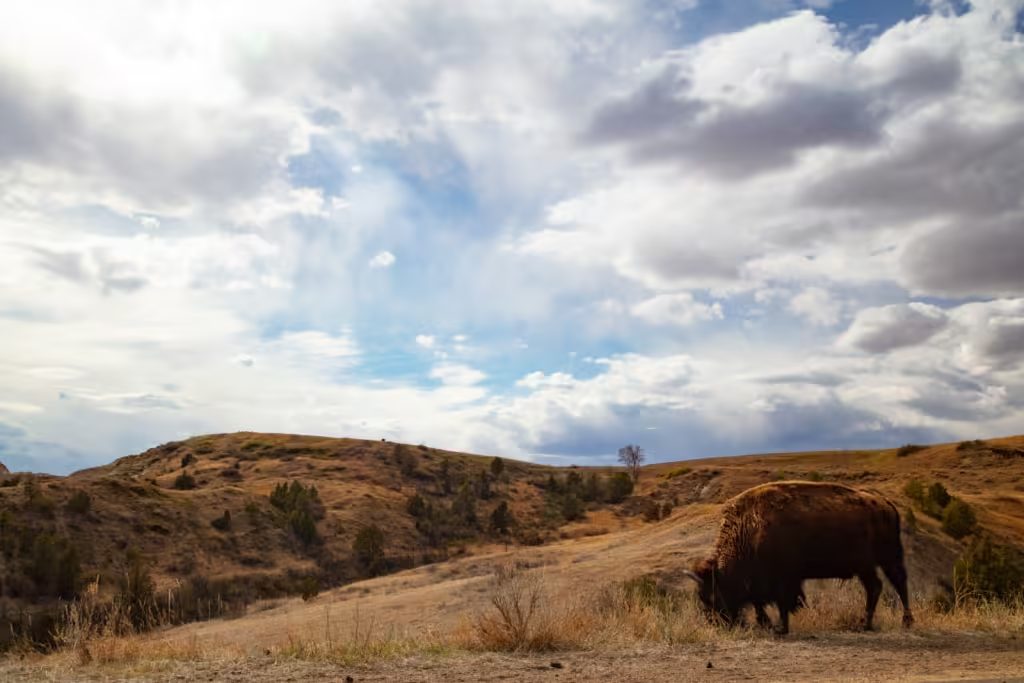
The Sage Creek Wilderness Area is a goldmine for animal sightings. I’ve watched massive bison herds, bighorn sheep scaling cliffs, and prairie dog towns that go on forever.
Early morning and late evening are prime times for wildlife. I keep binoculars handy for surprise moments when something cool pops up in the distance.
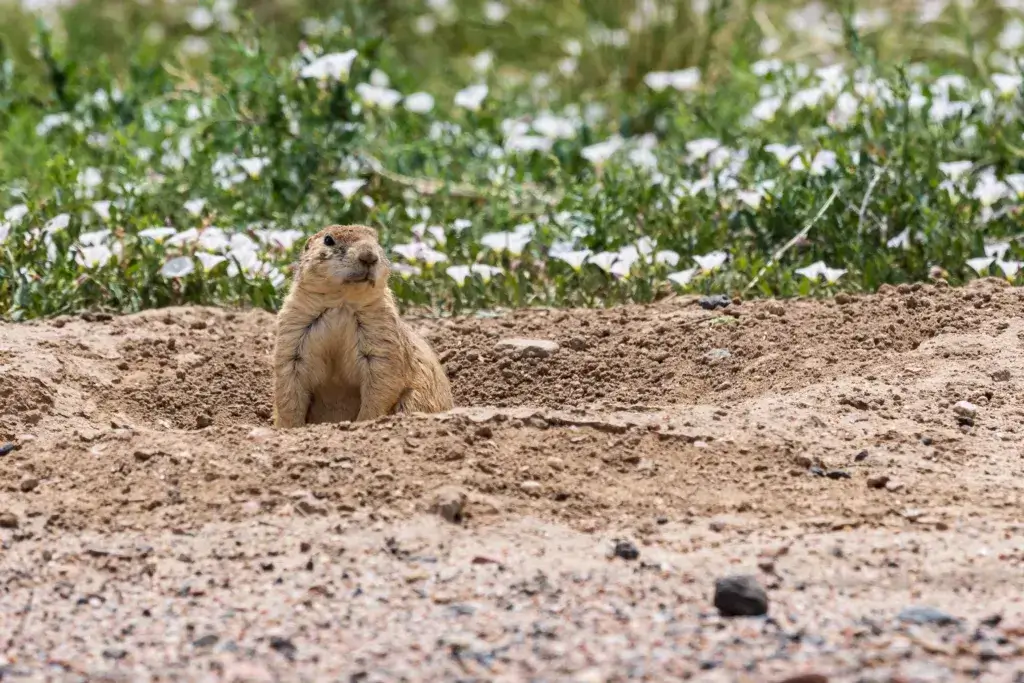
Prairie dogs are hilarious – always popping up and chirping at each other. I could watch them for hours.
I never try to get close or feed any animals. Bison might look chill, but they’re unpredictable and surprisingly quick.
Photographing Sunsets and Stargazing
Sunsets here are wild – blues, oranges, reds, all layered over the rocks. I usually set up my camera half an hour before sunset to catch the whole show.
Stargazing is next-level with almost no light pollution. The Milky Way stretches across the sky, and shooting stars are pretty common.
I use a tripod for long exposures and a red headlamp to keep my night vision. A reclining camp chair helps for late-night sky sessions.
Cell service is spotty, so I download a stargazing app before I get there. It’s handy for spotting constellations and planets offline.
Nearby Attractions and Local Experiences
Boondocking near the Badlands puts you close to some of South Dakota’s most iconic (and weirdest) roadside stops. From quirky shops to big-name monuments, there’s plenty to do between sunrise and sunset at camp.
Wall Drug Store: The Quirky Roadside Giant
Wall Drug Store is just minutes from camp, and you can’t miss it. The billboards start hundreds of miles out, promising free ice water and 5-cent coffee.
It started as a tiny pharmacy back in 1931 and now takes up most of a city block. I always swing by for supplies before heading to camp – the homemade donuts alone are worth a stop.
Inside, it’s a wild mix: a giant jackalope, an animatronic T. rex, a chapel, western art, and enough souvenirs to fill a pickup. The café does breakfast all day, and the roast beef sandwich is actually pretty good.
The pharmacy still operates, so it’s handy if you need meds or last-minute basics. I usually stock up on snacks and drinks since it’s the last real stop before heading out.
Visitor Centers and Park Gateways
The Ben Reifel Visitor Center is the main info spot for Badlands National Park, right near the northeast entrance. It’s open all year and has exhibits on geology, wildlife, and history.
I always grab a park map and check trail conditions here. The rangers know their stuff and can recommend the best spots depending on what you’re after.
The White River Visitor Center covers the park’s south unit on the Pine Ridge Reservation. It’s only open in summer, but it’s got exhibits focused on Lakota culture and history.
Both centers have restrooms, water refill stations, and little bookstores. If you’re planning a big hike, check in with the rangers first.
Day Trips to Custer State Park and Beyond
Custer State Park is about 90 minutes west in the Black Hills. The Wildlife Loop Road is famous for bison encounters, and Needles Highway has some of the most dramatic rocks I’ve ever seen.
Mount Rushmore is only an hour away, so it’s easy to fit into a half-day trip. The Minuteman Missile National Historic Site is just off I-90 east of the park and has free tours of a Cold War missile silo.
Wind Cave National Park is another hour south of Rushmore. If you want to go underground, book a cave tour ahead of time – they fill up fast in summer. There’s also great hiking and wildlife above ground.
All of these make easy day trips from camp. I like having a home base at the boondocking area and heading a different direction each day.
Boondocking Etiquette and Leave No Trace
When I camp in the Badlands, I stick to the basics: pack out my trash, give wildlife plenty of space, and double-check the local camping rules. It’s not complicated, but it makes a difference for everyone who comes after.
Respecting Wildlife and Fellow Campers
When I’m boondocking in the Badlands (or anywhere for that matter), I always give wildlife plenty of space. Bison, bighorn sheep, and prairie dogs call this place home, and getting too close stresses them out and could put yourself in a bad spot if you get too close.
No matter how cute they look, never feed the animals. Feeding them messes with their natural instincts and can make them sick.
I keep all my food in sealed containers inside my camper so critters don’t come looking for a midnight snack. It’s just not worth the risk, for them or me.
As for other campers, I try to keep things quiet, especially once the sun goes down. Nobody’s trying to listen to my playlist or generator when they’re stargazing.
If I can, I park at least 100 feet away from the next rig. Space is good for everyone.
When someone new rolls in looking a bit lost, I usually offer some friendly tips about good spots nearby. The Badlands crowd is at its best when we help each other out.
Pack It In, Pack It Out
Everything I bring into the Badlands leaves with me. That means not just the obvious stuff like food wrappers and bottles, but also things people forget – cigarette butts, toilet paper, even food scraps.
I always pack extra garbage bags because boondocking spots don’t have trash bins or dumpsters. One bag for regular trash, another for recyclables – makes it easier to sort things out later.
Here’s my usual pack-out list:
- All food waste (yep, even apple cores and banana peels)
- Gray water from washing dishes
- Pet waste in sealed bags
- Ashes from campfires (if fires are allowed)
- Any trash I find that someone else left behind
I steer clear of messing with rocks, plants, or any cool geological features. These formations took forever to form, and moving them ruins things for the next people who come through.
Navigating Local Regulations
Boondocking in the Badlands isn’t what it used to be. Now, we can only camp where US Forest Service signs say it’s okay – not just anywhere along the Badlands Wall like before.
So, I try to get there before 3 pm to snag a spot. There’s talk of capping the area at 70 spots, which might make things less chaotic but also means you have to plan ahead.
Always check fire restrictions before heading out, since they change with the weather. Some spots ban fires completely, while others only allow them in official fire rings.
Permit rules depend on which part of the Badlands you’re camping in. National Park, National Grasslands, BLM land – they all have their own quirks and rules. I double-check the rules for my exact spot before I set up camp.
Wrapping Up: Why You’ll Want to Return
The Badlands just stick with you. I catch myself daydreaming about the wild rock layers and endless skies, even after I’ve moved on.
Waking up to that view is addictive. No campground fees, no reservations – just you and one of the weirdest, coolest landscapes in the country.
It feels spontaneous every time, since you can just pull off and set up wherever there’s a spot.
Here’s what keeps me coming back:
- The sunrises and sunsets are never the same twice
- Wildlife shows up when you least expect it
- Every season feels like a new adventure
- Free camping with epic views beats a packed campground, hands down
The landscape always changes. Spring brings wildflowers, summer means warm nights under the stars, fall is cooler and less crowded, and winter? It’s silent and surreal.
Every trip, I learn something new. Sometimes it’s a hiking trail I missed, sometimes a better boondocking spot along the Wall. There’s always something left to discover.
Boondocking here clears my head like nothing else. No hookups, no distractions – just nature, maybe a good book, and whoever’s with me. It reminds me of why I started traveling in the first place.
Frequently Asked Questions
Free camping near the Badlands Wall is allowed in designated spots marked by Forest Service signs. RVs are welcome at the park’s official campgrounds, but most boondocking happens just outside the park boundaries. Overnight parking rules change depending on whether you’re inside the national park or out on public land.
What’s the scoop on free camping spots in the Badlands?
The main free camping area near Badlands National Park is on Buffalo Gap National Grassland, about six miles south of Wall, South Dakota, right off Highway 240. I’ve camped there a bunch of times – it’s always been free and open, no matter the season.
But things are different now. Since May 2025, camping is only allowed in marked spots along the Badlands Wall. You can’t just pull off wherever anymore.
Those designated sites still have killer views of the formations. Just look for the official signs when you roll in, and pick one of those spots.
Are RV adventurers welcomed with open arms at Badlands National Park?
RVs are totally welcome at Badlands National Park. There are two campgrounds – Cedar Pass and Sage Creek – that can handle RVs, but neither one has hookups.
Cedar Pass has sites for rigs up to 40 feet. I’ve seen plenty of big RVs parked there.
The famous boondocking spots aren’t actually inside the park, though – they’re on public land managed by the Forest Service, just outside the park boundary near the Pinnacle entrance.
Need the lowdown: overnight parking in the Badlands, can we wing it?
Inside Badlands National Park, you can’t just wing it – overnight parking is only allowed in the campgrounds.
But on Buffalo Gap National Grassland, you’re good to camp overnight in marked dispersed camping areas. The Wall has spots set aside just for this.
My advice? Stick to the designated Forest Service sites. You’ll be following the rules and still get those awesome Badlands views.
Campsite maps in the Badlands – treasure maps or just plain ol’ maps?
The campsite maps are nothing fancy, but they get the job done. The Wall dispersed camping area sits up on a bluff with panoramic views, and if you want to plug in GPS coordinates, try 43.8898, -102.227.
I wouldn’t call them treasure maps, but they’re handy. You can spot the area from Highway 240, and once you turn onto the dirt road heading east, the Forest Service signs mark the camping spots.
Cedar Pass and Sage Creek inside the park have basic campground maps at the visitor center, showing site locations and what’s available.
Looking for a wilderness crib: Any cabins in the Badlands for a comfy hideout?
There aren’t any cabins in Badlands National Park itself. The park sticks to tent and RV camping at its two campgrounds.
The boondocking areas on Buffalo Gap National Grassland don’t have cabins either. It’s all bring-your-own-shelter out there.
If you want a cabin, you’ll have to look in nearby towns like Wall, or maybe check out the Black Hills area about an hour away. The park’s all about camping, not cabin life.
Who’s got the insider info on Badlands’ ‘The Wall’ camping?
The Wall camping area gets its name from the dramatic Badlands Wall formation it overlooks. The USDA Forest Service Wall Ranger District manages it, so they’re the folks with the official scoop.
I picked up the best info just by showing up and chatting with other campers. The camping community is pretty welcoming, and people love to swap tips about the best spots or what the conditions are like.
Lately, they’ve changed things up a bit. You now have to camp in the designated spots marked by Forest Service signs.
Gone are the days of pitching your tent wherever you feel like it – so yeah, make sure you stick to the marked areas if you want to avoid any hassle.