
Wild Camping with a Dog: Ultimate Guide for a Safe Adventure
Picture this: you’re sitting by a crackling campfire under a sky full of stars. Your furry best friend is curled up next to you, totally wiped out after a day spent wandering the wild together.
I’ve been in that exact spot more times than I can count. There’s just something special about sharing the outdoors with your dog; it’s a kind of freedom you don’t get at regular campgrounds.
Wild camping with your canine companion opens up a world of adventure that’s hard to beat.
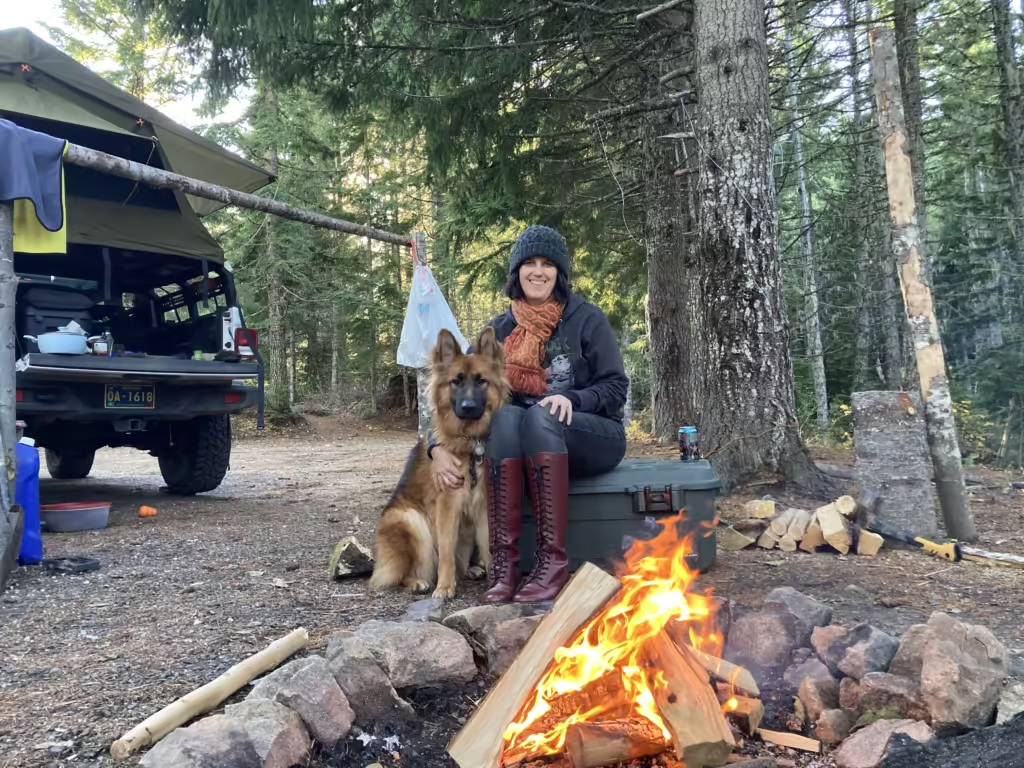
Wild camping with your dog is not only possible but incredibly rewarding when you properly assess your pet’s temperament, pack the right gear, and follow essential safety protocols.
I learned this the hard way in my early camping days – forgotten blankets, not enough water, you name it. Turns out, successful wild camping with your dog really does come down to thoughtful prep and knowing your four-legged buddy’s quirks.
Maybe you’re wondering if your energetic lab would love the wild, or if your anxious rescue is ready for the challenge. Or maybe you’re already sold but need tips on tents, gear, or making sure your pup stays safe when there’s wildlife nearby.
Let’s dig into how to tell if your dog’s ready, what to pack, and how to make memories you’ll both want to relive, while staying comfy and safe out there.
Key Takeaways
- Check your dog’s health, personality, and fitness level before planning any wild camping trip.
- Bring essential gear like a sturdy tent, first aid kit, and secure food storage to keep your dog safe and happy.
- Stick to safety basics: keep your dog leashed, secure your camp, and stay ready for wildlife surprises.
Is Wild Camping with Your Dog Right for You?
Wild camping isn’t for everyone, and that’s completely fine. Your dog’s personality, training, and health are huge factors in whether you’ll both love the adventure or end up wishing you’d stayed home.
Assessing Your Dog’s Temperament
High-energy dogs can be awesome camping partners. They’ll eat up the trails and have the stamina for long hikes, but they need plenty to do or they’ll find their own mischief at camp.
Anxious or reactive dogs face bigger challenges in the wild. New sounds and smells can stress them out. If thunderstorms at home send your dog under the bed, unfamiliar outdoor noises might be a struggle.
Think about how your dog reacts to:
- Meeting strangers on trails
- Loud or weird sounds
- Being away from home
- Sleeping somewhere new
Calm, adaptable dogs usually take to camping with your dog adventures like pros. They just kind of roll with it and stick close.
Age matters, too. Seniors might not be up for tough hikes, while young puppies aren’t always great at resisting temptation.
Training and Obedience Considerations
Your dog’s training can make or break your wild camping trip. I’ve seen plenty of outings go sideways because folks overestimated their pup’s recall.
Solid recall is a must for wild camping. Your dog needs to come when called, even if there’s a squirrel or another hiker nearby. Practice in tougher spots before heading out.
Basic commands that help a ton:
- Stay (especially at camp)
- Leave it (for wildlife or random stuff on the ground)
- Quiet (so you don’t become “those campers”)
- Down (for breaks on the trail)
Leash training is super important, especially in areas with wildlife or livestock. Your pup should walk calmly by your side, even when there’s a million new smells.
I tested my dog’s skills at dog-friendly campgrounds before heading into the real wild. It’s a good way to iron out the kinks without the pressure.
Resource guarding around food or water can be an issue. Work on this at home so you’re not surprised at camp.
Health Check and Vaccinations
Nothing ruins a trip faster than a sick dog miles from help. I always book a vet check a couple of weeks before any big adventure.
Vaccinations should be up to date – rabies, DHPP, Lyme (especially if you’re headed somewhere tick-heavy). Ask your vet if you need extras for your destination.
Parasite prevention is non-negotiable. Fleas, ticks, and worms are way more common out where wildlife hangs out.
Make sure your dog is fit enough for the plan. If they’re used to short walks, don’t expect them to handle a weekend of hiking. Build up slowly with longer walks.
Age matters a lot. Puppies under 16 weeks shouldn’t camp where unvaccinated animals roam. Older dogs need extra care for their joints and temperature changes.
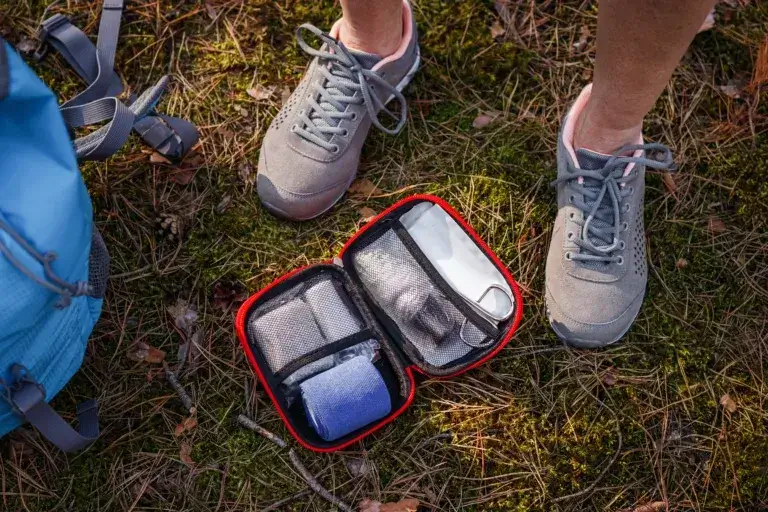
Pack a camping first aid kit just for your dog:
- Any meds they take
- Wound cleaning stuff
- Emergency vet contacts
- Vaccination records (just in case)
Planning and Preparing Your Adventure
Your wild camping trip can be amazing, or a total headache, depending on where you set up and what you know before you go. A little research now saves a lot of hassle later.
Choosing Dog-Friendly Wild Campsites
Finding the right wild camping spot with my dog took some trial and error. I look for gentle terrain so my pup isn’t scrambling over rocks or steep hills.
Water access is a must. I always try to camp near a stream or lake. Dogs get extra thirsty when they’re active. Natural windbreaks like rocks or thick trees are a bonus when the weather turns weird.
I avoid spots with heavy wildlife activity. If I see fresh bear tracks or angry birds, we move on. Camping with your dog means being extra careful in predator country.
Soft ground or grass beats hard rock any day. My dog sleeps better, and it’s way easier to stake down the tent.
Distance from trailheads matters too if you plan on going hiking. Too close, and you’ll get interrupted by hikers. Too far, and your dog’s tired before you even settle in.
Understanding Local Rules and Regulations
Rules for camping with dogs change everywhere. I learned this the hard way when a ranger told me dogs weren’t allowed off-leash in that forest.
National parks usually want dogs leashed at all times. Some spots ban dogs during wildlife breeding seasons. Always check park websites or call ahead before you go.
What to check before you go:
- Leash rules
- Seasonal bans
- Permits needed
- Fire bans
- Waste disposal rules
On private land, always ask the landowner. I’ve knocked on farmhouse doors and most folks are happy to help if you’re polite, and sometimes they’ll even share secret local spots.
Some wild areas require permits. Here in the Pacific Northwest, many areas require a wilderness permit for a large portion of the year.
I did some research on other areas and discovered that Scotland is pretty open, but England’s a lot stricter about trespassing. I keep a printout of the local rules in my pack, just in case anyone asks.
Hunting seasons can be risky. I always check dates and avoid those areas when hunters are out. Bright orange gear on my dog helps during those times.
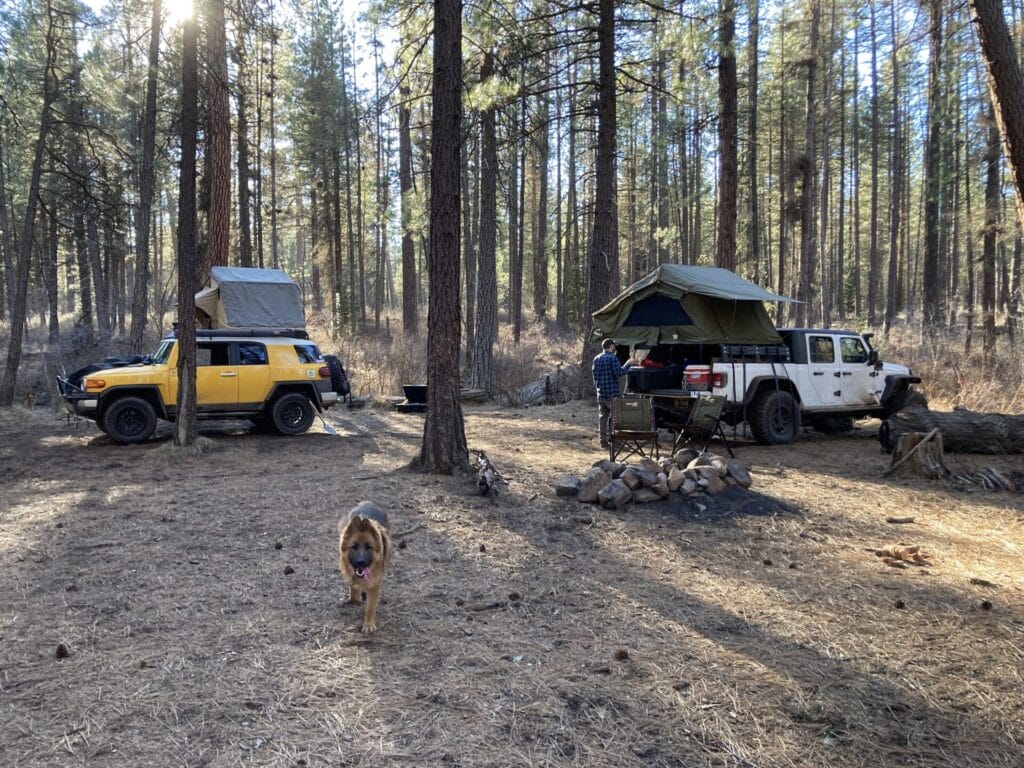
Packing Dog Camping Essentials
Packing dog camping gear takes a bit of planning, but it’s so worth it when your pup’s tail is wagging out in the wild. Having the right stuff, safe food storage, and a few emergency items can make or break your trip.
Dog Camping Gear Checklist
I always start with the basics. Collapsible bowls are a lifesaver; lugging heavy ones from home gets old fast.
A strong leash and collar with up-to-date ID tags are must-haves.
Protective gear helps a ton on rough ground. I bring protective boots for rocky areas and a cooling vest for hot days.
Here’s what never leaves my pack:
- Elevated dog bed with weather cover
- GPS tracker (seriously, don’t skip this)
- Biodegradable poop bags and holder
- Fast-drying towels
- Dog brush for burrs and tangles
- Favorite toys for comfort
Food, Water, and Treats for Your Pup
Planning your pup’s meals takes more thought than you’d expect. I always toss in at least one extra day’s worth of dog food because let’s be real, weather loves to mess with our plans.
Portion control gets tricky out there. I pre-measure meals into zip-lock bags so I’m not eyeballing amounts and accidentally feed too much or too little.
Water is even more important. Dogs burn through it faster when they’re excited and active, so I bring double what I think we’ll need.
| Item | Amount | Storage Tip |
|---|---|---|
| Dry kibble | 3+ days worth | Airtight containers |
| Treats | Double normal amount | Sealed bags |
| Water | 1 gallon per dog per day | Collapsible containers |
First Aid Kit and Health Supplies
I’ve patched up my dog more times than I’d like to admit. Sharp rocks, sneaky thorns, those paw pads are magnets for trouble.
My dog’s first aid kit always has bandages, antiseptic wipes, and tweezers for splinters. I throw in any regular meds, plus a little extra.
Temperature checks are a must. I keep a digital thermometer in my kit because tents can heat up fast, and dogs don’t always show when they’re overheating.
- Emergency vet contact saved in my phone
- Gauze and medical tape for patching up wounds
- Hydrogen peroxide for cleaning cuts
- Antihistamine tablets (vet-approved dose!)
- Thermometer for quick checks
Setting Up Camp with Your Dog
Getting your campsite ready with your dog takes a little extra planning. Where will they sleep? How do you keep them cozy if the weather flips on you?
I’ve found a few simple tricks can turn a restless night into a pretty dreamy one for both of you.
Safe Sleeping Arrangements
I always look for the flattest, most sheltered spot for our sleeping area. My dog sleeps in the tent with me, and I keep her close at night.
A solid dog bed is a real game-changer. My dog loves her elevated cot.
Your dog will thank you when they’re not tossing and turning on hard ground all night. I keep my dog’s leash clipped to my wrist or a tent stake while we sleep, no surprise midnight adventures for us.
Inside the tent is usually best; my dog always sleeps with me. If your pup is huge or prefers the great outdoors, set up a secure spot right by your tent door. I’d use a long lead so she can move, but not disappear into the night.
Don’t forget a familiar blanket or toy. That comforting smell from home helps anxious pups settle in new places.
Keeping Comfortable in All Weather
The weather can change in a heartbeat out there. My dog got cold way faster than I expected on one of our trips.
Cold nights call for an insulated dog bed or sleeping pad. I layer a waterproof groundsheet underneath so moisture doesn’t creep in.
If it’s really chilly, I’ll bring an extra sleeping bag just for her. Hot weather? I pick a spot with shade and always have a portable water bowl handy.
Cooling mats are awesome, but in a pinch, a damp towel does the trick. Rain protection is non-negotiable. I bring a lightweight tarp so my dog has a dry spot, because a soaked pup makes the whole tent damp and cranky.
I always toss in extra towels for drying off. Wet paws and fur in a tent? Recipe for a muggy, uncomfortable night.
Paw checks matter. Before bed, I look over my dog’s feet and in between her toes to pick out any little bits that could cause problems.
Safety and Wellbeing Out in the Wild
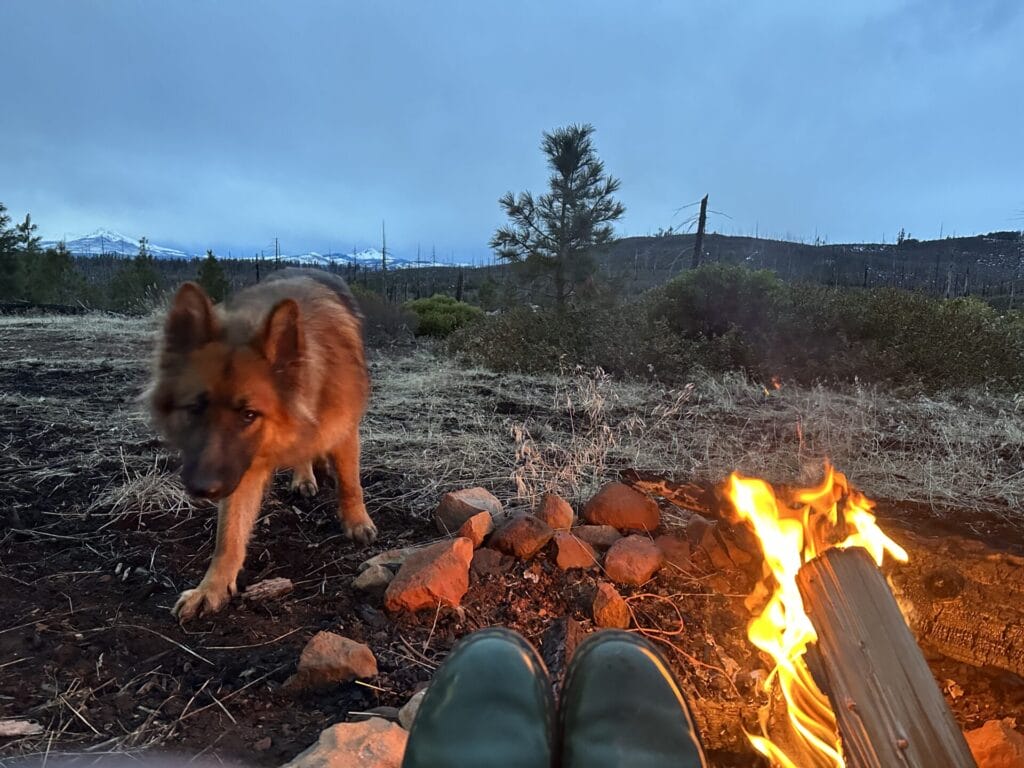
The wild brings its own set of curveballs. A peaceful trip can flip to stressful in a flash if you’re not prepared.
I’ve learned that keeping ticks away and making sure your dog eats right are two things you just can’t ignore out there.
Protecting Against Ticks and Wildlife
Last summer, I went wild camping with a friend, and she pulled three ticks off her dog in the first hour. It was a good reminder to never skip tick prevention when wild camping with your dog.
Before you go:
- Apply tick prevention 24-48 hours before you leave
- Pack tick tools and antiseptic wipes
- Bring a headlamp for evening tick checks
I check Piper’s body twice a day, especially her ears, armpits, and between her toes. Ticks love those hidden, warm spots.
Wildlife is another challenge. I keep Piper close at dawn and dusk, since that’s when predators are out and about. If we run into bigger animals, I stay calm and slowly back away, keeping her behind me.
Don’t let your dog chase wildlife. Especially if you’re in bear country, your dog can bring the bear right back to camp!
Staying Hydrated and Nourished
Dehydration sneaks up fast in the wild. Dogs need a lot more water when they’re hiking than they do at home.
I carry one liter per day for Piper, plus a little extra just in case. Collapsible bowls are my go-to; they pack tiny and are super handy.
Food matters, too. Your pup burns more calories outdoors, so I bring about 25% more food than usual and stick to her regular kibble. New foods can upset their stomach, and you don’t want that miles from a vet.
Watch for dehydration:
- Heavy panting
- Dry gums
- Lethargy
- No interest in food
I used to think natural water sources were safe, but now I always filter stream water or use what I’ve brought. Camping with dogs means being extra careful about water; dogs can pick up parasites way more easily than we can.
Making the Most of Wild Camping Together
Wild camping with your dog is at its best when you find activities that strengthen your bond and respect nature. The trick is balancing adventure with a bit of responsibility.
Fun Activities and Enrichment
My favorite moments camping with my dog happen when we do activities that tap into her instincts. Scent games are a natural fit out there.
I’ll hide treats around camp and let her sniff them out. It keeps her busy and stops her from getting bored (and into mischief).
Nature photography is another favorite. I bring my camera and snap photos of her exploring; those candid shots are some of my best memories.
Early morning and evening walks are perfect for wildlife spotting. My dog’s nose usually finds creatures I’d never notice myself.
I pack a couple of her favorite toys, but honestly, fetch with a stick works just as well. The wilderness itself is full of enrichment.
Stargazing with your pup might sound silly, but it’s become a ritual. We’ll sit together outside the tent and just enjoy the quiet. Sometimes, I think she likes it even more than I do.
Leaving No Trace with Your Dog
Keeping the wilderness wild with dogs takes a little extra effort. I always bring biodegradable waste bags and pack them out, even on longer trips.
Dog waste isn’t like wildlife poop. It can mess up water sources and spread diseases to local animals.
If I have to bury it, I dig a hole at least 6 inches deep and 200 feet from water, but honestly, packing it out is the best way to go for responsible camping.
My dog’s food goes in the same bear-proof container as mine. Pet food attracts critters just as much as ours does.
I never let my dog chase wildlife or stomp through nesting spots. Keeping her on a leash near camp protects both the environment and her.
Quiet hours are important. I make sure my pup is settled during early morning and evening, especially when wildlife is active.
Frequently Asked Questions
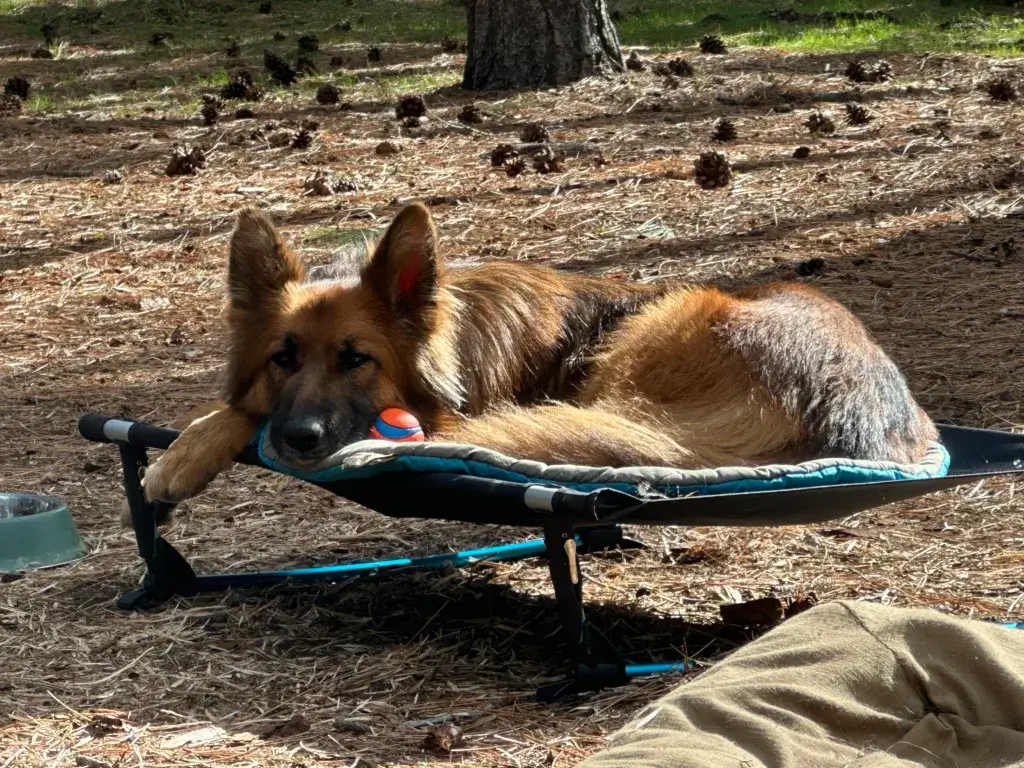
Wild camping with your dog raises all sorts of practical questions, gear, safety, logistics, and more. I’ve been there, wondering how to pack the right stuff and still get a good night’s sleep under the stars with my furry sidekick.
What essentials should I pack for a wild camping adventure with my furry friend?
Packing for two is a whole new game. I’ve learned that my dog’s comfort items matter just as much as my own survival gear.
I always bring a travel dog bed so my pup has a familiar spot inside the tent. Trust me, one night of listening to your dog pace on cold ground will convince you too.
A first aid kit is a must for both of us. I toss in tick removers, bandages, and any meds my dog needs.
I pack multiple towels. They’re lifesavers when your dog discovers the joy of mud. Extra leashes and a solid tether system help keep my dog safe around camp.
Collapsible food and water bowls are a space-saver. I also grab waste bags, a small shovel for digging cat holes, and a couple of familiar toys to help my dog settle in.
Can you share your top tips for ensuring my pup stays safe and happy while we’re out embracing nature?
Safety really starts before we even leave. I schedule a quick vet checkup and make sure flea and tick prevention is up to date. After finding three ticks on my dog post-trip, I don’t skip this step anymore.
I keep my dog tethered around camp. Even the most chill dogs can bolt if something spooks them out there.
Inside the tent, I set up a cozy sleeping spot for my dog. We zip up together, no way am I leaving my pup outside under a tarp.
I pay attention to signs of stress or fatigue. If my dog starts panting a lot or acting off, I call for a break.
I always check the weather and pack extra insulation if it might get cold. Dogs feel those chilly nights just like we do.
I’d love to hear about some dog-friendly wild camping spots—any favorites?
I always research local regulations before heading out. It saves a lot of frustration at the trailhead when you find out dogs aren’t allowed.
Remote spots away from busy trails work best for us. My dog gets to relax without bumping into every other hiker and their dog.
I hunt for places near water, but always camp at least 200 feet away. Carrying enough water for both of us gets heavy fast, so I carry a filter so I can make sure she safely gets plenty to drink.
Natural windbreaks like rocks or dense trees make a huge difference. Open meadows look pretty, but don’t offer much protection when the weather turns sour.
I avoid areas with active wildlife trails or nesting spots. Choosing the right spot keeps both my dog and the local animals safe.
How do you manage your dog’s food and water needs while keeping your backpack light?
I portion my dog’s food into individual bags before we leave. It keeps things organized and cuts down on bulky containers.
Collapsible bowls are a game-changer. I’ve used the same set for ages, they’re light and pack down tiny.
For water, I bring purification tablets and a lightweight filter. That way, we both get clean water from natural sources without lugging gallons from home.
All food goes in scent-proof containers. Keeping food secure means fewer curious wildlife visitors in the night.
If we’re out for a while, I’ll pack freeze-dried dog food. It’s lighter than kibble, but I always switch my dog over gradually before the trip to dodge any stomach troubles.
What’s the secret to a peaceful night’s sleep for both me and my dog when we’re under the stars?
I make sure my dog gets plenty of exercise during the day. A tired pup is a happy, sleepy pup, no midnight zoomies, please!
We stick to a bedtime routine that’s pretty close to what we do at home. Bathroom break, quiet time, then settling into our sleeping spots.
Familiar scents help my dog relax. I always bring a favorite blanket or toy that smells like home, just in case the woods feel a little too wild.
I secure my dog inside the tent with me. I’m not willing to take any chances.
If my dog gets restless from unfamiliar sounds, I try to stay calm. Dogs pick up on our moods, so I figure my relaxed vibes help my pup settle down faster, too.
Could you walk me through the Leave No Trace principles when camping with a dog?
Pack out all waste, including your dog’s poop, even way out in the backcountry. I usually bring extra bags, because you never know when you’ll need a spare (or three), and sometimes I end up carrying them for a couple of days before I find a trash bin.
If I can’t pack it out right away, I’ll bury my dog’s waste in a cat hole at least 6-8 inches deep and at least 200 feet from water, trails, and campsites. A little trowel weighs almost nothing and makes the job way less awkward – trust me on that one.
Stick to designated trails with your dog. It’s tempting to let them roam, but even pint-sized pups can trample delicate plants or disturb tiny critters hiding in the grass.
Never leave food scraps behind, even if it’s just a crumb or two. Feeding wild animals might seem harmless, but it can totally mess with their instincts and sometimes turns them into troublemakers for future campers.
Keep your dog calm and close, especially around wildlife. Barking can spook animals and ruin the vibe for other folks who just want to soak up the quiet.
I always set up camp on durable surfaces, think gravel, rock, or established sites. Pitching a tent on plants flattens them and can leave a mark that lasts way longer than you’d guess.