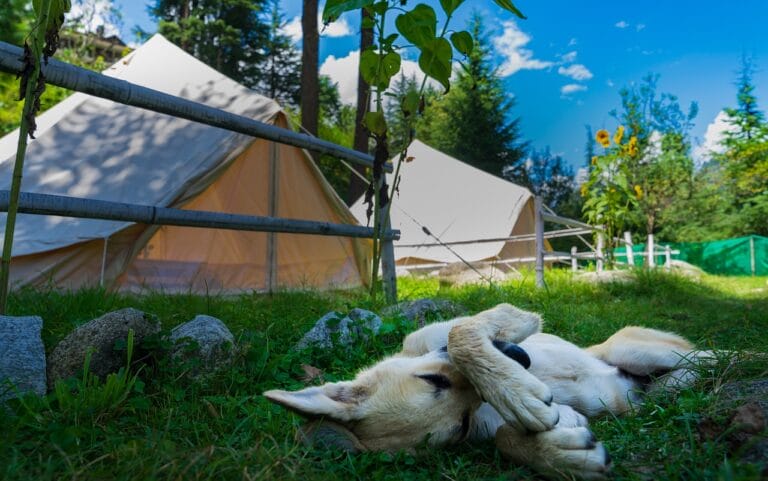

Glamping for Personal Growth: Nature, Luxury & Self-Discovery
Glamping changed something in me that I didn’t expect. I thought I was just booking a fancy tent for a weekend getaway, but what I got was so much more than a comfortable bed in the woods.
Glamping combines the healing power of nature with enough comfort to let you focus on yourself instead of survival, creating the perfect setting for real personal growth and self-discovery.
When you’re not worried about bears getting into your food or whether your sleeping bag will keep you warm, your mind has space to actually think. I’ve found that glamping strips away the usual distractions of daily life without adding the stress of roughing it. You get morning coffee while watching the sunrise, quiet evenings by the fire, and real conversations with yourself or the people you brought along.
The best part? Camping builds emotional resilience and personal growth that sticks with you long after you pack up and head home. Each challenge you face outdoors plants seeds of confidence that grow into lasting change. Whether you’re looking to reset your mindset, strengthen relationships, or just figure out what matters most to you, glamping offers a gentler path to those breakthroughs than traditional camping ever could.
Key Takeaways
- Glamping gives you the mental health benefits of being in nature, minus the survival stress that can get in the way of real reflection.
- Spending time outdoors builds lasting confidence and emotional strength, thanks to small challenges in a supportive setting.
- The right glamping experience helps you connect with the environment and yourself in ways that stick.
What Is Glamping and Why It’s Trending
Glamping mixes outdoor adventure with real comfort, and it’s become a preferred lifestyle choice for modern travelers who want nature without the hassle. The appeal comes from upgraded accommodations, actual beds, and amenities that traditional camping just doesn’t offer.
Defining Glamping Versus Traditional Camping
When I first heard about glamping, I thought it sounded ridiculous. But after one night sleeping on an actual mattress instead of the ground, I got it.
Glamping combines “glamorous” and “camping” to create something totally different from regular camping. Traditional camping means pitching your own tent, sleeping in a bag on hard ground, and hoping it doesn’t rain. You bring everything yourself and deal with bugs, dirt, and uncomfortable nights.
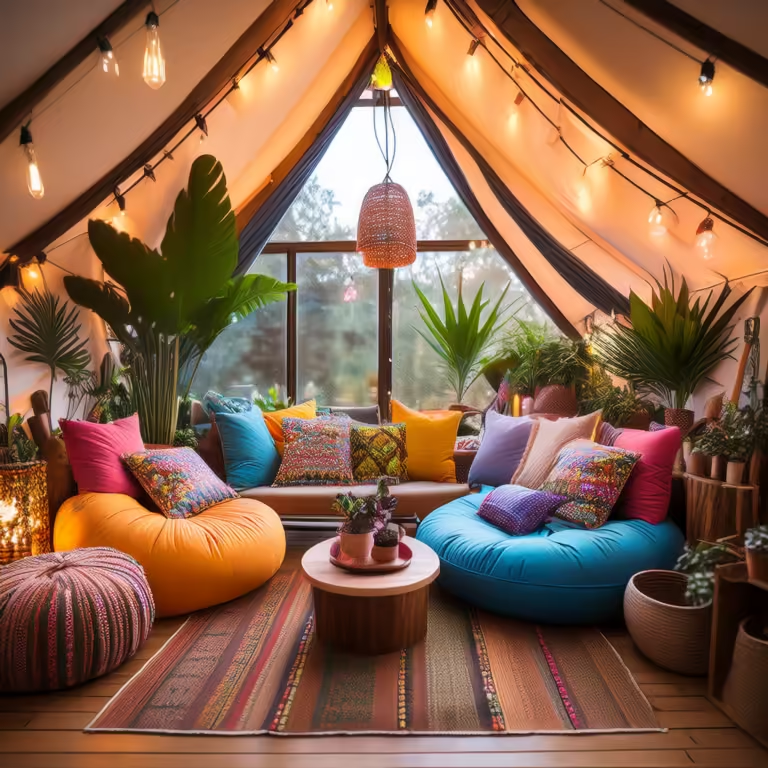
A glamping experience flips that script. You get pre-set accommodations with real furniture, climate control, and often electricity. No assembly required.
The main differences break down like this:
- Shelter: You set up basic tents for camping, but glamping gives you permanent structures.
- Sleeping: Camping means sleeping bags; glamping means real beds and bedding.
- Facilities: Camping usually means communal bathrooms (or none), while glamping sites often have private bathrooms.
- Effort: Camping is all DIY; glamping is ready when you arrive.
Key Features and Comforts
What makes glamping worth the extra cost? The amenities that let me enjoy nature without suffering through it.
Most glamping sites include comfortable beds with quality linens. I’m talking real pillows, not rolled-up jackets. Many locations offer heating or air conditioning, which sounds excessive until you’re trying to sleep in 90-degree heat or 40-degree cold.
Private bathrooms are huge. Running water, actual toilets, and sometimes even hot showers make a massive difference in comfort.
Common glamping features include:
- Electricity and lighting
- Wi-Fi access
- Kitchenettes or dining spaces
- Outdoor decks or patios
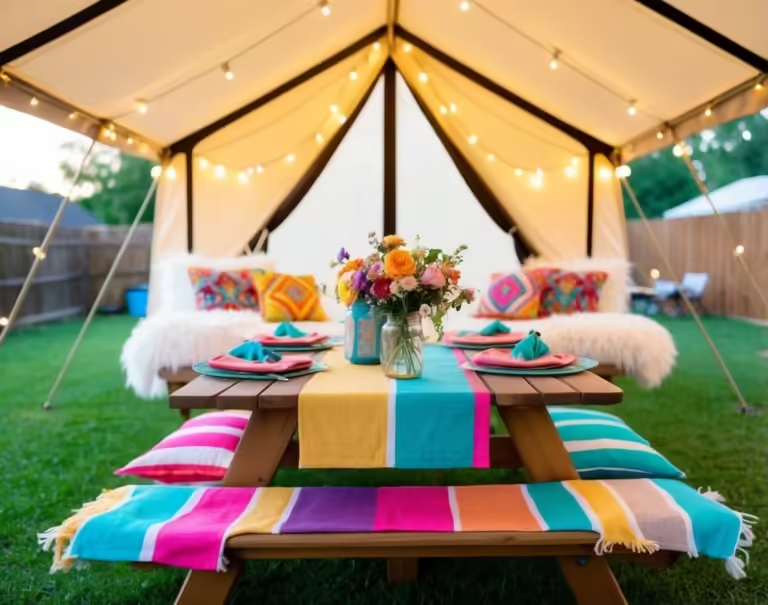
- Fire pits with seating
- Quality furniture
Some upscale sites add hot tubs, gourmet meals, or concierge services. The goal is to bring modern convenience to natural settings without sacrificing the outdoor experience.
Popular Glamping Accommodations
The variety of glamping options surprised me when I started looking. It’s way more than fancy tents.
Cabins are probably the most common choice. They range from rustic one-room structures to fully equipped mini-homes with multiple bedrooms. I love that cabins feel like actual buildings while still putting you in nature.
Yurts offer something different. These circular, tent-like structures originated in Central Asia and provide surprising space and comfort. Most come with wood floors, furniture, and skylights for stargazing.
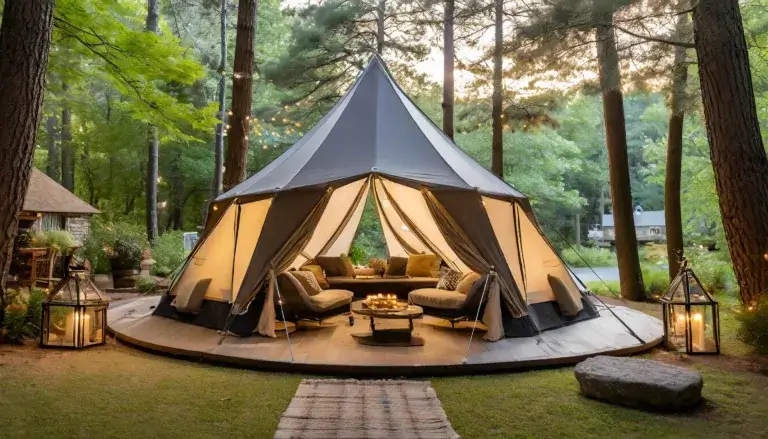
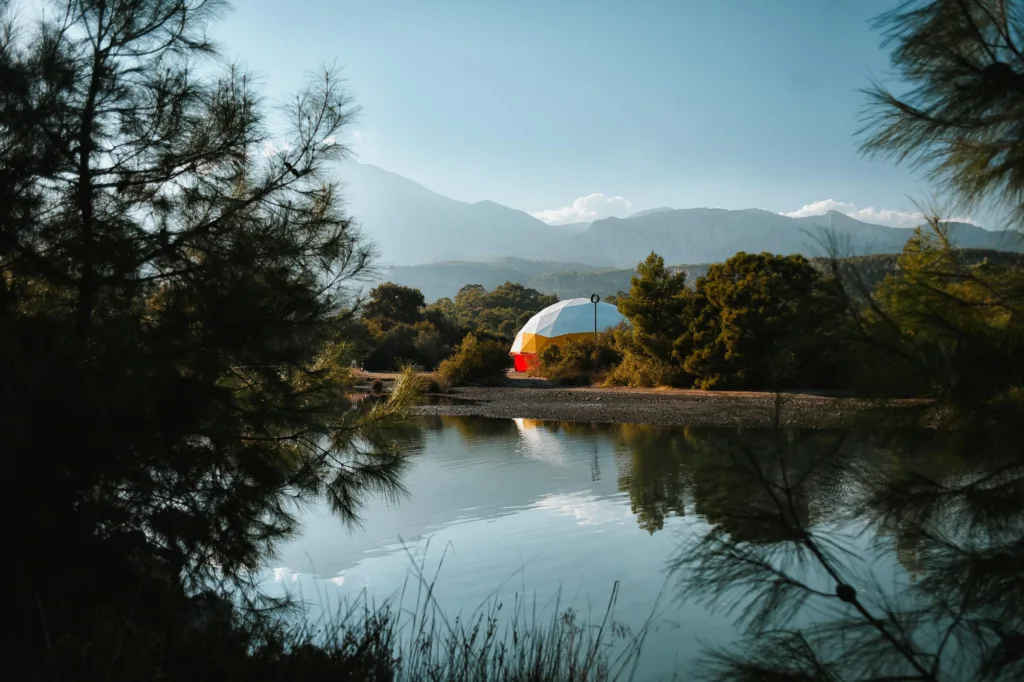
Other popular accommodations include treehouses, geodesic domes, and even safari-style tents. Some sites offer Airstreams, converted barns, or tiny houses.
Each type creates its own vibe. Yurts feel cozy and unique. Cabins offer familiarity with a woodland twist. Treehouses bring out the kid in everyone. The accommodation becomes part of the experience, not just a place to crash.
The Connection Between Glamping and Personal Growth
Glamping creates unique opportunities for personal development by placing us in natural settings while maintaining enough comfort to focus on inner work. The glamping experience drives emotional energy through continuous feedback and meaningful activities that help us understand ourselves better.
Nature as a Catalyst for Self-Discovery
I’ve found that spending time in nature during a glamping trip strips away the usual distractions of daily life. Without constant notifications and busy schedules, I can actually hear my own thoughts.
Nature connectedness and proximity to natural environments create conditions for genuine self-reflection. The natural surroundings encourage me to examine my values, goals, and relationships in ways that feel impossible back home.
What makes glamping special is the extended exposure to outdoor environments. I’m not just passing through on a hike. I’m waking up to birdsong, eating meals outdoors, and falling asleep under the stars. This personal meaning and emotional connection develops gradually through repeated interactions with the natural space around me.
Balancing Comfort and Adventure
The comfort aspect of glamping isn’t just about luxury. It removes enough stress that I can focus on growth rather than survival.
I don’t have to worry about setting up a tent in the rain or sleeping on rocky ground. Instead, I can channel my energy toward trying new activities, meeting new people, or working through challenging emotions. This balance between comfort and challenge creates an ideal environment for personal development.
Research shows that glamping combines previously unconnected elements like proximity to nature and modern amenities. I can push myself during the day with hiking, kayaking, or other adventures, then return to a cozy space where I can process those experiences.
Place attachment develops when I feel safe enough to relax but stimulated enough to grow. The glamping setup provides both security and novelty.
Mindfulness and Reflection Outdoors
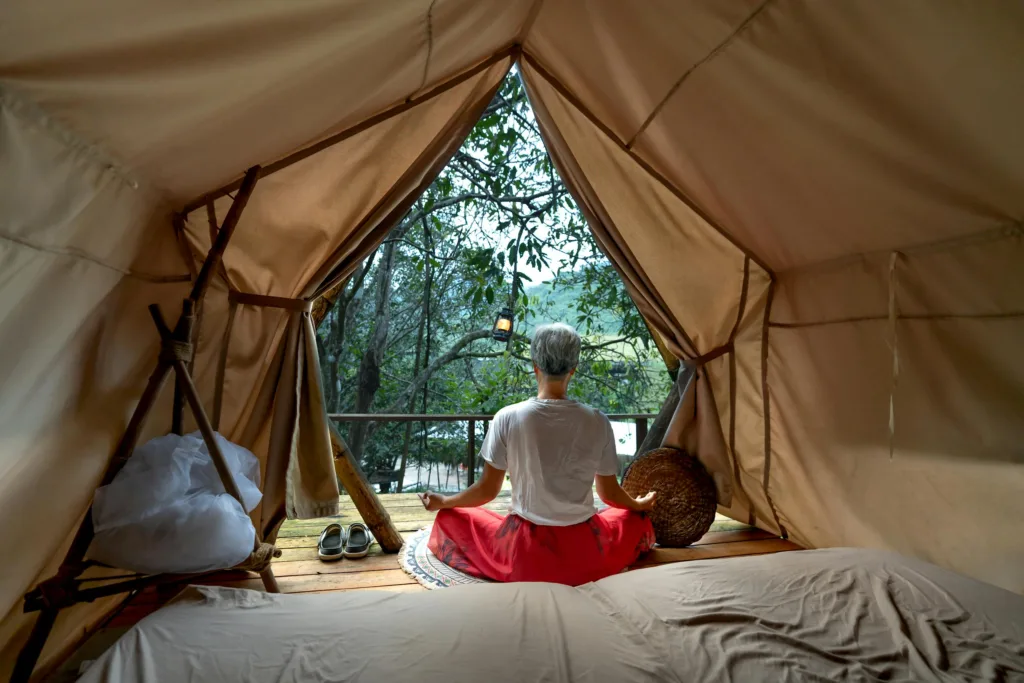
Glamping naturally encourages mindfulness because the outdoor setting pulls my attention to the present moment. I notice the wind in the trees, the quality of light at different times of day, and the sounds of wildlife around me.
Forty percent of travelers now prioritize destinations that offer opportunities for mindfulness and personal growth. The outdoor environment makes meditation and reflection feel easier and more natural than practicing at home.
I find myself journaling more, sitting quietly without feeling restless, and actually observing my thoughts instead of getting caught up in them. The natural rhythm of sunrise and sunset creates a framework for daily reflection that feels meaningful rather than forced.
Benefits of Glamping for Mental and Emotional Wellbeing
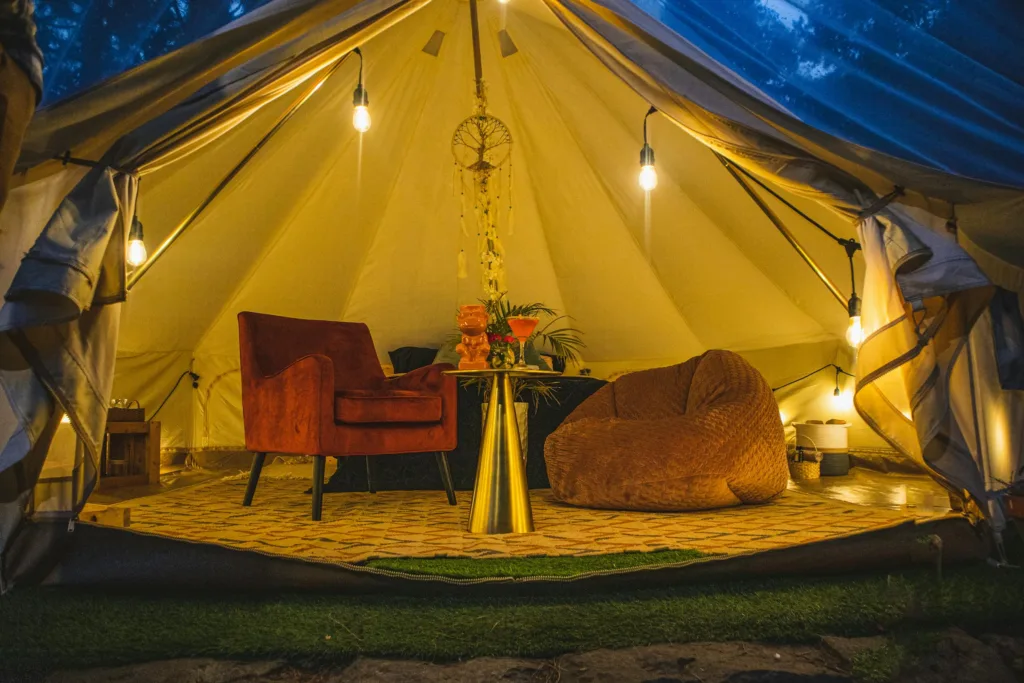
I’ve found that glamping offers real advantages for my mental health, from lowering my stress levels to helping me feel more capable in new situations. The mix of nature and comfort creates conditions where I can actually relax and connect with others in meaningful ways.
Reducing Stress and Boosting Mood
When I spend time glamping, I notice my stress levels drop pretty quickly. Research shows that people who spend time in nature have lower levels of cortisol, which is the hormone our bodies release when we’re stressed. I don’t have to rough it in a tent to get these benefits either.
The comfort aspect of glamping makes a real difference. I can enjoy being outside without worrying about sleeping on hard ground or dealing with a complicated camping setup. This combination lets me focus on actually relaxing instead of managing discomfort.
My mood improves when I’m surrounded by trees, fresh air, and natural sounds. Studies consistently demonstrate that spending time in natural environments reduces stress and improves mental clarity. I feel more alert during the day and sleep better at night. The change in my daily routine helps break the cycle of negative thoughts that sometimes build up when I’m stuck in my normal environment.
Improving Resilience and Confidence
Glamping has helped me build confidence in ways I didn’t expect. When I try new activities or adapt to a different setting, I prove to myself that I can handle change. Even small challenges like starting a fire or navigating an unfamiliar trail make me feel more capable.
I’ve become more resilient through these experiences. The connection with the natural world is essential for mental rejuvenation and emotional balance. When I face minor obstacles during a glamping trip, I learn to problem-solve without the immediate conveniences I usually rely on.
This translates back to my regular life. I approach difficult situations with more confidence because I’ve practiced adapting in a supportive environment. The sense of accomplishment from trying something new stays with me long after I return home.
Building Meaningful Relationships
Glamping creates space for deeper connections with the people I bring along. Without constant phone notifications and TV distractions, I actually talk to my friends and family. We share meals, play games, and have conversations that go beyond surface-level small talk.
The participation in joint activities during glamping helps build emotional bonds. Whether exploring a trail with someone or cooking together over a campfire, these shared experiences create memories that strengthen relationships.
I’ve also met interesting people at glamping sites. The relaxed atmosphere makes it easier to strike up conversations with fellow glampers. These interactions remind me that connecting with others face-to-face still matters, even in our digital world.
How Glamping Inspires Growth Through Experience
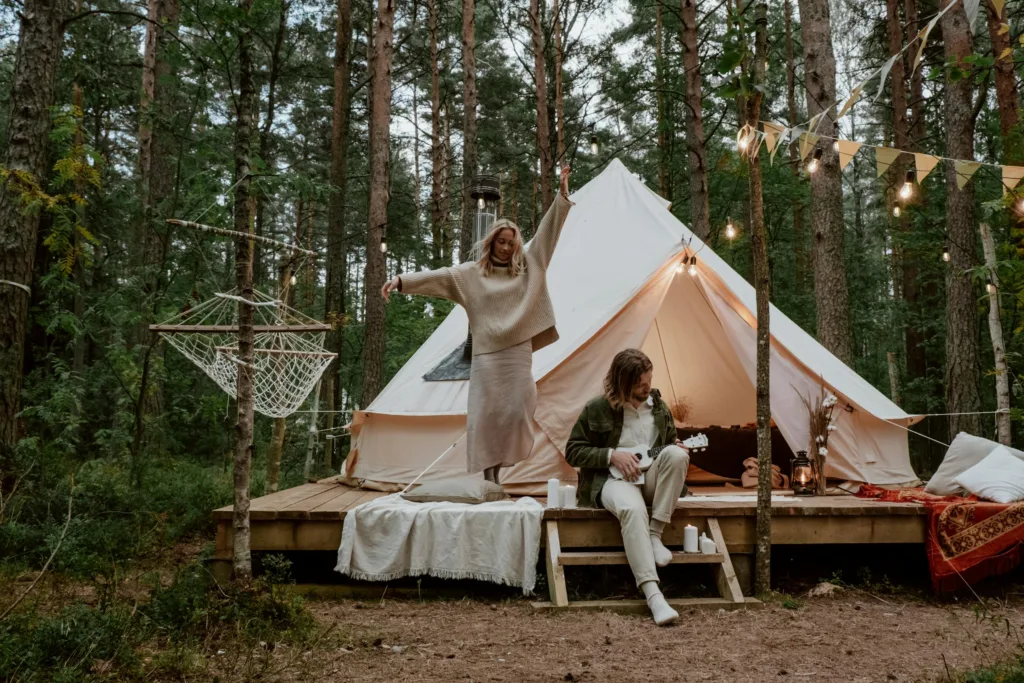
Glamping pushes you outside your everyday routine while keeping you comfortable enough to focus on learning. You tackle new challenges, pick up hands-on skills, and connect with the culture around you in ways that standard hotels never offer.
New Challenges in a Safe Setting
I’ve found that glamping creates the perfect balance between pushing your boundaries and keeping you secure. You might sleep in a canvas tent or dome, but you’ve got a real bed and maybe even heating. This setup lets you try things like hiking at dawn, cooking over a fire, or spending a night away from city lights without worrying about basic survival.
The glamping flow experience builds through continuous reinforcement as you complete small tasks that feel meaningful. You learn to adapt when rain changes your plans or when you need to navigate an unfamiliar trail. These moments teach resilience without throwing you into genuine danger.
Most glamping operators design experiences that gradually increase in difficulty. You start with simple activities like guided nature walks, then move toward more independent exploration. This progression builds confidence naturally because each success prepares you for the next challenge.
Learning Practical Skills
Glamping gives you chances to develop abilities that actually matter in daily life. I’m talking about lighting fires, identifying edible plants, reading weather patterns, or setting up outdoor gear. These aren’t just camping tricks. They’re problem-solving skills that transfer to other areas.
Plenty of sites offer hands-on workshops. You might learn to:
- Build a shelter with natural stuff
- Make a meal with limited gear
- Navigate with a map and compass
- Tie knots for all sorts of uses
The best part is that you practice these skills in low-pressure situations. If you mess up your first attempt at starting a fire, someone’s there to help. You get immediate feedback and can try again right away. This repetition builds competence faster than reading about techniques online.
Building Connection to Local Culture
Most glamping sites sit in areas with rich cultural histories. The operators often partner with local guides, artisans, or farmers who share their knowledge directly with you. I’ve learned traditional cooking methods, heard stories about land management, and participated in cultural ceremonies through these connections.
This isn’t the same as reading a guidebook or taking a bus tour. You’re eating meals with people who live there, asking questions, and understanding how their daily lives work. Glamping combines proximity to nature with opportunities for pedagogical development that go beyond simple relaxation.
You also support local economies when you buy handmade crafts, book cultural experiences, or eat regional foods. This exchange builds mutual respect and gives you a perspective on different ways of living that challenge your assumptions about what matters in life.
Sustainable Glamping: Growing as a Person and a Planet Protector
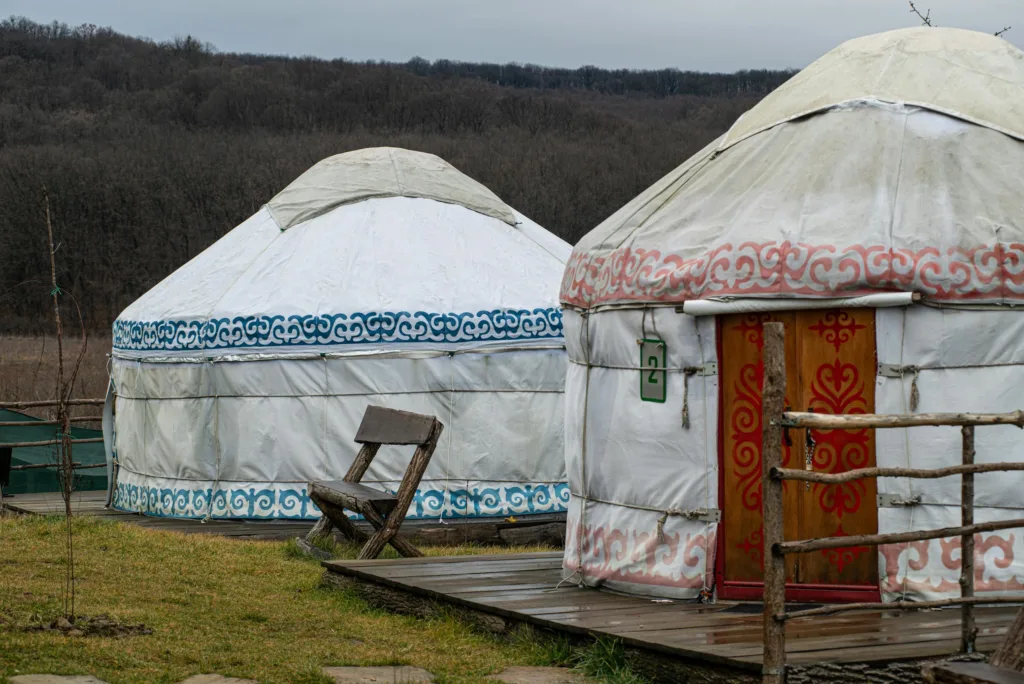
When I think about sustainable glamping, I realize it’s not just about enjoying nature in comfort. It’s about making choices that help the environment while I discover new things about myself and the world around me.
Ecotourism and Responsible Travel
I’ve learned that sustainable glamping is a flagship of ecotourism because it combines luxury with real environmental care. When I choose eco-friendly glamping sites, I’m supporting places that protect local wildlife and reduce their impact on the land.
Responsible travel means I make choices that benefit the places I visit. I look for glamping sites that use solar power, collect rainwater, and manage waste properly. These choices help me grow as a traveler who thinks beyond my own comfort.
I also try to support local communities when I glamp. This might mean buying food from nearby farms or hiring local guides. When I spend money this way, I help create jobs and support families in the area.
Sustainable Tourism Practices
Green technology in glamping has come a long way. I’ve stayed in tents with composting toilets, LED lighting, and even smart thermostats that reduce energy waste.
Many glamping sites now use these sustainable practices:
- Renewable energy like solar panels and wind turbines
- Water conservation with low-flow fixtures and greywater systems
- Eco-friendly materials for building
- Waste reduction through recycling and composting programs
I’ve noticed that glamping businesses are evolving to put the planet first. They’re building with recycled materials and using natural products for cleaning. Luxury and environmental care can work together.
Accessible Glamping for All
I believe everyone should get to experience nature, regardless of their physical abilities or budget. Accessible glamping means creating spaces where people with disabilities can enjoy the outdoors safely and comfortably.
Some sites now offer wheelchair-accessible platforms, ramps, and modified bathrooms. I’ve seen glamping locations with paved paths and tents designed for people who use mobility aids. These changes make nature available to more people.
Accessibility also means making glamping affordable for different income levels. I look for sites that offer various price points or off-season discounts. When more people can afford to try sustainable travel, we create a bigger community of planet protectors.
Choosing a Glamping Experience That Supports Your Personal Growth
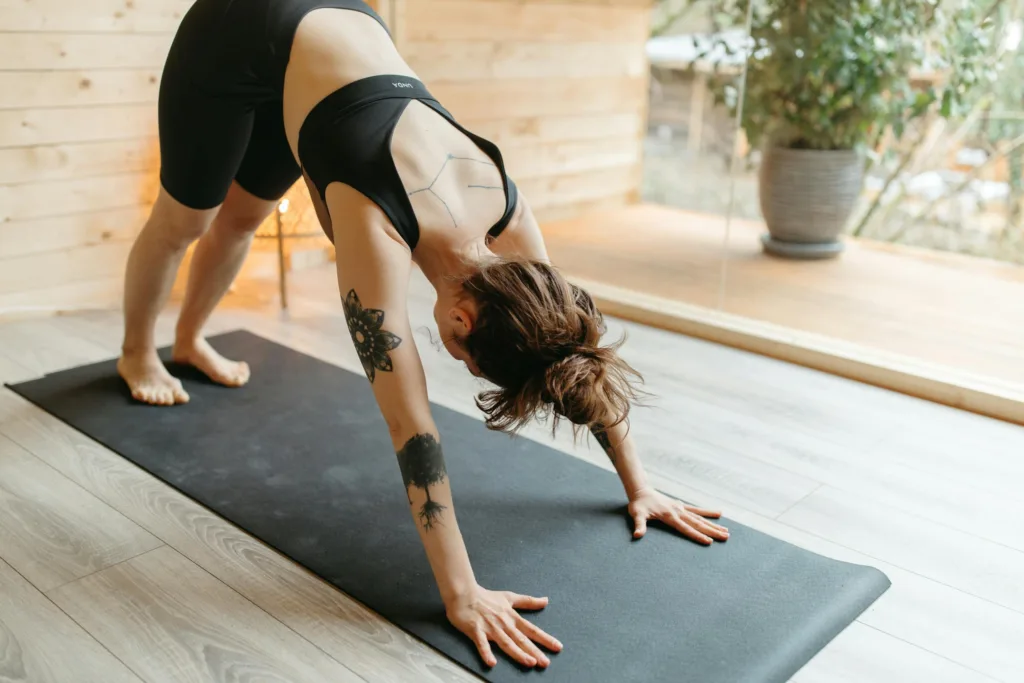
The right glamping spot can make or break your personal growth journey, so I focus on destinations that offer both solitude and meaningful activities, while ensuring the operators truly understand what transformative travel means.
Finding the Right Destination
I always start by asking myself what kind of environment helps me think clearly and feel calm. Some people need mountains, while I personally connect better near water or in thick forests.
Distance from home matters more than I initially realized. I’ve found that spots about 2.5 hours from home hit a sweet spot where I’m far enough to disconnect but not so far that travel stress ruins the vibe. When I’m exhausted from the drive, I can’t focus on growth work.
I look for properties with enough space to actually be alone with my thoughts. A cramped site with neighbors ten feet away doesn’t cut it. I need at least a few acres where I can walk without running into other guests every five minutes.
Seasonal timing plays a bigger role than most people think. I prefer booking during shoulder seasons when glamping spots are quieter, and I can get better rates without sacrificing the experience.
Selecting Activities for Growth
I skip the purely entertainment-focused activities and zero in on experiences that challenge me or create space for reflection. Here’s what I prioritize:
Solitary Activities
- Nature walks on private trails
- Meditation spots away from the main area
- Journaling with a natural view
Guided Growth Experiences
- Yoga sessions with a focus on mindfulness
- Workshops with trained facilitators
- Animal encounters that teach patience
For me, less scheduled time actually supports more growth. When operators pack every hour with activities, I don’t have room to process my thoughts. I look for places that offer activities without forcing them on me.
The best growth happens when I can choose between wellness amenities like saunas, cold plunges, and quiet spaces. I rotate between physical challenges and mental rest throughout my stay.
Evaluating Glamping Operators
I read between the lines on glamping websites. If they’re only talking about luxury sheets and fancy amenities, they probably don’t get the personal growth angle. I look for language about transformation, restoration, and connection.
The accommodation type tells me a lot about the operator’s values. Yurts and geodesic domes usually signal an operator who values the nature-immersion aspect. Traditional cabins might mean they focus more on rustic comfort than spiritual growth.
I always check if they host wellness retreats or corporate transformation events. Operators who regularly work with wellness groups and retreat leaders understand how to create environments that support inner work.
Reviews matter, but I look for specific mentions. Did guests say they felt “recharged” or just “relaxed”? There’s a difference. I want operators who’ve created spaces where people report actual shifts in perspective, not just a nice weekend away.
Staff responsiveness during booking shows me whether they care about matching guests to the right experience. When I ask questions about quiet spaces or solo-friendly activities, good operators respond with detailed, thoughtful answers instead of generic marketing copy.
Social Sharing and Lasting Change: Taking Growth Beyond the Tent
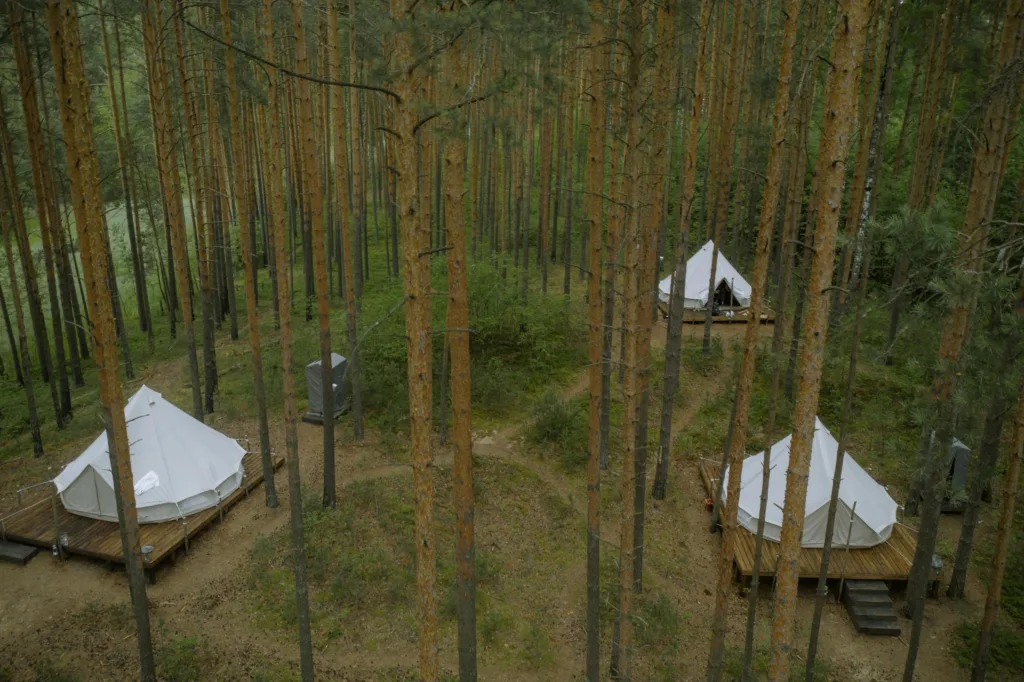
The real magic of glamping for personal growth happens when you share your experiences with others and commit to maintaining the progress you’ve made. Your journey doesn’t end when you pack up your bags.
Word-of-Mouth Influence
I’ve found that talking about my glamping experiences creates a ripple effect that benefits both me and the people I share with.
When I tell friends about the mindfulness practices I learned during my stay or the breakthrough moment I had while sitting by the campfire, something interesting happens. The act of putting my experience into words helps me process and cement those lessons in my memory. It’s like the growth becomes more real when I speak it out loud.
Word-of-mouth sharing also inspires others to seek their own transformative experiences. I’ve had friends book their own glamping trips after hearing about mine. They wanted to disconnect from their routines and find similar moments of clarity.
The outdoor hospitality market continues to evolve as more people discover these benefits through personal recommendations. Social media plays a big role here, too. When I post photos or reflections from my trip, I’m not just showing off a beautiful location. I’m sharing a piece of my growth journey that might resonate with someone else who needs it.
Maintaining a Growth Mindset After Glamping
The challenge I face after every glamping trip is keeping that momentum going once I’m back in my daily routine.
I’ve learned to create small rituals that remind me of the lessons I gained. Maybe it’s a morning meditation practice I started at the glamping site, or journaling before bed like I did in my yurt. These habits anchor the growth mindset I developed in nature.
I also revisit photos and notes from my trip when I feel myself slipping back into old patterns. It’s a quick reset that brings me back to that headspace of openness and possibility. Setting monthly intentions based on what I learned helps me stay accountable.
The key is not expecting perfection. Some days I’ll forget everything I learned. But having those touchstones from my glamping experience gives me something concrete to return to when I need a refresh.
Conclusion: Bringing Glamping Lessons Home
The real magic of glamping isn’t just what happens in those canvas walls or luxury tents. It’s what I carry back into my everyday life.
Comfort and nature don’t have to be enemies. When I return home, I try to bring that balance with me. Maybe it’s opening my windows more often or eating breakfast outside. Small changes that keep me connected to what I experienced.
The combination of luxury and proximity to nature creates real opportunities for personal development. But I have to be intentional about it.
I make it a point to recreate little moments from my glamping trips. Lighting candles at dinner. Putting my phone away for an hour. Sitting outside and just listening.
These aren’t grand gestures. They’re tiny shifts that remind me of who I was during those peaceful days away. That person is still here, even when I’m back to my regular routine.
The growth I experience through glamping doesn’t end when I pack up and leave. It continues every time I choose presence over distraction.
Frequently Asked Questions
Glamping raises plenty of questions, especially when you’re thinking about using it as a tool for personal change. The cost of getting started, the mental benefits, packing essentials, finding the right locations, and sharing this experience with doubtful friends are common concerns I hear all the time.
What’s the deal with glamping and why’s everyone saying it’s life-changing?
Glamping combines the best parts of camping with actual comfort. You get to be in nature without sleeping on rocks or fighting with a flimsy tent at 2 AM.
The life-changing part comes from disconnecting from your daily grind while still having a cozy place to retreat to. I’ve found that when I’m not worried about being uncomfortable, I can actually focus on bigger thoughts and feelings.
Nature has a way of putting things in perspective. When you’re surrounded by trees or mountains instead of traffic and screens, your brain gets space to process stuff you’ve been ignoring.
Can you really find your zen while glamping, or is that just a myth?
Finding peace while glamping is absolutely real, and it’s backed by what happens when you disconnect and recharge away from technology. The quiet helps your mind settle down.
I’ve noticed that my best insights come when I’m just sitting outside with a cup of coffee, not trying to force anything. The lack of notifications and work emails creates mental space I didn’t know I needed.
The comfort level of glamping makes it easier to stick with the experience. If you’re miserable and cold, you’re not going to have any breakthrough moments; you’re just going to want to go home.
What should I pack to ensure my glamping experience is both chill and transformative?
Pack light, but don’t skip the basics. I always bring a journal for writing down thoughts that pop up, plus a good book I’ve been meaning to read.
Comfortable clothes are key since you’ll want to move between outdoor activities and relaxing. Think layers that work for both morning hikes and evening campfires.
Leave behind anything that connects you to work or stress. My phone stays in airplane mode except for emergencies, and I definitely don’t bring my laptop.
A meditation cushion or yoga mat can be helpful if that’s your thing. I also pack a small speaker for calming music and a camera to capture moments without relying on my phone.
Are there any glamping hotspots that double as personal growth retreats?
Many glamping locations are specifically designed with reflection and growth in mind. When you’re choosing the perfect solo glamping destination, look for places that emphasize tranquility and seclusion.
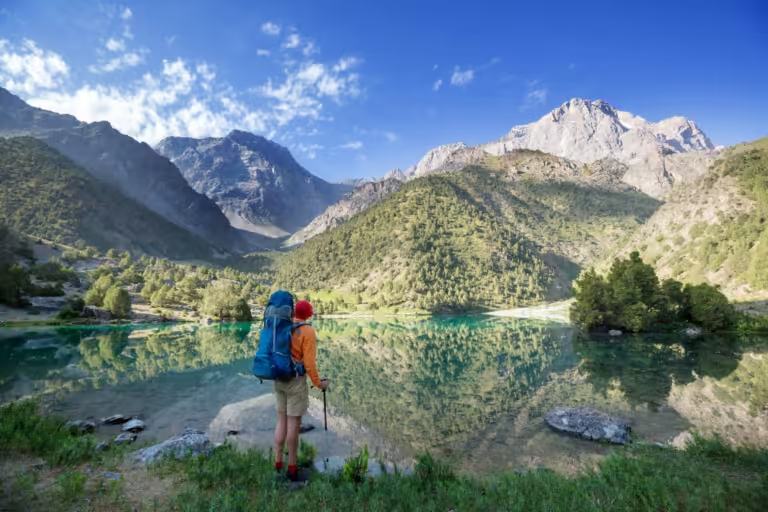
Mountain locations tend to offer the most dramatic perspective shifts. There’s something about elevation that makes your problems feel smaller.
Lakeside glamping spots provide a different kind of peace, with water offering its own form of meditation. I find that watching ripples or listening to waves helps my thoughts organize themselves.
Desert glamping gives you massive open skies and serious stargazing opportunities. The vastness makes you think about your place in the universe, which sounds dramatic but actually happens.
How do I convince my skeptical friends that glamping can be a soul-search?
Start by sharing your own experience. Don’t oversell it or make it sound like some magical cure for everything. Just tell them what actually happened for you.
Explain that glamping removes the barriers that make traditional camping miserable for some people. You can focus on personal growth instead of survival skills.
Suggest starting small with a weekend trip rather than a week-long commitment. When people know they can bail if it’s not working, they’re more likely to try it.
Share specific benefits like better sleep, reduced anxiety, or clarity on a decision you were struggling with. Real examples beat vague promises every time.
If they’re still not convinced, invite them to join you on a group trip. Sometimes experiencing it together makes the whole thing less intimidating than going solo right away.