
Kayaking with Dogs: Tips for Making Paddling Adventures Unforgettable
I’ll never forget the first time I took my German Shepherd kayaking. It involved a lot of whining, some unexpected swimming and a very confused dog.
Lesson learned! We reset and after some proper preparation and training, we’ve shared countless peaceful mornings on the water together, and it’s become one of our favorite activities.
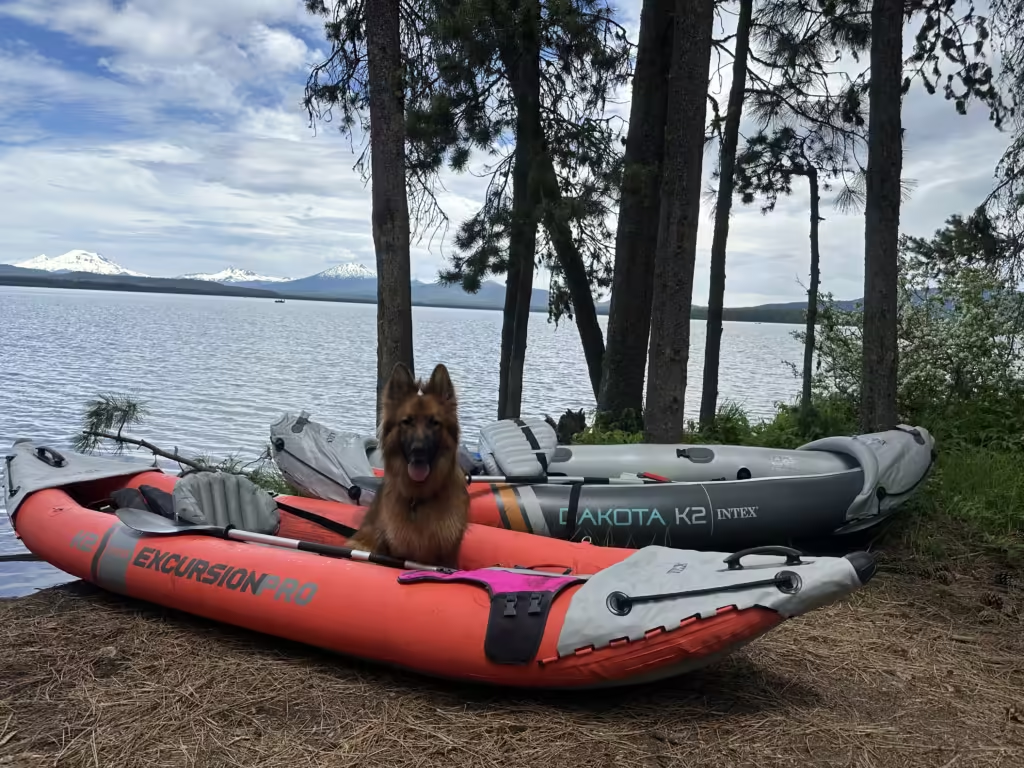
You can absolutely kayak with your dog, but success depends on proper training, the right equipment, and taking time to build your dog’s confidence before you ever push off from shore.
The process starts on dry land, where your dog learns to feel comfortable with the kayak’s movement and understands where to sit. From there, you’ll work on water safety skills and introduce essential gear like a life jacket.
Whether you have a tiny terrier or a large dog, kayaking with your dog is totally doable with the right approach. I’m going to walk you through everything from initial training exercises to choosing the best kayak style for your situation. By the end, you’ll know exactly how to prepare for a safe and enjoyable paddle with your dog.
Key Takeaways
- Start training your dog on land first to build confidence with the kayak’s movement before getting on the water
- Essential gear includes a properly fitted life jacket for your dog, non-slip padding, and a kayak with enough space for your dog’s size
- Introduce water distractions gradually and only head out when your dog shows good self-control around other boats and wildlife
Can You Kayak With Your Dog?

Yes, you can kayak with your dog, but success depends on your dog’s personality, physical condition, and training level. Not every dog will enjoy or be suited for life on the water, so honest evaluation is key.
Assessing Your Dog’s Personality and Comfort Around Water
After kayaking with my own dogs and my friends’ dogs, I’ve learned that a dog’s relationship with water tells you a lot about whether kayaking will work. Some are natural water lovers who leap into lakes without hesitation. Others prefer to keep all four paws on dry land.
Watch how your dog behaves around water before committing to kayaking. Does your dog panic when they get wet, or do they seem curious and calm? Dogs who are anxious or fearful around water will likely struggle in a kayak.
Swimming ability matters too. Even with a life jacket, your dog should feel comfortable in water in case they jump or fall in. I always recommend getting your dog used to swimming first.
The kayak itself can be intimidating. It’s a weird, wobbly plastic thing that makes strange sounds. If your dog is nervous around new objects or experiences, you’ll need extra patience during training.
Physical Fitness and Age Considerations
Your dog’s age and fitness level play a huge role in whether kayaking is realistic. Puppies under six months typically lack the attention span and impulse control needed for safe kayaking with your dog. They’re too wiggly and unpredictable.
Senior dogs can absolutely kayak, but joint problems or arthritis might make getting in and out difficult. I’ve seen older dogs who love being passengers because it’s easier than hiking, but they need help boarding.
Physical size matters for practical reasons. A Great Dane in a kayak requires a completely different setup than a Corgi. You need enough space for both of you without compromising balance or safety.
Energy level is another factor. High-energy dogs who can’t sit still for five minutes will struggle on longer paddling trips. Medium to low-energy dogs often adapt better to the calm, stationary nature of being a kayak passenger.
Temperament and Basic Obedience
Before you kayak with your dog, they need solid basic obedience skills. At minimum, your dog should reliably know sit, stay, down, and come commands. These aren’t just nice to have, they’re safety essentials.
Core obedience requirements include:
- Staying in position when told
- Not jumping without permission
- Coming when called, even with distractions
- Remaining calm around wildlife and other boats
Impulse control is critical. Dogs who chase every bird, squirrel, or fish they see will create dangerous situations on the water. I didn’t take my German Shepherd kayaking until she was able to ignore distractions on land first.
Reactivity toward other dogs or people is a dealbreaker for me. You can’t have a dog barking and lunging when another kayaker passes by. The instability makes aggressive behavior especially risky.
Dogs with calm, confident temperaments adapt fastest. Anxious or nervous dogs can learn to enjoy kayaking, but it takes more time and patience to build their confidence.
Essential Training Before Hitting the Water
The secret to successful kayaking with dogs isn’t about just plopping your dog in the boat and hoping for the best. It’s about building a solid foundation through practice on dry land, teaching specific commands that keep everyone safe, and gradually introducing movement so your dog feels confident instead of freaked out.
On-Land Kayak Training Basics
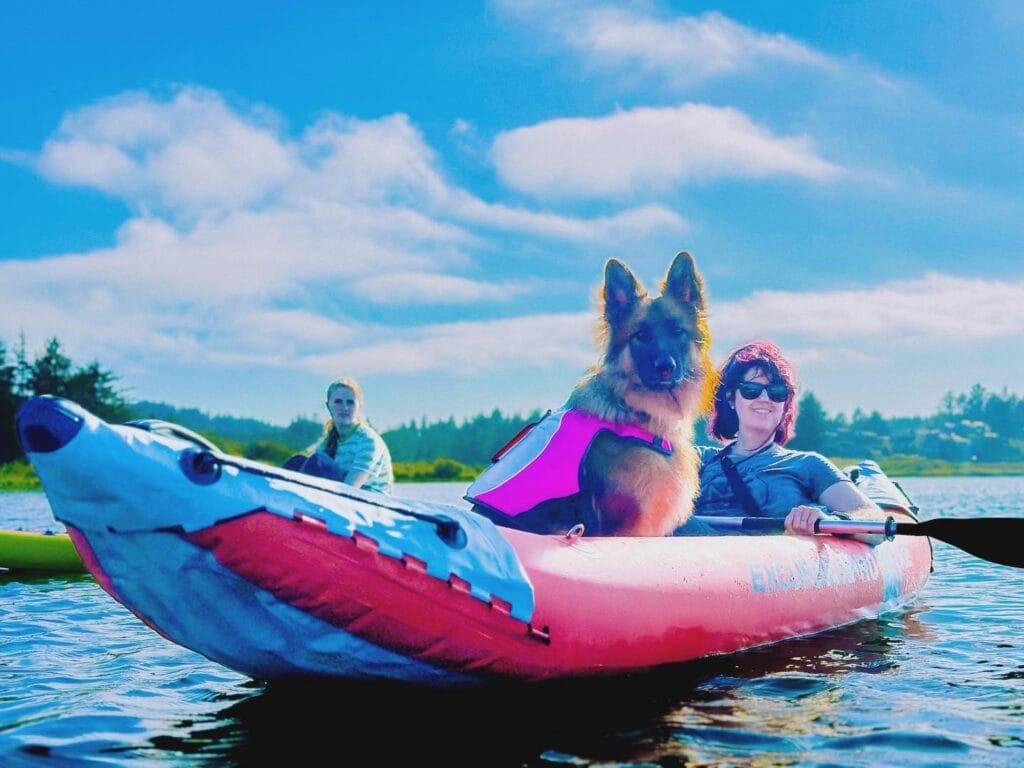
Start on stable ground before even thinking about water. The garage or backyard is a great place to start. Let your dog sniff around it for a few minutes. Then toss a few treats inside to create positive associations.
Once my dog seemed dcurious rather than nervous, I encouraged her to step inside using a command like “load up” or “in the boat.” I rewarded every successful entry with high-value treats like small pieces of chicken or cheese. The goal is to make the kayak feel like their favorite spot, not some weird floating prison.
I practiced having my dog sit and lie down in her designated spot for short periods. Just 30 seconds and gradually work up to several minutes. During those sessions, I’d gently rock the kayak side to side to simulate water movement. This helped her understand that the boat will move and that staying still is the right response. If she jumped out without permission, we calmly reset and tried again with shorter intervals.
Teaching Key Commands for Kayaking
I focus on three essential commands for safe kayaking with my dog: stay, wait, and out. The “stay” command keeps them in position while I paddle. The “wait” command prevents them from jumping in or out until I give permission. The “out” command tells them when it’s okay to exit.
I practice these commands repeatedly with the kayak on land. I sit in my paddling position and give the “stay” command while I make paddling motions. I reward my dog every few seconds at first, then gradually extend the time between treats.
Key Commands Chart:
| Command | Purpose | Training Tip |
|---|---|---|
| Stay | Keeps the dog in position during paddling | Start with 10-second intervals, increase gradually |
| Wait | Prevents jumping without permission | Practice at doorways first, then transfer to kayak |
| Out | Signals when exit is allowed | Always pair with release to designated spot |
I also teach a “settle” command that tells my dog to lie down and relax. This becomes crucial when we’re out on the water for longer periods.
Building Confidence with Movement and Paddling
Once your dog masters the stationary kayak, it’s time to introduce controlled movement. I had a friend gently push the kayak back and forth while my dog sat inside. I stayed right next to the boat at first, offering treats and calm praise. This simulates the rocking sensation of being on water without the added stress of actually launching.
Next, I moved to very shallow water near the shore. I waded next to the kayak while my dog sat inside, letting her feel the gentle bobbing of real water. Keep these first water sessions super short, maybe just five minutes. The point is to end on a positive note before your dog gets anxious.
I gradually added paddle strokes once my dog seemede comfortable with the floating sensation. I started with just a few strokes, then immediately return to shore and reward. I slowly increased the distance and duration over multiple sessions.
I found that patience during this phase prevents most behavioral issues later on the water.
Choosing the Right Kayak for You and Your Dog
The best kayak for your dog combines stability with enough space for both of you to stay comfortable. The right features and proper weight capacity make all the difference between a stressful paddle and an amazing day on the water.
Sit-On-Top vs. Inflatable Kayaks
When you’re choosing between a sit-on-top kayak and an inflatable kayak, think about stability first. Sit-on-top kayaks have wide, flat hulls that stay super stable even when your shifts around.
They’re self-draining too, which means water flows right back out through scupper holes.
Inflatable kayaks offer similar stability but fold down into a bag for easy storage. This is what I use because I don’t need roof racks or a garage full of gear. The best inflatable kayaks for dogs use tough materials that resist punctures from claws.
My dog can get in and out easier with both styles compared to sit-inside models. The open deck design also lets me keep an eye on her the whole time.
We love our inflatable kayak; here’s what we use. I’ve had this kayak for several years and use it all summer long. It’s held up great.

Includes Deluxe 86in Kayak Paddles and High-Output Pump SuperTough PVC Adjustable Bucket Seat 2-Person 400lb Weight Capacity
Dog-Friendly Features and Comfort Upgrades
A non-slip mat is essential for any dog-friendly kayak. I place a thin yoga mat on the floor. A closed-cell foam pad or towel on the floor would also work, so your dog doesn’t slip around. Some kayaks come with textured surfaces, but I still add extra padding.
A life jacket with a handle makes a huge difference. I can easily pull my dog back into the kayak after a swim break.
Storage space matters more than I initially thought. I need room for water bowls, treats, poop bags, and dog-safe sunscreen. Tandem kayaks offer ample room with three seating positions that work great.
Built-in bungee cords help .secure gear without taking up floor space.
Sizing and Weight Capacity Considerations
Always check the manufacturer’s weight capacity before buying. The kayak needs to handle your weight plus your dog’s weight plus all our gear and water.
A kayak that’s too full sits low in the water and becomes hard to control. I aim for at least 100 pounds of extra capacity beyond our combined weight.
Bigger dogs need wider kayaks with more floor space. My 70-pound German Shepherd needs way more room than a small terrier would.
I measured my dog from nose to tail and made sure the kayak floor gives her enough space to turn around or lie down comfortably. The kayak should feel stable, not cramped.
Must-Have Gear for Kayaking with Dogs
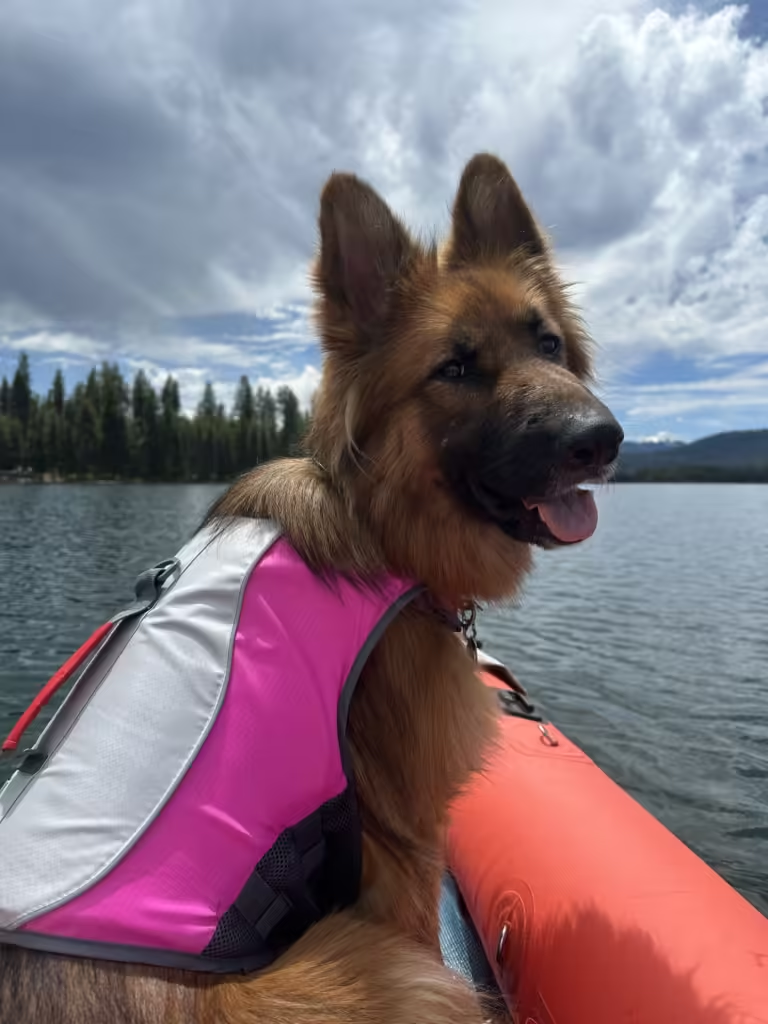
A proper life jacket with a sturdy handle tops the gear list, followed by non-slip padding to keep your dog comfortable and secure. Don’t forget collapsible bowls for water and treats to keep your dog happy during longer trips.
Dog Life Jackets: Safety First

I never put my kayak in the water without strapping a life jacket on my dog first. Even strong swimmers can panic or get tired.
The best life jackets include a grab handle on top. This handle makes it easy to pull your dog back into the kayak if they jump outor lose their balance. I learned this the hard way when I had to struggle lifting my 70-pound German Shepherd without one.
Look for jackets with adjustable straps around the chest and belly. We’ve tried several and love the Ruffwear Float Coat the most. It offers professional-grade features with excellent buoyancy that keep dogs in a natural swimming position.
Cheaper options work too. We used a Kong life jacket for a while, and it was pretty good. But make sure the foam panels distribute evenly so your dog floats horizontally instead of vertically.
Size matters more than you’d think. Measure your dog’s chest and length carefully because sizes vary between brands. A loose jacket can slip off, while a tight one restricts movement and breathing.
Comfort Essentials: Mats, Beds, and Shade
My dog used to slide around until I added a yoga mat to the kayak floor. It’s cheap and works great. A traction pad works great, too. They’re EVA foam pads that stick to the bottom and give dogs something to grip with their paws. The textured surface works even when wet, which matters since water always ends up in the kayak.
Some kayaking accessories include specialized dog platforms that create a stable surface for larger dogs. I prefer simple foam padding that I can cut to fit around my kayak’s seat and storage areas.
For longer trips, bring a small towel or portable mat that your dog already uses at home. The familiar smell helps anxious dogs relax. I keep mine in a dry bag so it stays ready for rest breaks on shore.
Consider a clip-on umbrella or small tarp for shade on hot days. Dogs can’t tell you when they’re overheating, so I watch for excessive panting and take breaks in shaded areas along the shore.
Hydration and Snack Solutions
I pack a collapsible water bowl on every trip because my dog is always thirsty and drinks way more than I expect on the water. These silicone bowls fold flat and clip to my kayak with a carabiner. A collapsible water bowl takes up almost no space but prevents dehydration during hours of paddling.
Bring more water than you think you’ll need. I carry a separate water bottle just for my dog, plus extra in case we’re out longer than planned. Dogs need frequent drinks, especially in summer heat reflecting off the water.
Pack high-value treats in a waterproof container. I use them to reward calm behavior and make the kayak a positive place. Freeze-dried treats work better than soft ones that get soggy.
Don’t forget poop bags, even on the water. I store them in a small dry bag attached to my kayak so they’re always within reach. You’ll need to pack out waste when you stop on shore or at beaches. I also keep a few extra bags for picking up trash I find along the way.
First Paddle: Making Your Maiden Voyage a Success

Your first trip should be short, simple, and focused on building confidence for both you and your dog. I’d suggest picking a place with calm water, keeping sessions brief, and always prioritizing your dog’s comfort over distance covered.
Selecting Calm and Dog-Friendly Launch Spots
Boring is better. Look for small ponds, quiet lakes, or protected coves with minimal boat traffic and no strong currents. These spots will give your dog time to adjust without the stress of waves or loud motors.
The launch area matters just as much as the water itself. Look for a gradual, sandy entry point where you can walk the kayak into shallow water before getting in. Rocky or steep launches make loading your dog much harder and increase the chance of slipping.
Also check for dog-friendly kayaking spots that allow pets and have clear access points. Some areas restrict pets, so verify regulations before heading out.
Staying Balanced and Managing Movement
The moment my dog steps into the kayak, I keep my center of gravity low and my movements slow. I crouch or sit before encouraging my dog to load up, which prevents the boat from tipping during entry.
Once we’re both in, I use a calm voice and frequent treats to reinforce stillness. If my dog starts to shift weight suddenly, I brace myself and gently redirect her back to herspot. I never yell or grab, since that usually makes things worse.
Movement management checklist:
- Keep treats accessible in a dry bag
- Practice the “stay” command before pushing off
- Use a non-slip mat to give your dog secure footing
- Start with 10-15 minute paddles maximum
Also watch for signs that your dog wants to swim. Some jump in without warning, (ask me how I know) so I stay ready to balance the kayak if that happens.
Safety Tips for Handling Emergencies
I always put a properly fitted life jacket on my dog before we launch. The handle on top lets me grab her quickly if she falls in or decides to go for an unplanned swim.
I keep a throw rope attached to my kayak and practice handling shore breaks and stability issues before heading out. If my kayak tips, I focus on securing my dog first, then worry about the boat.
Emergency essentials I bring:
| Item | Purpose |
|---|---|
| My dog’s life jacket | Flotation and quick retrieval |
| Whistle | Signal for help |
| First aid kit | Treat cuts or injuries |
| Dry bag with towel | Warm up after swimming |
When we first started, I stayed within swimming distance of the shore to be safe. That way if my dog panicked or got tired, I could paddle to land quickly instead of struggling in deep water.
Advanced Tips and Fun Ideas for Kayaking with Dogs
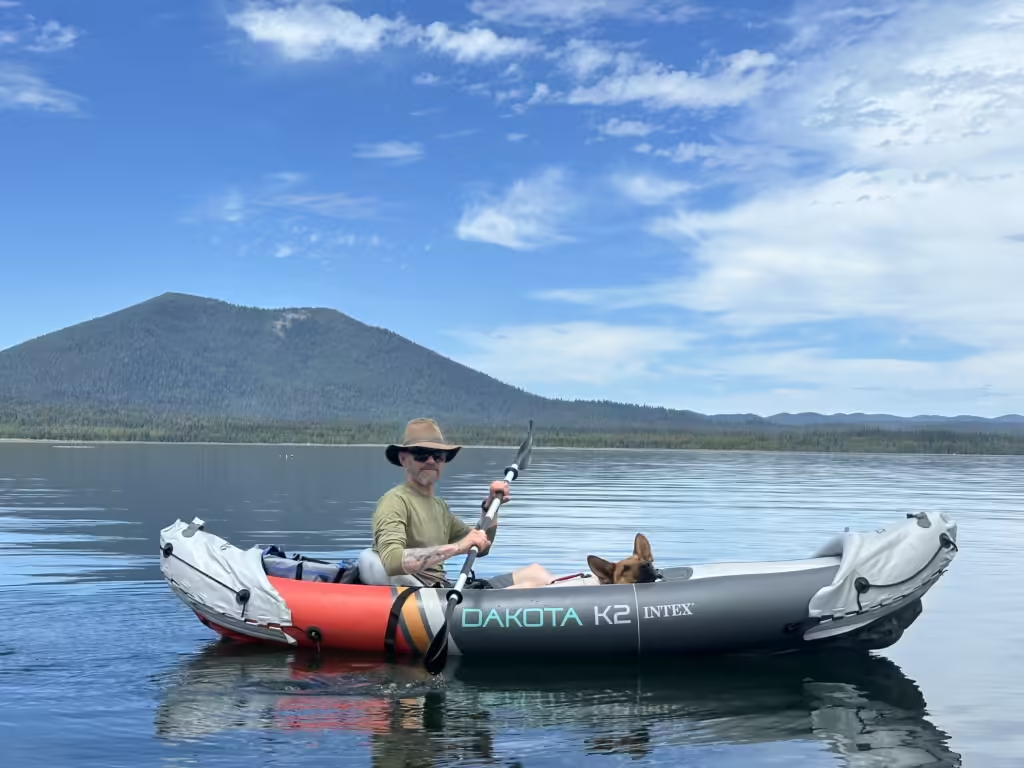
Once you and your dog have mastered the basics, it’s time to level up your water adventures. Keeping your dog mentally stimulated during longer trips and creating lasting memories together will make kayaking with your dog even more rewarding.
Keeping Your Dog Engaged and Happy
Long paddling sessions can get boring for dogs, just like they do for us. I’ve found that bringing along a few floating toys makes a huge difference in keeping my dog interested and calm.
Toss a waterproof ball or bumper into the water during breaks so your dog can practice retrieving. This gives them exercise and a job to do, which most dogs love. Just make sure you’re in shallow, safe water before letting them jump out.
Engagement strategies that work:
- Treat breaks every 20-30 minutes to reward calm behavior
- Interactive water toys that float alongside the kayak
- Training games like having them touch your hand on command
- Sniff breaks at shoreline stops where they can explore
I also rotate between different activities during kayaking trips to prevent boredom. Some days we focus on wildlife watching, other days we make frequent beach stops for swimming. The variety keeps my dog excited about our adventures.
Pack frozen treats in a cooler for hot days. A like to pack a frozen Kong filled with peanut butter to give my dog something to focus on during calm stretches of paddling.
Capturing Memories and Bonding on the Water
Taking photos during your kayaking adventures creates amazing memories, but it requires some planning. I mount a waterproof action camera on my kayak to capture hands-free footage while paddling.
The best photos happen during calm moments when your dog is relaxed and looking around. I’ve keep my phone in a waterproof case attached to my life jacket so it’s always accessible. Morning and evening light creates the most beautiful shots on the water.
Photo opportunities to watch for:
- Your dog’s first confident paddle
- Sunrise or sunset silhouettes
- Swimming retrievals
- Peaceful resting moments
- Wildlife encounters
The real bonding happens in the quiet moments between destinations. I talk to my dog constantly while paddling, which keeps her calm and reinforces our connection. These solo adventures, away from the distractions of daily life, have strengthened our relationship more than any park visit ever could.
Consider joining group kayaking adventures with other dog owners for socialization opportunities. My dog loves seeing their paddling buddies, and I’ve made great friends through these meetups.
Cleaning Up and Caring for Your Dog After Kayaking

After a fun day on the water, your dog needs a good rinse and a quick health check to stay comfortable and avoid any issues from lake water, dirt, or sun exposure.
Post-Adventure Routines
I always start by rinsing my dog with fresh water as soon as we get off the water. Lake water can contain bacteria, algae, or chemicals that aren’t great for their skin or coat.
If you have access to a hose or outdoor shower, that’s perfect. I focus on getting the water between her toes, under her belly, and around her ears where moisture likes to hide.
For a more thorough clean at home, I give my dog a proper bath with dog shampoo.
I also wipe down her paws and check for any debris stuck between the pads. A quick brush helps remove tangles and loose fur that collected during the adventure.
Health and Safety Checks
I do a quick once-over after every kayaking trip. I check for cuts, scrapes, or anything sharp she might have stepped on.
Their ears need attention too, especially if water got inside. I gently dry the outer ear with a soft cloth to prevent infections. I look at her eyes for any redness or irritation from sun or wind exposure.
If my dog seems unusually tired, is limping, or acts different than normal, I keep a closer eye on her. I also check her skin for any hot spots or irritation from sitting in the kayak or wearing a life jacket all day.
Ticks are another thing to watch for, especially if you launched from grassy or wooded areas. I run my hands through her fur to feel for any bumps.
Call me over protective… but you’d be surprised at some of the things you find.
Conclusion: Celebrate Your Adventure

I can’t stress enough how amazing it feels to share the water with my German Shepherd. Every paddle stroke becomes more meaningful when I have her sitting beside me in the kayak.
Taking time to appreciate these moments matters. After each trip, I make sure to celebrate our accomplishment together. Whether it’s a special treat or just some extra cuddle time on the shore, acknowledging our shared adventure. Kayaking together has become a great way to strengthen our bond.
Kayaking with your dog can be a deeply rewarding experience when you approach it with patience and care. The memories I’ve created on the water with my dog are priceless.
Here are ways I celebrate our kayaking adventures:
- Take photos during calm moments on the water
- Give my dog her favorite treat after a successful trip
- Share stories with other dog-loving paddlers
- Plan our next adventure while the excitement is fresh
Remember that every outing doesn’t need to be perfect. Some days my dog gets nervous, whines, tries to jump out of the kayak, or the weather doesn’t cooperate. That’s okay.
The important part is spending quality time together and building confidence with each trip. It was rocky at first, but my dog has grown more comfortable with every paddle, and that progress deserves recognition.
So grab your gear, load up your dog, and get out there! The joy of paddling adventures with your dog is waiting for you both to discover.
Frequently Asked Questions
Choosing the right kayak and keeping your dog comfortable requires some planning, from picking stable boats to finding life jackets that actually fit. You’ll also want to think about whether your regular kayak can handle the extra weight and what special considerations come with paddling in warmer climates.
What type of kayak works best when you’re planning to bring your dog along?
I always recommend sit-on-top kayaks for paddling with dogs. They give your dog more space to move around and make it way easier for them to hop in and out.
Tandem kayaks work great too since they have extra room for your dog. The wider the kayak, the better, because dogs tend to shift their weight around and you don’t want to end up swimming unexpectedly.
Stability matters more than speed when you’re kayaking with a dog. Look for kayaks with a flat bottom and a wider beam.
Is there a trick to keeping your dog safe and sound while you both enjoy paddling around?
Your dog needs to wear a life jacket every single time you’re on the water. I can’t stress this enough, even if your dog is a strong swimmer.
Get your dog comfortable with their life jacket at home first. Put it on for short periods and use treats to create positive associations before you ever hit the water.
Pick a life jacket with a sturdy handle on top. This makes it much easier to pull your dog back into the kayak if they decide to take an unplanned swim.
Training your dog with helpful commands like “stay” and “lay down” keeps everyone safer on the water. Practice these commands on land before you launch.
Have any genius DIY enthusiasts out there figured out how to craft a dog-friendly platform on a kayak?
You can create a simple non-slip surface by placing a rubber mat or yoga mat where your dog sits. This gives them better traction and makes them feel more secure.
Some kayakers attach foam padding or pool noodles to create a more comfortable spot for their dog. Just make sure whatever you add doesn’t interfere with your paddling motion.
A towel or blanket in your dog’s designated spot works too. It helps them identify where they should sit and gives them something familiar to lay on.
Which inflatable kayaks won’t have you bailing water and your dog when you’re out on the water together?
Look for inflatable kayaks with drop-stitch construction. These are way more rigid and can handle a dog’s claws better than cheaper options.
Sea Eagle and Advanced Elements make inflatable kayaks that hold up well with dogs. They’re designed with tougher materials that resist punctures.
I always check the weight capacity on inflatable kayaks. You need enough room for yourself, your dog, and your gear without pushing the limits.
Should you consider sizing up in kayaks when your dog’s coming along for the ride, especially if they’re on the heftier side?
Absolutely size up if your dog weighs more than 50 pounds. A kayak needs to accommodate both your weight and your dog’s without sitting too low in the water.
Check the weight capacity and aim to stay well below the maximum. You want at least 100 pounds of extra capacity beyond your combined weight for safety and stability.
Dogs over 100 pounds might have trouble fitting in most kayaks. You might need to look at canoes instead since they offer more space.
Got any top tips for a seamless kayaking experience with dogs in the sun-soaked vibes of Florida?
Start early in the morning when it’s cooler. Florida heat can be brutal for dogs, and the water and deck get hot quickly.
Bring extra fresh water for your dog. Saltwater and lake water aren’t safe for dogs to drink, and they’ll get thirsty fast in the heat.
Watch for alligators in Florida waters. Keep your dog close and avoid areas with known gator activity, especially during nesting season.
Apply dog-safe sunscreen to your dog’s nose and ears if they have light fur. The sun reflects off the water and can cause burns.