
Camping With a Dog in Hot Weather: Safety Guide
Camping with a dog in hot weather sounds like a dreamy summer plan until you remember your furry sidekick can’t just take off that fur coat. Dogs don’t sweat like we do. They mostly rely on panting to cool off, but that only works up to a point, especially when the air feels thick and the sun’s beating down.
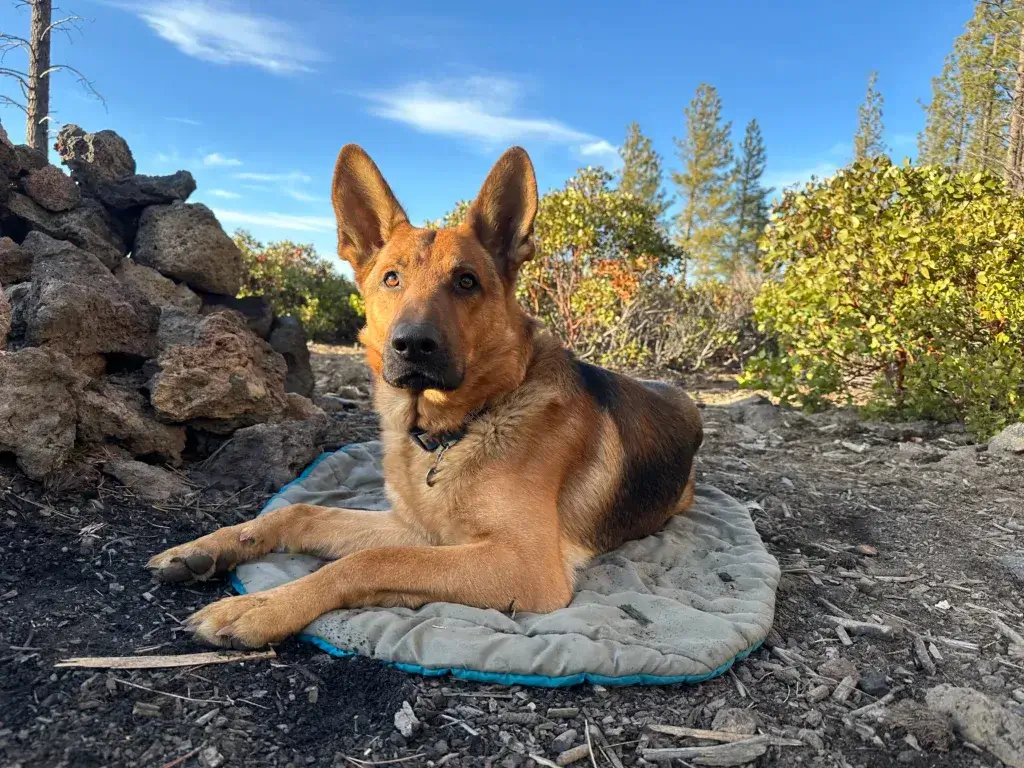
The upside? With a bit of planning, the right gear, and a good sense of when heat gets risky, you can totally enjoy dog camping in hot weather and keep your pup safe. Tons of people do it every summer. The real difference between a fun trip and a disaster usually comes down to how prepared you are and whether you’re paying attention.
This guide covers what beginners need to know: temperature limits, warning signs, campsite setup, packing essentials, and what to do if things go sideways. Whether you’re camping with your dog for the first time or you’ve done it plenty but never in real heat, you’ll find practical, no-nonsense tips you can use right away.
Key Takeaways
- Most dogs get into real trouble when it’s over 85°F, especially if it’s humid, sunny, or they’re super active.
- If you spot early signs of overheating – like crazy panting, drooling, or slowing down – you can step in before it gets scary.
- Picking the right campsite, using cooling gear, and tweaking your normal routine usually keep things safe, even when it’s hot.
Know When the Heat Is Too Risky

Before you even pack up, you need a real sense of when the heat goes from just uncomfortable to downright dangerous for your dog. Temperature isn’t the only thing that matters – humidity, sun, activity, and your dog’s build all play a part.
How Hot Is Too Hot for Dogs
Here’s a good rule: if it’s over 85°F, you’ve got to manage your dog’s heat exposure closely. Once it’s past 90°F, outdoor time should be short and supervised.
Best Pet Facts points out that the risk of heatstroke goes way up in the high 80s, especially if your dog’s running around. At 95°F or more, even chilling in the shade can be risky for some pups.
Here’s a quick cheat sheet:
| Air Temperature | Risk Level | What to Do |
|---|---|---|
| Below 80°F | Low | Normal activity with water breaks |
| 80–85°F | Moderate | Shorter hikes, more shade and rest |
| 85–90°F | High | Limit time outside, watch closely |
| Above 90°F | Very High | Stick to shade, maybe skip the trip |
Why Humidity, Sun Exposure, and Activity Change the Risk
Panting works by evaporating moisture from your dog’s tongue and airways. If it’s humid, that process slows down a lot, so your dog can’t cool off as easily, even if it’s not super hot. A muggy 82°F day might be riskier than a dry 90°F one.
Direct sun adds extra heat that shade blocks out. And if your dog’s running, hiking, or playing, they’re making more heat inside. Stack all three together, and you’ve got a problem, even if it doesn’t feel awful to you.
Press the back of your hand to the ground for seven seconds. If it burns, it’s too hot for your dog’s paws.
Dogs That Overheat Faster
Not every dog handles heat the same. Some get into trouble way sooner, even on days that don’t seem extreme.
Dogs at higher risk include:
- Brachycephalic (flat-faced) breeds like Bulldogs, Pugs, and Boxers
- Thick or double-coated breeds like Huskies, Malamutes, and Bernese Mountain Dogs
- Older dogs and puppies
- Overweight pups
- Dogs with heart or breathing issues
- Dark-coated dogs (they soak up more sun)
If your dog is in one of these groups, the RSPCA says to drop every guideline in the table above by about 5–10 degrees. So, a Bulldog might need the same caution at 80°F that a Lab would at 90°F.
Spot Overheating Before It Turns Serious
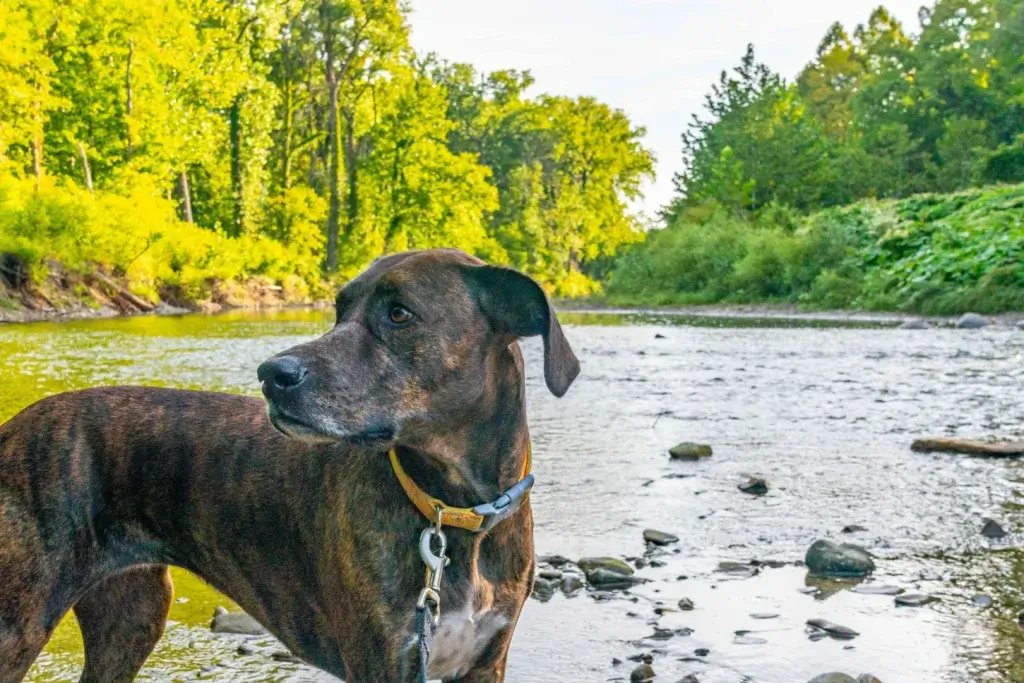
If you catch heat stress early, you’ve already won half the battle. Sometimes, the difference between a close call and an emergency is just 10 or 15 minutes.
Early Warning Signs to Watch For
These are the first red flags your dog’s too hot and you need to step in:
- Heavy, rapid panting that doesn’t slow down after a break
- Lots of drooling, especially if it’s thick or sticky
- Slowing down or lagging behind on walks
- Trying to find shade constantly or lying flat on cool spots
- Bright red tongue or gums
If you spot these, get your dog into the shade, offer cool (not ice-cold) water, and stop all activity. Most dogs bounce back fast once they cool off.
Signs of Heatstroke in Dogs
If you miss those early warnings or the heat’s just too much, things can go downhill quickly. Heatstroke is a real emergency and can be deadly.
Major symptoms of heatstroke:
- Glassy or unfocused eyes
- Staggering, collapse, or confusion
- Vomiting or diarrhea
- Pale, gray, or blue gums
- Seizures or being unresponsive
Heatstroke can trigger a rapid heartbeat and sudden collapse. You need to act right away.
When to End the Trip or Call a Vet
If your dog shows any heatstroke signs, don’t wait. Start cooling them with wet towels on the neck, armpits, and groin. Offer small sips of water. Get to a vet or animal ER as fast as you can.
It’s time to pack up and leave if:
- Your dog’s had any heatstroke, even a little
- The heat keeps climbing with no break in sight
- Your dog seems “off” and you can’t figure out why
Go with your gut. Cutting a trip short always beats a tragedy.

Evaporative Cooling for Hot Weather, Compatible with Most Harnesses
Build a Cooler, Safer Campsite
Your campsite setup can make or break a hot-weather adventure. If you pick and arrange your site thoughtfully, your dog will stay way more comfortable, and you won’t need to hover over them every second.
Choose Shade, Airflow, and Water Access
When you’re picking a spot, focus on three things:
- Natural shade from trees (not just your tent’s shadow)
- Airflow – avoid low, stuffy spots with no breeze
- Easy access to water like a creek or lake for quick cool-downs
A site with afternoon tree cover is a game-changer. Camping near fresh water, if possible is also so your dog can cool off fast.
Set Up a Rest Area Your Dog Will Actually Use
Put a dog cooling mat in the shadiest spot you can find. These mats stay cool on their own and give your dog a place to chill out.
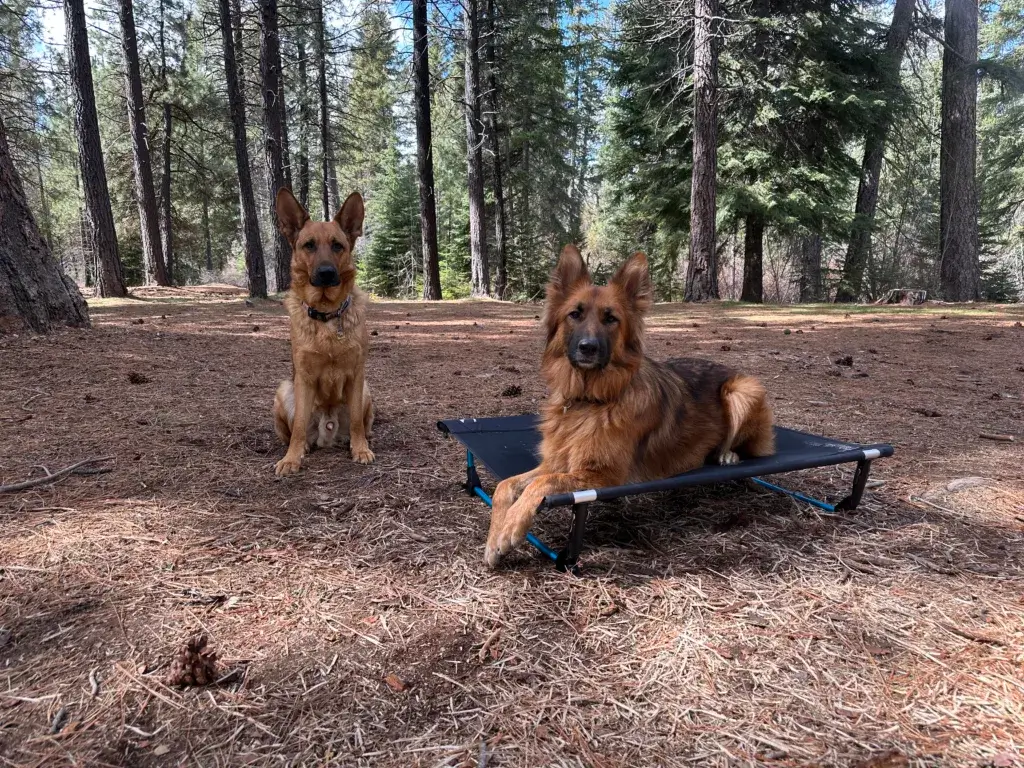
If you have a portable, raised dog cot, set that up, too. Getting your pup off the hot ground lets air flow underneath and keeps them cooler. A damp towel over the cot works if you’re in a pinch.
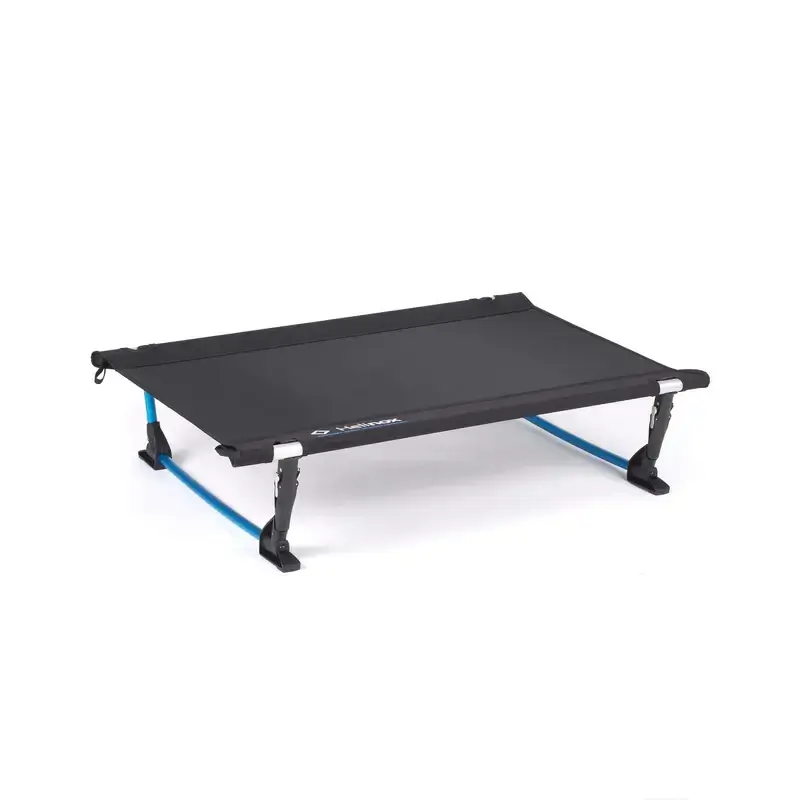
Portable Dog Bed for Travel or Camping, Large (39 x 27.5)
Pack the Right Hot-Weather Dog Gear
Packing the right gear can turn a stressful, sweaty trip into something you and your dog can actually enjoy. You really don’t have to buy every dog gadget out there, but a few smart picks make camping in summer a lot more doable.
Hydration Essentials for Camp and Trail
Water is non-negotiable. Dogs usually need about one ounce of water per pound of body weight daily, and that number climbs when it’s hot.
Must-pack hydration gear:
- A collapsible water bowl (light, cheap, and easy to stash)
- A portable dog water bottle with a built-in tray for hikes
- At least one gallon of extra water per day, per dog
- A bigger camp bowl that’s hard to knock over
Bring water from home, or somewhere you trust. Not all streams are safe – Giardia and blue-green algae can mess up your dog’s stomach fast.
Cooling Gear Worth Bringing
A good dog cooling mat is a game-changer for hot-weather camping. Look for pressure-activated gel mats that don’t need to be frozen.
Other cooling gear that’s actually useful:
- Cooling vest or bandana: soak it, and it’ll cool your dog for a couple hours
- Portable battery fan: clip it to a crate or tent for a breeze
- Frozen treats or ice cubes: not fancy, but they work
Heat-protective gear is right up there on the must-pack list for any dog camping trip.
Paw and Water Safety Extras
Hot ground can burn paws in seconds. Dog booties help with sand, asphalt, and rough trails. If your dog hates booties, paw balm is a decent backup to protect their pads.
If you’re camping near deep water, a dog life jacket is a solid idea, especially for dogs that aren’t born swimmers. Even strong swimmers get tired, and the handle on a life jacket lets you grab your pup fast if you need to.
Quick packing checklist:
Canine first aid kitThe tent’s for sleeping at night, not for hanging out in the heat of the day.
Collapsible water bowl
Portable dog water bottle
Dog cooling mat
Cooling vest or bandana
Dog booties or paw balm
Dog life jacket (if near water)
Extra towels for wetting and cooling

Self-Cooling, Pressure Activated Mat for Dogs & Cats from 46-80 lbs - Non-Toxic Gel, No Water Needed
Adjust Your Daily Routine in Camp
The biggest mistake people make isn’t forgetting gear, it’s trying to stick to their usual routine when the heat says otherwise. Changing up your daily schedule can make a huge difference for your dog’s comfort.
Walk, Hike, and Play During Cooler Hours
Move all the action to early mornings and evenings. Aim to finish any serious hiking before 10 a.m., and don’t start again until after 5 or 6 p.m.
From late morning to late afternoon, just chill in the shade, nap, or hang by the water. Treat it like your dog’s siesta. You can read, fish, or just relax during this downtime.
Shifting your exercise schedule is one of the easiest ways to keep your dog safe in the heat.
Protect Paws on Hot Ground
Ground surfaces heat up way faster than the air. Asphalt can hit 140°F even if the air is only 85°F. Sand, rocks, and packed dirt aren’t much better.
Do the back-of-hand test before every walk. If you can’t hold your hand on the ground for seven seconds, grab your dog’s booties or put on paw balm. Stick to grass or shaded dirt trails if you can.
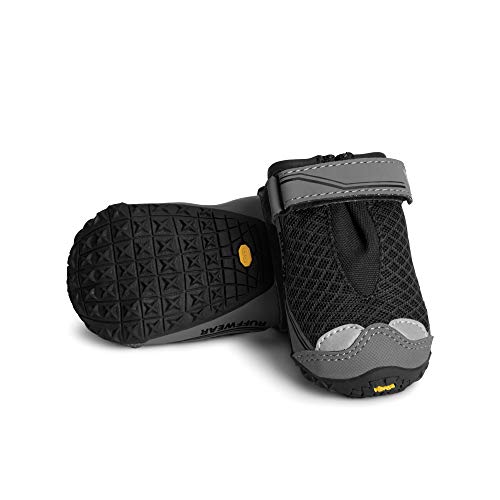
Protect your dog's paws from scorching hot campground pavement and trails with Ruffwear Grip Trex Dog Shoes ([Amazon](https://www.amazon.com/Ruffwear-Non-Slip-Weatherproof-Protection-Breathable/dp/B01N21Z6W6)). These breathable mesh boots with rugged Vibram non-slip soles offer all-season protection, ideal for hiking in hot weather like 100°F+ Arizona summers. Sold in pairs for a custom fit with adjustable straps, they keep adventures safe and paws cool.
Hydration, Breaks, and Quiet Time
Offer water every 15 to 20 minutes during activity, and at least once an hour when you’re hanging out. Don’t wait for your dog to ask, most dogs won’t drink enough in a new place.
Take lots of breaks in the shade. Clip a portable water bowl to your pack so you always have it handy.
Here’s something a lot of people miss: let your dog be boring. If your pup just wants to nap in the shade during the hottest hours, that’s not laziness. That’s your dog being way smarter than most humans about heat.
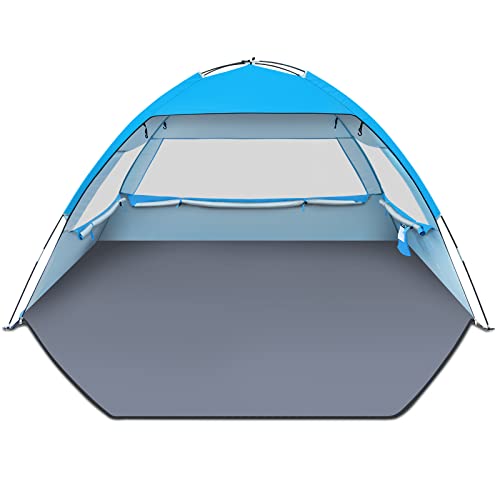
For 3/4-5/6-7/8-10 Person, Lightweight & Easy Setup, Portable
Practice Good Camp Etiquette and Emergency Readiness
Being a responsible camper isn’t just about keeping your dog cool. It’s about being a good neighbor and knowing what to do if something goes sideways.
Clean Up, Leash Rules, and Respect for Other Campers
Always pick up after your dog. Bring biodegradable poop bags and use them every time – seriously, nobody wants to find a surprise at their campsite.
Follow leash rules, even if your dog usually listens perfectly. New places mean new distractions and wildlife. A leash keeps your dog safe and makes other campers feel comfortable.
Try to keep barking in check, especially late at night. If your dog barks at every little sound, a crowded campground probably isn’t the best spot until you’ve worked on that. As The Outbound highlights, good training can make or break your trip.
What to Do if Your Dog Shows Heatstroke Symptoms
If you notice signs of heatstroke, act fast:
- Move your dog to the coolest spot you can find – shade, near water, or inside an air-conditioned car if you have one.
- Put cool, wet towels on their neck, armpits, and groin.
- Offer small sips of cool water (don’t force it).
- Skip ice water; it can actually trap heat inside.
- Get to a vet or emergency clinic right away.
Know where the closest vet is before you leave. Save the address and number in your phone, but write it down too, cell service can be spotty at camp.
When Summer Camping Is a Bad Idea
Sometimes, the best move is just to stay home. Skip the trip if:
- There’s a heat advisory or excessive heat warning
- Nighttime temps stay above 80°F (dogs need cooler nights to recover)
- Your dog is very young, old, or has a health condition that makes heat dangerous
- You can’t guarantee shade, water, or a quick exit if things go wrong
No shame in rescheduling. Honestly, fall camping with your dog is a blast.
Frequently Asked Questions
How do I keep my dog cool inside a tent when it’s blazing hot outside?
Don’t use the tent for daytime lounging if it’s super hot. During the day, open all the mesh vents, drape a reflective tarp over the fly, and leave the door unzipped for airflow. At night, toss a dog cooling mat inside and maybe use a battery-powered fan clipped to the tent frame.
What are the signs my dog is overheating, and when is it time to pack up and leave?
Early signs are heavy panting that doesn’t stop, thick drool, a bright red tongue, and not wanting to move. If you see stumbling, vomiting, pale gums, or collapse, that’s heatstroke – cool your dog down and get to a vet right away. If your dog has even one heatstroke episode, it’s time to end the trip.
How hot is too hot for my dog to be outdoors for any length of time?
Most dogs can handle up to about 80–85°F if they’ve got shade and water. Above 85°F, you’ll need to limit sun and activity. Once it’s over 90°F, especially if it’s humid, it’s risky for almost all dogs. Flat-faced and thick-coated breeds should stick to even lower temps.
What should I pack for hot-weather camping with a dog (cooling mat, vest, extra water, the whole deal)?
At the very least, bring a collapsible water bowl, portable dog water bottle, cooling mat, extra water (at least one gallon per day per dog), paw balm or booties, and a canine first aid kit. If you’re camping near water or it’s extra hot, add a cooling vest, battery fan, and dog life jacket.
Are there any special tips for camping with a dog in humid places like Florida?
Humidity makes it harder for dogs to cool down by panting, so lower your safe temperature by 5–10 degrees. Only do activities early or late. Pick campsites right by water for quick dips. A soaked cooling vest is especially helpful in humid weather since it helps your dog cool off when panting isn’t enough.
Can I take my dog camping if she’s in heat, or is that a disaster waiting to happen?
Sure, you technically can – but wow, it’s not easy, and I wouldn’t recommend it if you’re new to camping with dogs. When a dog’s in heat, she attracts other dogs from way farther away than you’d expect.
This can turn a chill camping trip into a stressful mess fast. You’ll have to keep her on a leash the whole time and completely skip any off-leash dog areas.
Don’t forget, you’ll also need to pack extra stuff for cleanup. If this is your first time camping with your dog in warm weather, it’s probably smarter to wait until her cycle’s done.