
Fall Camping Activities For Cozy Autumn Weekends
Fall camping gives you something special: warm afternoons for hiking, cold nights that make a campfire feel like a reward. The bugs are gone, the crowds thin out, and the woods put on a color show you just can’t get in July.
The trick is figuring out what to do with those short, golden days. The best fall camping activities layer up: an active morning outside, a harvest-themed afternoon nearby, and a slow, cozy evening at camp before the real chill hits.
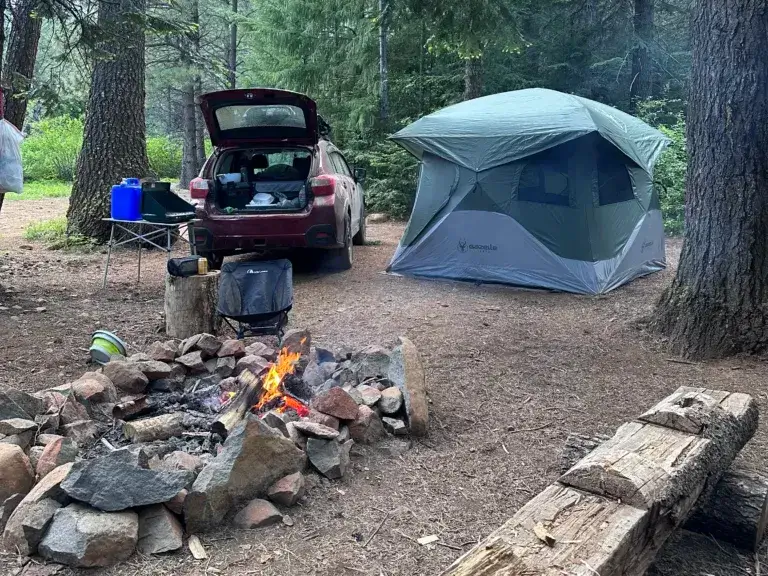
Below are seasonal activity ideas paired with real timing and comfort advice. Whether you’re in a tent, rooftop setup, or a 30-foot rig, there’s something here for you.
Grab a mug of something hot and skim the sections that fit your crew. Start sketching out your next autumn weekend – the best ones come together with just a little planning.
Plan Around Peak Color And Daylight
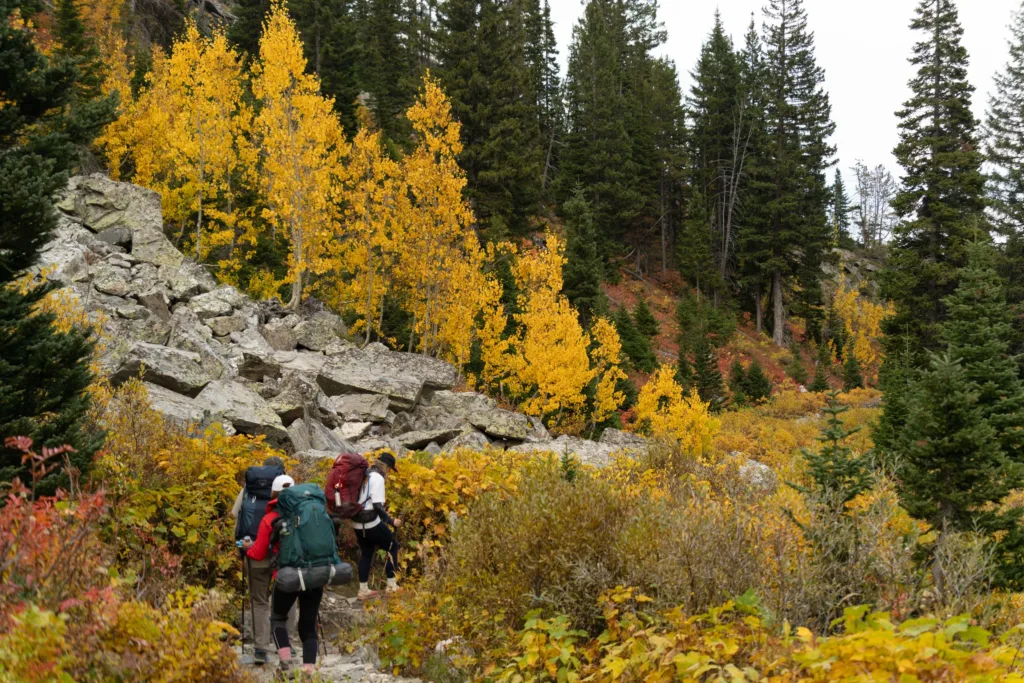
Fall camping rewards planning more than summer. Peak leaves last about a week in most spots.
Campgrounds start closing gates, and you lose daylight fast, so a loose plan beats a packed one.
Use A Fall Foliage Map To Time Your Trip
A fall foliage map is the best planning tool for autumn camping. Most predict color week by week by region, and state tourism sites often post weekly leaf-peeping reports.
General timing to work from:
| Region | Typical peak |
|---|---|
| Northern New England, Upper Midwest | Late September to early October |
| Mid-Atlantic, Southern Appalachians | Mid to late October |
| Southern states, low elevations | Late October into November |
Elevation matters as much as the calendar. Ridges turn color a week or two before valleys, so if you miss peak high up, just drive downhill and you’ll probably find it again.
Choose Campgrounds That Stay Open
Plenty of national park and national forest campgrounds shut down water or close after Labor Day or mid-October. Call or check the alerts page before you book.
Your options, roughly in order of reliability: RV parks and private campgrounds stay open the latest. State parks often run through October, and dispersed camping along Forest Service roads works as long as the road is passable. Always have a backup site picked out.
Build A Flexible Day-To-Night Itinerary
By late October, you might only get 10 hours of daylight. Plan one big activity before lunch, one easy outing in the afternoon, and be back at camp an hour before sunset.
That last hour matters. Setting up your tent, splitting firewood, and prepping dinner in the dark and cold is how good weekends turn grumpy.
Find Scenic Routes Near Your Campsite
Scenic drives are the perfect lazy afternoon. Map two or three overlooks within 30 miles of camp, then stop often instead of racing the whole loop.
Back roads beat highways for color. Gravel Forest Service roads are usually empty. Pack snacks and a thermos so any pullout becomes a picnic spot.
Explore Trails, Roads, And Wildlife
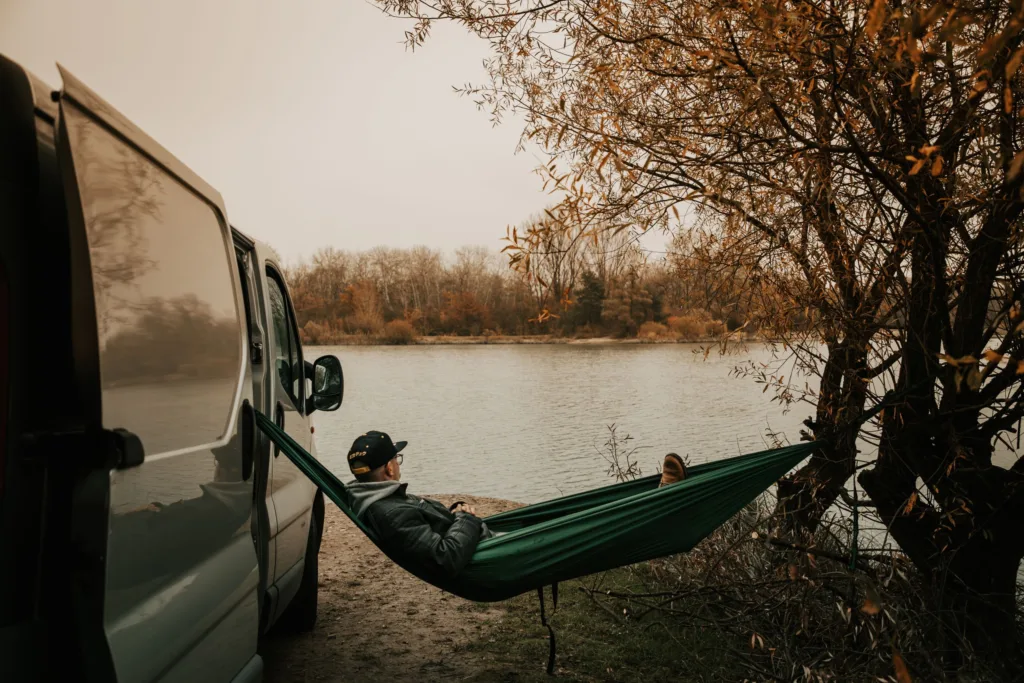
Cooler temperatures make fall the best hiking season. The same crisp air brings deer, elk, and migrating birds into the open.
Mornings are for movement. You’ll want to be off the trail well before dusk.
Take A Fall Hike Or Nature Walk
Aim for a mid-morning start when low sun lights up the canopy. Pick a trail with mixed hardwoods for the widest color range.
Choose some elevation gain if you want dramatic views. Wet leaves hide roots and rocks, so wear hiking boots with real tread.
For a mellow option, a flat nature walk near camp with kids collecting acorns and leaves fills an hour beautifully.
Try Geocaching And Mountain Biking
Geocaching turns any campground loop into a treasure hunt. It’s a great rainy-morning distraction because you can quit whenever you want.
Load caches to your phone before you leave home, since service is spotty. Fall dirt is often perfect for mountain biking: tacky, not dusty.
Just watch for leaf-covered corners and start rides early so you’re not finishing in the dark.
Watch Migrating Birds And Woodland Wildlife
Fall is peak movement season. Hawks and songbirds funnel along ridges and shorelines.
Deer get way more active in the cool early hours. Pack binoculars and take 20 quiet minutes at dawn near a field edge or lake.
That’s one of my favorite fall camping tips because it costs nothing and delivers almost every time.
Add A Guided Horseback Ride
Many campground areas have outfitters running fall foliage trail rides, usually one to two hours and beginner-friendly. It’s a great pick when someone in your group isn’t up for a long day hike.
Book ahead, since autumn is their busy stretch. Wear long pants, closed-toe shoes, and gloves, because you get cold sitting still on a horse.
Enjoy Water-Based Autumn Adventures
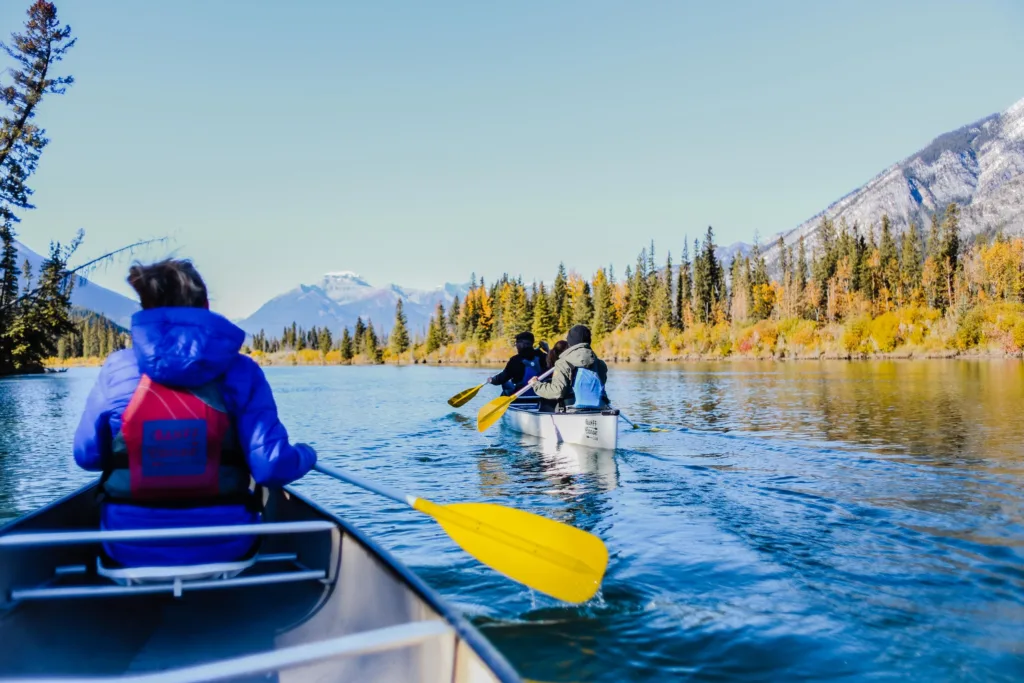
Lakes go glassy and quiet in fall. Fish get aggressive as water cools.
The water itself, though, is colder than the air suggests. A little extra prep changes everything.
Paddle Calm Lakes In A Canoe Or Kayak
Morning paddles in October are hard to beat. Mist on the surface, no motorboats, and reflected color across the whole shoreline.
Stay close to shore and paddle in the calmer early hours before afternoon wind kicks up. Hug the bank where the trees hang low, and always wear your life jacket, not just carry it.
Plan A Productive Fall Fishing Outing
Fall fishing shines because cooling water pushes bass, trout, and walleye into shallower, more predictable spots. Fish move through the middle of the day now instead of just dawn and dusk.
Work drop-offs, points, and areas near creek inlets. Check your state’s fall regulations before you go, since seasons and limits shift this time of year.
Dress And Prepare For Cold Water
Cold water deserves respect without drama. If air and water temperatures added together fall under 120°F, dress for a swim, not for the sunshine.
Pack this for any on-water day:
- Synthetic or wool layers, never cotton
- A wind- and waterproof outer shell
- Waterproof boots and a spare pair of warm socks
- Rain gear that packs small
- Paddling gloves or thin fleece gloves
- A full change of dry clothes left in the car or dry bag
Tell someone your plan and your return time. Then get off the water with enough daylight to change and warm up.
Build A Harvest Day Near Camp
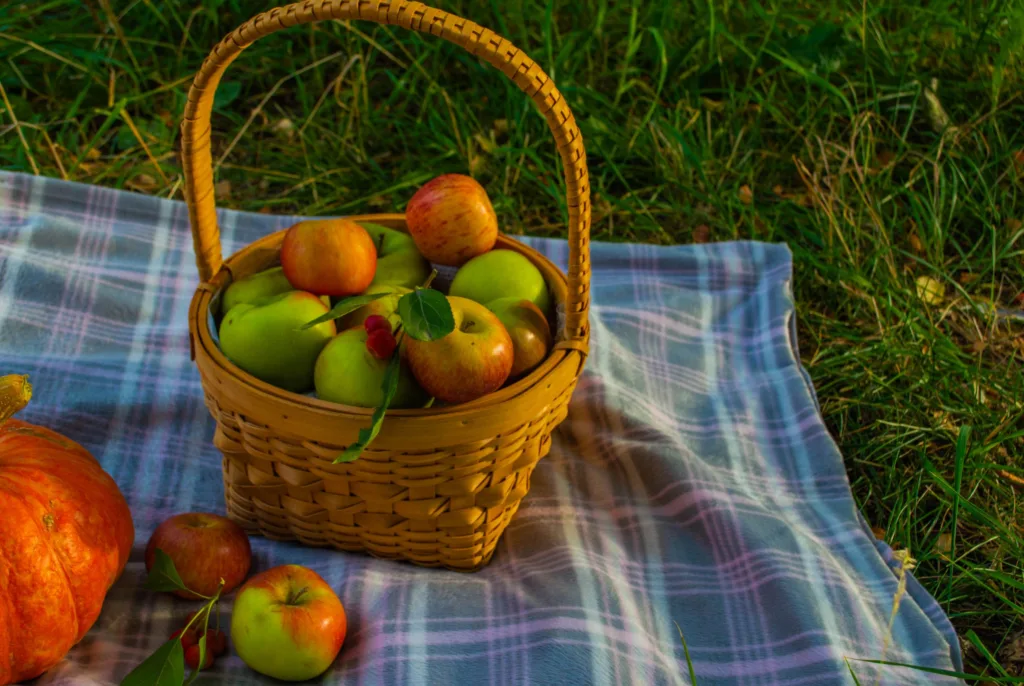
Some of the best fall camping activities happen 20 minutes down the road from your campsite. A harvest afternoon fits perfectly between a morning hike and an evening fire.
It works for every age in the group.
Pick Apples And Visit An Orchard
Search for apple orchards near your campground before you book. Plan apple picking for the afternoon when the fog burns off.
Bring a cooler bag, since apples soften fast in a warm car. Pick more than you think you need.
Sliced apples go into breakfast oatmeal, foil packets, and campfire cobbler, and they keep for days in cool fall temperatures.
Choose A Pumpkin Patch Or Corn Maze
Pumpkin patches and corn mazes are the easy win for family camping. Kids burn off energy, adults get hayrides and cider donuts, and nobody has to hike anything.
Two quick notes from experience: mazes get muddy, so bring boots, and small pumpkins travel better than the giant ones. A mini pumpkin makes a great campsite candle holder.
Attend Festivals And Taste Local Cider
Check the county event calendar for fall festivals and harvest festivals happening the weekend you camp. Many campgrounds also host their own harvest parties in October with costume contests and trick-or-treating around the loops.
Cider tasting at a nearby mill is a fun stop for couples and friend groups. Buy a gallon of fresh apple cider for camp; warmed on the stove with a cinnamon stick, it beats hot cocoa.
Make Leaf Crafts At The Campsite
Collect the brightest leaves on your morning walk, then press them between paper inside a heavy book back at camp. It costs nothing and keeps kids busy while dinner cooks.
Other easy campsite crafts: leaf rubbings with crayons, pinecone bird feeders, and a scavenger hunt list of five leaf shapes.
Make Evenings Cozy At The Campsite
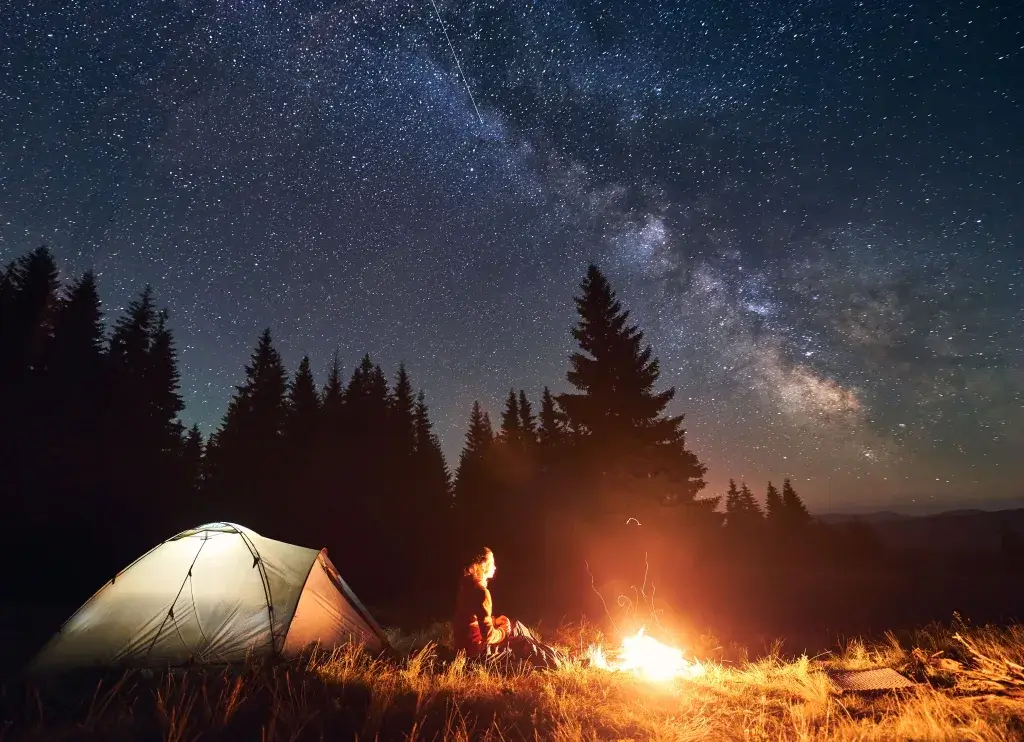
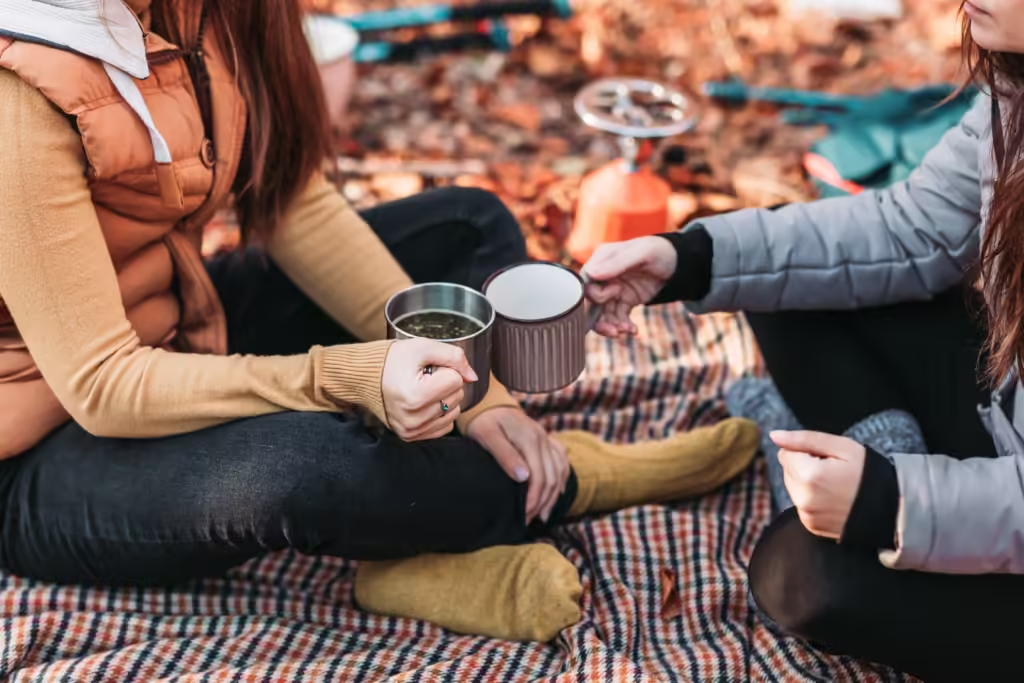
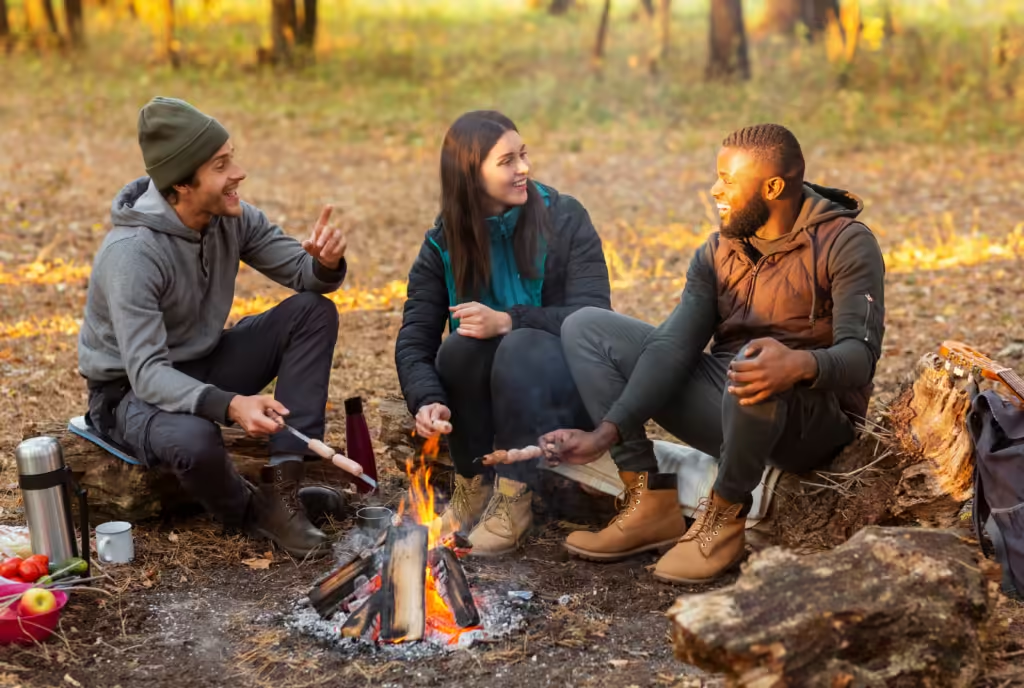
Once the sun drops in the fall, camp life shifts indoors, meaning right up close to the fire. Longer evenings are a gift if you plan food, light, and entertainment before dark.
Cook Hearty Meals Over The Fire Or Stove
Cold weather is what campfire cooking was made for. Standing over coals feels great in October instead of miserable in August.
Reliable autumn camping recipes:
- Campfire chili started in a Dutch oven mid-afternoon, with a splash of apple cider stirred in
- Foil packet meals with sausage, squash, apples, and sage
- Soup from your camp stove for a fast, warm lunch
- Foil-wrapped sweet potatoes buried in embers for 45 minutes
Always bring a camp stove and reliable fire starters. Fire bans happen in the fall too, and damp wood does not light on charm alone.
Set Up Games, Stories, And Soft Lighting
String lights around your camp chairs or awning make a huge difference in mood and safety once it’s dark. Everyone should have their own headlamp with fresh batteries.
Load a bin with campfire games and a story or two: cards, dominoes, charades, and a spooky tale for October. A propane fire pit is worth packing if your campground restricts wood fires.
Watch The Stars And Learn The Constellations
Autumn air is drier and clearer, so stargazing gets sharp. Look for Cassiopeia’s W shape and the big square of Pegasus overhead in October.
Walk to an open field or boat ramp away from camp lights, spread a blanket, and give your eyes 15 minutes to adjust. Use a red light so you don’t reset everyone’s night vision.
Create A Rainy-Evening Backup Plan
Rain will find you eventually. Rig a tarp over the picnic table before you need it, and keep dry firewood under a bin lid.
Have a plan B in the tent or rig: card games, an audiobook, hot cocoa, and an early bedtime with a good book. That’s not a ruined night; that’s just a cozy one.
Stay Comfortable Through Chilly Nights
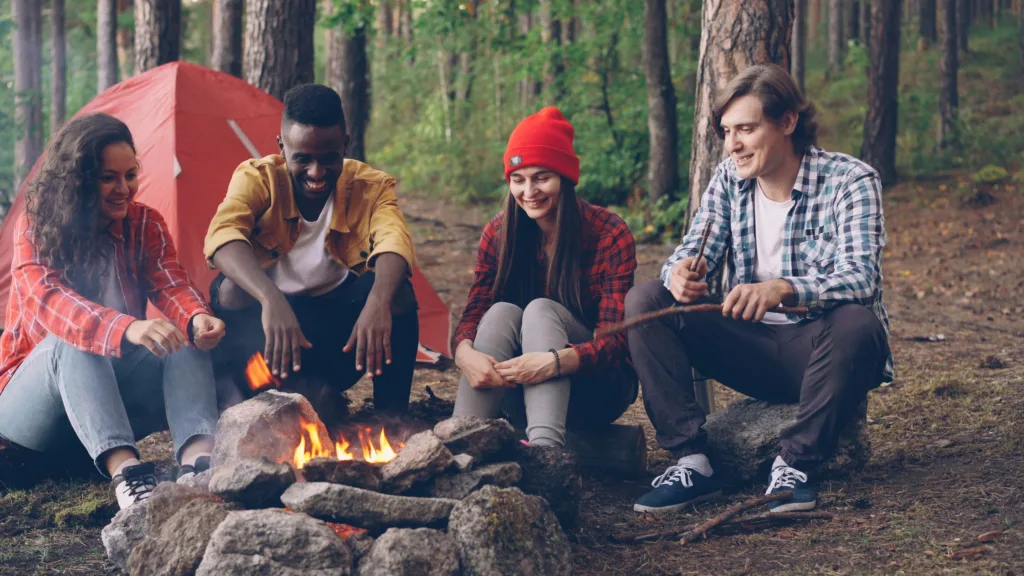
Fall camping gear is less about buying more and more about arranging what you have. Warmth comes from layers you can shed, insulation under your body, and a plan for rain and frost.
Create A Warm Layering System
Three layers cover almost every fall day. Skip cotton as it traps sweat and chills you fast.
| Layer | What to wear |
|---|---|
| Base layer | Merino wool or synthetic top and bottoms |
| Mid layer | Fleece or a light puffy jacket |
| Outer shell | Wind- and waterproof jacket |
Add a beanie, gloves, and warm socks. You lose real heat from your head and feet, and a hat is the fastest way to fix being cold at night.
Insulate Your Sleep Setup From The Ground
The ground usually makes you cold at night, not the air. An insulated sleeping pad with an R-value of at least 4 helps more than just getting a warmer sleeping bag.
- Pick a sleeping bag rated 10 to 15 degrees below the forecast low
- Use a sleeping bag liner for extra warmth
- Fill a hard bottle with hot water and toss it at your feet before bed
- Change into dry sleep clothes, including fresh socks
Pack For Rain, Frost, And Sudden Temperature Drops
Fall weather can swing wildly. A 70-degree afternoon might turn into a 32-degree morning with frost on your rainfly.
Bring extra blankets, waterproof bins for your gear, a whisk broom for wet leaves, and spare batteries since cold drains them fast. Set up camp before sunset every time.
Use A Pre-Departure Comfort Checklist
Run through these fall camping essentials before you pull out of the driveway:
Camp chairs, tarp, and rope
Sleeping bag, liner, insulated pad, extra blanket
Base layers, fleece, shell, beanie, gloves, two pairs of warm socks
Rain gear and waterproof boots
Camp stove, fuel, fire starters, dry kindling
Headlamps, string lights, spare batteries
Thermos, hot cocoa, coffee, soup ingredients
Frequently Asked Questions
What are some fun activities to do while camping in the fall?
Hiking through peak foliage, scenic drives, fall fishing, geocaching, and wildlife watching all really shine in autumn. Pair those with apple picking, pumpkin patches, corn mazes, or harvest festivals nearby. Wind down with campfire cooking, stargazing, or campfire stories.
What should I pack for a fall camping trip?
Pack wool or synthetic base layers, fleece, an insulated jacket, a waterproof shell, a beanie, gloves, and extra warm socks. Add an insulated sleeping pad, a warmer sleeping bag, a camp stove, fire starters, headlamps, and a thermos for hot drinks.
How can I stay warm while tent camping in cold weather?
Start by insulating underneath you with a sleeping pad that has an R-value of 4 or higher. Add a bag liner and an extra blanket. Change into dry sleep clothes, wear a beanie, and tuck a hot water bottle into the foot of your bag before you turn in.
Is October too cold for camping?
Nope, October is actually one of the best camping months in most of the country. Just check the forecast low, bring a sleeping bag rated below that number, and make sure your campground is still open with water on.
What are the best fall camping activities for kids and toddlers?
Leaf collecting, leaf rubbings, campground scavenger hunts, pumpkin patches, hayrides, and corn mazes keep young kids busy and happy. At camp, roasting marshmallows, hunting for pinecones, and a short stargazing session before an early bedtime work really well.
How should I layer clothing for fall camping?
Start with a moisture-wicking merino wool or synthetic base layer. On top of that, throw on a fleece or a puffy jacket for extra warmth.
Finish it off with a windproof and waterproof shell. As you hike, peel off layers if you get too warm, then toss them back on when you stop moving.
Harvest season brings some of my favorite camping moments. From crisp apple orchards to colorful pumpkin patches, these simple adventures connect you with autumn’s bounty and leave you with stories you’ll want to tell again and again.
Apple Picking Excursions
My first apple picking adventure near our campground totally changed my view on fall camping. The crisp air, rows of trees heavy with fruit, it just felt like the perfect setup for a family day out.
Most orchards open early, and mornings are usually cool and peaceful. I always bring sturdy baskets and wear comfy shoes, since the ground can get pretty uneven out there.
Best apple picking tips:
- Visit between 9-11 AM for cooler weather
- Bring cash – many farms prefer it
- Pack a small cooler for your fresh apples
- Choose apples that twist off easily
The types of apples you’ll find really depend on when and where you go. Early in the season, I usually see Honeycrisp and Gala, while late October brings out Granny Smith and Red Delicious.
I love planning our camping meals around whatever apples we pick. Nothing beats fresh apple pancakes cooked over the camp stove after a morning outside.
Apple crisp in a Dutch oven has become our go-to campfire dessert. It’s a tradition my family looks forward to every year.
Many orchards throw in hayrides or cider tastings, which just adds to the fun. These fall harvest activities fit right in with the camping vibe.
Local Festivals and Attractions
Timing a camping trip with a local harvest festival can turn a regular weekend into something really memorable. These festivals are packed with local flavor and seasonal cheer.
Most festivals run on weekends throughout October. I always check the chamber of commerce website before heading out, just to see what’s happening near our campground.
Common festival attractions include:
- Live bluegrass and folk music
- Local craft vendors
- Seasonal food booths
- Pumpkin carving contests
- Corn maze adventures
Pumpkin patches seem almost magical during fall camping. I still remember a patch in Vermont where my nieces spent ages picking out pumpkins while I sipped hot cider.
Some campgrounds host their own fall festivals right on site. It’s a great way to meet other campers and share meals or stories around the fire.
If you’re hitting a popular spot, arrive early. Parking at pumpkin patches and corn mazes fills up fast, so I aim for Friday afternoons or early Saturday mornings.
Creating Seasonal Crafts
Crafting with stuff I find while camping adds a creative twist to our trips. Fall’s the best for this because nature leaves all sorts of treasures right outside your tent.
Each morning, I go for a walk and collect leaves, acorns, and little branches. When the weather turns chilly, we turn these finds into afternoon craft projects back at camp.
Easy campground crafts:
- Leaf pressing using heavy books
- Acorn cap candles with birthday candles
- Twig picture frames bound with twine
- Pine cone animals using felt scraps
My favorite is stringing together leaf garlands. We use fishing line and hang colorful leaves around our picnic table. It’s simple but looks amazing.
Pressed leaves and flowers make great bookmarks. I sandwich them between wax paper in a heavy book, and after a couple of days, they’re good to go.
Kids always get into painting small pumpkins from local patches. I pack washable paints in little containers, and those pumpkins double as campsite decor and souvenirs.
If your campground has power, hot glue guns are awesome for crafts. For tent camping, I bring a battery-powered one; makes life so much easier.