
Glamping in Oregon: Best Areas, Stays, and Planning Tips
Glamping in Oregon lets you soak up the state’s coastline, forests, mountains, and wine country – without the misery of a bad air mattress or a tent that leaks. Maybe you’re eyeing a yurt above the Pacific, a treehouse in old-growth firs, or a vintage Airstream parked in Willamette Valley wine country. Oregon has something for almost everyone.
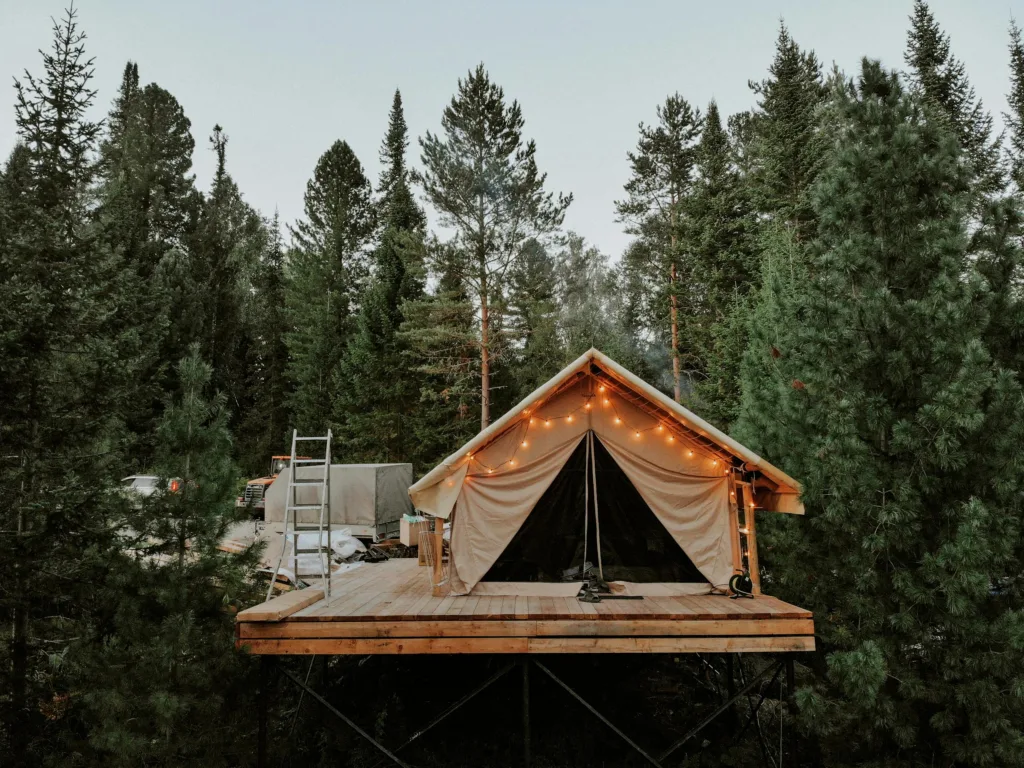
The trick to a great glamping trip here isn’t just picking a cool-looking listing; it’s matching the stay to the experience you actually want. A couple looking for a romantic weekend near Willamette Valley wineries needs a very different setup than a family of five hoping to explore tide pools on the coast.
And a first-timer who’s never slept anywhere without four solid walls deserves some real guidance on what to pack, what “off-grid” really means, and which seasons actually deliver the best balance of weather and availability.
This guide covers the best areas for Oregon glamping, the most popular stay types, seasonal planning tips, and the nearby experiences that can turn a good trip into a great one. It’s for beginners, couples, small groups, and anyone who wants fresh air with a real bed waiting at the end of the day.
Key Takeaways
- Oregon’s regions each bring a different glamping vibe, from beach views on the coast to high desert adventures in Central Oregon and vineyard stays in Willamette Valley.
- Your best stay depends on group size, comfort level, and how you feel about shared bathrooms—always check amenity details before you book.
- Every season can work for glamping in Oregon if you plan for the weather and book early, especially during summer and fall wine country weekends.
How to Choose the Right Stay for Your Trip
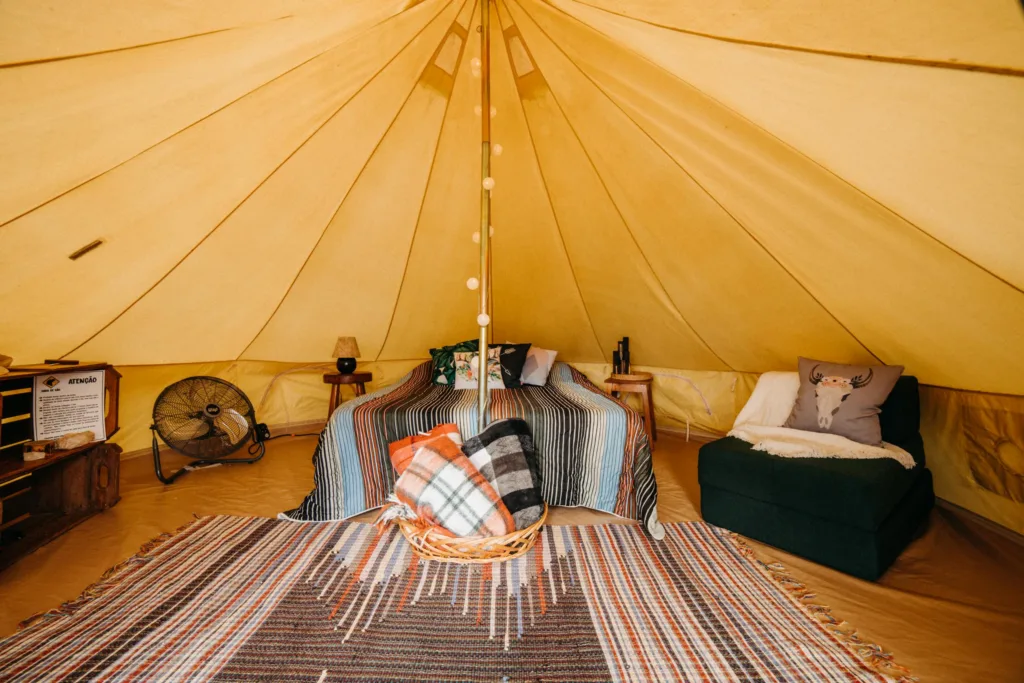
Not every glamping stay is built the same. The right pick depends on who you’re traveling with, how much comfort you want, and which amenities matter most to you.
A dreamy dome for two might be a tight squeeze for a family. And a rustic treehouse might not be the luxury glamping experience you’re imagining.
Best Options for Couples, Families, and Friend Groups
For couples, look for stays with privacy and small romantic touches – a cedar soaking tub, a fire pit for two, or a quiet spot away from other guests. The Bali House near Silverton is a nice example of a greenhouse-style cabin with a sleeping loft and cedar tub that works well for a low-key weekend.
Families should focus on space and kid-friendly features. Yurts with full kitchens and multiple beds, or places with on-site activities like Out ‘n’ About Treehouse Treesort in Cave Junction, give kids something to do beyond the stay itself.
Friend groups do well with properties that have communal outdoor areas, fire pits, and room to spread out. Look for larger cabins or resort-style setups where everyone isn’t sharing one bathroom.
What Makes a Stay Feel Rustic, Comfortable, or Fully Upscale
These categories matter more than you might think:
- Rustic means composting toilets, no electricity, and possibly a walk to shared facilities.
- Comfortable usually means a real bed, electricity, heat, and a private or semi-private bathroom.
- Luxury glamping adds things like high-end linens, hot tubs, full kitchens, and climate control.
Be real with yourself about what you want. There’s no shame in wanting a flush toilet, trust me.
Amenities to Check Before You Book
Before you commit, confirm these details directly on the listing:
Cell service and WiFi: some stays trade connectivity for calm, and you’ll want to know that in advance.
Bathroom setup: private, shared, or outdoor?
Heat and cooling: critical for coast stays and mountain nights.
Kitchen or cooking options: full kitchen, kitchenette, or fire pit only?
Road access: some off-grid stays need high-clearance vehicles.
Pet policy: rules change often, so always double-check before booking.
Best Areas to Base Your Oregon Getaway
Oregon covers a lot of ground, and each region brings a completely different landscape and vibe. Picking your area first makes the rest of your planning so much easier.
Oregon Coast for Beach Views and Cool-Weather Escapes
The Oregon Coast delivers dramatic cliffs, wide sandy beaches, tide pools, and small towns with great seafood. Oregon State Parks along the coastline have some of the best yurt accommodations around, with places like Fort Stevens, Beverly Beach, and Cape Lookout standing out.
Expect cool, windy weather year-round – even in summer. Pack layers and don’t count on sunshine. A stormy coast night inside a warm yurt can be its own kind of magic.
Central Oregon for High Desert Scenery and Adventure
Central Oregon around Bend and Sunriver gives you high desert terrain, volcanic landscapes, mountain biking trails, and rivers that are perfect for fishing and paddling. Summers are sunny and warm. Winters bring snow for skiing at Mt. Bachelor.
This area is for active travelers who want busy days and a comfortable place to crash at night.
Mt. Hood and the Columbia River Gorge for Waterfalls and Forests
If waterfalls are on your list, this is the place. The Columbia River Gorge has more than 90 waterfalls, scenic drives, fruit orchards near Hood River, and views of Mt. Hood that never get old.
Glamping near the Gorge puts you close to Portland but still far away from city noise.
Southern and Eastern Oregon for Remote Scenery and Unique Stays
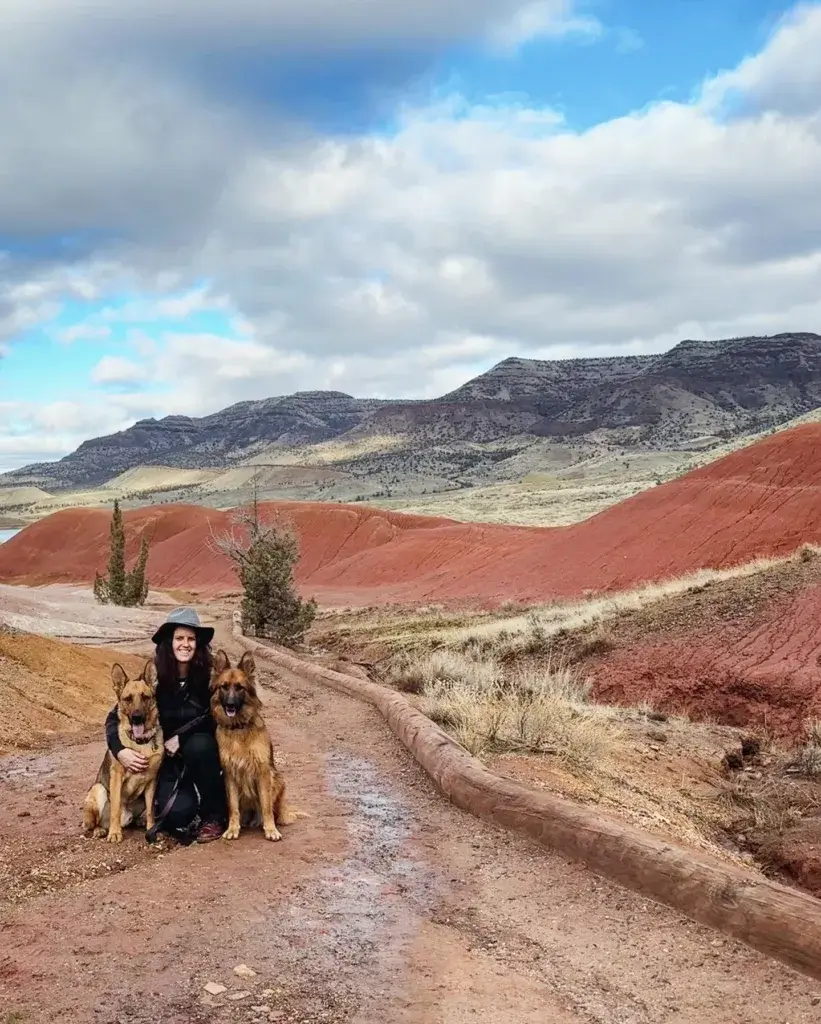
Southern Oregon offers scenic rivers, Crater Lake access, hot springs, and small arts towns like Ashland. Eastern Oregon is wide-open country with the Painted Hills, ghost towns, and barely any crowds.
Stays here tend to be more off-grid, so come prepared. The payoff? Solitude and scenery you won’t have to share with a parking lot full of tourists.
Willamette Valley for Wine Country and Easy Weekend Trips
Willamette Valley is Oregon’s wine country, and it’s less than an hour from Portland. That makes it perfect for a quick weekend escape with vineyard tours, farm-to-table dining, and easy access to some of the state’s best Pinot Noir.
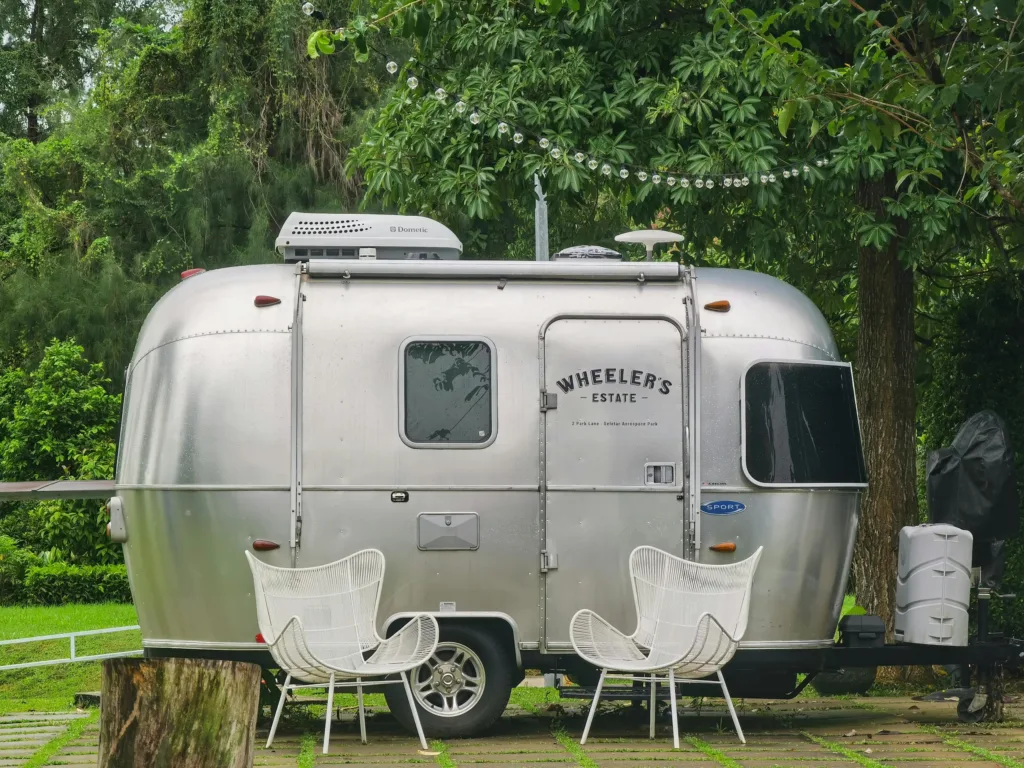
Willamette Valley wineries pair naturally with nearby glamping stays. The Vintages Trailer Resort puts you in a retro Airstream with bikes, fire pits, and a pool between tasting room visits.
The Most Popular Stay Types Across the State
Oregon glamping comes in more styles than you’d expect. Your choice of structure shapes everything from the vibe of your trip to how warm you’ll be at midnight.
Yurts, Domes, and Safari Tents
Yurts are the most common glamping option in Oregon, especially at state parks. They’re circular, sturdy, and usually come with heat, electricity, and a lockable door. Some have bunk beds and kitchenettes.
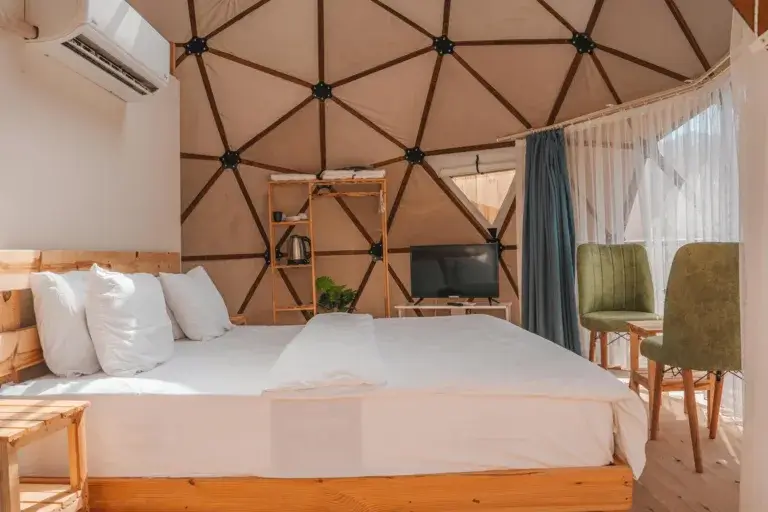
Geodesic domes are a step up in style. They look great in photos and often come with huge windows for stargazing or ocean views. Safari tents feel more luxurious, with canvas walls, real beds, and sometimes full bathrooms.
Treehouses, Tiny Homes, and Airstreams
Treehouses range from rustic platforms to finished cabins in the canopy. The Heartland Treehouse near Langlois sits between two massive firs and overlooks a river canyon.
Tiny homes work well for couples or solo travelers who want something compact with real amenities. And Airstreams, like the ones at The Vintages in Willamette Valley, bring retro charm with curated interiors.
Cabins, Farm Stays, and Off-Grid Escapes
Cabins run the gamut on comfort. Some feel like small hotels; others are one-room shelters with a wood stove. Farm stays add animals, gardens, and a slower pace.
Off-grid options like the Hobbit House at Dew Valley Ranch near Bandon run on solar power and include basic comforts, but you’ll want to double-check the shower and cooking situation before you book. Think of these as upgraded camping with a story to tell.
When to Go and What to Expect by Season
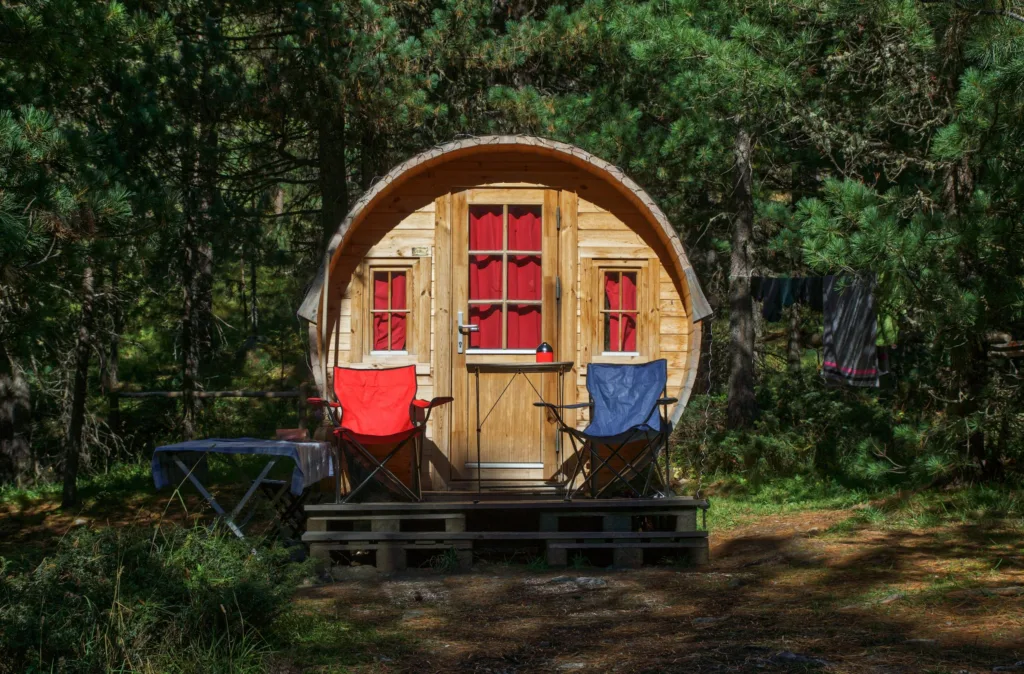
Timing matters more than most people realize when planning glamping in Oregon. Each season brings different weather, different crowds, and different pricing.
Summer Crowds, Coastal Weather, and Peak Booking Windows
Summer, from June through August, is peak season in Oregon. Inland areas get warm and dry, while the coast stays cool and often foggy.
Popular glamping spots fill up weeks or even months ahead. If you want your pick, plan early.
The best months for glamping in Oregon are May through September if you want the most reliable weather. Weekends disappear fast, so try for midweek if you can swing it.
Fall Wine Country Weekends and Shoulder-Season Value
Fall really feels like the sweet spot. October brings beautiful leaves, smaller crowds, and harvest season at the Willamette Valley wineries.
Temperatures drop but usually stay comfortable through mid-October. Shoulder-season rates can save you 20 to 40 percent compared to summer.
Just be ready for rain starting in late October. It sneaks up fast.
Winter Yurts, Heated Stays, and Stormy Coast Trips
Winter glamping can work if your spot has real heating. Coast yurts during a storm are surprisingly cozy, and you get dramatic waves with empty beaches.
Check that your stay includes heat, insulation, and covered outdoor areas. Skip anything that depends on fans or open windows for airflow in December.
Spring Wildflowers, Waterfalls, and Muddy Reality Checks
Spring (March through May) brings wildflowers, big waterfalls from snowmelt, and a burst of green everywhere. It’s gorgeous, but also wet.
Trails get muddy, and gravel roads to remote spots can be rough. Pack waterproof boots and a good rain jacket, and double-check that your stay’s access road is passable in spring.
How to Plan a Comfortable First Glamping Trip
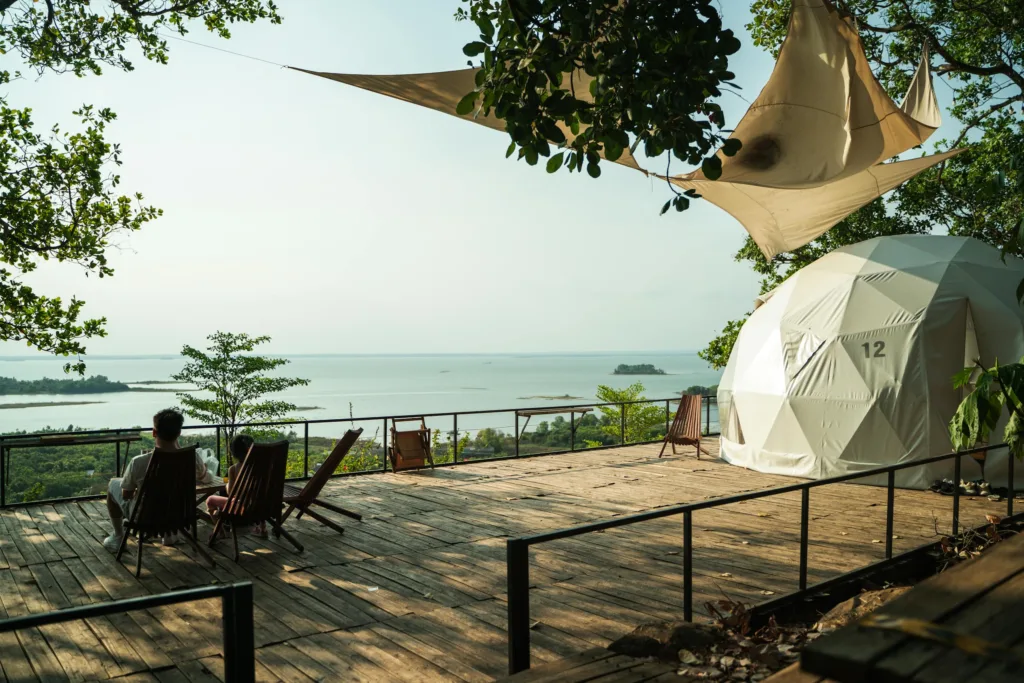
If this is your first time, the planning part can feel more intimidating than it should. A bit of prep makes your trip relaxed instead of stressful.
What to Pack Without Overpacking
Most glamping stays provide bedding, but the rest varies. A smart packing list includes:
- Layers for temperature swings (mornings and evenings get cold, even in summer)
- Sturdy shoes or hiking boots
- A headlamp or flashlight
- Sunscreen and bug spray
- A small backpack for day hikes
- Reusable water bottle
- Snacks and basic cooking supplies if your stay has a kitchen
This Oregon glamping packing guide suggests bringing a first aid kit and extra batteries, especially for remote locations.
How to Prepare for Shared, Private, or Off-Grid Bathrooms
This is the question that makes or breaks a first glamping trip for a lot of people. Here’s the real breakdown:
- Private bathrooms feel like a hotel. You get your own toilet and shower inside or attached to your unit.
- Shared bathrooms mean a short walk to a communal facility. Bring flip-flops and a toiletry bag.
- Off-grid setups might have a composting toilet and outdoor shower. They’re totally fine once you adjust, but go in knowing what to expect.
Always confirm the bathroom type in the listing before booking. Sometimes “bathroom available” is intentionally vague.
Booking Tips for Road Access, Pets, and Group Size
A few practical things to sort out before you click “reserve”:
- Road access: Some stays require gravel or dirt roads. Ask about conditions and if you need a 4WD vehicle.
- Pets: Policies vary by unit, not just by property. Double-check your specific stay allows dogs if you’re bringing one.
- Group size: Listings usually state a max occupancy. Respect it – small spaces get cramped fast.
Book directly with the property when you can. You’ll often get better cancellation terms and more accurate info than through third-party sites.
Ideas for Pairing Your Stay With Nearby Experiences
Oregon glamping just gets better when you pair it with what’s nearby. The state makes it easy to combine your stay with hikes, food, and scenic drives that don’t require hours of extra driving.
Waterfalls, Hiking Trails, and Scenic Drives
The Columbia River Gorge alone has enough waterfalls to fill a long weekend. Multnomah Falls gets the most attention, but smaller trails like Oneonta Gorge and Wahclella Falls are worth your time too.
In Central Oregon, the Deschutes River Trail near Bend is an easy walk with big scenery. The Painted Hills in Eastern Oregon are worth the drive for the otherworldly landscape.
Beach Towns, Surf Spots, and Coastal Stops
Cannon Beach, Pacific City, and Bandon are all worth a stop. You can explore tide pools, fly a kite on the sand, or try surfing if you’re brave enough for cold Pacific water.
The Surf Yurt at Otter Rock comes with board racks and quick beach access. You can go straight from the waves to a hot shower.
Farm Visits, Food Stops, and Willamette Valley Wineries
If you’re staying in or near Willamette Valley, plan at least one afternoon for wine tasting. The region is known for Pinot Noir, and many tasting rooms are casual and welcoming to newcomers.
Farm stands dot the valley roads in summer and fall. Pair a tasting with a stop for fresh berries, local cheese, or a farm-to-table lunch. The combination of luxury glamping and great food is what makes this area a top pick for weekend trips in the Pacific Northwest.
Frequently Asked Questions
Where are the best spots to stay if I want ocean views without actually sleeping on the sand?
The Oregon Coast has yurts and domes set back from the beach with clear ocean views. State park yurts at Beverly Beach and Cape Lookout are solid options. The geodesic dome near Otter Rock offers a short walk to the coast without sand in your sheets.
Which places have private hot tubs so I can soak like a marshmallow after a day outside?
Several Southern Oregon and Willamette Valley stays include private hot tubs. The RV stay at Paschal Winery in Talent often features a hot tub and fire pit. Some coastal cabins include soaking tubs as well.
Always confirm hot tub availability on the listing since seasonal restrictions and maintenance can affect access.
What are the most romantic stays for couples that still feel outdoorsy (but not too outdoorsy)?
The Bali House near Silverton is a popular pick with its greenhouse-style cabin and cedar tub. Treehouses like the Heartland Treehouse on the South Coast also score high on romance, especially with the waterfall sounds at night.
Look for stays with private entrances and no shared walls.
Are there any easy options near Portland for a quick weekend escape that doesn’t require a whole road trip playlist?
Willamette Valley is under an hour from Portland. The Vintages Trailer Resort puts you in a vintage Airstream surrounded by wine country.
The Columbia River Gorge is also close, with stays on both the Oregon and Washington sides that are about an hour from downtown Portland.
Where should I stay if I want jaw-dropping scenery around the Columbia River Gorge or Hood River?
Look for cabins, tiny homes, or yurts near Hood River or along the Gorge. You’ll be close to waterfall hikes, orchard towns, and Mt. Hood views.
Some stays on the Washington side of the river offer equally good scenery with slightly less competition for bookings.
How do I choose between staying here or heading north for a similar trip in Washington?
Oregon and Washington both have excellent glamping across the Pacific Northwest. Still, the vibes are pretty different.
Oregon offers more coastline variety, easy wine country access, and some beautiful high desert scenery. Washington pulls you in with its rainforests, island getaways, and mountain retreats.
If Willamette Valley wineries or the Oregon Coast sound good, I’d stick with Oregon. But if the San Juan Islands or Olympic Peninsula are on your list, then maybe it’s time to go north.