
How to Optimize Camper Storage for Different Seasons and Trip Types: Smart Solutions & Creative Hacks
Nothing kills the camping mood faster than digging through a mountain of clutter just to find that one tiny thing you need. Ever been on a winter trip only to find your extra blankets buried under a pile of summer gear you should’ve left at home?
The trick to happy camper storage? Match your organization to the season and your adventure style.

Over time, I figured out that effective camper organization isn’t about cramming every nook full. It’s about building flexible systems that work for a sunny beach weekend or a months-long winter boondock.
A smooth, stress-free camping trip usually comes down to how well you planned your storage. I’ve tried all sorts of methods, made my share of rookie mistakes, and finally landed on a few real-world tricks that actually work.
You’ll figure out how to squeeze the most from every inch of your camper, keep essentials handy, and stay organized, no matter what the weather or your travel plans throw at you.
Key Takeaways
- Adjust your camper organization for the season and trip type, not just once for the whole year.
- Use vertical space and hidden storage to boost capacity without losing comfort.
- Regularly declutter and use flexible storage solutions so you can adapt fast as your needs change.
Understanding Your Storage Needs Year-Round
Getting organized starts with knowing what you have and what you’ll really use. Taking inventory and packing intentionally can mean the difference between a relaxing trip and a frantic search through every cabinet.
Taking Stock of What You Own
When I prep for a new season, I pull out everything from my camper. Seriously – everything. It’s a little like an oddball holiday, except half the “gifts” are expired sunscreen and tangled mystery cords.
Make a master inventory list:
- Kitchen must-haves and cookware
- Clothes for each season
- Safety gear (first aid, anyone?)
- Tools and repair stuff
- Entertainment and electronics
I group my list by storage area so I always know where things live. This keeps me from buying doubles or leaving something crucial behind.
Weight sneaks up on you. My poor camper groaned up mountain roads until I started weighing seasonal gear and tracking how much space it hogged.
Check expiration dates on meds, food, and safety gear. You don’t want to find out your first aid kit expired two years ago when you need it most.
Decluttering Before Every Trip
Before each trip, I do a “one-year rule” sweep. If I haven’t used it in a year of camping, it’s not earning its keep in my storage.
Decluttering in a camper is different than at home. Every item has to be useful, lightweight, or serve more than one job.
I sort into four piles:
- Keep and use regularly
- Store at home when out of season
- Donate or give away
- Trash or recycle
The “store at home” pile is gold for maximizing RV storage space. No need to lug winter gear on summer trips, and leave the beach toys behind when you’re headed for the mountains.
Cut duplicates mercilessly. I used to carry three can openers. Now, one solid tool does the trick.
Packing Strategies for Different Seasons
I pack heavy, often-used items where I can grab them, and stash seasonal gear in trickier spots.
Summer packing is all about beating the heat. Sunscreen, bug spray, and cooling towels go in my daily-access bin. Beach gear lives in exterior storage, so sand stays outside.
Winter flips the script. Extra blankets, ice scrapers, and emergency stuff move to easy-access spots. I vacuum-seal summer clothes and toss them up in overhead bins.
| Season | Priority Items | Storage Location |
|---|---|---|
| Summer | Sunscreen, cooling gear | Daily access bins |
| Winter | Blankets, emergency supplies | Main compartments |
| Spring/Fall | Layered clothing, rain gear | Mid-level storage |
Use season-specific bins you can swap out. I keep three at home, one for each extreme and a “spring/fall” bin for those in-between times.
Think like a minimalist but pack like a scout. Only bring what you’ll use, but make sure it can handle whatever weather you’re facing.
Camper Storage Essentials for Every Trip Type
Every trip calls for its own packing strategy. What works for a quick weekend can be a total mess for a month on the road.
Short Getaways vs. Long-Term Travel
For weekends, I keep everything in easy-to-grab bins near the door. A dedicated “quick trip” container holds the basics: toiletries, a change of clothes, and simple cooking supplies.
My short-trip motto: grab-and-go. Clear bins let me spot what I need, and I never fully unpack since I’m not staying long.
Long-term travel flips things. I build out full RV organization systems to squeeze every inch. I set up “zones” for activities – kitchen stuff in reachable cabinets, clothes sorted by season and how often I wear them.
Long-term must-haves:
- Vacuum bags for clothes
- Stackable food containers
- Under-bed bins for rarely used gear
- Over-cabinet organizers
Family Adventures and Group Packing
Camping with kids or friends multiplies the storage chaos. I give everyone their own labeled bin, no more “where’s my stuff?” panic.
For families, I group gear by activity. Art supplies in one box, outdoor toys in another. I keep an emergency bin with extra clothes, snacks, and something to keep little hands busy.
Groups need diplomatic storage. Modular systems can be split up, everyone gets their fair share, and storage squabbles vanish.
Family storage tips:
- Labeled bins for each person
- Quick-access snack and toy storage
- Bins for dirty and clean clothes
- An emergency supplies container
Letting kids manage their own bin teaches responsibility and saves your sanity.
Solo Camping and Minimalist Setups
Solo trips are where I get to go full minimalist. I pack multi-use gear and compact containers to keep things light and flexible.
Nesting containers fit inside each other when empty. I pick gear that does double-duty, like a storage ottoman that’s also a seat.
For solo adventures, I swear by the “one in, one out” rule. I jot down what I use and ditch the rest.
Minimalist priorities:
- Collapsible containers
- Furniture with built-in storage
- Compact, stackable food boxes
- Only bring single-use items if you absolutely must
Traveling light with smart camper storage makes solo trips feel free and easy. Changing plans is no big deal when you’re not buried in stuff.
Maximizing Vertical and Hidden Space
The real magic happens when you start looking up and getting creative with hidden spots. Wall mounts and sneaky compartments can double your space without crowding your living area.
Creative Use of Wall and Ceiling Space
Walls are blank canvases for storage. Floating shelves changed my life when I realized how much vertical space I was wasting.
You can put up lightweight shelves using wall-mount systems that won’t mess up your camper. I stick magnetic strips on metal surfaces for knives, spices, and tools.
Tension rods are a lifesaver in tight spots. I’ve wedged them between cabinets to hang dish towels and lightweight gear.
Ceilings have hidden potential, too. I use mesh netting overhead for pillows and blankets I don’t need every day.
Wall storage ideas:
- Adhesive hooks for small stuff
- Magnetic boards for keys and notes
- Fold-down tables that tuck away
- Hanging shoe organizers on doors
My favorite hack is mounting little baskets with command strips at different heights. It makes a vertical storage wall that looks organized, not cluttered.
Under-Bed and Seat Compartment Solutions
Under your bed and seats? Storage goldmines. I measured my under-bed space and fit two big bins there.
Sliding drawers beat static bins because you can reach the back without unloading everything. I built mine from wooden crates and sturdy drawer slides.
Under-bed storage is perfect for out-of-season gear and extra bedding. I vacuum-seal winter clothes for summer trips.
Bench seats with hidden compartments are a double win. I stash tools, cleaning stuff, and outdoor gear there.
Under-storage tips:
- Rolling bins with wheels
- Vacuum bags for clothes
- Divided organizers for tiny things
- Soft-sided containers for weird spaces
I always keep the things I use most at the front. There’s nothing worse than emptying a whole bin just to grab one thing from the back. Super annoying.
Measure first, then hunt for containers that use every inch.
Organizing Kitchens, Bathrooms, and Bedrooms

Smart storage in your main living spaces can make a huge difference. I’ve learned to use vertical space, pick gear that does double duty, and give everything a specific spot.
Easy Pantry Organization
I start my pantry with clear, stackable containers that fit my cabinets. They keep food fresh and make it easy to see what’s running low.
- Airtight containers for cereal, pasta, and snacks
- Lazy Susans for condiments and oils
- Door-mounted spice racks
- Mesh bags for onions and potatoes
Creative kitchen organizing ideas can work in any RV, just scale them down. Use every inch of vertical space.
Labels save the day. I mark everything with what’s inside and when it expires. It cuts food waste and helps everyone find what they need (or at least stops them from asking you every five minutes).
Smart RV Kitchen Storage
RV kitchen storage really forces you to get creative, especially when counter space is at a premium. Nesting bowls and collapsible gadgets have totally changed the game for my tiny kitchen.
Here are a few of my favorite space-saving kitchen hacks:
- Magnetic spice jars that cling right to the fridge
- Over-the-sink cutting boards for instant extra prep area
- Nesting measuring cups that stack into one neat bundle
- Collapsible dish drying rack that tucks away flat
Hooks inside cabinet doors hold my measuring spoons and little utensils. Drawers stay less chaotic, and I can actually find what I need.
Tension rods make quick vertical dividers for plates and cutting boards. No more sliding stacks or surprise clattering when you hit a bump in the road.
Quick kitchen organization tips always stress making the most of cabinets – absolutely crucial in RV life.
Bathroom Storage Solutions
Camper bathrooms are a puzzle, but I’ve found that using wall space and sneaky corners makes all the difference. Thinking vertically and using the backs of doors opens up a surprising amount of room.
Bathroom storage tricks I swear by:
- Over-the-toilet shelves for towels and supplies
- Magnetic containers for tiny odds and ends
- Shower caddies that hang from towel racks
- Under-sink organizers with lots of little sections
My towel rack has bars at different heights, so I can hang towels, washcloths, and even the occasional soggy t-shirt. No floor space sacrificed.
Rolling towels (instead of folding) is a tiny change that saves a ton of space. I stash them in upright dividers that fit into my narrow bathroom cabinets.
For toiletries, I stick with clear pump containers mounted to the wall. No more bottles tumbling around the shower every time we hit the brakes.
Maximizing Closet and Bedroom Space
Bedroom storage in a camper is a challenge, but it’s kind of fun figuring out new tricks. Rolling clothes and vacuum-sealed bags have become my secret weapons.
My go-to bedroom organization:
- Rolling clothes saves about 30% more space than folding
- Vacuum-sealed bags for off-season, bulky items
- Under-bed storage boxes for linens and extra clothes
- Closet organizers with lots of little pockets
Slim hangers take up half the room of regular ones, so I can fit more in my tiny closet. T-shirts and casual clothes get rolled up and sorted into drawer dividers.
Vacuum-sealed bags shrink my winter gear down to manageable bundles. I can stash them in those awkward, hard-to-reach spots.
Under-bed space is storage gold. I slide clear bins under there for extra bedding, towels, and anything I don’t need every day.
Storage Hacks and Accessories That Make a Difference
The right accessories can turn your camper from cluttered chaos into organized bliss. Command hooks and hanging organizers are my go-to for squeezing every last inch out of the space.
Flexible containers are awesome for adapting to whatever gear you need for the season. You’ll be amazed at how much you can fit in when you get a little creative.
Using Hooks, Racks, and Magnetic Solutions
Command hooks are absolute game-changers in a camper. I stick them everywhere – bathroom doors, inside cabinets, you name it.
They hold towels, coffee mugs, and even my favorite travel hat. Best part? They come off clean if you want to rearrange.
Magnetic containers are a must for any metal surface. I use them on my stove hood for spices and in the shower for washcloths.
Paper towel holders mounted under cabinets keep rolls where they belong. Picking up paper towels from the floor after a bumpy drive gets old fast.
Wire racks add instant storage on empty walls or inside cabinets. A magazine rack by my dinette keeps maps and travel guides close at hand.
Look up – every bit of wall space can hold something useful with the right hook or rack.
Hanging and Door-Mounted Organizers
Hanging storage turns wasted space into storage magic. Hanging shoe organizers aren’t just for shoes – mine hold toiletries, cleaning stuff, and even snacks.
I hang one on the bedroom door for electronics and chargers. So much easier than rummaging through drawers.
Over-door organizers are perfect for cabinet doors. I use narrow racks inside the pantry for spices and little packets.
Hanging organizers in the closet keep accessories and small gear sorted. I like the fabric ones with lots of pockets.
The bathroom door is prime real estate for hanging storage. I stash extra toilet paper, towels, and personal items there.
Mesh bags hang anywhere and hold everything from apples to beach toys. When you’re done, they squish flat and disappear.
Flexible Dividers and Containers
Adjustable dividers are the only thing standing between me and a full-blown junk drawer disaster. I use everything from cardboard scraps to plastic drawer dividers.
Velcro strips make removable dividers for bigger spaces. I stick them to the bottom of drawers and attach fabric panels to separate things.
Elastics across drawers keep stuff from sliding when the road gets rough. My silverware used to turn into a percussion section on every pothole.
Stackable containers let me change things up for each trip. Small bins for summer, big ones for winter gear.
Clear bins are a lifesaver; no more opening every box to find what you need. If you love a label maker, now’s your time to shine.
Collapsible organizers fold flat between trips and pop open when you need them. My fabric bins live under the bed until it’s time to pack.
The best part? You can adjust dividers for whatever adventure you’re on. Headed to the beach? More little pockets for sunscreen and goggles. Winter camping? Bigger spaces for sweaters.
Adapting Storage Solutions for Seasonal Changes
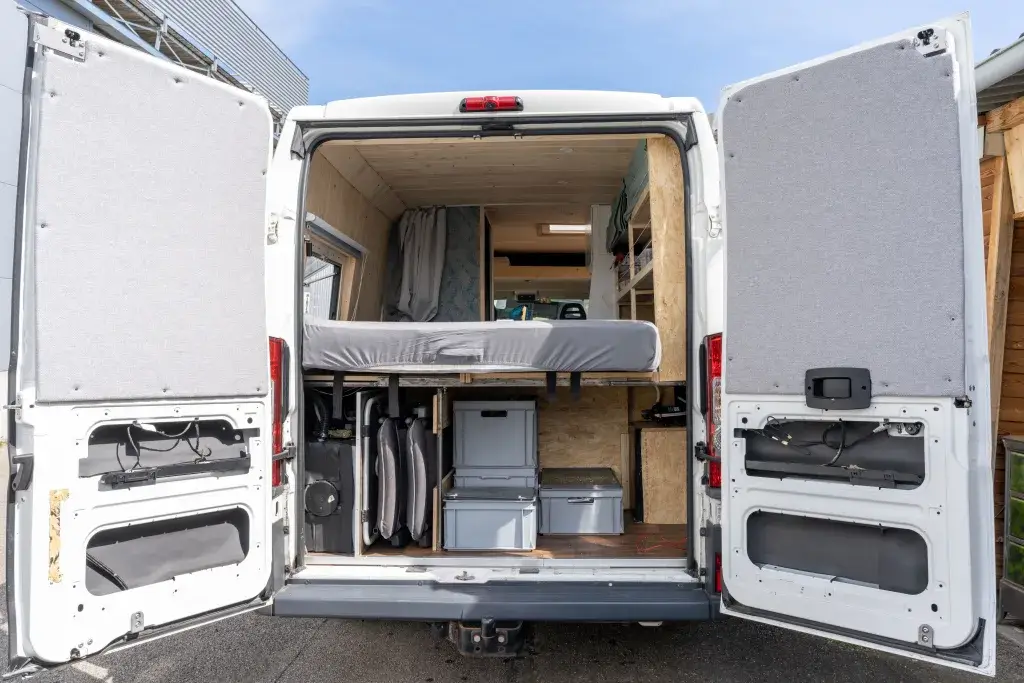
Every season brings a new storage puzzle. I’ve found that flexible systems are the secret to handling everything from puffy coats to flip-flops.
It’s all about keeping what you need close and tucking away the rest. You’ll appreciate the strategy when the weather changes on a dime.
Storing Bulky Winter Gear
Winter gear is the trickiest. Thick coats, snow boots, and heavy blankets seem to multiply overnight.
Vacuum-sealed bags are my go-to for winter clothes. I can shrink my down jackets to a third of their size.
For boots and awkward gear, I use under-bed storage bins that slide out of sight but are easy to grab.
I keep a separate bin for winter-only stuff like hand warmers and ice scrapers. Clear bins help me spot what I need without digging through a mountain of gear.
If I can, I stash winter gear in exterior compartments. The cold doesn’t bother it, and it frees up space inside for daily essentials.
Summer Trip Essentials and Lightweight Packing
Summer’s all about keeping things light and leaving room for the fun stuff. Vertical storage and sneaky nooks are your best friends.
Lightweight clothes fold down tiny, so I use shallow organizers to keep everything visible. No more endless digging for that one tank top.
Beach and water gear get their own spot. Mesh bags hold wet things, and collapsible bins corral sand toys.
Multi-use furniture with storage built in is a huge win. My storage ottoman holds towels during the day and becomes extra seating at night.
A dedicated bin for sunscreen, bug spray, and outdoor games saves so much time. When it’s time to head out, I can grab and go.
Transitioning Between Seasons Efficiently
Switching seasons used to stress me out, but now I treat it like a mini makeover. I do a big swap twice a year – late spring and early fall usually work best.
I break everything into three groups: store away, keep handy, and transition items. Light jackets stay out longer because, let’s face it, the weather is unpredictable.
Seasonal bins get labeled and stacked by priority. Winter stuff goes to the bottom or back during summer. I learned to keep snow boots accessible even in July – just in case.
Clear storage bins let me check what’s inside without opening everything. A quick look saves me time and sanity.
I keep a simple note on my phone with where I’ve stashed seasonal gear. When you’re not tearing apart your camper looking for one thing, you’ll thank yourself later.
Maintaining Organization on the Road

Staying organized on the road takes a few good habits and a little teamwork. Weekly routines and getting everyone involved make a huge difference.
Weekly Reset and Cleaning Tips
I set aside about 30 minutes every Sunday for a quick reset. It’s just enough time to keep chaos at bay.
I empty one storage bin at a time. It helps me see what’s being used and what’s just taking up space.
If I haven’t touched something in a while, it gets moved to deeper storage – or out altogether.
I wipe down surfaces, put things back where they belong, and reorganize any trouble spots. It’s not glamorous, but it keeps the mess from snowballing.
My weekly must-dos:
- Empty and tidy up one storage area
- Check expiration dates on food and toiletries
- Vacuum or sweep the floors
- Wipe down high-touch surfaces
- Secure anything that might roll around
Keeping these sessions short and regular makes it way less overwhelming. Consistent decluttering is key to avoiding the dreaded camper explosion.
Establishing a Place for Everything
Giving every item a proper home has been my best move for staying organized. I label bins so anyone can find what they need (and put it back!).
I store things based on how often I use them. Daily essentials like coffee and chargers stay within arm’s reach.
Stuff I only need sometimes goes in trickier spots. Winter gear lives under the bed in summer, and decorations get stashed deep.
Clear containers help me see what’s inside, so I don’t end up with doubles. Small bins are easier to shuffle around than giant ones.
How I break it down:
- Daily items: Countertops and easy-access cabinets
- Weekly items: Standard shelves
- Monthly items: Higher shelves or under-bed storage
- Seasonal items: Deep storage or exterior compartments
When every item has its own place, camper organization just works. And when you’re living tiny, that’s a big win.
Getting Everyone Involved
Making camper organization a team effort has saved my sanity on countless trips. I assign specific areas to each family member so everyone feels ownership over keeping things tidy.
The kids each get their own storage container for personal items. They’re responsible for keeping their spaces organized and helping with common areas.
Even young children can handle simple tasks like putting dishes away. I love seeing their pride when they manage it all by themselves, even if the forks end up in the wrong drawer.
I’ve created a simple chart that rotates daily responsibilities. One person tackles kitchen cleanup, while another manages the living area.
This keeps any one person from getting overwhelmed. Plus, nobody can claim they “never” have to do dishes.
Family Organization Roles:
- Adults: Meal planning, driving prep, deep cleaning
- Teens: Bathroom duty, exterior storage, wrangling all the chargers
- Kids: Personal items, toy cleanup, easy sorting
We do a quick 10-minute team pickup before bed each night. Everyone grabs whatever’s out of place and returns it to its home.
Making it fun beats nagging. Sometimes, I set a timer to see who can organize their area the fastest, or we blast music and turn cleanup into a dance party.
When everyone pitches in to keep the RV organized, the mess never gets out of hand. We all relax more when the space feels good.
Frequently Asked Questions
Most folks want to know how to maximize small spaces, protect their rig during winter, and keep gear organized for family trips. Here are some of our tips from questions we’ve been asked.
What are some creative ways to maximize space in my camper for a summer road trip?
Summer trips mean more gear – beach chairs, coolers, outdoor games. I used to pile things everywhere, but now I swear by storage containers and organizer drawers in the kitchen for small stuff.
Vertical space is your best friend. I mount mesh organizers on cabinet doors for things like sunscreen and bug spray.
Under-bed storage boxes are perfect for bulky summer gear. I slide beach umbrellas and folding chairs under there, out of sight but easy to grab.
Door shoe organizers? Not just for shoes. I hang them in the bathroom for toiletries and first aid supplies everyone needs fast.
Can you share tips for safely storing our RV during the off-season?
Off-season storage is crucial if you want your RV to last. Too many campers get damaged by winter weather, so I always stress doing it right.
Protecting your RV from the elements starts with picking a good storage spot. Indoor storage costs more, but it might save you money on repairs down the road.
I drain all the water systems completely to avoid frozen pipes. That means the fresh water tank, hot water heater, and every plumbing line.
Battery care makes a big difference. I pull the battery, store it somewhere warm and dry, and keep it on a trickle charger.
A breathable cover keeps moisture out and protects the exterior from the sun and debris. It’s a small step that pays off.
I’m curious, how should I adjust my camper storage when prepping for a winter getaway?
Winter camping is a whole different game. I pack way more blankets, warm clothes, and emergency supplies – all of it takes up space.
Space heaters and extra propane tanks go low in the camper so the weight stays balanced.
For bulky coats and sweaters, I use vacuum-sealed bags. They shrink everything down and fit in tight spaces.
I always bring extra food and water since winter roads can be unpredictable. Stackable containers help keep it all organized.
Snow chains, ice scrapers, and road salt go in exterior compartments for quick access. You never know when you’ll need them.
What are the best practices to keep my RV in top shape while it’s parked for long periods?
Long-term parking takes more work than you’d think. You can’t just walk away and forget about your RV until the next trip.
I check on my parked RV at least once a month. That way, I can catch small issues before they turn into big repairs.
Tire care is huge. I move the RV every few weeks to prevent flat spots.
To fight mold and mildew, I crack a few vents and use moisture absorbers.
Once a month, I run the engine and generator to keep everything in working order. Letting things sit too long is just asking for trouble.
Could you suggest the ultimate checklist for organizing a camper before a family vacation?
Family trips get chaotic fast, so I start prepping two weeks out. Spreading out the work saves my sanity.
Each family member gets a storage area for their stuff. This stops the “where’s my stuff” meltdowns before they start.
In the kitchen, I pack snacks in small containers and group cooking supplies by meal type. It makes meal prep way less stressful.
I keep safety items where adults can grab them, but kids can’t. First aid kits, fire extinguishers, and emergency supplies always stay in the same spots.
A master list of where everything lives is a lifesaver. When someone needs something, I’m not tearing the camper apart to find it.
What’s your secret to keeping camping gear tidy and easily accessible in a small RV space?
Every inch of space in a small RV matters. I like to think of it as valuable real estate – no square foot goes to waste.
I rely on clear storage containers so I can spot what I need without digging around. Slapping labels on the outside helps everyone else in the family find stuff, which saves a lot of “Mom, where’s the flashlight?” moments.
Multipurpose items? Total game changers. My ottoman hides extra gear inside, and my cutting board fits right over the sink, giving me bonus counter space when I need it.
Wall-mounted organizers are lifesavers. I’ve stuck little baskets near the door for keys, sunglasses, and phones, so no more frantic searching as we’re heading out.
Here’s a rule I swear by: one-in, one-out. If I bring something new into the camper, something else has to leave. It’s tough love, but it keeps clutter from taking over.