
RV Flooring Ideas: Cozy and Durable Options for Your Home on Wheels
Let’s get into RV flooring ideas! Our homes on wheels deserve floors that look good and actually hold up. We spend a lot of time in our RVs – whether it’s just weekends or all year – so the flooring really does matter.

The right RV flooring can make your space feel cozier, easier to clean, and more like home. There are plenty of great options to spruce up any camper or motorhome.
From stylish looks to materials that can take a beating, there’s something for every RV owner.
1) Luxury Vinyl Plank Flooring
Luxury Vinyl Plank (LVP) flooring is a favorite for RV owners. It’s durable, water-resistant, and easy to clean.
Plus, it actually looks nice! LVP comes in styles that mimic wood or stone, so you can get that cozy home vibe.
It’s lightweight, which matters in a mobile home. Most RV owners choose LVP for their updates, and you can see why.
The planks are easy to install and often go right over your old floors. LVP handles temperature swings well, which is huge for RVs dealing with wild weather.
When installing, you have to decide between gluing down the planks or letting them float. Floating floors are easier to swap out later, but glued ones might stay put better while you’re driving.
LVP is also budget-friendly. You get a high-end look without spending a fortune, so there’s more left over for other upgrades or adventures.

36-Pack, 54 Sq.Ft, Deep Gray, Rigid Surface Hard Core Easy DIY Self-Adhesive Flooring
2) Carpet Tiles
Carpet tiles work well for RV flooring. They’re easy to install and even easier to replace – just pull up a damaged tile and pop in a new one.
These tiles come in tons of colors and patterns, so you can mix and match to make your own look. It’s a fun way to add a little personality.
Carpet tiles feel good under your feet. They make the RV warmer and cozier, and help muffle sound, which is always nice in a small space.
They’re great for stairs, closets, and entryways, too. Carpet tiles give you traction and help prevent slips.
They’re usually less expensive than wall-to-wall carpet. You can save some money but still enjoy a soft floor.
Cleaning is straightforward: just vacuum, or pull out a tile and wash it if you need to. No need to mess with a giant roll of carpet.

24" x 24" Indoor/Outdoor 0.25" Pile Height, Grey Polyester, (Pack of 15) (60 sqft/Box)
3) Laminate Flooring
Laminate flooring is another solid pick for RVs. It looks like real wood but doesn’t cost as much, and it’s easy to clean.
One good choice is 12mm Mohawk Hartwick Waterproof Laminate. It holds up to heavy traffic and pets, and it’s waterproof and scratchproof.
If you’re putting in laminate, you’ll want to remove the old flooring and check the subfloor first. Measure twice before you start cutting anything.
Slide-outs can make things tricky. Leave space at the edges for the floor to expand, and pay attention to the transition between the slide-out and main floor.
Once the laminate is down, adding baseboards makes everything look finished. Trimming around kitchen islands and counters helps too.

Mohawk Industries 7-1/2"; with Light Wood Shade - Sold by Carton (17.17 SF/Carton) - Worn Dark Oak
4) Rubber Coin Flooring
Rubber coin flooring is a practical choice for RV owners who need something tough. It handles heavy use and pets without a problem.
The textured surface has a pattern of small coins or circles. It’s simple, classic, and slip-resistant.
You can use rubber coin flooring on the main floor, steps, ramps, or sills. It’s pretty versatile.
It’s a DIY-friendly project. Plenty of RV owners have installed it themselves without much hassle.
The material is waterproof, so spills or tracked-in water aren’t a big deal. Rubber coin flooring comes in different colors, but black is popular since it hides dirt and matches most interiors.

4' x 8', 1/8" Thick, Black, Waterproof, Anti Slip
5) Cork Flooring
Cork flooring works well in RVs. It’s eco-friendly and comfortable, and it feels great underfoot.
Cork is antimicrobial and resists mold, which is a big deal in an RV where moisture can sneak in. It also helps reduce noise, which is handy if you’re parked somewhere busy.
It’s fire-resistant and water-resistant, giving you a little extra peace of mind on the road.
Cork flooring can be budget-friendly if you shop around. We found good deals on cork tiles at hardware stores.
Installing cork is pretty straightforward. The finished look is natural and warm, and it really cozies up the space.

Cork Surface Interlocking EVA 12 Inch by 12 Inch 1/4 Inch Thick Foam Floor Mat 9 Tile Pack
6) Peel and Stick Vinyl
Peel-and-stick vinyl is a go-to for RV flooring. It’s super easy – just peel off the backing and press it down.
The tiles come in all sorts of styles. You can get wood-look planks or tile patterns to fit your RV’s vibe.
They’re waterproof, which is perfect for camping trips. Peel-and-stick vinyl is also easy on your wallet compared to a lot of other options.
Just make sure your floor is clean and dry before you start. Press down with a roller so everything sticks tight.
If you want a more realistic look, some folks use flexible grout between tiles. Totally optional, but it can look nice.
Peel-and-stick vinyl isn’t permanent, so you can swap it out down the road.

12-in by 12-in Bonneville Grey & White Marble
7) Bamboo Flooring
Bamboo flooring is awesome for RVs! It’s eco-friendly, looks great, and bamboo grows fast, so it’s a sustainable pick.
Bamboo flooring in RVs is pretty easy to install. Cut the boards to size, glue them down, and make sure your cuts are straight so everything fits.
Bamboo holds up well to RV life. It’s tough, resists moisture, and can handle those humid trips.
There are different styles, like solid strips or planks. The planks are usually easier for DIY projects.
Bamboo makes the RV feel cozy and natural. It’s lighter than hardwood but still looks classy. And knowing it absorbs more CO2 than most trees feels like a bonus for the planet while we’re out exploring.
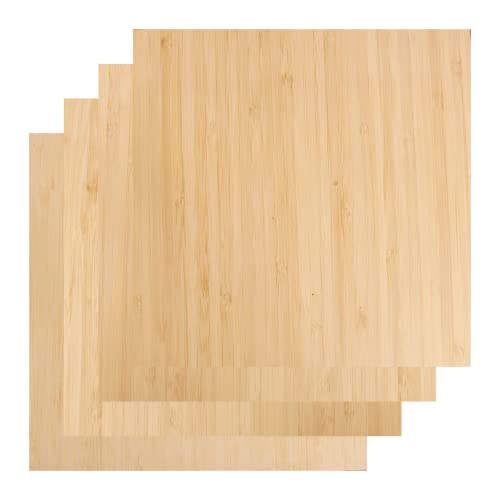
3MM 1/8inch x 8inch x 8inch (Nominal), Carbonized Vertical (Pack of 4)
8) Linoleum Flooring
Linoleum makes a solid pick for RV flooring. It’s tough and simple to keep clean.
Manufacturers use natural materials like linseed oil, wood flour, and cork dust, so it’s eco-friendly.
This flooring comes in tons of colors and patterns. You can find styles that mimic wood or stone, which gives your RV a bit of flair.
Linoleum feels soft underfoot, too. That little bit of cushion is nice.
Cleaning linoleum couldn’t be much easier. A quick sweep and the occasional mop usually do the trick.
It’s also water-resistant, which really matters in an RV. Especially if you have pets.
Linoleum lasts a long time with basic care. It ends up being pretty cost-effective for most folks.
Installation’s not bad either. You can often lay it right over your current flooring, which saves work and hassle.
Plus, it’s lightweight – always a bonus for keeping your RV’s fuel use down.

Peel and Stick, 23"x 393"/64 Sq.Ft Grey & White Marble Color - Waterproof
9) Hybrid Rigid Core Flooring
Hybrid rigid core flooring really changes the game for RV owners. It blends the best parts of different materials into one durable, stylish surface.
This flooring is waterproof and worry-proof. Spills, pet messes, muddy boots – no problem.
Installation is usually pretty straightforward. Many brands offer a click-lock system that skips the glue and nails.
You can often put it right over your old floor, which saves a lot of time and effort.
The style options are impressive. Whether you lean toward wood or tile looks, you’ll find something that fits your vibe.
Comfort matters, and hybrid rigid core floors usually deliver. Lots of them come with an attached pad for extra cushion and to muffle noise.
Some eco-friendly options are PVC-free and low in chemical emissions. That’s a relief if you’re trying to keep your RV air clean.

Plank, Click Lock, Mineral Rigid Core Waterproof Non-PVC Easy DIY Installation, Natural Hickory
10) Foam Mats
Foam mats are a comfy and practical choice for RV flooring. They add a soft, forgiving surface that’s easy on our feet and joints.
They come in all sorts of colors and patterns, so matching your RV’s style isn’t hard. They’re lightweight, too, so putting them down or picking them up is easy.
Foam mats insulate well. In cold weather, they help keep the RV warmer and can quiet things down inside.
Foam tiles are waterproof, stain-resistant, and pet-friendly. That’s a big win for RV living, where spills just happen.
They’re versatile, too. Use them inside or lay them out to make a cozy outdoor spot at camp.
Cleaning’s easy – a quick wipe or rinse and you’re done. For more comfort, check out 5/8-inch premium foam tiles. They lock together easily and come in plenty of colors.
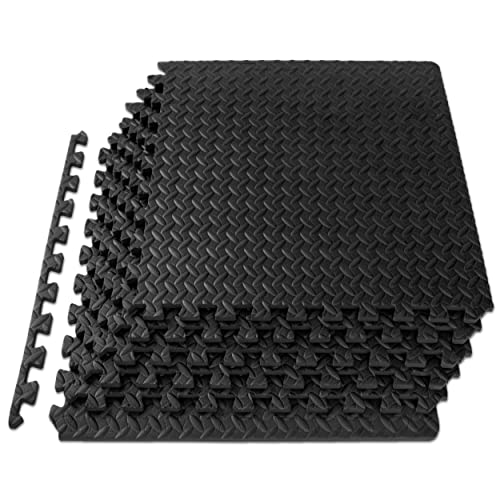
24 in x 24 in x ½ in, 24 Sq Ft - 6 Tiles
Material Choices for RV Flooring
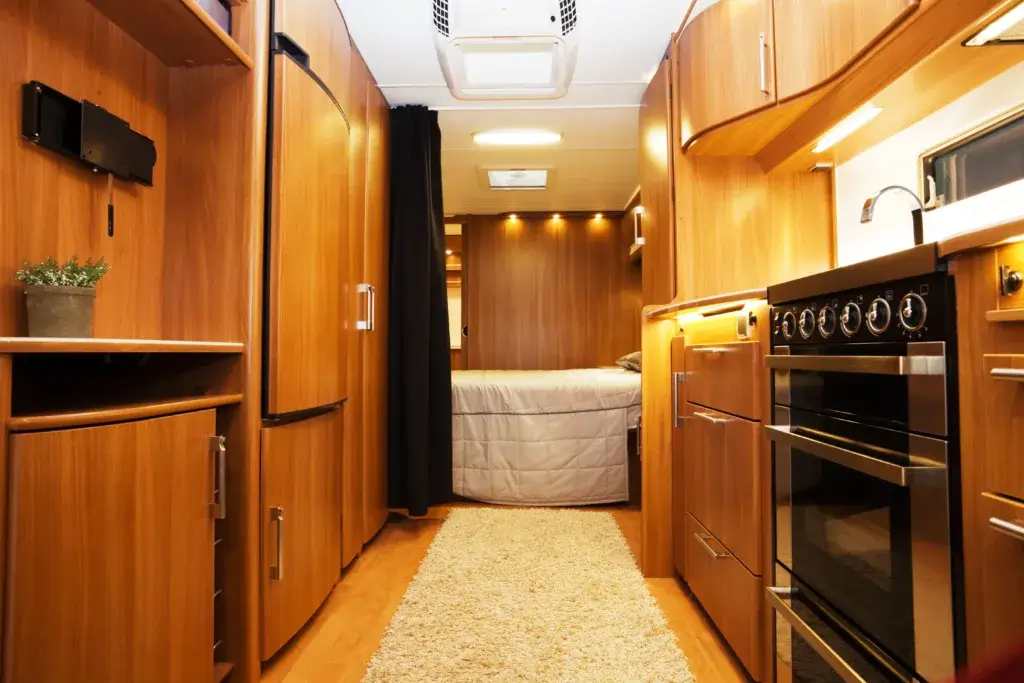
RV floors need to be tough but still look good. There are some great options out there that can handle travel and keep your space comfortable.
Durability Considerations
When it comes to RV flooring, durability really matters. We like vinyl planks for their strength – they can take a beating from shoes, pets, and spills.
They’re also easy to clean. Rubber flooring’s another strong option, especially since it handles temperature swings well.
Some diamond-plate patterns look sharp and help prevent slips. Laminate flooring gives a classic look, and the newer versions are waterproof and scratch-resistant.
They stand up to heavy foot traffic and still look sharp.
Eco-Friendly Options
If you’re trying to go green, cork flooring is a solid pick. It’s natural, renewable, and feels nice underfoot.
Cork also keeps things quieter and more comfortable inside. Bamboo is another eco choice we like – it grows fast and is surprisingly tough.
Bamboo floors can warm up your RV’s look. For a budget-friendly green option, peel-and-stick tiles made from recycled materials are worth a look.
They’re easy to install and come in lots of styles, even ones that look like wood or stone.
Installation Tips
Putting in new RV floors can be exciting – and a bit tricky. Here are a few things to keep in mind before you start.
DIY vs. Professional Installation
Plenty of RV owners like to tackle flooring projects themselves. It saves money and can be satisfying, but it does take some time and patience.
DIY works well for peel-and-stick tiles, floating floors, and some vinyl planks.
Pro installation might make more sense for wall-to-wall carpet, tricky layouts, or custom designs.
DIY usually costs less, but pros work faster and have the right tools. Think about your skills and how much time you can spare.
Vinyl planks are a favorite for DIY since they’re easy to cut and snap together. If you go the DIY route, take it slow – measure twice, cut once.
Let your flooring sit in the RV for a bit to adjust to the temperature before installing. That helps avoid problems later.
Maintaining Your RV Floors
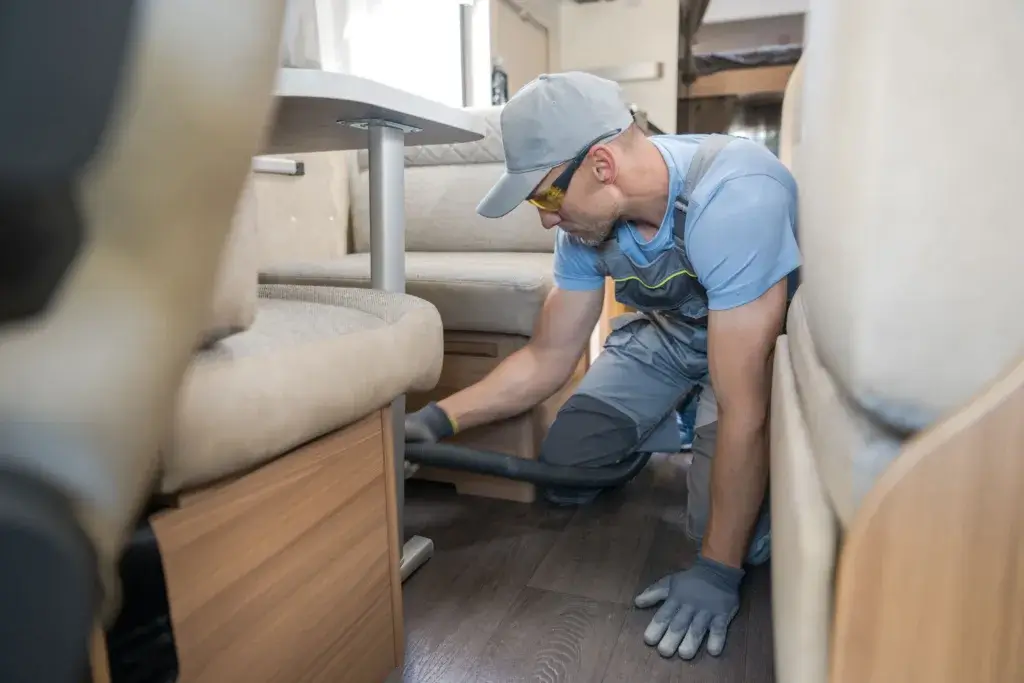
Keeping RV floors clean and in good shape takes a little effort. Here are a few ways to clean different types and prevent damage along the way.
Cleaning Tips
We’ve found that regular vacuuming and mopping keep floors looking good. For hard floors, a Swiffer wet jet does the job.
On carpets, a small vacuum with a collapsible handle saves space. For vinyl or laminate, we stick with a damp mop and a bit of mild soap.
Don’t soak the floor – too much water can cause problems.
We sweep daily and use a barely damp microfiber mop once a week. Dry the floor right away after cleaning.
For stubborn stains, we mix baking soda and water into a paste. It works on most surfaces and isn’t too harsh.
Preventing Wear and Tear
Rugs in the right spots help a lot. We put a mat by the door to catch dirt, and small rugs in busy spots.
We stick felt pads under furniture legs to stop scratches. For rolling chairs, we go with soft casters.
Keeping pet nails trimmed helps prevent scratches. We keep a towel by the door for muddy paws.
Sunlight can fade floors over time, so we close blinds or curtains when parked. When moving furniture, we always lift instead of dragging it to avoid gouges.
Frequently Asked Questions
RV flooring options can get confusing. Here are some common questions that might help you pick the right fit for your mobile home.
What’s the best flooring for an RV that has slide outs?
Rubber flooring works great in RVs with slide outs. It’s tough and can handle the movement without cracking or lifting.
Vinyl plank flooring is another solid choice since it’s flexible and water-resistant.
Can I install vinyl plank flooring in my RV, and if so, how?
Yes, you can put vinyl plank flooring in your RV. Start in a corner and work your way out.
Use a thin layer of adhesive for a good hold. Measure and cut planks to fit around any obstacles.
What are some popular DIY options for upgrading my RV’s flooring?
Peel and stick vinyl tiles are a go-to for DIYers. They’re easy to install and come in all kinds of styles.
Cork flooring is another DIY-friendly pick – it’s light and insulates well.
Are there specific materials recommended for camper flooring replacements?
Luxury vinyl plank flooring gets top marks for campers. It’s tough, water-resistant, and simple to clean.
Carpet tiles are nice for bedrooms or living areas if you want a cozier feel.
Is laminate flooring a good choice for RVs, and why or why not?
Laminate flooring can work in RVs if you install it right. It’s affordable and comes in plenty of styles.
But it’s not the best for damp areas, so we wouldn’t use it in bathrooms or right by the door.
What should be considered when choosing a vinyl flooring roll for an RV?
When picking out vinyl flooring rolls, start with durability and water resistance. You want something that won’t get ruined by spills or rough use.
Make sure the vinyl can handle temperature swings inside the RV. Don’t forget about thickness – thicker vinyl usually gives you better insulation and holds up longer. more durable and insulating.