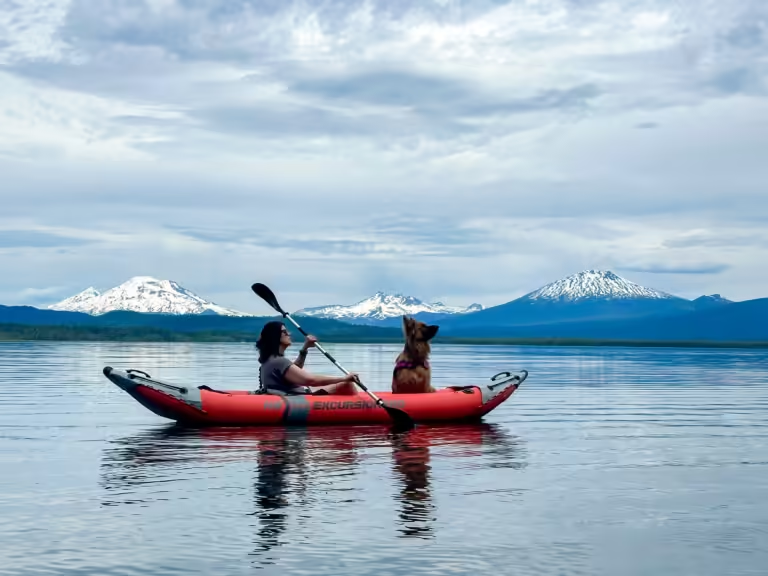

Solo Female Camping: Safety Tips and Confidence Boosters
Let me be real – the first time I camped alone as a woman, I was scared out of my mind. Every little twig snap felt like a bear creeping up, and sleep? I didn’t get much the first night.
But when the sun came up, and I sat there with my coffee, everything changed. There was this quiet shift inside me. I realized that I did it – I can actually do this.

Solo female camping is completely safe if you show up prepared and know what you’re doing. Worried friends and family might warn you, but crime rates on federal land are way lower than in cities.
The real hurdle is pushing past your own fear and figuring out what makes you feel secure outdoors. Danger isn’t the main issue – confidence is.
Maybe you want to car camp at a popular spot, or maybe you’re itching for the backcountry. Either way, camping alone is next-level rewarding.
You get to do things your way, find out what you’re made of, and realize adventure doesn’t need a plus-one. I’ve taken many solo trips after that first scary night, and here’s everything I’ve picked up along the way. I hope this will inspire and help you to plan yours with a little more confidence and a lot less stress.
Why Try Solo Female Camping?
Camping solo builds confidence in a way group trips just can’t. I camp with my husband all the time. But when I started going on my own solo trips, I realized that I call the shots, and I get a mental reset that’s hard to find anywhere else.
Empowerment and Confidence
Camping alone as a woman has made me trust myself more than anything else I’ve tried. When you set up camp, hike, and handle the curveballs by yourself, it’s proof that you’re stronger than you thought.
Every solo camping trip sharpens your outdoor skills and decision-making. You get better at picking campsites, reading the weather, and managing your own gear.
Facing your fears helps you grow. That confidence doesn’t stay in the woods – it follows you home. Suddenly, tough days at work or awkward life stuff feel way more manageable.
Freedom and Flexibility
Camping alone means you do what you want, when you want. There’s no negotiating wake-up times or dinner plans.
Here’s what you get with that freedom:
- Pick your destination – no compromises
- Switch up plans if weather changes or you spot a better view
- Set your own pace for hiking and exploring
- Eat whatever, whenever
- Stay longer or cut it short – no guilt
This kind of flexibility is rare. I’ve spent hours photographing wildflowers or tried a tough hike, just because I felt like it. No need to check if anyone else is tired or bored.
Mental and Physical Health Benefits
Most solo female campers talk about feeling clearer and less stressed after time alone outside. I get it – the break from screens and social noise gives me space to actually think and chill out.
You end up moving more, breathing fresh air, and sleeping better under the stars. Handling all the camp chores solo keeps you active, too.
After each trip, my mental health feels lighter. Something about being active, surrounded by nature, and just being alone resets my brain like nothing else.
Planning Your First Solo Camping Trip
Your first solo camping trip is all about balancing safety and freedom. Going to a campground is a great way to start. Choose one that is well-reviewed and close to home, check the local rules, and let someone you trust know exactly where you’ll be.
Choosing the Right Campsite
I’d suggest starting with well-kept campgrounds instead of remote, off-grid spots. Frontcountry campgrounds have bathrooms, water, and other campers around, but you still get all the benefits of camping alone.
National parks like Shenandoah are great for beginners. There are ranger stations nearby and clear campsites. I always check reviews to see if other solo campers felt safe at a spot.
Look for sites that aren’t totally isolated but aren’t packed, either. I skip places that seem rowdy or super crowded. Having some cell service helps me relax, just in case. Reading recent reviews gives me a sense of what I’m walking into.
Researching Destinations and Rules
Every camping area has its own set of rules. National parks usually need reservations and have strict guidelines about food, fires, and tent spots.
I spend time on AllTrails and campground sites checking permit rules, quiet hours, and wildlife info. Some places make you use bear canisters, others ban campfires.
Knowing where the ranger station and emergency help are also helps with peace of mine. I download offline maps before I go, since cell service is never a guarantee.
Building an Itinerary and Sharing Your Plans
I jot down a simple plan with my campground name, site number, and GPS coordinates. My list includes planned hikes and rough return times, but I don’t overbook myself.
Before I leave, I text this info to two people – usually family or a friend who knows my experience level. I let them know when I’ll check in and when it’s time to worry if they haven’t heard from me.
I prefer to keep things flexible. If the weather turns or I find a better trail, I adjust. The real goal? Making sure someone can send help if I need it.
Essential Gear for the Solo Female Camper
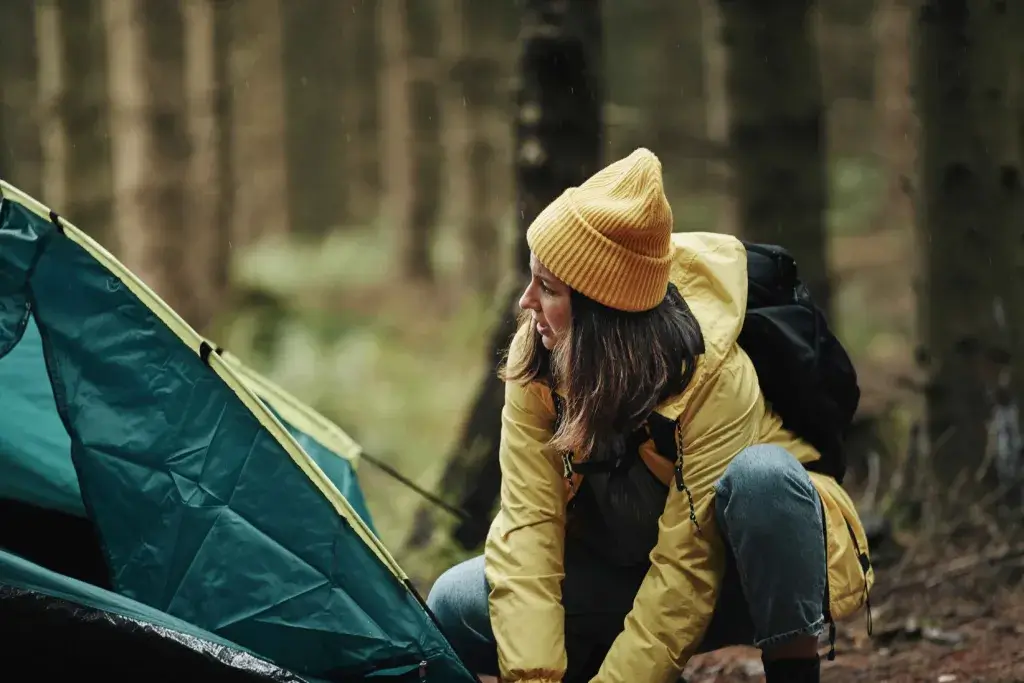
The right gear is the difference between a stressful night and an adventure you’ll want to repeat. I’ve learned to pack smart – choose gear that does double duty, but don’t skimp on safety.
Choosing the Right Shelter
Your tent is your home base, so it needs to be solid and easy to set up solo. I always go for a freestanding tent – that way, I’m not stuck searching for perfect trees or level ground.
Get a tent with a vestibule for muddy boots and gear. A two-person tent gives you extra space for your stuff but doesn’t add much weight. Good ventilation is also key to avoiding that gross, damp feeling in the morning.
If you’re car camping, size and weight aren’t a big deal. Backpacking? Every ounce matters. Practice setting up your tent at home so you’re not fumbling in the dark or rain.
I always pack a groundsheet to protect the tent floor. A small repair kit with patches and duct tape has saved me more than once.
Packing Safety and Communication Tools
When you’re camping solo, safety gear isn’t optional. I never leave home without a well-stocked first aid kit – bandages, antiseptic, painkillers, blister tape, and any meds I might need.
A whistle is tiny but loud. I clip it to my backpack for easy access. A headlamp (plus spare batteries) is a must for hands-free light around camp.
I keep my phone in a waterproof case and always bring a power bank. Download offline maps before you go – cell service is spotty at best. If you’re really heading off the grid, a personal locator beacon is worth considering.
A multitool or knife comes in handy for everything from cooking to repairs. Depending on where I’m camping, I’ll pack pepper spray or bear spray, always somewhere I can grab it fast.
Navigation and Route Planning
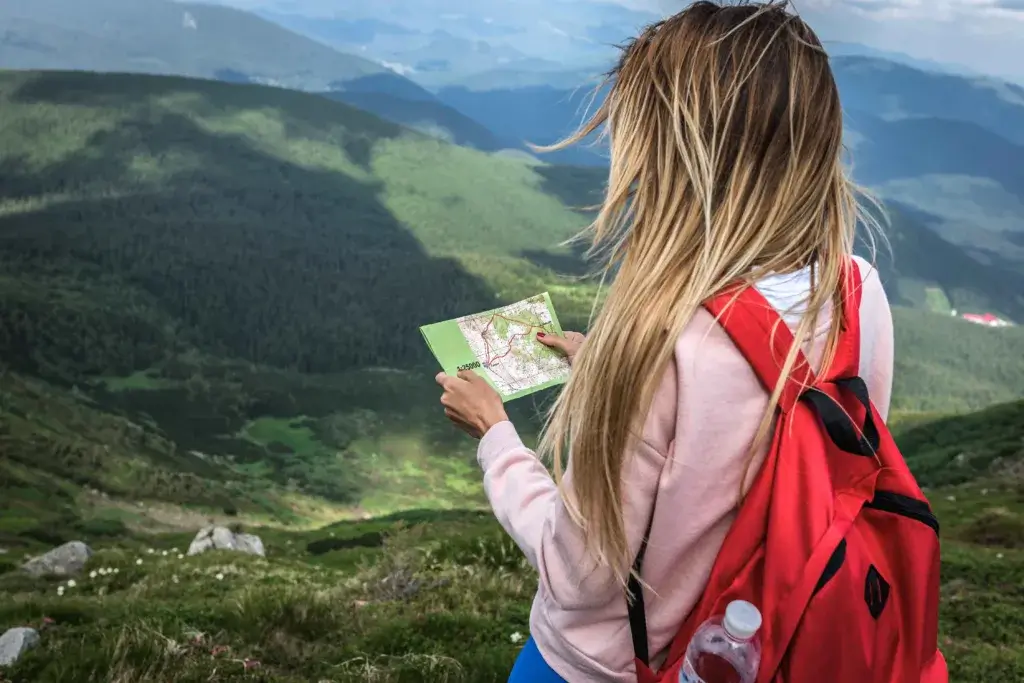
Getting lost solo is no joke, so solid navigation is non-negotiable. I always bring a physical map in a waterproof bag, even if I have a GPS.
A simple compass weighs nothing and never runs out of batteries. Be sure that you know how to use it before you go. GPS apps are handy, but tech can fail – so I like having a backup.
Before I leave, I tell a reliable friend or family member my route and timeline. They know exactly where I’m camping and when to expect me back.
Trails can be confusing, so I snap photos of key intersections and check my map often. Even in car campgrounds, I keep a map in the car just in case.
Cooking and Food Storage Basics
A solid camp stove makes life so much easier than fussing with campfires, especially when you’re out alone. I use a compact canister stove that lights up in seconds and gives me way more control.
Always bring enough fuel for your whole trip, plus a little extra just in case. Running out isn’t fun.
When it comes to camp cooking, I keep things minimal. One lightweight pot with a lid, a spork, and a heat-resistant mug usually cover everything I need.
I try to prep meals at home, leaning on dehydrated foods that only need hot water. It’s less mess and less stress.
Food storage changes depending on where you’re camping. In bear country, use bear canisters or the bear boxes at campgrounds – never store food in your tent.
If you’re car camping, a cooler works well and you can stash your food in your locked vehicle overnight.
I hang a small trash bag from a tree or store it with my food. That keeps smells away from where I sleep.
For dishes and washing up, I rely on biodegradable soap in a tiny bottle. A water filtration system or purification tablets let me drink safely from streams and lakes, so I don’t have to carry as much water.
Staying Safe While Camping Alone
Staying safe solo is really about being prepared and trusting yourself. The right tools, some know-how, and paying attention to what’s around you can turn a nerve-wracking moment into just another story for later.
Trusting Your Instincts
Honestly, if something feels wrong, it probably is. Your gut is a powerful safety tool when you’re camping alone.
When I pick a campsite, I always listen to that inner voice. If a spot feels weird or too isolated, I just keep moving – there’s no prize for sticking it out somewhere sketchy.
I try not to overshare my plans with strangers. If someone at a trailhead asks if I’m alone, I’ll say a friend is joining me or my group is up ahead. It’s not about lying – it’s about protecting yourself from unwanted attention.
If someone makes me uncomfortable, I don’t worry about being polite. I just leave. My safety comes first, always.
Self-Defense and Emergency Tools
I don’t mess around with first aid. My kit has bandages, antiseptic wipes, gauze, tape, painkillers, and any prescription meds I need.
For extra peace of mind, I bring:
- Bear spray (works on aggressive animals and, if needed, people)
- Personal alarm that’s loud enough to get attention fast
- Knife or multi-tool for all sorts of situations
- Whistle for signaling if I need help
Taking a wilderness first aid course changed how I think about camping safety. Now, I know how to handle sprains, stop bleeding, and spot hypothermia. That knowledge makes me way more confident.
A satellite communicator like a Garmin inReach or Mini has been a game-changer for me. I can send messages or call for help even with zero cell service. A personal locator beacon or satellite phone works too, though they can get pretty pricey.
Navigation, Maps, and Signals
Getting lost is probably my top solo camping fear, so I never rely on just one way to navigate. Phones die, screens crack – it happens.
I always download offline maps before a trip using apps like Gaia GPS. No signal? No problem. But I also pack a physical map and a compass as backup.
Here’s what I bring for navigation:
| Tool | Purpose | Backup Level |
|---|---|---|
| GPS device or phone with offline maps | Primary navigation | First |
| Map and compass | Backup navigation | Second |
| Whistle | Emergency signaling | Always |
| Signal mirror | Daytime emergency signaling | Optional |
Learning real navigation skills is more important than fancy gear. I practiced reading topo maps and using a compass before my first solo trip, and it’s saved me from wrong turns more than once.
I always tell someone my exact plans – where I’ll be camping and when I’ll be back. If something happens and I can’t call for help, at least someone knows where to start looking.
Dealing With Wildlife and Weather
I check the weather forecast obsessively before and during my trips. If storms, high winds, or crazy temps are coming, I want to know so I can pack right and adjust my plans.
For wildlife, I’m strict about food storage. In bear country, I use bear-resistant containers and keep anything smelly away from my tent. A clean camp is a safer camp.
If I see animals on the trail, I talk or clap so they know I’m there. Most wildlife wants nothing to do with humans and will leave if they hear me coming. Bear spray stays clipped to my hip, not buried in my pack.
Weather changes fast, I always bring layers, rain gear, and extra warm clothes even if things look sunny. Getting caught in a cold snap or rainstorm without the right gear can get dangerous, especially when you’re alone and can’t borrow from anyone else.
Solo Camping Styles: Car, Tent, and Backcountry
Each camping style has its own vibe and challenges. Car camping gives you convenience and a sense of security, while backcountry trips pull you deep into wild places where it’s just you and your gear.
Car Camping Confidence
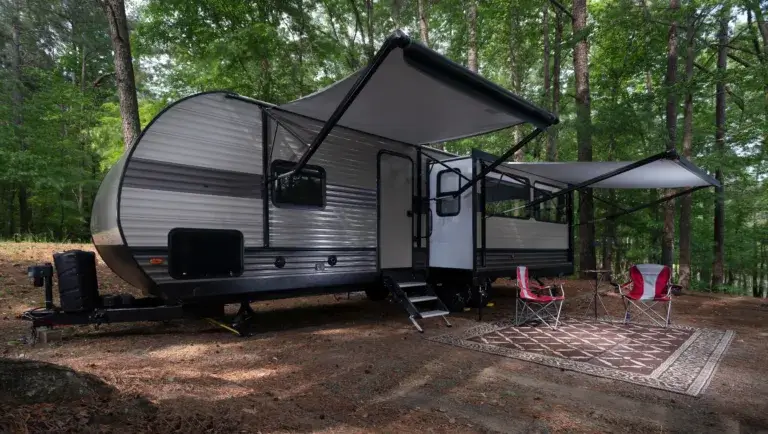
I suggest starting with car camping if you’re new to solo adventures. You can load up your car with extra stuff, food, and creature comforts without worrying about weight.
If something feels off, you can always sleep in your car instead of the tent.
Why I love car camping:
- Quick access to your car if you need to bail
- Room for extra supplies and cozy things
- Easy exit if you ever feel unsafe
- Charging your phone right from your car
I’ve spent plenty of nights car camping in national and state parks. Having other campers nearby gives me a sense of safety, but I still get my independence.
Most car camping happens at sites with restrooms and potable water, so you don’t have to lug as much gear or learn every skill at once.
Backcountry Adventures
Backcountry camping means heading away from established campgrounds into remote spots. It takes more prep and skill. You need to know how to purify water, use a map and compass, and handle basic first aid.
The payoff? Solitude and wild places most people never see. I’ve camped for days without seeing another soul, and that freedom is hard to beat.
Must-have backcountry skills:
- Water purification and treatment
- Navigation without a phone
- Leave No Trace habits
- Wildlife safety and proper food storage
- How to signal for help
Backpacking means carrying everything yourself. I keep my pack under 30 pounds by picking lightweight gear. Every ounce counts when you’re hiking miles to camp.
Dispersed Camping Know-How
Dispersed camping lets you set up wherever you want on public land – no official campsite needed. Bureau of Land Management and US Forest Service lands usually allow it, and I love being able to pick my own spot. This is my favorite way to camp.
Just make sure to check the rules before you go. Some areas ban dispersed camping during fire season or require you to camp a certain distance from water. I always look up local regulations first.
Dispersed camping rules I actually follow:
- Camp at least 200 feet from water
- Use existing fire rings if you find them
- Pack out every bit of trash and waste
- Stick to durable surfaces so you don’t leave a mark
This style mixes car camping and backcountry. You can drive out to remote areas and set up away from crowds. I’ve found epic spots down forest roads that needed high clearance but not crazy off-roading skills.
Prepping for the Unexpected
I always pack with Murphy’s Law in mind – if something can go wrong, it probably will. Having backup plans and knowing how to deal with surprises makes camping way smoother, even when things don’t go as planned.
Creating Backup Plans
I never head out without telling someone exactly where I’ll be, how long I’ll be gone, and backup meeting spots. I share all this with someone I trust.
My backup kit lives in my car: extra food, water, a real first aid kit, and warm clothes. I bring a portable phone charger and keep paper maps handy in case my phone dies or loses signal.
If my chosen campsite is full or just feels wrong, I always have two backup spots picked out before I leave home. Offline maps on my phone have saved me more than once, and I keep emergency contacts written on paper in my backpack – just in case tech fails.
My backup essentials:
- Extra water (at least 1 gallon)
- Non-perishable snacks
- Emergency blanket
- Whistle
- Flashlight with extra batteries
- Cash for unexpected stops
Leave No Trace Principles
Camping alone puts the responsibility on me to keep nature clean for everyone. Leave no trace isn’t just polite – it protects wildlife and keeps campsites open for the next person.
I always pack out everything I bring in, even food scraps and especially toilet paper. I use fire rings that are already there and keep my fires small.
When I need to go, I dig a hole 6-8 inches deep at least 200 feet away from any water source. I never leave out gear that could attract animals.
My food goes in bear-proof containers or gets hung from a tree. I wash dishes at least 200 feet from streams and scatter the strained water so it doesn’t pool up.
Weather and Seasonal Tips
I check the weather forecast three days before my trip and again the morning I head out. The weather can flip fast, and being surprised by a storm can ruin a good trip.
In summer, I pack extra sunscreen and always check for fire bans. I avoid pitching my tent under dead trees that could fall if a storm rolls in.
Winter camping means I bring insulated sleeping pads and know what hypothermia looks like. Instead of one bulky jacket, I layer my clothes so I can adjust as temps change.
Even if rain isn’t in the forecast, I pack a tarp. Sometimes it makes shade, sometimes it’s a wind block – either way, it comes in handy.
Spring and fall can be unpredictable. I pack for both hot days and freezing nights since you never really know.
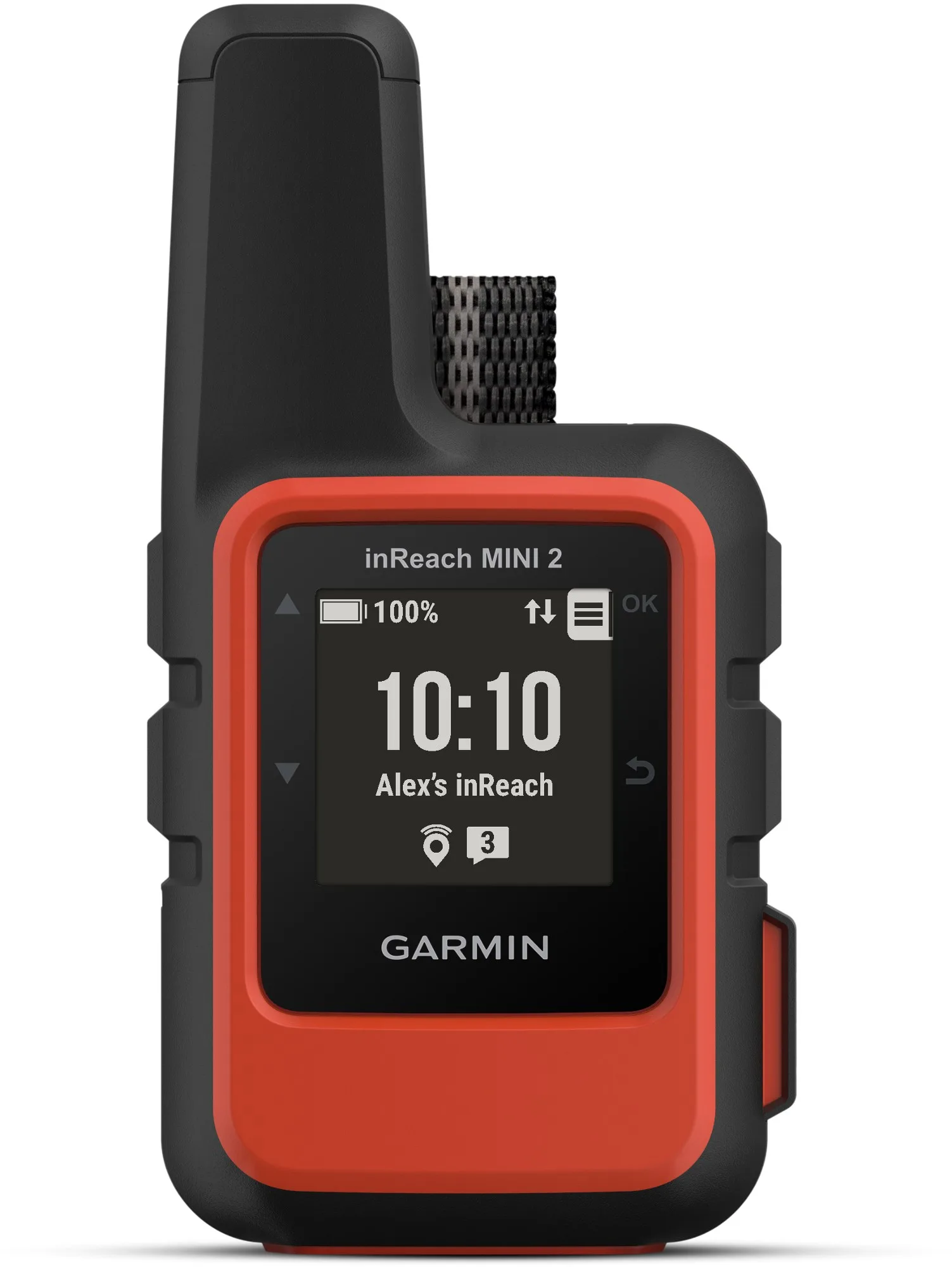
Stay safe and connected on solo adventures with this ultralight 3.5 oz satellite communicator. Tuck it in your pack, send check-in texts from anywhere, share your location, and call for help in an emergency. Pair with your phone for maps and weather—so you can explore off-grid with confidence and peace of mind.
Enjoying Your Solo Camping Experience
Solo camping has its own special rewards. It’s not just about sleeping outside – it’s the quiet and the personal growth that sticks with you.
Making the Most of Solo Time
When I’m camping solo, I get a kind of freedom that’s hard to find anywhere else. No need to negotiate wake-up times, meals, or which trail to pick.
I bring things I genuinely like. Sometimes that’s a book, sometimes my journal, or my camera for sunrise shots.
Some women like to sketch, practice photography, or just stare into the fire and let their mind wander. The silence can feel weird at first – I remember my first night, just sitting there, thinking, “Now what?”
But that’s when it gets good. Suddenly, you start hearing bird calls, noticing the wind, and your own thoughts get a little clearer.
Try these solo activities:
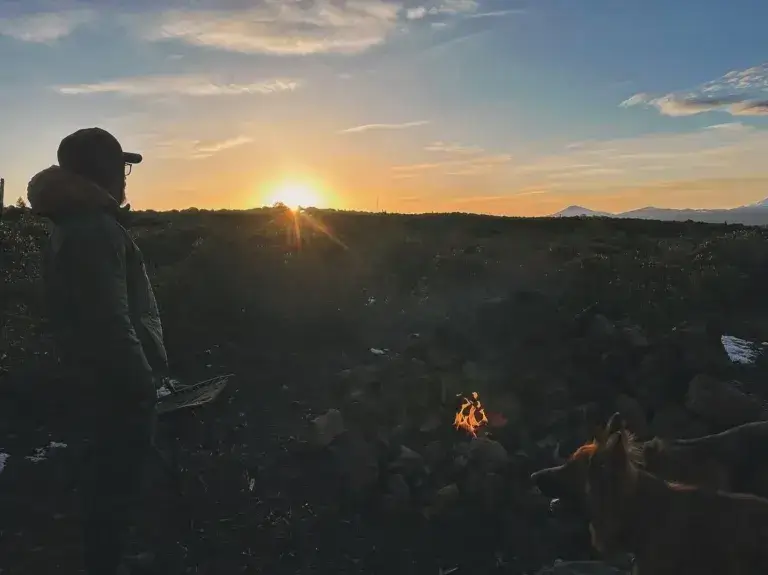
- Watch the sunrise or sunset without any rush
- Cook your favorite meal, just the way you want it
- Take photos on your own schedule
- Practice fire building or other new skills
- Finally read that book you keep putting off
I keep my phone on airplane mode except for emergencies. The whole point is to disconnect from daily stress and actually reconnect with myself.
Building Outdoor Skills and Confidence
Every solo trip teaches me something. I’ve learned way more about what I can handle camping by myself than I ever did in a group.
I started with the basics and built from there. Setting up my tent fast, starting a fire in the rain, and navigating with a map and compass – each time I get it right, I feel more confident for the next trip.
Sometimes stuff goes wrong, and you just have to figure it out. The first trip, I got completely frustrated trying to put my tent up in the wind. I couldn’t get my stove to work and I forgot my pillow.
I jot down what worked and what didn’t in a journal. It’s amazinghow quickly your skills improve when you keep track.
Connecting With the Community
There’s a real community among female campers. I’ve met some amazing women who’ve shared tips and even turned into camping buddies.
Online groups for women camping solo are super helpful. You can get advice, read trip reports, and find encouragement when you need it. Some even organize group trips for beginners.
Ways to connect:
- Join Facebook groups for solo female campers
- Go to outdoor skills workshops
- Share your stories on social media
- Chat with staff at local gear shops
- Check out camping meetups in your area
Don’t be afraid to chat with other campers you bump into. Most people are friendly and respect solo adventurers. Some of my best campsite tips have come from random trailhead conversations.
The Art of Keeping a Camp Journal
Let me tell you about something that has become one of my absolute favorite camping rituals – my camp journal. What started as a simple little notebook has become my most treasured camping companion.
My first camp journal was just a basic spiral notebook I tossed in my pack as an afterthought. Now? It’s evolved into this beautiful leather-bound book that bears the smudges of campfire ash, the occasional rain drop, and even a smear of melted chocolate from an overly ambitious s’more situation! Each mark tells a story of my solo adventures.
Let me share some of my favorite journal traditions that might inspire your own wilderness writing:
I love starting each trip with a little intention setting. Nothing fancy – just a few lines about why I needed this particular escape into nature and what I’m hoping to find out there (or within myself). When I read these entries months later, it’s fascinating to see how often I found exactly what I needed, even if it wasn’t what I expected.
On solo trips, I’ve discovered this wonderful freedom to be completely honest on the page. There’s something about being alone in nature that strips away all the social masks we wear. My journal has seen my fears, my tears, and my absolute joy – sometimes all on the same page. It’s become this safe space to have those honest conversations with myself that are harder to have in everyday life.
Some of my most treasured entries aren’t words at all! I’m no artist, but my simple sketches of interesting rocks, cloud formations, or the shape of my tent against the sunset capture something photos sometimes miss. I’ve pressed tiny wildflowers, taped in fallen feathers, and even included rubbed impressions of interesting tree bark.
On my last trip to the mountains, I started a new tradition of “sensory snapshots” – quickly jotting down everything I could see, hear, smell, feel, and taste in that exact moment. Reading these later is like being transported right back to that mountainside, feeling the same warm sun on my shoulders.
The beauty of a camp journal is that it’s completely yours – there are no rules! Some days my entry might be three pages of soul-searching reflections, and others it’s just “Saw three deer. Pasta for dinner. Stars are amazing tonight.” Both are perfect in their own way.
I’ve found that keeping a journal has actually changed how I experience my solo camping trips. I notice more details, knowing I might want to describe them later. I stay present in beautiful moments, really soaking them in rather than rushing to the next thing. And the challenging times – like the thunderstorm that kept me tent-bound for hours – become stories to tell rather than just obstacles to overcome.
There’s this wonderful full-circle moment that happens when you’re planning your next adventure, and you pull out your journal from trips past. Suddenly, you’re reminded of that perfect campsite by the stream, or that trail junction where you need to turn right, not left, or that feeling of absolute peace you found watching the sunrise from your favorite mountain. Your journal becomes this breadcrumb trail leading you back to your best wilderness moments.
What I love most about my camp journal is how it shows my journey as a solo camper. Those early entries are filled with worries and second-guessing – did I set up the tent right? What was that noise? Now, years later, the pages reflect a quiet confidence and deeper connection with both nature and myself. It’s like watching a friendship bloom over time – the friendship with wilderness, and perhaps more importantly, with myself.
Whether you choose a fancy journal with prompts or just tuck a simple notebook into your pack, I hope you’ll give wilderness journaling a try. Your future self will thank you for capturing these moments under the open sky. And who knows what you might discover about yourself along the way?
Frequently Asked Question
Solo camping as a woman brings up a lot of practical questions – mostly about safety, gear, and planning. Here are the answers I wish I’d had before my first trip.
How can I keep myself safe while camping solo as a female?
I always let someone know exactly where I’m going and when I plan to be back. It helps me relax, knowing someone will notice if I don’t check in.
When I first started out, I stuck to established campgrounds or busy trails. There’s usually better cell service and more people around.
I keep my bear spray, whistle, and headlamp within reach. I’ve never needed them, but just knowing they’re close helps me sleep better.
If a campsite or person gives me a weird vibe, I trust my gut and pack up. No second-guessing.
What are some essential tips for women embarking on their first solo camping adventure?
Practice setting up your tent at home. I learned that lesson the hard way, fumbling with tent poles in the dark in the wind on my first night.
Check the weather and trail conditions before you go. I plan my clothing and gear around what I find out.
Bring an emergency device like a satellite phone or personal locator beacon. Most camping spots don’t have reliable cell service.
Start with a single night close to home. It builds confidence without feeling overwhelming.
Can you recommend any camping groups specifically for women?
I’ve found local groups on meetup apps and Facebook that organize women-only camping trips. It’s a great way to learn and meet people who get it.
Some state parks and outdoor retailers host women’s camping workshops and group trips. I always check with my local REI or outdoor store for events.
Online spaces like the solo female camping subreddit are helpful, too. I’ve actually met other solo campers through these platforms.
What should I pack for a solo car camping trip to ensure I’m prepared for anything?
I always bring a solid first aid kit with bandages, pain meds, and any personal prescriptions. Little injuries don’t become big problems if you’re ready.
A water filter or purification tablets save me from hauling heavy water jugs. I can use streams safely.
I pack a multi-tool, extra batteries for my headlamp, and a backup power bank for my phone. These have saved my butt more than once.
Food storage matters – a bear-proof canister or scent-proof bags keep critters away. I also pack weather-appropriate layers and rain gear, just in case.
How does the 2 2 2 rule make camping trips easier and what does it involve?
The 2 2 2 rule: drive no more than 2 hours, arrive by 2 PM, and stay at least 2 nights. I find this keeps things relaxed and makes setup so much easier.
Arriving early means I can pick a good spot and get settled before dark. No more pitching my tent by headlamp.
Staying two nights lets me actually unwind. After all the setup, one night just feels too short.
What are the 7 C’s of camping and how can they enhance my solo camping experience?
The 7 C’s are cutting tools, cover, combustion, containers, cordage, cotton, and candling. Think of these as the main categories of gear you need for outdoor survival.
For cutting, I always grab a sturdy knife or a handy multi-tool. It’s great for prepping meals or fixing random gear issues.
Cover is all about shelter – my tent and sleeping setup keep me dry and comfortable when the weather gets weird.
Combustion just means anything for starting a fire, like matches or a lighter. I never skip containers, since carrying and purifying water is non-negotiable.
Cordage comes in clutch for hanging food or making quick repairs. I usually toss in some rope or paracord.
Cotton has its uses too, especially for first aid or even getting a fire going if things are damp. Candling is just my light sources – headlamps, flashlights, that sort of thing.
Running through these seven categories helps me pack smarter. I just go down the list in my head before every trip.