
10 Items to Pack for a Road Trip with Your Dog: Essentials for a Pawsome Adventure
Taking your dog on a road trip sounds like an awesome adventure until you realize you forgot their food at home or don’t have anything to clean muddy paws with at the rest stop. The difference between a chaotic car ride and a smooth journey often comes down to what you pack before you leave your driveway.
Packing the right essentials for your dog means bringing safety gear, comfort items, food supplies, and cleanup tools so both of you can enjoy the trip without stress. You don’t need to bring everything your dog owns, but you do need specific items that address their basic needs on the road.
This guide covers 10 practical items to pack for traveling with your dog that will help you stay prepared for meals, accidents, safety concerns, and keeping your pup comfortable during long drives. Whether you’re heading out for a weekend getaway or a cross-country adventure, having these essentials packed means you can focus on making memories instead of scrambling to find a pet store in an unfamiliar town.
1) Collapsible Food and Water Bowls
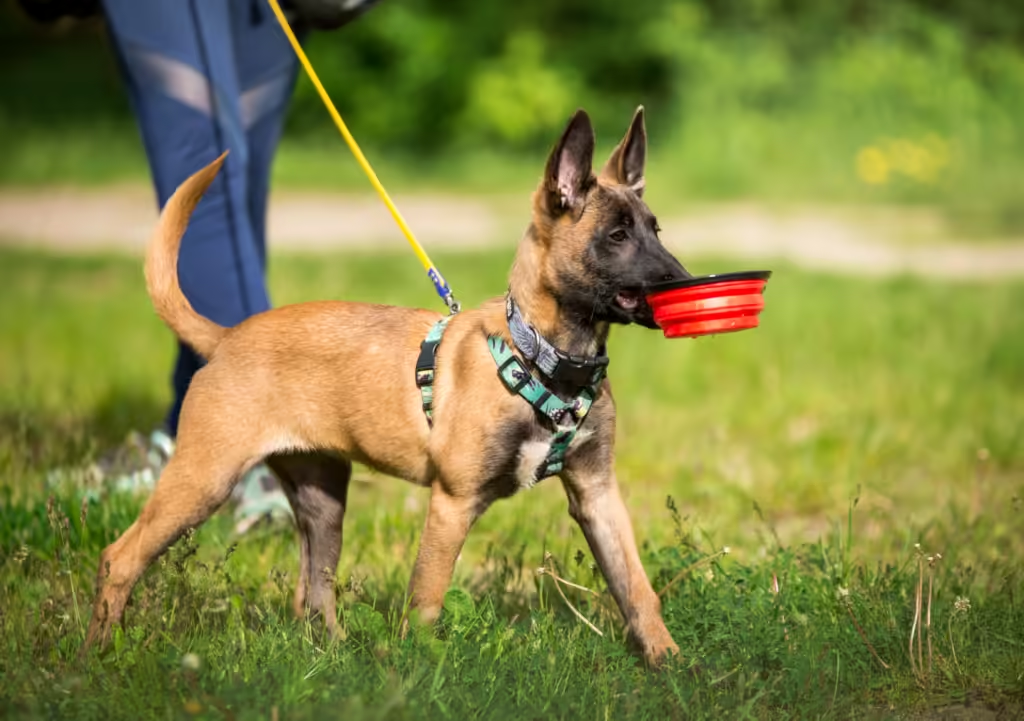
A collapsible food bowl takes up almost no space in your car but makes a huge difference for your pup. These bowls fold flat when you’re not using them and pop open when it’s time to eat or drink.
You’ll find them made from silicone or fabric materials. Silicone ones are easier to clean and won’t hold onto smells. They’re also spill-proof, which matters when you’re parked at a rest stop and your dog gets excited.
Look for bowls that hold at least two cups of water. Your dog needs to stay hydrated, especially on long drives. Some collapsible bowls come with clips so you can attach them to your bag or belt loop.
Keep one bowl for food and another for water. This prevents your dog’s kibble from getting soggy and makes cleanup simpler.

The OHMO Spill Proof Collapsible Dog Water Bowl is a 24oz portable bowl designed specifically for pet travel. Its spill-proof design and low center of gravity help prevent water splashes and spills, making it ideal for use in cars. Made from collapsible silicone, this bowl is both easy to store and lightweight, perfect for road trips or hikes with your furry friend.
2) Dog Food Storage and Vittles Vault
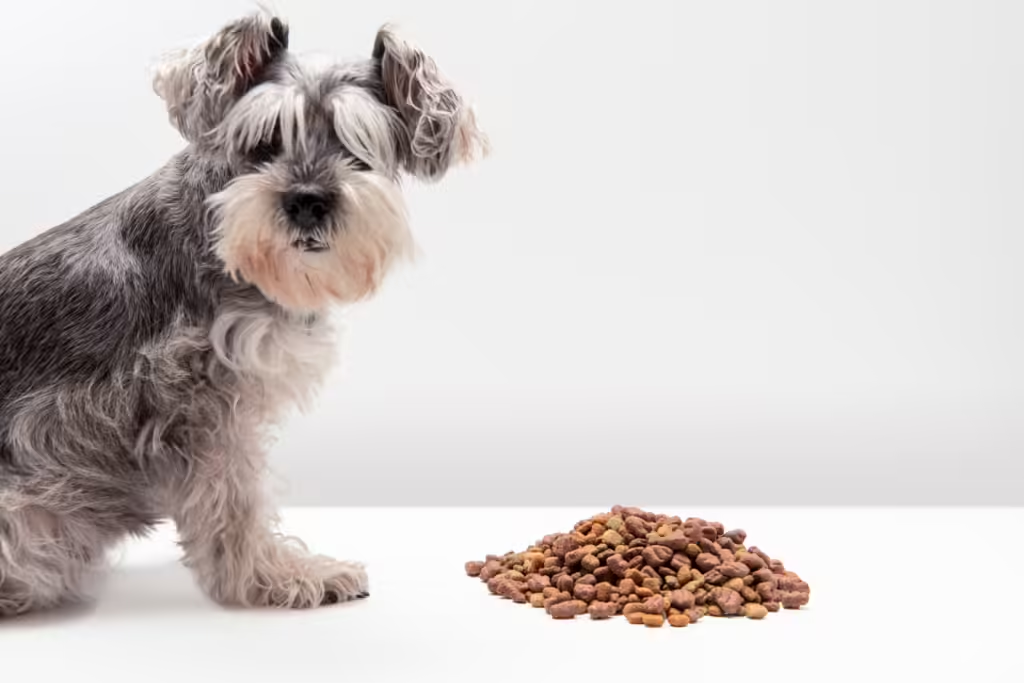
Storing your dog’s food properly keeps it fresh and your car organized. A good dog food storage container needs to be airtight so the kibble doesn’t get stale or attract bugs.
The Vittles Vault is a popular choice because it seals tight and comes in different sizes. Pick one based on how long your trip will be. A container that holds five to ten pounds works well for most weekend trips.
Plastic containers are lightweight and won’t break if they get knocked around. Some have built-in handles and measuring cups, which save you from digging through bags at every meal stop.
Don’t just toss the food bag in your trunk. Heat and humidity can make food go bad faster than you think. A sealed container protects against all of that.

The Gamma2 Vittles Vault Travel-Tainer is a portable food storage container designed for pet owners on the go. Capable of holding up to 6 cups of food, it transforms effortlessly into a feeding and watering system, featuring two 3-cup bowls. Made from BPA-free plastic, this travel container ensures food safety and freshness, making it a convenient choice for road trips, camping, and daily adventures with your pet.
3) Dog Treats for the Road

Dog treats aren’t just snacks. They’re your secret weapon for keeping your pup calm and rewarding good behavior during the trip.
Pack treats your dog already knows and loves. Road trips aren’t the time to experiment with new flavors that might upset their stomach. Small, bite-sized pieces work best because you can hand them out quickly without making a mess.
Use treats to reward your dog for staying calm in the car or settling into their travel crate. They also come in handy when you need to distract your dog during rest stop bathroom breaks or vet visits.
Store treats in an airtight container or resealable bag. This keeps them fresh and prevents crumbs from getting everywhere. Soft treats are easier on your dog’s teeth during travel, but crunchy ones can help with boredom on longer drives.

Vital Essentials Single Ingredient Beef Liver Dog Treats offer a wholesome, freeze-dried option perfect for training and rewarding your pet. These high-protein treats are made from 100% beef liver and are free from grains, gluten, and fillers, catering to all life stages of dogs. Their natural ingredients ensure a nutritious and enjoyable treat experience for your pet.
4) First Aid Kit for Pets
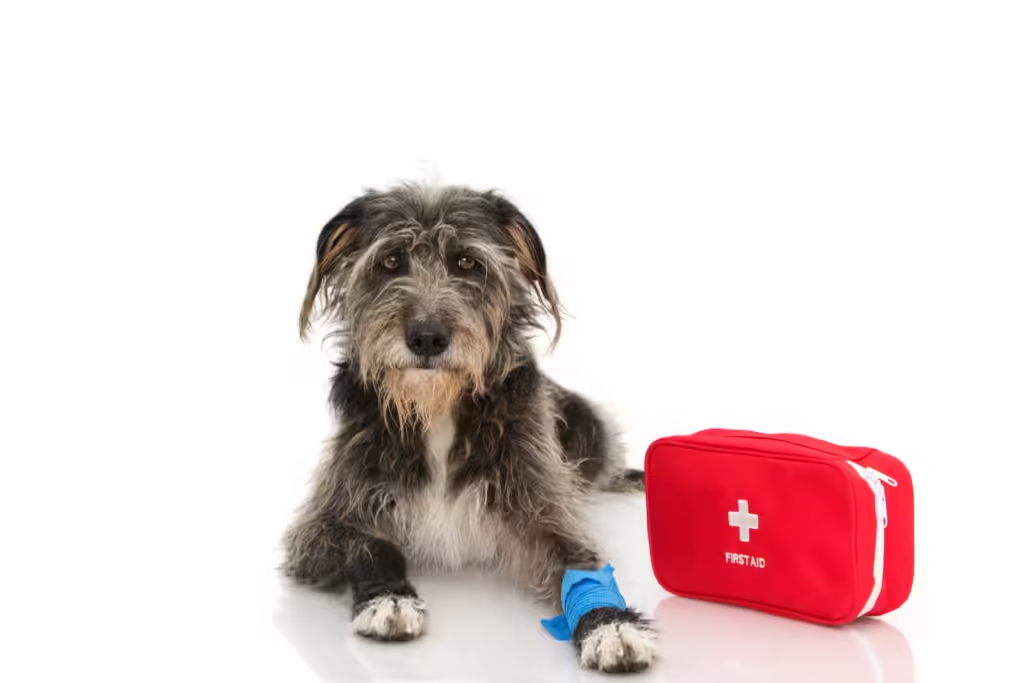
Your pet first aid kit should cover the most common travel injuries without turning your trunk into a mobile veterinary clinic. Start with sterile gauze pads, adhesive tape, and antibiotic ointment for cuts and scrapes. Pack a digital thermometer since a normal dog’s temperature runs between 99.5 and 102.5 degrees Fahrenheit.
Add tweezers for splinters, scissors for cutting bandages, and disposable gloves to keep things clean. Hydrogen peroxide can induce vomiting if your dog eats something toxic, but only use it when a vet tells you to.
Include antihistamine tablets like Benadrenayl for allergic reactions to bug bites. Check with your vet for the right dosage based on your dog’s weight before you leave. Throw in some styptic powder to stop bleeding from torn nails, which happens more often than you’d think on unfamiliar terrain.

Pet Medical Kit (50 Piece), One Size
5) Dog Seat Belt and Car Restraints

A dog seat belt or car harness keeps your pup secure during sudden stops or sharp turns. Without restraint, your dog becomes a projectile in an accident, which puts everyone in the car at risk.
Look for crash-tested harnesses that attach to your car’s seat belt system. These harnesses clip onto the buckle and connect to your dog’s chest harness, not their collar. A collar attachment can injure their neck during impact.
Make sure the harness fits snugly but doesn’t restrict breathing or movement. Your dog should be able to sit, stand, and lie down comfortably. Test the fit before your trip by taking a few short drives around town.
Some restraint systems work better for certain dog sizes. Small dogs often do well with harnesses that keep them in one spot. Larger dogs might need heavy-duty straps with double clips for extra security.

The Thule Cappy Dog Harness is a crash-tested harness designed for ensuring safety during car rides with your pet. It features a seatbelt passthrough to secure your dog in place, minimizing forward movement, and comes with adjustable straps for a one-time fit adjustment. Its step-in design, padded breathable mesh panels, and easy-to-clean material make it both comfortable for your pet and convenient for the owner.
6) Dog Leash and Backup Leash

Always keep a leash on hand before opening the car door. Dogs can bolt when excited or nervous, especially in unfamiliar rest stops or parks.
Pack at least two leashes for your trip. Your main leash should be sturdy and comfortable to hold during walks and bathroom breaks. A backup leash saves the day if your primary one breaks or gets lost.
Consider bringing different leash types for different situations. A standard 6-foot leash works well for rest stop walks. A shorter traffic leash gives you more control in crowded areas or parking lots.
Check your leashes for wear and tear before leaving. Frayed spots, weak clips, or damaged handles can fail at the worst possible time.

The Ruffwear Crag Ex Leash is a versatile, extendable leash designed for both hand-held and waist-worn use, perfect for active dog owners. Made with reflective Tubelok webbing and featuring a swiveling Talon Clip, it offers durability and secure attachment. With an adjustable, padded handle and accessory loop for convenience, this leash is ideal for everyday walks, hikes, or runs with your canine companion.
7) Poop Bags and Waste Disposal
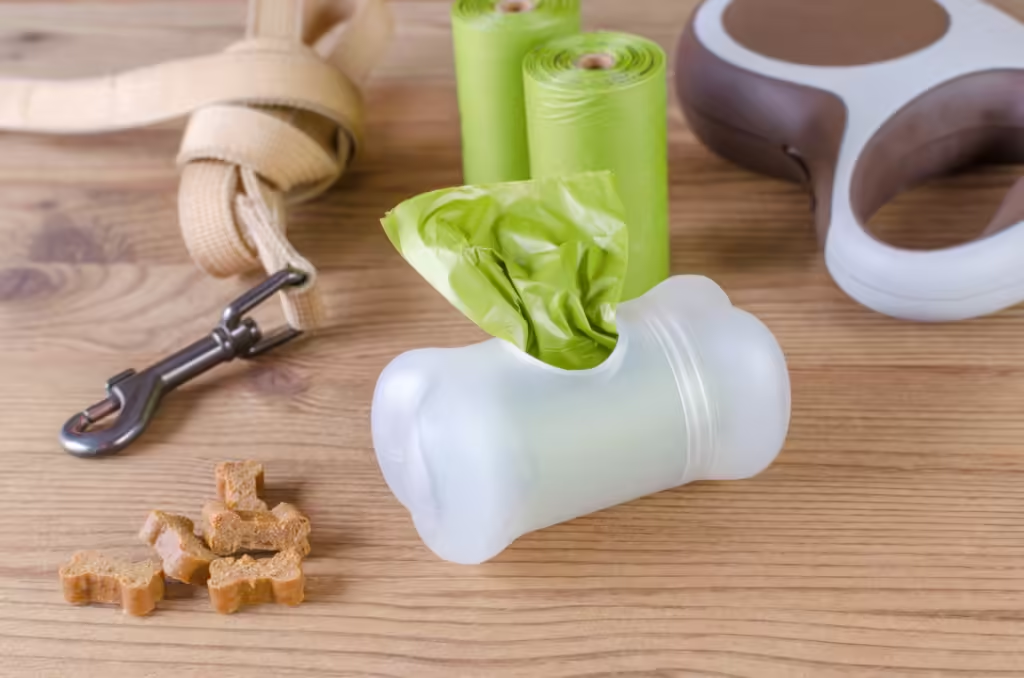
You’re going to need poop bags, and you’re going to need more than you think. Stash them everywhere: your glove box, your backpack, your pockets.
Dog waste bags should be thick enough that you don’t feel anything gross through the plastic. Biodegradable options are better for the environment without sacrificing quality.
Keep a roll attached to your leash so you’re never caught without one. Rest stops, parks, and hiking trails all expect you to clean up after your dog. It’s not just polite; it’s often required by law.
Bring a small trash bag or portable waste container for longer stretches between trash cans. Nobody wants used poop bags rolling around loose in the car.

10% to Charity - ASTM D6400 & EN 13432 Compliant Dog Waste Bags - 240 Bags - 16 Rolls of Plant Based Compostable Poop Bags
8) Soft-Sided Travel Crate or Carrier

A soft-sided travel crate gives your dog a familiar safe space during the journey. These portable options are lighter than hard plastic crates and easier to fit in your vehicle.
Choose a crate size that lets your dog stand up, turn around, and lie down comfortably. The crate shouldn’t be so large that your dog slides around during turns or stops.
Look for crates with multiple entry points and good ventilation. Mesh windows let air flow through while keeping your dog contained. Reinforced zippers and sturdy frames prevent escape attempts.
Place the crate in a secure spot where it won’t shift during the drive. The back seat floor or cargo area works well. Strap it down with seat belts or cargo ties if possible.
Soft-sided crates fold flat when not in use, which makes them perfect for road trips. You can pack them away easily at your destination or use them as an indoor bed.

The Amazon Basics 2-Door Portable Soft-Sided Folding Dog Travel Crate is a convenient solution for pet owners who travel. Designed with a lightweight polyester frame, it features two doors for easy access and secure zipper closures. This portable crate provides ample ventilation and folds flat for easy storage, making it perfect for medium-sized breeds during road trips or camping.
9) Dog Microchip and ID
A dog microchip serves as permanent identification if your pup gets separated from you. This tiny chip sits under your dog’s skin and contains a unique number linked to your contact information.
Check that your microchip registration is current before traveling. Update your phone number and add your travel destination as a temporary address if possible. Many registry services let you add travel notes or alternate contacts.
Your dog should also wear a collar with ID tags at all times. Tags provide immediate contact information to anyone who finds your dog. Include your name, phone number, and a note that your dog is microchipped.
Consider getting a temporary travel tag with your hotel or destination address. This helps local shelters or veterinarians reach you faster if your dog wanders off during your trip.
Take a recent photo of your dog before leaving home. A clear picture helps you create lost pet flyers quickly if needed.

The Personalized and Custom Dog Tag for Pets offers a stylish and practical solution for pet identification. Made from silicone and stainless steel, this silent, slide-on ID tag is designed to securely fit collars of various sizes and allows customization with up to four lines of text for essential contact information. It provides pet owners peace of mind with a durable design that minimizes noise and enhances safety for their furry friends.
10) Favorite Toys and Chews

Bored dogs can become anxious or destructive, so pack toys that keep them entertained without causing chaos. Choose chew toys, puzzle feeders, or quiet stuffed animals that won’t distract you while driving.
Durable chews give your pup a safe way to burn off nervous energy during stops. Avoid squeaky toys that might drive you nuts after the first hour. Rotate toys throughout the trip to keep things interesting.
Bring at least two or three options in case one gets lost or your dog loses interest. Familiar toys also help your dog settle down in hotel rooms or unfamiliar places at night.

Fetch & Chew Toy for Dogs - Treat-Filling Capabilities & Erratic Bounce for Extended Play Time - Durable Natural Rubber Material
Staying Organized: Packing Tips for Dog-Friendly Travel
Your dog’s comfort goes beyond what’s in your trunk. Helping your pup adjust to new surroundings and knowing where to find welcoming spots can turn a good trip into a great one.
Adapting to New Places
New places can throw your dog off balance. Dogs feel more comfortable when they have familiar items around them, so bring their regular food and favorite toys along.
Stick to their normal routine as much as you can. Feed them at the usual times and take bathroom breaks on schedule. This helps reduce stress and keeps them feeling secure.
Give your dog time to sniff around and explore new rest stops or hotels at their own pace. Don’t rush them into unfamiliar spaces. Let them check things out slowly.
Watch for signs of stress like panting, pacing, or whining. If your dog seems anxious, find a quiet spot where they can relax for a few minutes. Sometimes a short walk or some water is all they need to settle down.
Keep your energy calm and positive. Dogs pick up on our moods, so staying relaxed helps them stay relaxed too.
Finding Dog-Friendly Stops
Planning ahead makes your dog’s road trip much smoother. Use apps like BringFido or search for pet-friendly rest areas along your route before you leave home.
Many highway rest stops now have designated pet areas with grass and waste stations. These spots are perfect for quick bathroom breaks and leg stretches.
Call ahead to restaurants and hotels to confirm their pet policies. Some places welcome dogs with open arms while others have size or breed restrictions.
Look for parks or trails near your route where your dog can burn off energy. A 20-minute play session can make the next few hours in the car much easier.
Gas stations with grassy areas work in a pinch, but always keep your dog on a leash. National parks often have dog-friendly trails, though rules vary by location.
Comfort Items to Keep Your Pup Happy
Your dog needs familiar items that help them relax and stay clean during the trip. Bringing the right comfort gear makes your car feel like a home away from home.
Crate Mat or Travel Bed
A good crate mat gives your dog a cozy spot to rest during long drives. Dogs feel calmer when they have familiar scents from home, so pack their regular bed or blanket if it fits in your vehicle.
Look for mats with non-slip bottoms that stay in place during turns and stops. Waterproof or water-resistant materials work best because they protect against accidents and spills. Some travel beds fold up small, which helps when you’re tight on space.
If your dog uses a crate, make sure the mat fits snugly inside. A well-padded surface protects their joints on bumpy roads. You can even bring an old T-shirt of yours to place on top since your scent helps reduce travel anxiety.
Towel or Paper Towels
Paper towels handle quick cleanups when your dog drools, tracks in mud, or has a small accident. Keep a roll within easy reach in your car. Regular cloth towels work better for drying off wet dogs after swimming or walking in the rain.
An absorbent towel protects your seats from sandy paws after beach stops. You’ll also need something to wipe down food and water bowls between uses. Pack both types if you have room because they serve different purposes.
Microfiber towels dry faster than regular cotton ones, which matters if you’re washing them at rest stops. Store dirty towels in a separate plastic bag to keep your clean gear dry and fresh.
Dog Shampoo and Grooming Wipes
Your dog might roll in something gross or get muddy on the road. Dog shampoo lets you give them a quick bath at pet-friendly hotels or campgrounds. Travel-sized bottles take up less space than full containers.
Grooming wipes are perfect for spot cleaning between baths. They remove dirt from paws, wipe slobber off faces, and freshen up coats without water. Keep a pack in your glove box for easy access during pit stops.
Unscented or lightly scented products work best since strong fragrances can bother dogs in small spaces. Some wipes also help reduce dander, which keeps your car smelling better. Check that any products you bring are safe for your dog’s skin type.
Health Essentials: First Aid and Records
A well-stocked dog first aid kit and proper documentation can turn a scary situation into a manageable one. You’ll want bandages and wound care supplies on hand, plus all the paperwork that proves your pup is healthy and legal to travel.
Tick Removal Tool and Emergency Vet Info
A tick removal tool is small, cheap, and way better than trying to twist those little parasites off with your fingers. The hook-style removers let you slide under the tick and lift it out without squeezing its body or leaving the head embedded in your dog’s skin.
Check your dog for ticks after hikes or walks through tall grass. Run your hands over their entire body, paying extra attention to ears, armpits, and between toes.
Research emergency vet clinics along your route and at your destination before you leave home. Save their phone numbers and addresses in your phone with labels like “Emergency Vet Phoenix” so you can find them quickly. The ASPCA Animal Poison Control Center hotline is another critical number to have saved.
Vaccination Records and Rabies Proof
Bring physical or digital copies of your dog’s current rabies vaccination certificate. Some states require proof at border crossings, campgrounds, or hotels. Your rabies vaccination paperwork needs to show the vaccine date, expiration date, and your vet’s signature.
Pack a full vaccination history if you’re crossing state lines or visiting dog-friendly attractions. Many doggy daycares, boarding facilities, and dog parks at your destination will ask to see records for bordetella, distemper, and parvovirus.
For interstate travel, you might need a Certificate of Veterinary Inspection (CVI). Requirements vary by state, so check the rules for your specific destination well before your departure date. These certificates usually expire after 30 days, so timing matters.
Pet First Aid App and Soft Cloth Muzzle
A pet first aid app gives you step-by-step instructions for emergencies when you’re too stressed to remember what to do. The Red Cross has a well-regarded pet first aid app that covers choking, heatstroke, and poisoning with clear photos and videos.
Download the app before you lose cell service in remote areas. Most apps let you save your dog’s medical information, medication list, and vet contact details in one place.
Pack a soft cloth muzzle even if your dog has never bitten anyone. A normally gentle dog might snap when injured and scared. The soft cloth version is more comfortable than basket muzzles for short-term use during emergencies. Make sure you know how to put it on correctly before you actually need it, and never leave a muzzle on an overheated or vomiting dog.

The Evollax Dog Muzzle for Large Dogs is designed with a breathable mesh fabric that ensures comfort and airflow, making it ideal for prolonged use. Featuring adjustable straps, this muzzle provides a secure fit for dog snouts measuring 7.9” to 9.4”, effectively preventing biting, barking, and chewing while allowing your pet to pant and drink safely. Not suitable for short-snouted breeds, this durable yet lightweight muzzle promotes safety and better socialization during various activities.
Bonus Tips for a Wag-Worthy Trip
Comfort is everything when you’re traveling with your dog. Let’s make that backseat feel like home, and keep the temperature just right.
Choosing The Right Travel Bed
Find a travel bed or crate that fits your dog’s size and personality. Some pups love the security of a crate with their favorite blanket tucked inside.
Portable pet beds with memory foam are comfy, especially for older dogs. Easy-to-clean beds are a must because, well, accidents happen.
Familiar items, like their blanket or favorite toy, help make any new place feel less intimidating. A cozy space means a happier, calmer dog.
Temperature Control
Keep your dog cool in hot weather with a portable fan or cooling mat. Never, ever leave them in a parked car. It heats up way faster than you’d think. Never, I repeat, never, ever, ever, never.
For chilly trips, bring a blanket or a doggie sweater. Adjust the car’s temperature so it’s comfortable for everyone, crack the window for fresh air, but not so much that your dog gets blasted by wind.
Stop regularly for water breaks. Hydration keeps them happy and healthy, and honestly, it’s just the right thing to do.
Safety Tips On The Road
Traveling with our dogs is awesome, but their safety has to come first. Let’s talk about seat belts and why breaks matter more than you’d think.
Using Pet Seat Belts
Always use a pet seat belt or harness. These clip into your car’s seat belt and keep your dog secure if you have to brake suddenly.
Let your dog get used to their harness at home before the trip. I’ve found that a few practice runs make a huge difference.
Check the fit; it shouldn’t be too tight or too loose. If your dog gets anxious, keep the car calm and skip meals right before the ride to help with car sickness. For more on training and safety, check out this guide.
Frequent Breaks
Stop every three to four hours so your dog can stretch, drink, and take care of business. Puppies and older dogs might need even more breaks – listen to their cues.
Use breaks for a quick walk. It’s good for their mood and helps them settle back in for the next stretch of road.
Always bring enough water. A 30-pound dog needs about 30 ounces a day, so measure it out if you’re not sure.
Frequently Asked Questions

Packing right food and water keeps your dog comfortable, while the right gear makes travel safer and easier for both of you.
What munchies should I pack for my pup to keep their tail wagging on the road?
Bring your dog’s regular food in a portable dog food storage container to keep it fresh. Switching foods suddenly can upset their stomach, so stick with what they’re used to eating at home.
Pack some healthy treats for rewards during rest stops. Small training treats work great because they don’t fill up your dog too quickly.
Avoid giving your dog new foods or snacks they haven’t tried before. You don’t want to deal with an upset stomach hours from home.
Bring a measuring cup so you can feed the right portions. Overfeeding during travel can make your dog uncomfortable in the car.
How do I make sure my furry co-pilot stays hydrated without frequent pit stops?
A spill-proof travel water bowl is your best friend on long drives. These bowls prevent water from sloshing all over your car when you brake or turn.
Offer water every two to three hours during your trip. Dogs need regular hydration just like we do, especially in warm weather.
Collapsible bowls fold up small and fit anywhere in your car. They’re easy to clean and take up almost no space in your packing.
Bring more water than you think you’ll need. Running out between rest stops puts unnecessary stress on your dog.
Are there any doggie gadgets that’ll make our car adventures a breeze?
A dog seat cover protects your car from fur, mud, and scratches while giving your pup a comfortable spot to ride. Most covers install in seconds and can be washed after your trip.
Consider getting a collapsible travel crate that gives your dog their own safe space. It works as a bed at hotels and keeps them secure if you need to leave them in the room.
A pet thermometer in your first aid kit helps you check if something’s wrong. Download a pet first aid app on your phone for quick guidance in emergencies.
Cooling mats help regulate your dog’s temperature on hot days. They don’t need electricity and provide instant relief when the car gets warm.
What’s the doggy road trip essentials kit look like?
Your kit should include food, water, bowls, a leash, and waste bags. These basics cover your dog’s immediate needs at every stop.
Add a first aid kit designed for pets with bandages, antiseptic wipes, and tweezers. Include your vet’s phone number and local emergency vet contacts along your route.
Pack your dog’s favorite blanket and a chew toy for comfort. Familiar items help reduce anxiety in new places.
Don’t forget medications, vaccination records, and any special supplies your dog needs. Bring extra poop bags because you’ll use more than you expect.
Can you give me some tips on how to find pet-friendly pit stops along the way?
Search for rest areas with dog walking sections before you leave home. Many highway rest stops have designated pet areas with grass and waste stations.
Use apps that show pet-friendly locations along your route. These tools help you plan bathroom breaks and meals at places that welcome dogs.
Look for state parks or small town parks on your map. They often have open spaces where your dog can stretch their legs safely.
Call ahead to restaurants with outdoor patios to confirm they allow dogs. This saves you from awkward situations when you arrive hungry.
What safety gear do I need to ensure my four-legged friend is secure in the car?
A dog seatbelt harness keeps your pup from sliding around during sudden stops. It attaches to your car’s seatbelt system and lets them sit or lie down comfortably.
Small dogs do well in secured travel crates that buckle into place. The crate protects them during the ride and doubles as a safe space at your destination.
Never let your dog ride with their head out the window despite how much they love it. Flying debris can seriously hurt their eyes or face.
Keep your dog in the back seat rather than the front. Airbags designed for humans can injure dogs in an accident.