
Best Hikes on the Oregon Coast: Unmissable Trails & Tips
The Oregon Coast stretches nearly 400 miles along the Pacific Ocean, and I’ve spent years exploring its trails. The best hikes on the Oregon Coast include Saddle Mountain for sweeping ocean views, Cape Lookout for incredible whale watching, and God’s Thumb near Lincoln City for dramatic cliff-top scenery. Each trail offers something different, from sandy beaches to old-growth forests to rocky headlands.
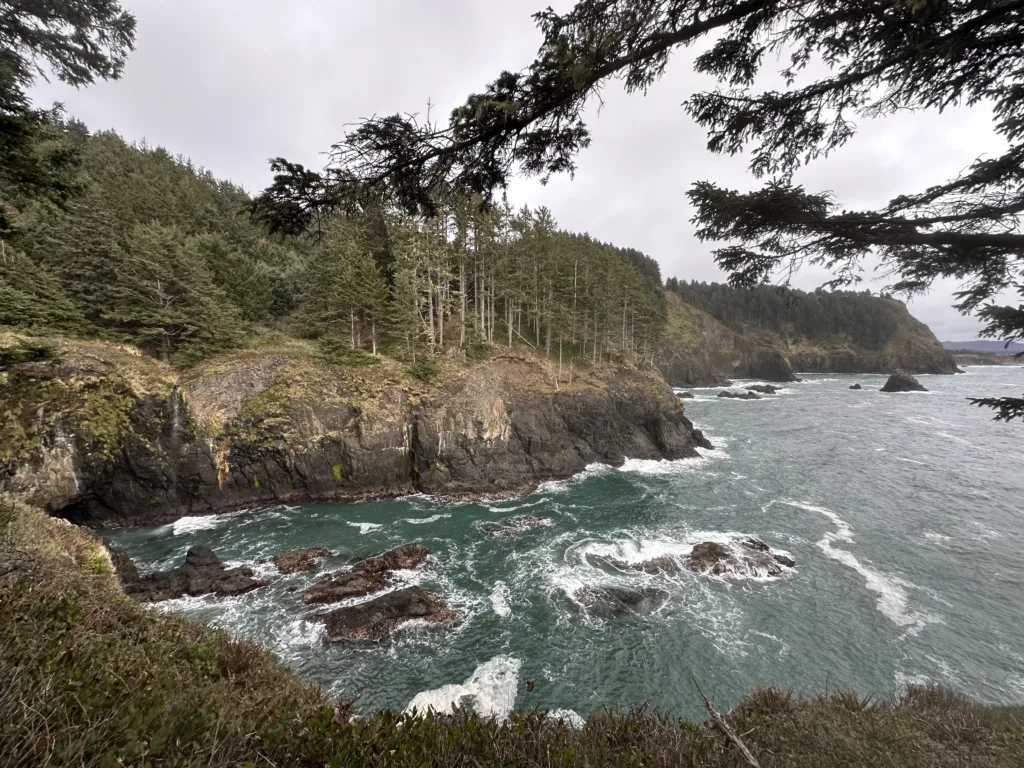
I’ve lived on the Oregon Coast for 8 years and have hiked these trails in every season. I can tell you the coast rewards adventurers year-round. Summer brings wildflowers and full-force waterfalls, while winter offers peaceful, crowd-free paths. The weather can change fast here, so I always pack extra layers even on sunny days.
What makes Oregon Coast hiking special is the variety. You can climb mountains with ocean views, walk through coastal rainforests, or explore tide pools and sea caves. I’ve picked trails from Astoria down to Brookings that range from easy beach walks to challenging climbs. Whether you have an afternoon or a full weekend, there’s a hike waiting for you.
Key Takeaways
- The Oregon Coast offers diverse hiking from beach trails to mountain summits across 400 miles of coastline
- Best times to visit are May through October for better weather, though winter provides solitude and whale watching opportunities
- Always check tide schedules and pack weather-appropriate gear since coastal conditions change quickly
Must-Hike Trails on the Northern Oregon Coast
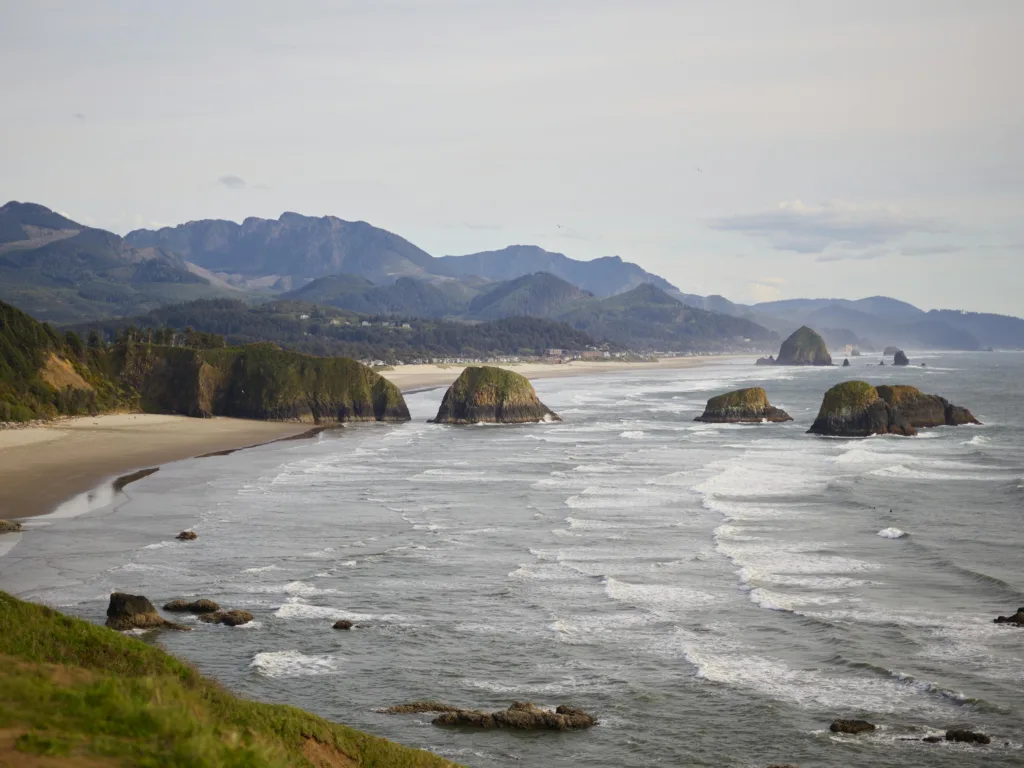
The northern Oregon coast packs some of the most spectacular coastal hiking in the Pacific Northwest, with trails that wind through ancient Sitka spruce forests, climb dramatic headlands, and deliver knockout ocean views. From Seaside down to Manzanita, I’ve found trails that range from easy beach walks to challenging forest treks that’ll have your heart pumping.
Tillamook Head and Clatsop Loop Trail
I always tell people that the Clatsop Loop Trail at Ecola State Park is one of those hikes that delivers way more than you expect. The 3-mile loop starts at Indian Beach and takes you through a coastal rainforest that feels like stepping into another world.
One side of the Clatsop Loop hugs dramatic cliffs overlooking the Pacific, while the other side meanders through quiet forest. The trail leads 1.5 miles to the Hikers’ Camp viewpoint, where you can spot the Tillamook Rock Lighthouse sitting alone on its rocky perch offshore.
If you’re feeling ambitious, the Tillamook Head trail connects to this area. It’s a more rugged 8-mile adventure that starts in Seaside and cuts through the wild side of Ecola State Park. This one can get muddy and overgrown, with fallen trees and thick brush depending on recent conditions.
The Tillamook Head hike takes you to the hikers’ camp at around the 4-mile mark, where you can turn back or push on. Just know you’re signing up for a proper wilderness experience on this one.
Ecola State Park Adventures
Ecola State Park is basically hiking heaven on the northern Oregon coast. The recently reopened Indian Beach Trail is a 4.3-mile gem that was closed for nearly five years due to landslide damage.
The rerouted trail now winds through old-growth Sitka spruce before opening up to stunning cliffside views. I love that this trail takes you from the forest canopy straight to dramatic ocean overlooks; it’s like getting two completely different hikes in one.
Key trails in Ecola State Park:
- Indian Beach Trail: 4.3 miles, moderate difficulty
- Clatsop Loop: 3 miles, perfect for ocean and forest views
- Crescent Beach Trail: Connects different park areas
Indian Beach itself is worth the trip even if you’re not hiking. The beach sits in a protected cove with impressive rock formations and tide pools. You can easily spend hours here just exploring the shoreline.
From the Ecola Point parking area, you’ll get some of the best coastal views in Oregon before you even hit the trail. On clear days, you can see Haystack Rock down in Cannon Beach from up here.
Cannon Beach & Haystack Rock Highlights
Cannon Beach offers more than just its famous Haystack Rock (though that 235-foot sea stack is pretty incredible). The town sits right next to some excellent hiking options that most beach-goers never discover.
The Ecola Creek Forest Reserve hides a 1,040-acre forest right in a residential area of Cannon Beach. It’s only about 0.7 miles from downtown, but it feels worlds away. The trailhead parking is tiny, so I usually just walk there from town.
From the trailhead, it’s an easy 1-mile hike to reach old-growth forest. You can add another half-mile if you want to climb steeper hills to see more massive trees. The return route along a hikers-only trail is more rugged and requires fording a creek, which keeps things interesting.
What makes this area special:
- Multi-use trails offering quiet refuge from beach crowds
- Old-growth forest accessible via short, easy hikes
- Alternative return routes for variety
For beach hiking, the area around Haystack Rock offers tide pool exploration at low tide. Just check the tide charts before you go; high tide covers most of the accessible areas.
Oswald West State Park: Cape Falcon and Short Sand Beach
Oswald West State Park deserves way more attention than it gets. This place is packed with incredible trails, and Cape Falcon is my top pick for ocean views without too much effort.
The Cape Falcon Trail runs 2.3 miles through quiet forest overlooking Short Sand Beach to a viewpoint on the cape itself. With only 160 feet of elevation gain, it’s pretty mellow, though you’ll navigate some exposed roots and muddy patches.
Short Sand Beach (also called Short Sands Beach) is a local favorite that requires a short walk from the parking area with wheelbarrows provided for hauling your gear. The beach sits in a protected cove that’s popular with surfers year-round.
The Elk Flats Trail connects Short Sand Beach to other park trails, running 1.5 miles through the heart of Oswald West. Along the way, you’ll pass two viewpoints over Devil’s Cauldron, where steep cliffs drop straight into churning ocean.
The Neahkahnie Mountain Trail offers one of the best summit views on the northern Oregon coast. The 1,680-foot peak is accessible from the south trailhead (the north trail is currently closed), and it’s a moderate 1.5-mile climb to the top. From up there, the coastline stretches out in both directions like a postcard.
Exploring Central Oregon Coast Hiking Gems
The central Oregon coast delivers some of my favorite trails, from windswept capes jutting into the Pacific to hidden beaches tucked beneath towering headlands. These hikes combine old-growth forests, dramatic ocean views, and unique geological features that make this stretch of coastline truly special.
Cape Lookout State Park Trails
Cape Lookout State Park sits between Tillamook and Pacific City, offering one of the most iconic hikes at the Oregon coast. The main Cape Lookout Trail stretches 2.5 miles one way through a dense forest of Sitka spruce and western hemlock.
I love this trail because it takes you high above the ocean on a narrow cape that juts nearly a mile into the Pacific. The path can be muddy year-round, so I always wear waterproof boots. From the tip of the cape, I’ve spotted migrating gray whales during spring and winter.
The park also features the South Trail, which leads down to a secluded beach. This 2.3-mile descent drops about 800 feet in elevation. My legs always feel it on the way back up, but the quiet beach makes it worth the effort.
God’s Thumb & Cascade Head Adventures
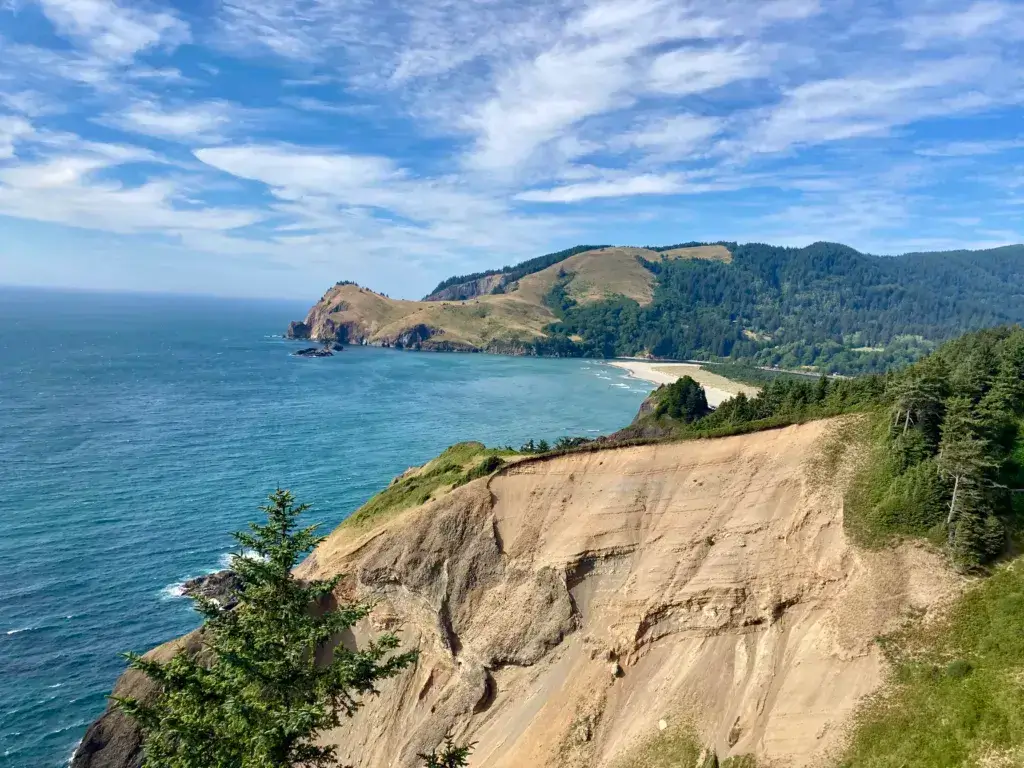
God’s Thumb is a rocky outcrop that rewards hikers with sweeping views of the Salmon River Estuary and coastline. The trail is about 2.5 miles round trip with some steep sections near the end.
I find the final scramble to the top a bit challenging, but the 360-degree views make my heart race. On clear days, I can see Cascade Head to the north and miles of coastline stretching south.
The Cascade Head Trail offers a different experience with multiple access points. The Nature Conservancy manages the upper trail, which closes from January 1 to July 15 to protect nesting habitat. This 3.5-mile round trip climbs through open meadows with wildflowers in summer.
The lower Cascade Head Trail near the Salmon River Estuary stays open year-round. I’ve walked this path many times, enjoying the mix of coastal forest and estuary views.
Heceta Head Lighthouse & Hobbit Beach

Heceta Head Lighthouse sits on a dramatic bluff 205 feet above the ocean. The short trail from the parking area to the lighthouse is just 0.5 miles, making it accessible for most visitors.
I always stop to admire the historic lighthouse, which has been operating since 1894. The light is one of the brightest on the Oregon coast. The keeper’s house now operates as a bed and breakfast.
The Hobbit Trail leads to a secluded beach tucked beneath Heceta Head. This 0.5-mile trail winds through a magical forest that feels straight out of Middle Earth. The trees form a canopy overhead, and the path opens suddenly onto Hobbit Beach.
I recommend timing your visit for low tide when you can explore tide pools and sea caves. The beach feels like a hidden world, especially on foggy mornings.
Cape Perpetua Scenic Area and Captain Cook Trail
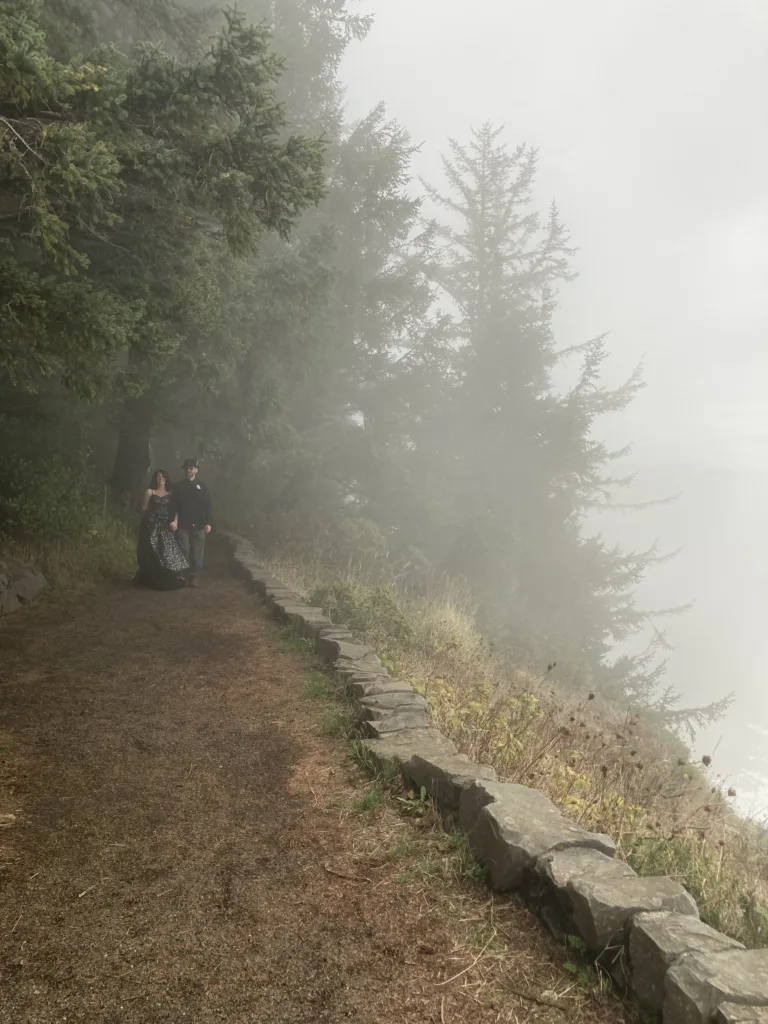
Cape Perpetua Scenic Area contains 26 miles of trails through temperate rainforest and along rocky shorelines. The area forms the highest point on the Oregon coast accessible by car at 803 feet.
The Captain Cook Trail drops from the Cape Perpetua Visitor Center down to tide pools and the dramatic Devil’s Churn. This 1-mile trail loses about 600 feet in elevation. I’ve watched massive waves crash into the narrow chasm of the Devil’s Churn, sending spray high into the air.
The Giant Spruce Trail is an easy 2-mile loop that takes me to a 500-year-old Sitka spruce. The tree measures over 185 feet tall and 40 feet around. Walking through this old-growth forest always leaves me in awe.
Thor’s Well and the spouting horn are accessible via short walks from pullouts along the scenic drive. I visit these features at high tide for the most impressive displays of ocean power.
Adventure Trails of the Southern Oregon Coast

The southern Oregon coast holds some of the most dramatic scenery I’ve ever encountered, with trails winding past natural rock arches, climbing steep coastal mountains, and weaving through 12 miles of continuous coastal paradise where waterfalls meet the Pacific.
Secret Beach & Natural Bridges
Finding Secret Beach felt like discovering my own private slice of the Oregon coast. The Secret Beach trail is only three-quarters of a mile, but it packs in serious coastal magic.
A creek tumbles down the hillside alongside the path, ending in a waterfall that drops right onto the sand. Very cool.
The real showstopper here is the side trip to Thunder Rock Cove. The Natural Bridges Viewpoint trail starts from an unmarked parking area, which adds to the adventure vibe. These seven arched sea stacks are probably the most photogenic rock formations I’ve seen in the Samuel H. Boardman State Scenic Corridor.
Waves crash through blowholes and under the natural bridges, creating this incredible sensory experience. Just be careful at the viewpoint; there aren’t any railings between you and some seriously steep cliffs.
Humbug Mountain State Park & Cape Sebastian
The Cape Sebastian trail delivers jaw-dropping views in both directions. I loved how the path gradually descends with switchbacks, first opening up northern vistas, then revealing southern views of crashing waves and bluffs.
The trail leads down to Hunters Cove, a popular local surf spot. The final section gets steep enough that rope and posts help you navigate safely. The return is all uphill, but those scenic views make it totally worth the effort.
If you’re up for it, you can arrange a one-way hike by leaving a car at the southern highway turnout along the 1-mile stretch of Hunters Beach. Humbug Mountain State Park offers another challenging option nearby, though I found Cape Sebastian to be more rewarding for the effort.
Samuel H. Boardman State Scenic Corridor
The Samuel H. Boardman State Scenic Corridor is my favorite stretch of the entire Oregon coast. This 12-mile section along Highway 101 contains 27 miles of trails, including portions of the Oregon Coast Trail.
Top trails I recommend:
- Cape Ferrelo Trail – Short loop through grassy bluffs with California views
- China Creek Trail – Access to hidden coves and tide pools
- Indian Sands Trail – Unique sandstone formations shaped by wind and waves
The Cape Ferrelo hike at the southern end is perfect for a quick adventure. The trail starts in low brush, then opens onto rolling grasslands with views stretching to California. A spur trail branches down to Lone Ranch Beach if you want to get your feet wet.
I can’t get enough of the rugged coastline here. Old-growth Sitka spruce cling to offshore sea stacks, and seemingly endless viewpoints make it hard to stop taking photos. Floras Lake State Park and Cape Blanco State Park bookend this incredible coastal corridor to the north and south.
Epic Experiences Along the Oregon Coast Trail (OCT)
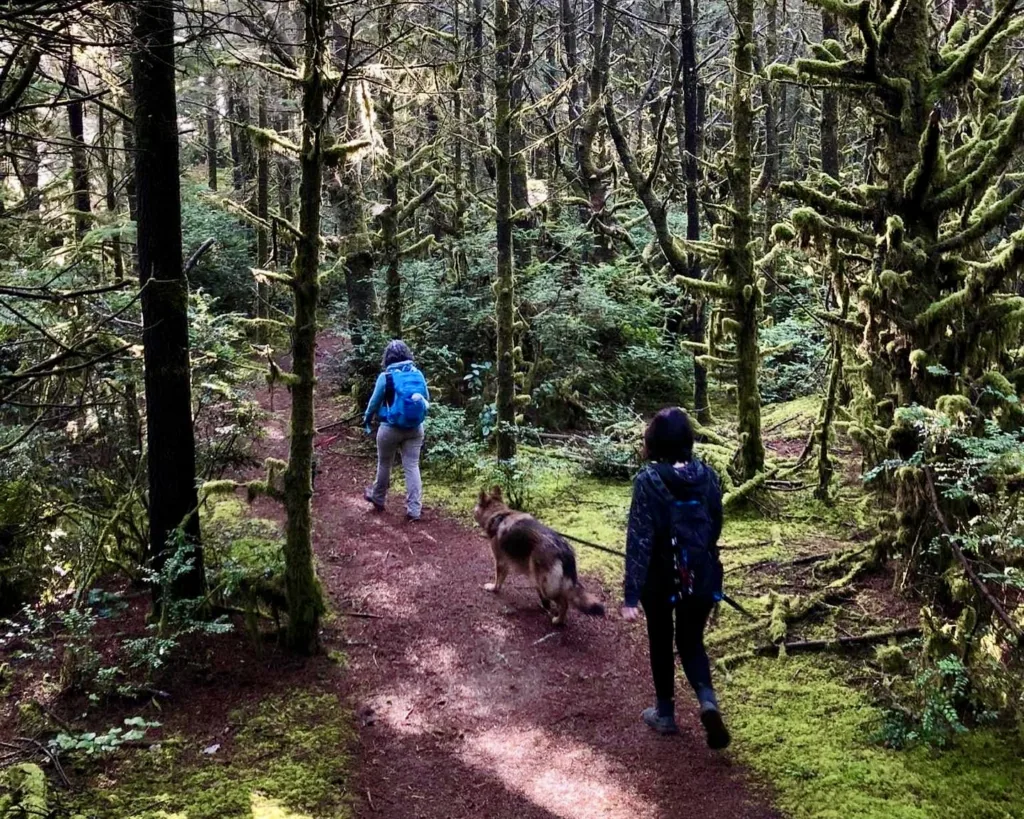
The Oregon Coast Trail offers everything from quick afternoon adventures to multi-week backpacking journeys, with each segment revealing something unique about Oregon’s rugged coastline. I’ve found that whether you tackle just one day or commit to the full route, the OCT delivers some of the most memorable hikes on the Oregon coast.
Overview of the Oregon Coast Trail
The Oregon Coast Trail spans approximately 425 miles of pure Pacific Northwest beauty. This trail system isn’t your typical wilderness path. Instead, it’s a mix of beach walking, headland climbs, and the occasional stretch along Highway 101.
What makes the OCT special is how it connects 262 miles of publicly-owned beaches with 64 miles of headlands. I love that you can experience tide pools, sea stacks, coastal forests, and sandy shores all in one journey.
The trail runs through land traditionally belonging to the Clatsop, Tillamook, Yaquina, Alsi, Siuslaw, Kuitsh, Coos, Coquille, Tututni, Chetco, and Tolowa people. You’ll pass through charming coastal towns where you can resupply or grab a hot meal between segments.
Day Hikes vs. Thru-Hike Options
I recommend starting with day hikes if you’re new to oregon coast hiking trails. The OCT is designed to be flexible, letting you explore by individual sections based on your time and energy level.
Day Hiking Benefits:
- No backpacking gear required
- Sample different coastal ecosystems
- Perfect for families or beginners
- Easy access to amenities
Thru-Hiking Considerations:
- Typically takes 2-4 weeks to complete
- Requires careful planning for tides and weather
- Mix of camping and town stays
- Ultimate oregon coast hikes experience
Each approach has its charm. Day hiking lets you hit the highlights without committing to weeks on the trail, while thru-hiking offers that deep connection with the coastline that only comes from walking it end to end.
Iconic Segment Highlights
Some sections of the OCT simply stand out from the rest. Ecola State Park near Cannon Beach delivers dramatic cliff views and old-growth forest trails that rank among my favorite central oregon coast hiking trails.
Cape Perpetua offers incredible elevation gain with panoramic ocean views stretching for miles. The trails here wind through temperate rainforest before opening up to exposed headlands where I’ve spotted whales during migration season.
Further south, the Cape Arago Loop provides a short 1.4-mile paved trail with unique rock formations you won’t find anywhere else. Samuel H. Boardman State Scenic Corridor might be the most photogenic stretch, with natural bridges and secret beaches tucked into nearly every cove.
Each segment offers something different, making the OCT feel like multiple trails rolled into one epic coastal adventure.
Hiking Essentials: Gear, Safety, and Preparation
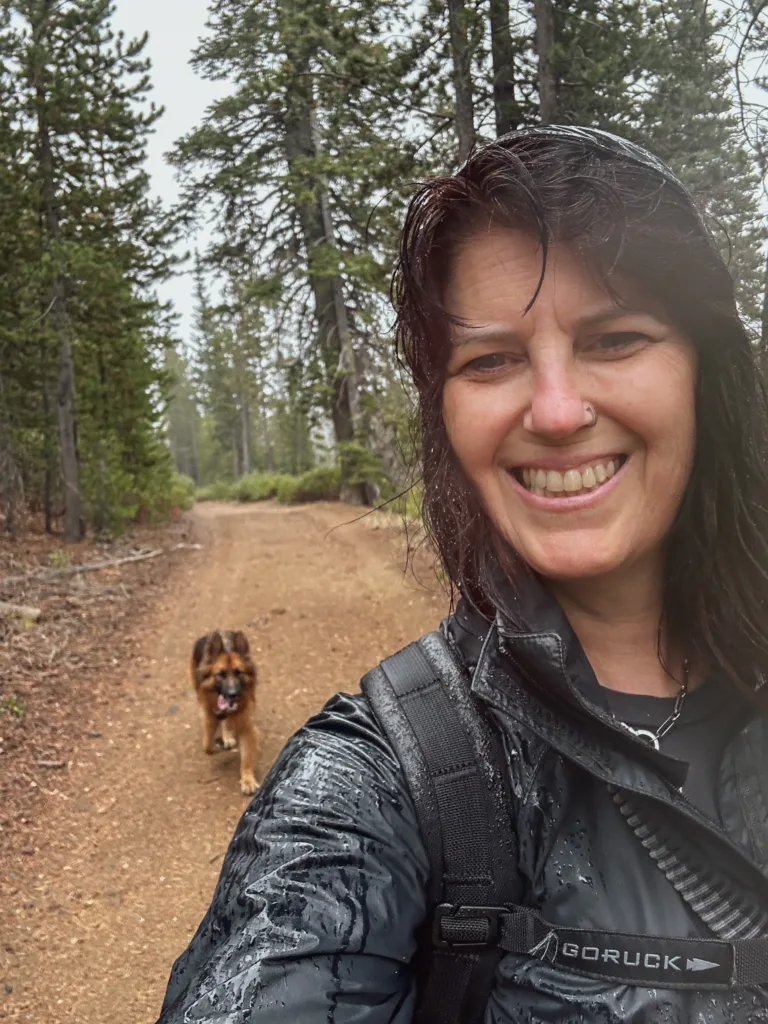
Oregon’s coastal trails demand specific gear and know-how that differs from typical mountain hikes. I’ve learned that waterproof boots, wind-resistant layers, and tide awareness can make or break your beach adventure.
What to Pack for Coastal Hikes
I never hit the trailhead without my waterproof hiking boots. The Oregon Coast throws mud, tide pools, and surprise rain at you constantly. I’d suggest Gore-Tex boots to keep your feet dry, which matters when you’re slogging through boggy sections or hopping across creek crossings.
A good day pack carries everything you should need without feeling weighed down. I pack extra socks (trust me, you’ll want them), a rain jacket for sudden squalls, and snacks that won’t get soggy. Trekking poles help with balance on slippery rocks and steep descents.
For what to bring on a hike, I always include a hat with a chin strap so it doesn’t blow into the Pacific. Wind-proof layers matter more than warmth most days. I bring a headlamp even for day hikes since coastal fog can roll in fast and disorient you.
Trail Safety & Tide Pooling Tips
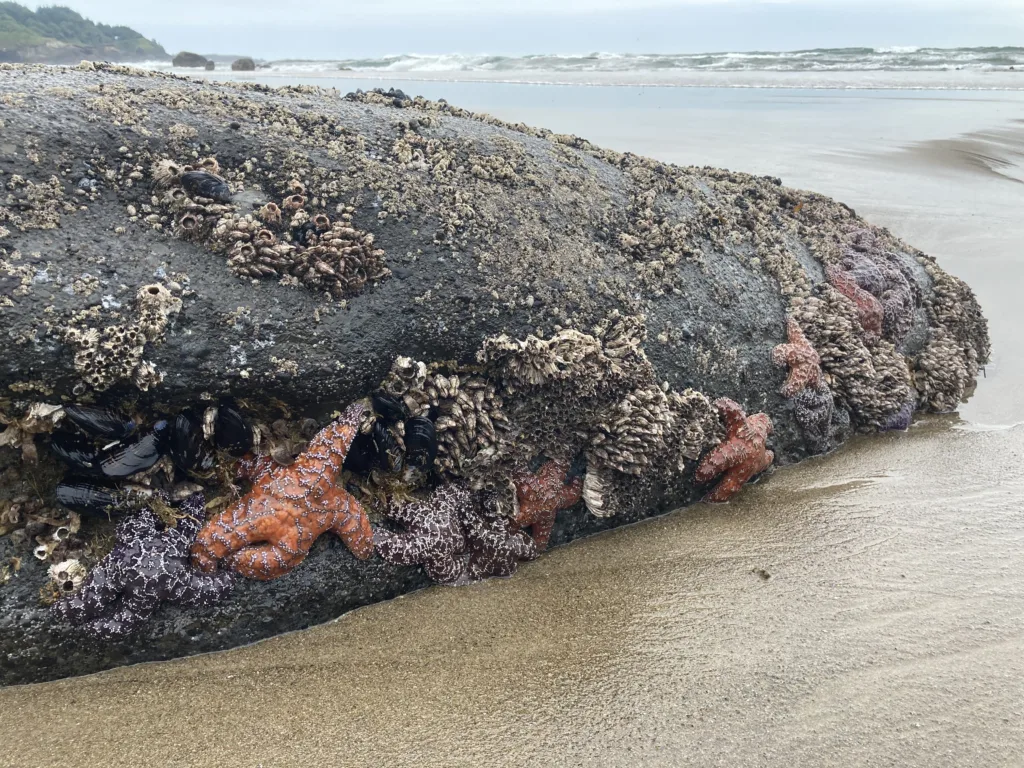
Tide charts are your best friend on coastal hikes. I check them before exploring places like Hug Point or any beach trail that requires walking around rocky points. Getting trapped by rising water is dangerous and scary.
I wear non-slip shoes with good tread for tide pooling. Wet rocks and algae are slicker than ice. I step carefully and test each foothold before putting my full weight down.
Never turn your back on the ocean. Sneaker waves appear without warning and can knock you over or pull you in. I keep my distance from cliff edges and watch where I step near drop-offs. Cell service is spotty along Highway 101, so I tell someone my hiking plans before I leave.
Navigating Weather, Mud, and Trail Conditions
Oregon Coast weather changes by the hour. I’ve experienced sun, rain, wind, and fog all in one afternoon. Layers let me adjust as conditions shift without overheating or freezing.
Mud is everywhere from October through April. I accept that my boots will get caked and plan accordingly. Some trails like those in Ecola State Park stay muddy year-round under the forest canopy.
The Oregon Dunes and John Dellenback Dunes Trail require different preparation than forest hikes. I bring gaiters to keep sand out of my boots and extra water since there’s no shade. Sand dunes reflect heat and exhaust you faster than regular trails. I avoid hiking them midday in summer.
Planning Your Oregon Coast Adventure
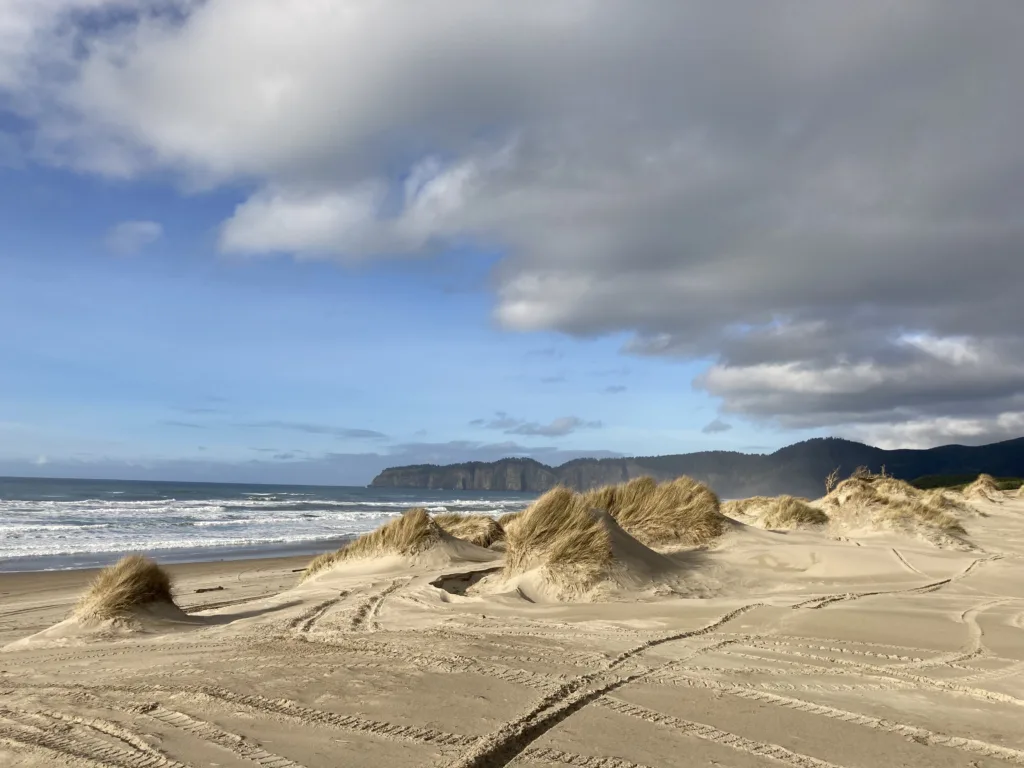
Getting to the Oregon Coast is pretty straightforward, and the best part is that the journey itself becomes part of the experience. Summer offers the clearest skies, while fall and spring bring fewer crowds and lower prices at hotels and campgrounds along Highway 101.
How to Get There & When to Go
Most people fly into Portland International Airport when starting an Oregon Coast road trip. It’s the easiest hub with plenty of rental car options, and you’re only about 90 minutes from the northern coastline.
From Portland, you can reach the coast through several routes. Highway 26 West takes you straight to Cannon Beach and the northern sections. If you’re heading to central areas, Highway 18 from Salem gets you there quickly.
Best times to visit:
- Summer (June-August): Warmest weather but expect crowds at popular spots
- Spring/Fall (April-May, September-October): Mild temperatures, fewer tourists, and lower accommodation prices
- Winter (November-March): Storm watching season with dramatic waves, but pack serious rain gear
I prefer September. The weather’s still pleasant, the summer crowds have cleared out, and you’ll actually find parking at popular trailheads without circling for 20 minutes.
Making It a Road Trip: Highway 101 and Beyond
Highway 101 runs the entire length of Oregon’s coastline for 363 miles, connecting every major beach town and trailhead. This is your main artery for an Oregon road trip.
I recommend planning at least 4-5 days to really enjoy the coast without rushing. You could technically drive it in one long day, but you’d miss everything that makes it special.
Key stops along Highway 101:
- Cannon Beach to Manzanita (north)
- Lincoln City to Newport (central)
- Florence to Bandon (south-central)
- Brookings (far south)
Don’t skip the smaller towns like Rockaway Beach. These quieter spots offer authentic coastal charm without the tourist crush. Gas stations become sparse in some stretches, so fill up when you can.
Where to Stay, Eat, and Refuel

I’ve learned that booking ahead during summer is essential, but you can find last-minute spots during shoulder seasons. State park campgrounds offer incredible ocean views for budget-friendly prices.
Accommodation options:
- State park campgrounds: $20-35/night with beach access
- Vacation rentals: Best for groups, kitchens save money on meals
- Coastal hotels: Range from budget motels to upscale oceanfront resorts
- Cozy cabins: Perfect for couples wanting privacy and atmosphere
For food, hit up local seafood shacks in towns like Newport and Bandon. Fish and chips, clam chowder, and fresh-caught salmon are way better (and cheaper) than sit-down restaurants. Pacific City, Yachats, and Astoria have excellent breweries where you can refuel after a long hike.
Stock up on snacks and water at grocery stores in larger towns. Trail towns often have limited or pricey options.
Frequently Asked Questions
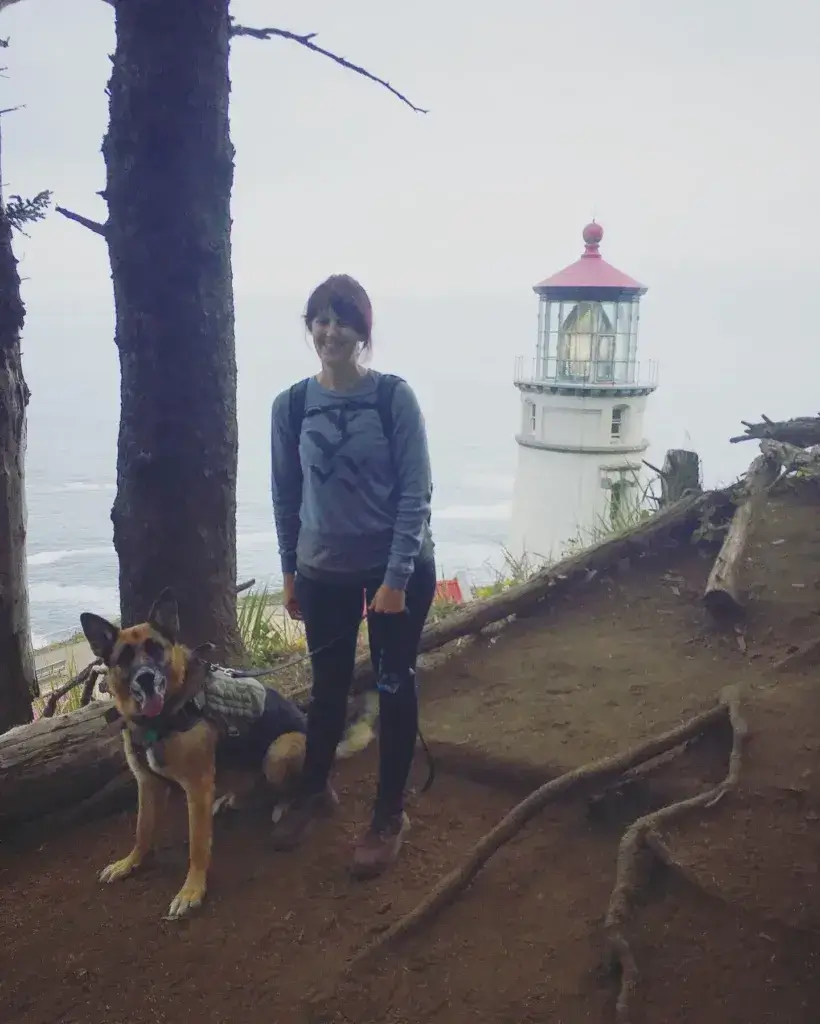
The Oregon Coast stretches nearly 400 miles and offers everything from challenging mountain climbs to easy waterfront walks. I’ve gathered answers to the most common questions about finding the perfect trail for your adventure.
Where can I find the best views while hiking along the Oregon Coast?
I always recommend Neahkahnie Mountain Trail for breathtaking panoramic views. This challenging 3.9-mile hike climbs steeply but rewards you with sweeping vistas of Manzanita and the Pacific Ocean from the summit.
Cape Falcon Trail is another favorite of mine for ocean scenery. The 4.6-mile path takes you through Oswald West State Park and leads to dramatic headland views where you can spot surfers at Short Sand Beach below.
God’s Thumb near Lincoln City offers one of the most unique viewpoints I’ve experienced. The natural basalt formation sits high above the coastline and provides 360-degree views that make the steep final climb absolutely worth it.
Any top-notch trails on the Southern Oregon Coast I shouldn’t miss?
The hike from Sunset Bay to Cape Arago is spectacular. This coastal path takes you past rocky shorelines and tide pools while offering chances to spot sea lions and other marine wildlife.
I love the Humbug Mountain Trail for a serious workout. The climb is tough but you’ll get incredible views of the southern coastline from the top.
Natural Bridges Viewpoint Trail is short but stunning. The rock formations here are unlike anything else on the coast and make for amazing photos.
What are some family-friendly hikes near the Oregon coastline with awesome scenery?
The Astoria River Walk is perfect for families. This 4.9-mile paved trail follows the waterfront through town and even has a trolley you can take back to your starting point for a small fee.
Drift Creek Falls Trail works great for kids who can handle a moderate 2.6-mile walk. You’ll cross a sturdy suspension bridge with views of a 75-foot waterfall below. Just remember the trail goes downhill first, so little legs will need to climb on the way back.
Cape Kiwanda is only one mile but feels like a real adventure. Kids love climbing the massive sand dune, though I should warn you it’s steeper than it looks and the sand makes it more challenging.
Which trails should be on my bucket list for hiking adventures in Oregon?
The Oregon Coast Trail itself spans the entire coastline and connects many of the best hikes. You don’t have to hike all of it, but exploring sections of this epic trail should definitely be on your list.
I think the Clatsop Loop Trail from Indian Beach is a must-do. The 2.9-mile loop in Ecola State Park combines coastal views with old-growth forest and a good climb that’ll make you feel accomplished.
Saint Perpetua and Giant Spruce Trail takes you through ancient forest to ocean overlooks. The giant spruce tree alone is worth the trip since it’s over 500 years old.
Could you point me to the best coastal hikes that aren’t swarming with crowds?
Sutton Creek Dunes offers a quieter experience exploring the largest coastal dunes in North America. Most visitors stick to the more popular dune areas, leaving this 4.1-mile loop relatively peaceful.
The trail to Hobbit Beach from Heceta Head Lighthouse sees fewer hikers than you’d expect. While the lighthouse itself draws crowds, many people don’t continue on the 3.6-mile path to the secluded beach.
Cooks Ridge Trail is longer at 6.7 miles, which naturally keeps the crowds down. You’ll walk through stunning old-growth forest with occasional ridge views of the surrounding landscape.
Are there any hidden gem trails near the Oregon Coast that’ll blow my Instagram followers away?
Floras Lake Waterfall Trail is one of my favorite lesser-known spots. The combination of lake views and a unique waterfall makes for shots that’ll have people asking where you found this place.
The hike through Samuel H. Boardman State Scenic Corridor offers multiple incredible viewpoints that most people drive past without exploring. The rock formations and hidden coves here are seriously photogenic.
I’d also check out the Redwood Nature Trail on the southern coast. While California gets all the redwood fame, Oregon has some beautiful specimens that make for impressive photos without the typical redwood forest crowds.