
Dog Boots for Snow: Protection for Winter Walkies
Walking my dog through fresh snow used to be a lot of fun. Then I noticed her limping and lifting her paws every few steps.
Salt, ice, and freezing temps can really mess up your dog’s paws, causing cracks, chemical burns, or even frostbite. Dog boots made for winter protect paws from snow, ice, salt, and cold, plus give your pup the traction they need to walk safely.

You might think your dog will never keep boots on. I thought that too until I figured out how to pick the right pair and introduce them slowly.
Finding boots that actually stay on is the difference between something collecting dust and something that keeps your best friend comfy all winter.
Whether you’re up against icy, salted sidewalks or deep snow on trails, the right boots can make winter walks fun again. I’ve tested a bunch on my own dogs to help you find options that really work.
Key Takeaways
- Snow boots protect paws from cold, ice, salt, and sharp stuff while giving better grip on slippery ground.
- Look for waterproof, insulated boots with non-slip soles and adjustable straps that fit snug but not tight.
- Most dogs need time to get used to boots, so start with short indoor sessions and use treats for positive vibes.
Why Your Dog Needs Boots in the Snow
Protecting my dog’s paws in winter isn’t just about comfort. It’s about avoiding real health problems.
Cold weather can damage paw pads. Road salt and chemicals cause painful irritation that can ruin a winter walk in seconds.
Risks of Cold Weather and Snow
Cold weather brings real risks for my dog’s paws, and I didn’t realize how bad it was until I looked into it. When temps drop below freezing, frostbite becomes a real threat, especially for dogs with less fur or smaller pads.
Snow and ice can slice or scrape up sensitive paw pads. Packed ice between toes hurts and makes my dog limp.
Cracked paw pads are super common in winter, and they can bleed or make walking miserable.
Dogs with tough paws can handle cold surfaces better than we think, but even the hardiest breeds have limits.
My smaller dog with thin fur needs boots way sooner than my big, fluffy one. Longer outdoor time just increases the risk, so I always think about dog boots for winter before planning big adventures.
Salt, Ice, and Chemical Hazards
The chemicals dumped on sidewalks and roads stress me out the most during winter walks. De-icers can be toxic, and my dog always licks her paws when we get home.
Road salt stings and burns paws right away. I’ve seen my dog pick up her feet in pain after stepping on salted pavement.
The burning leads to licking, which means she swallows those chemicals. Not great.
Chemical hazards include:
- Calcium chloride (can burn)
- Sodium chloride (causes irritation)
- Magnesium chloride (sometimes triggers allergic reactions)
- Commercial ice melts (usually a toxic mix)
Even after I wipe her paws, some chemicals just stay stuck. Winter boots create a barrier so her paws never touch that stuff in the first place.
Paw Protection and Health Benefits
The truth is, paw protection with boots does more than just keep dogs safe in winter. Boots keep my dog’s paws dry, so I don’t see the painful splitting that happens when pads keep freezing and thawing.
Traction surprised me the most. My dog used to slip all the time on ice, but boots with good grip let her walk like normal. That means less risk of joint strain or injuries from falls.
Quality boots protect paws from extreme cold and keep them warm and dry. I notice my dog can play outside longer without getting uncomfortable, so she gets better exercise even when it’s freezing.
If your dog already has paw injuries, boots help them heal faster by blocking out cold and wetness.
Essential Features to Look for in Snow Dog Boots
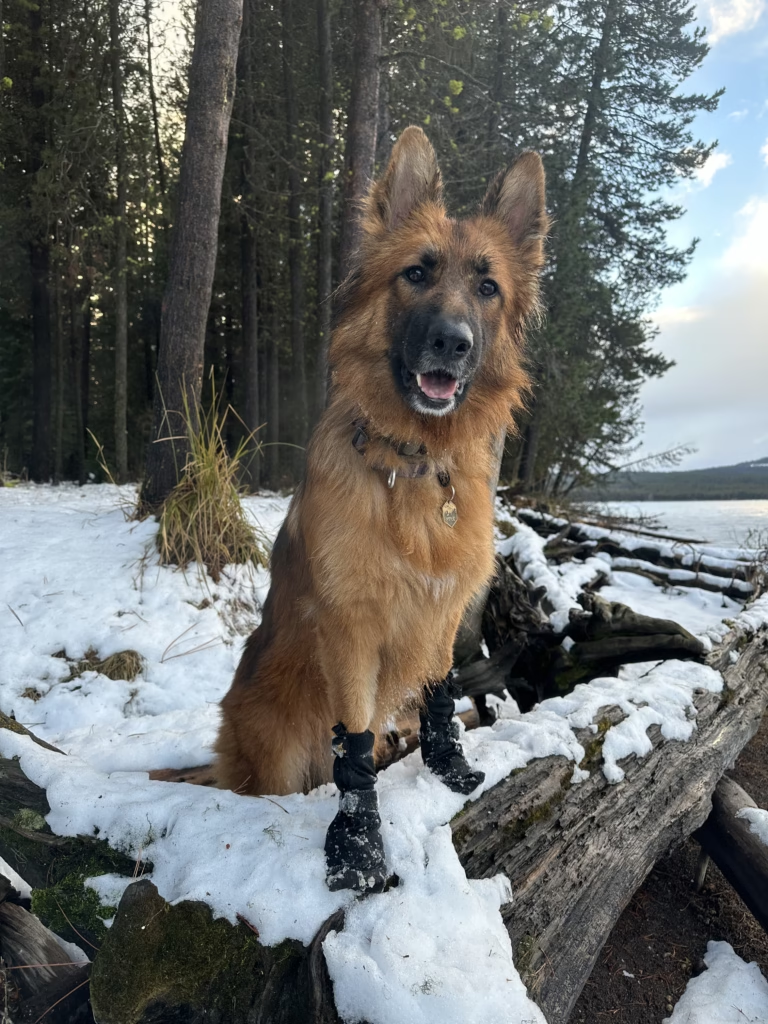
When I shop for snow boots for my dog, I focus on four main things. The boots have to keep paws dry and warm, grip icy ground, stay on during walks, and help me spot my pup in the dark.
Waterproof and Insulated Materials
Some dog boots just don’t keep moisture out. Waterproof nylon or polyester is a must for slushy sidewalks or deep snow.
The best boots I’ve found have a waterproof outer layer and warm insulation inside. Fleece lining is my favorite because it feels cozy but doesn’t overheat my dog’s paws.
Some boots only cover the toes, which isn’t enough for real winter. I always read product descriptions carefully since waterproof dog boots aren’t all the same.
My dog’s comfort depends on dry paws. Wet paws get cold fast, and that’s when we have to cut our walks short.
Non-Slip and Rubber Soles
Watching my dog slip on ice is the worst, so traction is huge for me. Rubber soles are usually the best because they’re tough and grip well.
I look for non-slip soles with textured or wavy patterns. My dog walks with way more confidence on icy patches when the tread’s right.
Good rubber soles protect from sharp ice and salt but still flex. Stiff soles just make it harder for my dog to walk, so I always bend them before buying.
Secure and Adjustable Fit
Sizing can be a pain, so I measure my dog’s paws every time. I trace each paw on paper and measure length and width to get it right.
Adjustable straps are a lifesaver. I like hook-and-loop closures because they’re quick and easy. Some boots have multiple straps or an elastic cord to keep things snug but not tight.
The fit matters, a boot that’s too tight hurts, too loose falls off. It’s worth getting it right.
Reflective Elements for Safety
Winter means dark mornings and evenings, so I always pick boots with reflective straps or trim.
Reflective bits help drivers see us, especially when we’re crossing streets or walking roads without sidewalks. Boots with more reflective areas work better than just one tiny strip.
The reflective stuff doesn’t add any bulk, but it definitely helps me feel safer on those dim walks.
Top-Rated Dog Boots for Snow
I’ve tried a bunch of boots with my own dogs on slushy sidewalks and icy trails. The best winter dog boots balance durability, warmth, and grip.
Some hold up in harsh conditions, while others are solid for everyday walks and don’t cost a fortune.
Best Overall Dog Boots
The Canada Pooch Soft Shield Boots are my top pick after weeks of real-world use. They hit that sweet spot between protection and comfort. My dog actually keeps them on.
These boots have a water-resistant shell to keep paws dry in the snow. The flexible sole gives decent grip on ice without feeling clunky. My dog got used to them faster than with other brands.
The adjustable closure system is what sealed the deal for me. It keeps the boots on without cutting off circulation. I also like the reflective trim for those early or late walks.
They work well for most winter weather I’ve faced. Light snow, slush, and salted sidewalks are no problem. I haven’t had any durability issues after multiple washes, which is pretty rare.
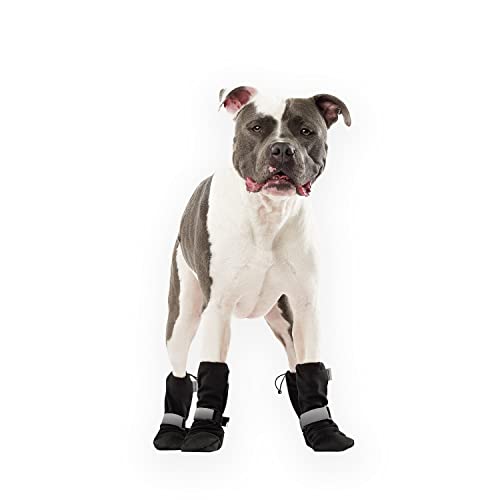
Canada Pooch Dog Winter Boots offer excellent paw protection and feature an anti-slip rubber sole, making them ideal for walks in snow, rain, or mud. Designed with an ultra-wide opening and a secure Velcro strap, these boots are easy to put on and ensure a snug fit for small to large dogs. Fleece-lined for warmth and equipped with a reflective strap for safety, they combine comfort, functionality, and style for your furry friend.
Best for Extreme Winter Conditions
When the temperature drops below freezing and ice gets serious, I always reach for the Ruffwear Polar Trex boots. These dog boots offer top-notch insulation with a softshell upper that really keeps the heat in.
The Vibram Icetrek outsole is a total game-changer. My dog walks confidently across frozen lakes and icy parking lots without slipping.
The aggressive tread grips better than any other boot I’ve tried. The waterproof softshell construction keeps out slush and melting snow, so my dog’s paws stay dry.
A zippered gaiter blocks snow from sneaking inside during deep powder adventures. I love that I can buy them in pairs to fit my dog’s wider front paws.
They’re bulkier than lighter boots, so it takes a bit of getting used to. But for tough winter hikes or long outdoor time in harsh weather, nothing else really comes close.

The Ruffwear Polar Trex Dog Boots are engineered for ultimate winter paw protection, perfect for extreme cold weather adventures with your pet. These boots feature an insulated softshell upper for breathable warmth and Vibram Icetrek soles for superior grip on icy surfaces. Designed with an anti-snow gaiter and available in a sleek Obsidian Black, they ensure your dog's paws stay warm, dry, and safe no matter how harsh the conditions.
Best for Active and Athletic Dogs
The Ruffwear Grip Trex is my go-to for my high-energy dog who just won’t slow down, even in winter. These boots focus on natural movement and flexibility more than heavy insulation.
The Vibram outsole gives solid traction on all kinds of terrain. My dog runs, jumps, and plays. These boots stay put and don’t slip off.
The mesh upper is breathable, so my dog doesn’t overheat during active play. They’re not as warm as insulated boots, but they’re perfect for dogs who keep themselves warm by moving.
I use them for trail runs and fetch, not so much for slow walks in freezing temps.
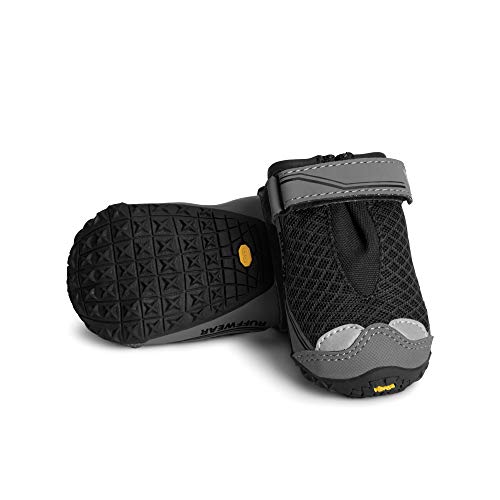
Ruffwear Grip Trex Dog Shoes provide exceptional paw protection with non-slip Vibram outsoles, perfect for ventures on hot pavement or snowy trails. These boots are crafted with breathable mesh to ensure comfort during hikes and outdoor activities. Available in an obsidian black color, they combine durability and style for your furry friend's adventures.
Best Budget-Friendly Options
The LOOBANI Dog Shoes prove you don’t need to spend a ton for decent paw protection. At around $23, these water-resistant boots handle basic winter walks surprisingly well.
The rubber soles grip moderately icy surfaces. Adjustable straps and reflective bits are similar to what I’ve seen on pricier boots.
They’re especially good for small dogs or puppies just getting used to boots. The fabric isn’t as tough as premium brands, and they’re not built for deep water or rugged trails.
But for occasional winter use or testing out boots for the first time, they’re a smart pick that doesn’t break the bank.

LOOBANI Medium Dog Shoes are specially designed for winter, providing exceptional protection for your dog's paws against snow and cold conditions. Featuring waterproof splash-proof fabric and high-grip rubber soles, these boots offer secure traction on icy surfaces while keeping paws dry and warm. Easy to put on with adjustable reflective straps for visibility during evening walks, these boots ensure your canine companion is both safe and comfortable during winter adventures.
Fit, Sizing, and Comfort Tips
Getting the right fit for your dog’s snow boots can be the difference between a happy winter walk and a dog who refuses to move. I’ve found that measuring carefully and giving your dog time to adjust makes a huge difference during snowy adventures.
Measuring Your Dog’s Paws
I always start by having my dog stand naturally on a piece of paper, weight evenly distributed. This gives the most accurate measurements. It is way better than measuring when they’re sitting or lying down.
I trace around each paw, then measure the width at the widest point and the length from the back of the pad to the tip of the longest toenail. Measuring both width and length helps avoid boots that slip off or rub uncomfortably.
I recommend measuring all four paws, since front and back feet aren’t always the same size. I jot down each measurement in inches and compare them to the brand’s size chart before ordering.
Brands size their boots differently, so I never assume my dog wears the same size across the board.
Ensuring a Proper Fit
When the boots arrive, I check that they’re snug but not too tight. I can usually fit about one finger between the boot and my dog’s leg. This is enough for comfort, but not so loose they’ll slide off.
The adjustable straps or Velcro keep the boots secure during walks. I make sure closures are tight enough to prevent slipping, but not so tight they cut off circulation.
I always let my dog walk around inside first. If the boots twist, slip off, or my dog walks weird, I tweak the straps or try a different size. Badly fitting boots can actually injure your dog if they twist around while walking.
Breaking in New Dog Boots
I never expect my dog to love booties right away. Most dogs need some time to get used to how they feel.
I start with just a few minutes inside, lots of treats, and praise. My dog usually does the silly high-step walk at first. It is totally normal and pretty funny. But… try not to laugh.
Over a few days, I let my dog wear the boots longer around the house and yard before we try long walks. I always pair boot time with good things like treats, play, or short walks, so my dog starts to associate the boots with fun stuff.
Alternative Paw Protection for Snow Days
Not every dog tolerates boots, and sometimes you just need a lighter option for quick trips outside. Paw balms create a barrier against salt and ice, while dog socks offer a little coverage for dogs who refuse full boots.
Dog Socks for Light Protection
I’ve found dog socks work well for quick bathroom trips or for dogs who really hate rigid boots. They’re made from stretchy fabric that covers the paw but doesn’t have a bulky rubber sole.
Dog socks slip on easily and stay put with elastic around the ankle. They won’t protect against sharp ice or deep snow, but they do keep salt and a bit of moisture off your dog’s pads.
I use them for my senior dog who gets confused by boots but still needs something between her paws and the salty sidewalk. The downside? Dog socks aren’t waterproof, so they’ll get wet and cold fast in real snow.
They also don’t offer much traction, so your dog might still slip on ice. Think of them as the indoor slipper version of paw protection, not a replacement for real snow boots.
Paw Balm and Waxes
Paw balm creates a waxy barrier on your dog’s pads before you go outside. I apply it about 15 minutes before a walk so it has time to soak in. The balm fills little cracks and adds a layer against road salt and de-icers.
Most paw balms and waxes have beeswax, shea butter, and coconut oil. They moisturize while they protect.
I reapply after walks to help with dryness from the cold. Paw balm doesn’t change how your dog walks or feels, so there’s no learning curve.
But it won’t protect against really cold temps or sharp ice like boots do.

Protect your dog's paws with Musher's Secret Dog Paw Wax. This natural balm, enriched with Vitamin E, shields paws from hot pavement, ice, and salt while moisturizing cracked pads. Safe for licking, it's a non-toxic way to keep your pet's paws healthy year-round.
When Boots Aren’t the Best Option
Some dogs just never get used to boots, no matter how much you train. I’ve worked with dogs who freeze up or get anxious the second boots go on. Forcing it just makes winter walks miserable for everyone.
Short-haired breeds and dogs with health issues still need paw protection in winter, but you can use paw balm and stick to shorter, more frequent walks instead of one long outing.
I try to stick to cleared sidewalks when possible and rinse my dog’s paws as soon as we get inside to wash off any salt or chemicals before she licks them.
For dogs with mobility issues or serious boot anxiety, indoor exercise matters even more in harsh weather. Puzzle toys, indoor fetch, and training sessions can help your dog burn off energy when outdoor time is limited.
How to Help Your Dog Get Used to Boots
Getting your dog comfortable with boots takes patience and a positive attitude. I’ve noticed that making the experience fun from the start and following a few simple steps helps even the pickiest pups accept their new footwear.
Making the First Fitting Fun
I always let my dog sniff and check out the boots before I try putting them on. I’ll leave them near her favorite spot or food bowl so they just become part of the scenery.
When it’s time for the first fitting, I grab a bunch of treats and wait for a calm moment. Getting your dog used to having their paws touched is a must before you even try the boots.
I spend a few days gently handling each paw, touching toes, and rewarding calm behavior. Start with just one boot, not all four at once.
Put it on loosely and give treats and praise. My dog always looks confused at first, which is normal. Keep things light. If your pup tries to shake it off or walk funny, don’t stress. Hand out more treats and keep it positive.
Training Steps for Boot Acceptance
Once my dog tolerates one boot, I add the others over several sessions. Here’s what works for me when training dogs to wear boots in winter:
Day 1-2: Boots on for 5-10 minutes indoors with treats.
Day 3-4: Bump up to 15-20 minutes with some walking inside.
Day 5-6: Try short walks outside in a familiar spot.
Day 7+: Gradually increase walk length and introduce snow.
I watch for stress signs like lots of paw lifting or refusing to move. If that happens, I take a step back and slow down. Every dog goes at their own pace. My dog needed an extra week, and that was totally fine.
The key is to keep it positive, reward every tiny win, and never force the boots if your dog seems really upset.
Frequently Asked Questions
Dog boots bring up a ton of questions, especially when you’re just trying to find something that actually works on snow and ice. The right pair needs to stay on during wild play sessions, keep water out, and help your pup grip those slippery winter sidewalks.
What paw-some dog boots will keep my pupper’s toes toasty in the snow?
Boots with real insulation make the biggest difference for warmth. Fleece or thermal linings work way better than flimsy fabric.
The tall winter design boots with thermal fleece actually feel cozy inside. It is not just marketing hype. If your dog spends a lot of time outside, this stuff matters.
Taller boots help, too. They cover more of your dog’s lower leg, which stops snow from packing in and causing those annoying ice balls between the toes.
Do those doggo snow boots really stay on, or will they disappear like mismatched socks in the laundry?
Let’s be real, this is the number one complaint I hear. Plenty of boots promise a snug fit, but then they go flying during the first zoomie.
The boots that actually stay on use more than one way to secure them. I always look for adjustable straps in a couple spots, not just one at the top.
Some brands now use 360-degree anti-slip collars around the opening. These really do grip better than the old single-strap styles, and they’re not too tight.
Getting the right size is huge. If the boots are even a bit too big, they’re going to slip off no matter how many straps you tighten.
Which fur-friendly boots will let my pooch strut through slush without getting soggy feet?
Waterproofing is a must, but not all “waterproof” boots actually deliver. I’ve tried some that claimed to be waterproof but soaked through in under ten minutes.
Look for boots made from waterproof nylon or rubber, not just water-resistant fabric. The waterproof layer should cover the whole boot, not just the sole.
Seams matter more than you’d think. If they’re not sealed well, water sneaks in even if the material itself is waterproof.
Some newer boots use waterproof toe caps with breathable sides. That combo keeps paws dry but still lets them breathe, so your dog doesn’t end up with sweaty feet.
Are the best snow boots for dogs also good for those surprise ice-skating sessions on our walks?
Traction on ice is all about the sole. Flat rubber bottoms just don’t cut it when things get slick.
Soles with deep tread patterns grip frozen ground way better than smooth ones. Look for boots with defined grooves if you walk on ice a lot.
I’ve noticed that flexible rubber soles with anti-slip textures help my dog walk more confidently. The flexibility lets their paws move naturally, but still keeps them from sliding all over.
Dogs sometimes walk with a high-stepping gait when they first try boots. Usually, they get used to it after a few short practice sessions indoors.
Does splash-proof mean snow-proof in the world of canine kicks?
Truthfully, these terms get mixed up all the time. Splash-proof usually means the boots can handle a bit of moisture but aren’t built for long stretches in wet snow.
Snow-proof boots need to be fully waterproof because snow melts fast against your dog’s warm paws. That means you need way more protection than just something for puddles.
Temperature makes a difference, too. Snow-proof boots almost always have insulation, while splash-proof ones usually just focus on blocking water.
I learned the hard way that splash-proof boots might keep paws dry, but they won’t keep them warm. After about 15 minutes outside, my dog’s feet were freezing even though they weren’t wet.
What’s the real deal on Ruffwear? Do they hold up to their bark-worthy rep for snow and ice?
Ruffwear’s been around for a while, and they have certainly earned their spot in the dog gear scene. Their boots usually show off some pretty solid construction and clever little details.
I’ve actually tried their stuff out in some pretty rough winter weather. In my experience, they outlast a lot of the cheaper brands.
The materials don’t seem to fall apart fast, and the stitching manages to stay put, even after plenty of use. That kind of reliability can be hard to find.
I also noticed their sizing feels a bit more predictable than what you get from other brands, which is a relief when you’re buying online. That said, they aren’t exactly cheap, and not every pup really needs that level of gear.
Some breeds with sensitive paws probably get the most out of Ruffwear boots because of the added durability. But if your dog just goes on the occasional snowy walk, you might be just fine with something more budget-friendly.