
Dog Friendly National Parks: Best Parks & Tips for Adventurous Pups
Thinking about a national park trip but dreading the idea of leaving your dog at home? Good news: lots of national parks in the U.S. actually welcome dogs in developed areas, on certain trails, and at campgrounds.
You and your pup can have some pretty epic outdoor adventures together. Sure, most parks have rules to protect wildlife, but plenty still make room for our furry friends.
I’ve spent way too much time digging through park websites, trying to figure out which places actually let my dog tag along. Some only allow pets in the parking lot, and only if your leash is shorter than six feet.
But others? They offer miles of trails, scenic overlooks, and even pet-friendly lodging. It really comes down to knowing which parks are laid-back about dogs and which ones are strict.
This guide highlights the most dog-friendly national parks you and your pup can explore. From coastal paths to desert hikes, I’ll share top trails, camping spots, and tips to keep your adventures safe and fun.
Key Takeaways
- Several national parks allow dogs on trails and in campgrounds if you follow leash rules.
- Knowing the park’s specific pet policies and prepping ahead keeps your dog safe.
- Dog-friendly parks are scattered all across the U.S., from coast to coast.
What Makes a National Park Dog-Friendly?
For me, a dog-friendly park means my pup can hit the trails, splash on beaches, and hang out in outdoor spaces, all while clear rules keep both pets and wildlife safe.
Leash Rules and Etiquette
Nearly all dog-friendly national parks require leashes no longer than six feet. That’s not just some random rule – it’s there to keep dogs from chasing wildlife or bothering other visitors.
I always keep my dog on the trail and never let him run up to strangers or other dogs. Not everyone loves dogs, and some people have allergies. Picking up after my dog and packing out the waste is just basic trail manners.
The leash rule applies even if your dog listens perfectly. Wild animals can pop up out of nowhere, and even the best-trained dog might bolt after a squirrel. Leashing up is just safer for everyone.
Pet Safety and Wildlife Awareness
Wildlife can be a real danger for dogs in national parks. Bears, mountain lions, coyotes, and even smaller critters like raccoons might attack a curious pup.
I never let my dog approach wildlife, no matter how harmless they seem. Heat is another thing to watch for. Paved trails and parking lots can get scorching hot and burn paws fast.
I always check the ground with my hand before we walk, and bring plenty of water for both of us. Most trails don’t have water sources, so you can’t count on finding any along the way.
The BARK Ranger program teaches responsible pet ownership in parks. Your dog can even earn a special BARK Ranger tag by following the rules and being a good trail buddy.
Dog Amenities and Services
The best parks do more than just allow dogs – they make it easy. Acadia National Park welcomes dogs on 100 miles of hiking trails and 45 miles of carriage roads, plus most beaches outside nesting season.
Some parks have pet waste stations and trash cans at trailheads. A handful offer dog-friendly campgrounds where your pup can curl up next to you under the stars. Occasionally, you’ll even find parks with pet-friendly lodges or cabins, though that’s pretty rare.
I always check the park’s website before I go. Rules can vary a lot, and what’s allowed in one park might be a no-go in another.
Top Dog-Friendly National Parks Across the U.S.
Some national parks make it painless to bring your dog along. Acadia in Maine and the South Rim of the Grand Canyon both have trails where dogs are welcome. Great Sand Dunes and Shenandoah offer unique landscapes your pup will love.
Acadia National Park: Maine’s Pup Paradise
Acadia National Park is easily one of the most dog-friendly parks I’ve visited. Your dog can wander over 100 miles of hiking trails and 45 miles of carriage roads.
The park sits on Mount Desert Island and even has beaches where dogs are allowed. Sand Beach is a favorite, especially in the off-season when it’s less crowded and your pup has more room to roam.
Popular Dog-Friendly Trails:
- Jordan Pond Path (flat, scenic loop)
- Ocean Path (coastal views)
- Witch Hole Pond Carriage Road (easy terrain)
The carriage roads are wide, well-kept, and great for dogs of all ages. Just remember to keep your leash six feet or shorter.
Grand Canyon National Park: South Rim Adventures
Grand Canyon National Park lets dogs on the South Rim, but it’s a little more limited than other parks. Your pup can join you on the Rim Trail, which has those jaw-dropping canyon views and doesn’t require you to hike into the backcountry.
The Rim Trail is mostly paved and stretches about 13 miles. I love that dogs can still take in the Arizona scenery, even if they can’t go below the rim.
Your dog can also hang out at Mather Campground and in the village area. They’re not allowed on shuttle buses, below the rim, or inside park lodges.
What Dogs Can Do:
- Walk the paved Rim Trail
- Stay at Mather Campground
- Check out village sidewalks and developed areas
Arizona can get hot and dry, so bring extra water for you and your pup.
Great Sand Dunes National Park: Sand and Snouts
Great Sand Dunes in Colorado is a wild spot where dogs are welcome right on the dunes. I honestly think it’s one of the coolest dog adventures out there – how often does your pup get to race up North America’s tallest sand dunes?
Medano Creek runs at the base of the dunes in spring and early summer, and dogs love splashing in the shallow water before hitting the sand.
This park lets dogs on all trails, even the steep dunes. Just be careful in summer – the sand can get dangerously hot on paws.
Tips for Visiting:
- Go early or late when the sand is cooler
- Dog booties help protect paws
- Bring extra water for both of you
- Leash up at all times
The views from the top? Totally worth it for both of you.
Shenandoah National Park: Trails & Tails in Virginia
Shenandoah National Park in Virginia is super welcoming to dogs, with access to about half of its 500 miles of trails. I love that you can road-trip Skyline Drive and stop at overlooks with your dog.
There’s a mix of easy walks and more challenging hikes through the Blue Ridge Mountains, so you can pick whatever fits your mood (and your dog’s energy).
Dog-Friendly Trails to Try:
- Limberlost Trail (easy, accessible)
- Stony Man Trail (moderate with summit views)
- Overall Run Falls (challenging but rewarding)
Keep your leash at six feet or less. Dogs aren’t allowed in park buildings, on ranger-led programs, or on a few marked trails. Fall is especially stunning here if you want to take in the colors with your furry sidekick.
Underrated Pup-Approved Parks
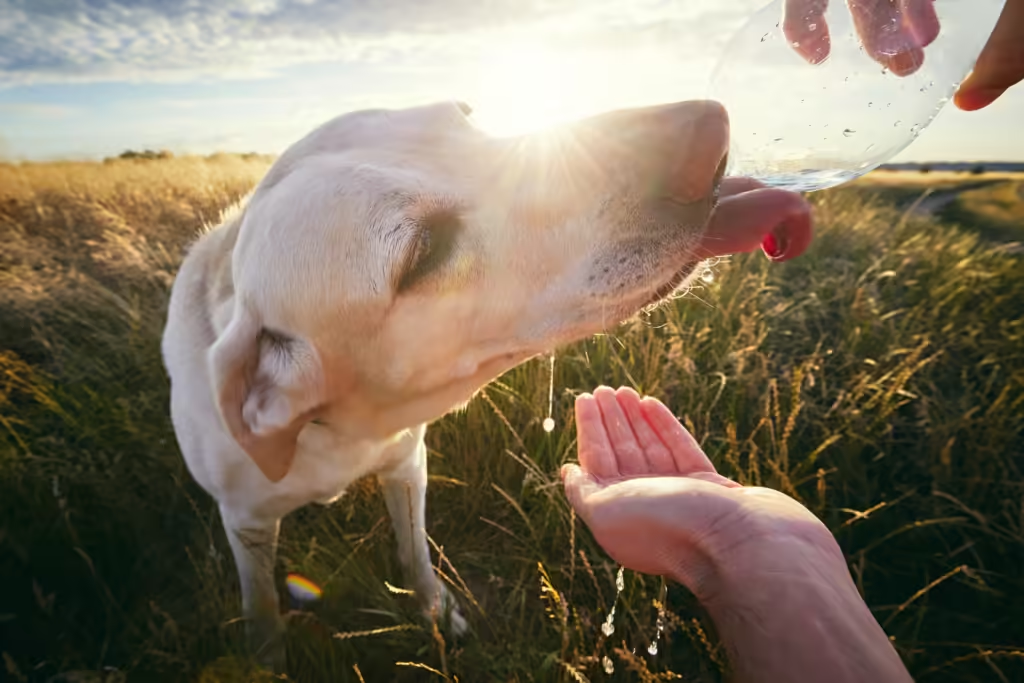
I’ve stumbled on some amazing parks that don’t get much hype but are fantastic for dogs. These hidden gems have fewer crowds and gorgeous scenery, and your pup can tag along on leash for all the fun.
Cuyahoga Valley National Park: Midwest Marvel
Cuyahoga Valley National Park in Ohio is one of my top recommendations for dog owners. It’s tucked between Cleveland and Akron, so you get a peaceful escape without a huge drive.
Your dog can explore over 110 miles of trails. The Towpath Trail runs along the old Ohio & Erie Canal and is flat and easy – perfect for any pup.
Brandywine Falls is a must-see. The 65-foot waterfall is gorgeous, and dogs can join you on the short boardwalk to the viewing platform.
The park also features the Cuyahoga Valley Scenic Railroad. Yes, your dog can ride during certain times of year. It’s a fun way to soak up the scenery without tiring out your dog.
Congaree National Park: Into the Wild Swamp
Congaree National Park in South Carolina is my pick for adventurous dogs who don’t mind a little mud. This wild place is home to one of the largest old-growth bottomland forests in the country.
The 2.4-mile Boardwalk Loop is the highlight. Your leashed dog can walk the elevated boardwalk with you, surrounded by giant cypress trees and Spanish moss. It feels like a different world.
Most trails and river paths are open to leashed dogs, and the park is usually quieter than the big-name spots. Your dog won’t get overwhelmed by crowds.
Bring plenty of bug spray for yourself and maybe paw protection for your dog. The mosquitoes here mean business, especially when it’s warm out.
New River Gorge National Park: Appalachian Tails
New River Gorge National Park in West Virginia became one of America’s newest national parks in 2020. What really gets me excited about this place is that dogs are allowed on all trails.
The dramatic cliffs and wild whitewater rivers set up some truly epic backdrops for hiking with your pup. I always recommend the Endless Wall Trail – it’s about 2.4 miles one way, and the gorge views are unreal.
Your dog will love the variety here. You can pick from easy riverside strolls or go for a tougher mountain climb, depending on what you and your dog are up for.
The New River Gorge Bridge is an absolute icon. There are several viewpoints where you and your leashed pup can just hang out and admire the engineering.
The park mixes natural beauty with Appalachian history, so every walk feels a little different.
White Sands National Park: Gypsum Playground
White Sands National Park in New Mexico looks like another planet. The bright white gypsum dunes go on forever, and the landscape is so surreal – your dog will probably think it’s a giant playground.
But, heads up: the heat here is no joke. The sand bounces sunlight right back at you and gets scorching, so I always go early or late in the day. Dog booties aren’t just cute here – they’re a must.
The park lets leashed dogs roam the dunes and all the trails. My favorite is the Alkali Flat Trail, a tough 5-mile loop right through the heart of the dunes, but you can always stick to shorter walks if that’s more your speed.
Bring way more water than you think you’ll need for both you and your pup. The white sand is gorgeous, but there’s nowhere to hide from the sun. Sunglasses help a ton – the glare is wild. On hot days, my dog loves digging down to the cooler sand underneath.
Other Noteworthy Dog-Friendly Parks

If you want to skip the usual spots, I’ve found some parks that deserve a second look when you’re traveling with your dog. These places have unique landscapes and plenty of space to explore together.
Petrified Forest National Park: Fossils and Furballs
Petrified Forest National Park is a favorite of mine because it’s both easy to get around and packed with natural wonders. Your dog can join you on all the paved trails, so you won’t miss the colorful badlands or the ancient petrified wood.
The Painted Desert is the main draw. Your pup can walk beside you on the paved paths winding through this otherworldly area. The Giant Logs Trail near Rainbow Forest Museum is another paved, dog-friendly spot.
Just keep in mind, Petrified Forest only allows dogs on paved surfaces – unpaved trails and the backcountry are off-limits. I always pack extra water because the Arizona desert gets hot, and shady spots are rare. The short paved trails make this an easy stop if you’re road-tripping the Southwest with your dog.
Yosemite National Park: California’s Classic
Yosemite National Park in California has some dog restrictions, but it’s still worth a visit if you plan ahead. Your dog can check out paved paths in Yosemite Valley, including some spots with killer views of the famous landmarks.
Dogs are allowed on fully paved paths like the Valley Loop Trail and in developed areas. My dog loved hanging out by the Merced River, where we could see El Capitan and Half Dome.
They can’t go on dirt trails, into wilderness areas, or on park shuttles, though. I stick to the valley floor areas where pets are welcome. The meadows and riverfront are perfect for letting your dog stretch out while you enjoy those classic Yosemite scenes.
Zion National Park: Red Rocks, Green Paws
Zion National Park actually surprised me with its dog-friendly options, even though it has a strict reputation. The Pa’rus Trail is the highlight – a nearly two-mile paved, pet-friendly path along the Virgin River.
I love taking my dog for a morning walk here when the canyon walls light up with the sunrise. Dogs are also welcome on other paved paths and in the campgrounds.
The downside? Zion’s famous hikes like Angels Landing and The Narrows are off-limits for pets. If I want to do those, I bring someone to watch my dog or just focus on the scenic drive and Pa’rus Trail. The path is flat and easy, even for dogs who aren’t big hikers.
Indiana Dunes National Park: Lake Michigan Vibes
Indiana Dunes National Park, right along Lake Michigan, is one of my top picks for dog-friendly national parks. Dogs can get onto the beaches and several trails, so you get a lot of variety in one spot.
Your pup can hit the beach at Central Avenue Beach and most of the Lake Michigan shoreline areas in the park. Watching dogs play in the waves here during summer never gets old. The Calumet Dune Trail and Ly-co-ki-we Horse Trail also welcome leashed dogs.
Indiana Dunes is awesome because you get beach time, woodland trails, and dunes all in one visit. My dog gets to swim, dig, and then cool off under the trees. Just a heads-up: some trails near sensitive dune areas are closed to pets to protect the landscape.
Must-Try Dog-Friendly Trails and Campgrounds
Whether you’re after scenic hiking trails or cozy campgrounds for stargazing, picking the right activities can totally change your trip. I’ve found parks where dogs can actually enjoy themselves, not just tag along stuck to a leash on a sidewalk.
Famous Hiking Trails for Pups
I always suggest starting with Acadia National Park’s 158 miles of hiking trails. Dogs can explore the Bar Island Trail at low tide or try the moderate Gorham Mountain Trail for ocean views. The 45 miles of carriage roads are great for easy walks too.
In Great Smoky Mountains National Park, the Gatlinburg Trail and Oconaluftee River Trail are basically the only dog-friendly paths. Both follow rivers and stay pretty flat – perfect for older dogs or hot days.
If you’re up for more adventure, the Endless Wall Trail at New River Gorge has jaw-dropping views over 2.4 miles. At White Sands National Park, dogs can roam almost everywhere, including the tough 5-mile Alkali Flat Trail through the dunes.
Pet-Friendly Camping Spots
Blackwoods and Seawall Campgrounds in Acadia are dog-friendly and book up fast during summer and fall. I always reserve early and bring extra blankets because coastal nights get chilly.
At Grand Canyon National Park, Trailer Village has full RV hookups and lets you camp with pets. Mather Campground is another year-round option for dogs, right near the rim trails.
Pinon Flats Campground at Great Sand Dunes is open April through October, with sites near the dunes. I always bring some portable shade since there’s not much natural cover from the sun.
Congaree National Park’s Longleaf and Bluff Campgrounds are peaceful and shaded by tall pines. But don’t forget bug spray – mosquitoes can get rough in warm months.
Seasonal Tips For Comfortable Adventures
Summer heat means hiking early or late to protect your dog’s paws. Sand at White Sands can reach 150°F, so I always check the ground with my hand first. Dog booties are a lifesaver in desert parks.
Spring can bring flooding to places like Congaree, making trails muddy into early summer. I usually plan trips for late fall or winter when it’s drier and better for hiking.
Winter visits to parks like Hot Springs or Shenandoah mean fewer crowds and cooler weather – perfect for active dogs. I still carry extra water because dry winter air can sneak up on you.
Fall is usually the sweet spot for temps, but I always check for ticks after hiking in forested parks like Cuyahoga Valley or Mammoth Cave.
Best Practices for a Paw-some National Park Adventure

Bringing your dog along takes some planning and the right gear, but it’s so worth it. From packing essentials to keeping wildlife safe, these tips help you and your pup get the most out of your trip.
Packing and Preparation for Dog Travel
I always start with the basics: plenty of water, collapsible bowls, and at least three days’ worth of dog food. Most dog-friendly national parks require leashes no longer than six feet, so I pack a sturdy one and a backup just in case.
Essential Items to Bring:
- Current vaccination records and ID tags
- Pet first aid kit
- Extra waste bags (I always bring more than I think I’ll need)
- Cooling vest or jacket, depending on the weather
- Favorite toys and treats for downtime
I double-check park pet policies before I leave. Some parks only allow dogs on paved roads and in campgrounds, not on trails. National forests usually have looser rules than national parks, so I look at both when planning my route.
A recent vet check gives me peace of mind. I ask about tick prevention and any extra vaccines for the area I’m heading to.
Dog Safety and First Aid
I keep my dog’s safety kit in an easy-to-grab bag with tweezers, gauze, and pet-safe antiseptic. Heat exhaustion is my biggest worry during summer, so I watch for heavy panting or drooling.
My dog gets plenty of breaks in the shade, and I offer water every 20-30 minutes on the trail. I avoid hiking during the hottest parts of the day – it’s just not worth it.
Warning Signs to Watch For:
- Limping or favoring one paw
- Excessive scratching or biting at skin
- Refusing to drink water
- Disorientation or stumbling
I always check my dog’s paws after a hike for cuts, burns, or stuck debris. Wildlife encounters make me nervous, so I keep my dog close and never let them chase animals or sniff scat.
Minimizing Environmental Impact
When it comes to waste bags, I don’t mess around – I always pack out whatever my dog leaves behind. Even if I’m deep in a national park, I’ll carry the bags until I find a real trash bin.
Sticking to marked trails helps protect plants and keeps my dog from messing with wildlife habitats. I never let my pup drink from streams or lakes, since those can have nasty parasites, and honestly, it’s better for wildlife too.
Leave No Trace Principles:
- Keep dogs on marked paths only
- Don’t allow digging or chasing wildlife
- Pack out all waste including biodegradable bags
- Respect quiet hours at campgrounds
People seem to appreciate it when I keep my dog from running up to them. Not everyone’s a dog person – some folks (and their pets) get nervous around unfamiliar pups.
Regional Roundup: Where to Find Dog-Friendly Parks by Geography

You can find dog-friendly national parks all over the country. From the coastal trails up in the northeast to the wild deserts out west, there’s something for every kind of adventure.
Each region feels different with your pup. Some days, I’m wandering the Appalachians; other times, I’m tackling the Rockies’ rugged paths.
Northeast & Midwest Gems
The northeast and midwest don’t have as many national parks as other places, but the ones they do have really welcome dogs. I’m a big fan of Acadia National Park in Maine – over 100 miles of hiking trails, and the carriage roads are all open to leashed pups.
Heading inland, Cuyahoga Valley National Park in Ohio stands out as one of the most accessible dog-friendly parks in the midwest. The Towpath Trail is perfect for a chill walk with your dog.
Indiana Dunes National Park by Lake Michigan lets your pup hit the beach. There’s just something about dogs and sand, right?
I find these parks less crowded than the big western ones, which means quieter hikes. The weather’s unpredictable, so I always pack extra gear for both of us – just in case.
Southern and Appalachian Escapes
The South has some hidden gems for dog lovers. Hot Springs National Park in Arkansas is cool because dogs can walk right through the historic bathhouse district on leash. That’s a rare combo of culture and canine time.
Congaree National Park in South Carolina and the Great Smoky Mountains area offer lush forests. While most trails in the Great Smoky Mountains are off-limits, nearby spots in Tennessee and North Carolina have options. I always double-check the rules before heading out.
Big Bend National Park in Texas allows dogs on paved roads and around the Chisos Basin Campground. The Rio Grande Village nature trail is another favorite for us.
Down in Florida, Biscayne National Park lets dogs explore Elliott Key – though you’ll need a boat to get there. Mammoth Cave National Park in Kentucky allows dogs on surface trails. Alabama doesn’t have national parks, but Arkansas’s Buffalo National River area is close by for adventures.
Western Wonders
The West is packed with truly dog-friendly national parks if you’re into hiking. Grand Canyon National Park is a classic – dogs can join you on the South Rim Trail and in developed areas for those epic views.
Petrified Forest National Park in Arizona lets dogs on all trails. White Sands National Park in New Mexico is a personal favorite – the dunes are leash-friendly, and the sand stays cool.
Further north, Shenandoah National Park lets dogs on most trails. Utah’s got a bunch of choices: Bryce Canyon, Capitol Reef, and Canyonlands all have dog-friendly areas. I’m especially into Bryce Canyon’s Rim Trail for those wild red rock views.
Rocky Mountain National Park in Colorado is more restrictive, but Oregon’s Crater Lake lets dogs around Rim Drive. Montana’s Glacier National Park allows pets on paved trails. In Washington, both Olympic and North Cascades have some dog-friendly trails – just check before you go.
Theodore Roosevelt National Park in North Dakota and Wind Cave in South Dakota are solid options too. And if you’re in South Dakota, definitely check out Badlands National Park – dogs can hit most trails, and those strange rock formations are worth a look.
Frequently Asked Questions

Lots of pet parents wonder about bringing their dogs to national parks. Rules change depending on the park, and some states make it way easier than others to explore with your dog.
Where can I find a map of dog-friendly national parks to plan our next great adventure?
I usually start with the National Park Service site – it’s got pet policies for each park and shows exactly where pets are allowed in developed areas and on certain trails.
There are also a few websites with interactive maps and guides. I like using planning resources to spot the most dog-friendly parks before I hit the road.
Most park websites have downloadable maps that mark which trails and spots are dog-friendly. I always grab one before my trip so I know where we can actually go.
What are some national parks that welcome dogs with open paws?
Acadia National Park in Maine is high on my list – dogs can use most of the carriage roads and a ton of trails. It’s one of the friendliest parks for pups.
Shenandoah National Park in Virginia lets dogs on almost every trail, which is pretty rare. Those mountain views just hit different when your dog’s with you.
Congaree National Park in South Carolina is great too – dogs can explore the boardwalk and most trails. The shade is a lifesaver during the summer.
Feeling Californian vibes – which national parks in California love having dogs around?
Redwood National Park allows dogs on some trails and beaches, but the old-growth areas are stricter. I still love the coastal sections with my pup.
Joshua Tree National Park is super dog-friendly – dogs are allowed on all trails, roads, and campgrounds. The desert views make for some wild photos together.
Death Valley National Park surprised me by being so open to dogs. Most roads and developed spots are fair game – just stay mindful of the heat, because those paws can burn fast.
Planning a trip to Colorado, and my pup is giving me the guilt eyes – any dog-friendly national parks there?
Great Sand Dunes National Park is a blast for dogs – they can run all over the dunes. My pup always goes nuts in the sand.
Black Canyon of the Gunnison National Park allows dogs on rim trails and at overlooks. The views are unreal, and I love sharing them with my dog.
Rocky Mountain National Park is a bit more limited, but you’ll find a few trails near campgrounds and along roads where dogs are welcome. We stick to those and still have a good time.
Utah rocks – literally! Know any national parks here where I can hike with my furry sidekick?
Bryce Canyon National Park lets dogs on the rim trail and in campgrounds. You can’t go below the rim, but the top views are still awesome.
Canyonlands National Park allows dogs on roads and in campgrounds, though not on most hiking trails. I enjoy the scenic drives with my dog riding shotgun.
Capitol Reef National Park is dog-friendly along the scenic drive and in campgrounds. The orchards are beautiful, especially in the fall when we visit.
Hey, doesn’t Texas do everything bigger? How about their national parks for dog lovers?
Big Bend National Park lets dogs hang out on paved roads, in campgrounds, and over at the Rio Grande Village. That river spot? It’s perfect when my dog needs to cool off after a long drive.
Guadalupe Mountains National Park also welcomes dogs in campgrounds and along the roads. Sure, the trails are off-limits, but honestly, just camping together is pretty great.
Texas has a bunch of national historical sites and recreation areas, too. These smaller spots usually have looser pet rules, so I like stopping at them on our road trips across the state..