
Campfire Corn On The Cob: My Favorite Simple Trick for Sweet, Smoky Perfection
There’s something about sitting around a fire and biting into sweet, smoky corn on the cob. Campfire corn on the cob is an easy, crowd-pleasing summer treat that’s packed with flavor and so much fun to make together.
We get to roll up our sleeves, pick our favorite toppings, and soak in the simple joys of outdoor cooking.
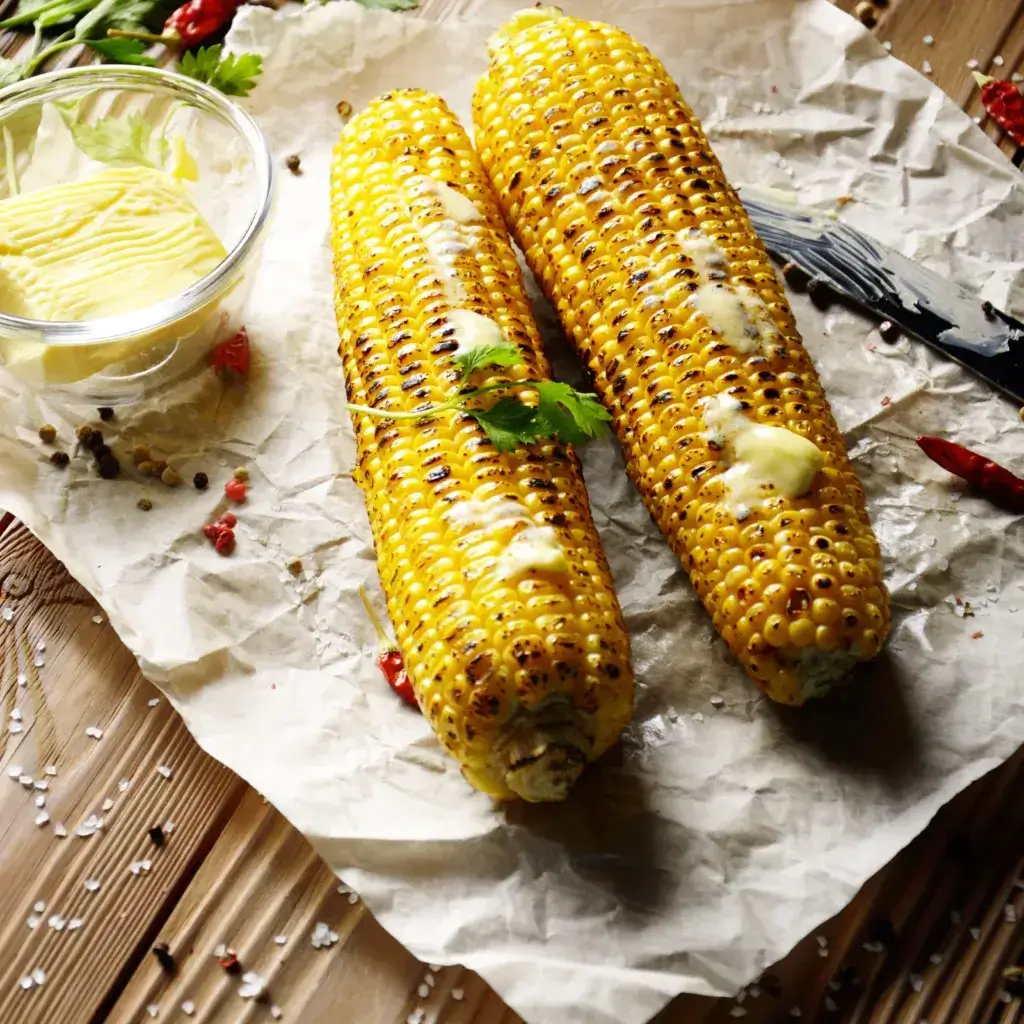
We all love those summer nights where good food and laughter blend together. Nothing says “summer” quite like the smell of corn roasting over crackling coals.
With just fresh ears of corn and a campfire, we can whip up a delicious side that brings everyone to the table—no fancy equipment needed. And with a few add-ons like garlic butter or fresh herbs, we can take our campfire corn from classic to unforgettable.
Key Takeaways
- Campfire corn on the cob is a fun, must-try summer classic.
- Picking fresh corn and simple gear makes the process easy and tasty.
- Seasonings and creative pairings bring extra flavor to campfire meals.
Why Campfire Corn On The Cob Is A Summer Essential
Campfire corn on the cob brings us together while we enjoy the outdoors. It’s more than just a side dish, it’s about those little moments that make summer feel special, the flavors that take us back, and eating in a way that feels good.
Creating Memories Around The Fire
When we gather around the campfire, something shifts. Shared stories and laughter seem to come easier, especially when we’re all waiting for that first juicy bite of corn on the cob.
Passing around the corn, brushing on butter, and watching the kernels roast over the flames connects us in a way that only food cooked outside can. There’s a natural rhythm to the process. Someone shucks the corn, another wraps each ear in foil, or leaves it in the husk.
Someone else checks if it’s done by poking it with a fork. Those little tasks get everyone involved.
It’s teamwork, but it doesn’t feel like work. Whether we’re camping, hanging out at a park, or just making a fire in the backyard, the smell of roasting corn fills the air and sets the mood.
It’s simple, but these are the kinds of moments we talk about long after summer ends. For easy steps and fun twists on making corn during your next trip, check out this garlic butter campfire corn recipe.
The Nostalgia Of Simple Flavors
Corn on the cob over a campfire tastes like summer itself. We remember the butter dripping down our fingers and that mix of sweet kernels and smoky char.
Each bite feels like a flashback to childhood or family cookouts. The most satisfying part is how the flavor stays true to the vegetable.
When we grill corn in the husk, the moisture and natural sugars are sealed inside, creating a taste that’s both tender and full of character. No fancy sauces needed, just salt, pepper, maybe a squeeze of lime.
Sometimes, less really is more. Want to try cooking the classic way? Here’s how to grill corn in the husk over a campfire.
Healthy Outdoor Eating
Corn on the cob is not only delicious but pretty good for us, too. It’s packed with fiber and gives us energy, which we need after all that hiking and exploring.
Cooking outdoors means we’re in control of what goes on our food, fresh corn, a bit of butter, and maybe some herbs for extra flavor. Eating healthy at camp doesn’t have to be boring or difficult.
Ingredients like fresh corn are naturally low in fat and free from processed junk. We can even skip the butter or use olive oil for a lighter option.
Here’s a rundown of why corn fits right in with healthy outdoor meals:
| Nutrient | What It Does For Us |
|---|---|
| Fiber | Helps with digestion |
| Vitamin C | Supports our immune system |
| Carbohydrates | Gives us quick energy |
We get to enjoy the taste of summer and feel good about what we’re sharing. If you’re looking for more ways to make your outdoor meals healthier, see these simple corn on the cob tips for camping.
Choosing The Best Corn For Your Campfire
Getting great campfire corn on the cob starts with picking the right ears. Deciding if we want husk-on or off, and knowing how to keep the veggies fresh until we’re ready to cook, matters too.
Let’s take a closer look at what matters most, so our campfire feast is as sweet and juicy as possible.
Selecting Fresh, Sweet Corn
We all know that great corn on the cob begins with choosing the best ears. When we’re shopping, we want to look for husks that are bright green and wrapped tightly around the cob.
If the husk is brown, dry, or has dark spots, it’s usually best to skip it. We should check the ends, too.
The silks at the top should be golden and a little sticky instead of dry or black. If we gently squeeze the ear, it should feel firm and plump, not flat or mushy.
It’s a good idea to avoid peeling back the husk in the store, but we can gently feel through it to check for missing kernels. Sweetness fades as corn sits around, so picking up fresh, local corn gives us the best shot at tender, flavorful vegetables.
Early summer is usually the best time, but if we’re shopping off-season, we just need to pay a little extra attention.
Husk Or No Husk: What Works Best
When it comes to cooking corn on a campfire, there’s always the husk debate. Keeping the husk on is kind of like giving our corn its own natural steamer.
Soaking the ears in water for about 30 minutes helps protect the kernels and makes them juicy when we pop them over the fire. Cooking in the husk gives a smoky, earthy flavor and keeps the mess to a minimum.
We just have to turn them every few minutes so they cook evenly. If we prefer charred, browner kernels, we can shuck the corn and wrap it in foil or place it directly over the coals.
Both options are good, but I’ve found that husk-on is great for steaming and keeping things simple. Husk-off is perfect for those of us who love those char marks and caramelized edges.
It really depends if we want a clean, tender bite or a smokier, roasted flavor. For more, check out these tips for campfire corn prep.
How To Store Corn Outdoors
Keeping our corn fresh at the campsite isn’t hard, but we need to plan ahead. The husk is our friend here because it helps protect the kernels from drying out.
If we’re camping for a couple of days, it’s best to leave the husks on until we’re ready to cook. We should store corn in a cool, shady spot out of direct sun and away from heat.
If we have a cooler, that’s even better. Wrapped in a damp towel or sealed in a zip-top bag, corn stays moist and crisp.
We should avoid letting the ears sit in water too long, since that can make them slimy. Bringing corn as close to fresh as possible is key, so grabbing it on the way out of town or right before hitting the campground is always a good move.
Great storage means we get sweet, juicy vegetables when it’s finally campfire time.
Essential Gear For Cooking Corn At The Campfire
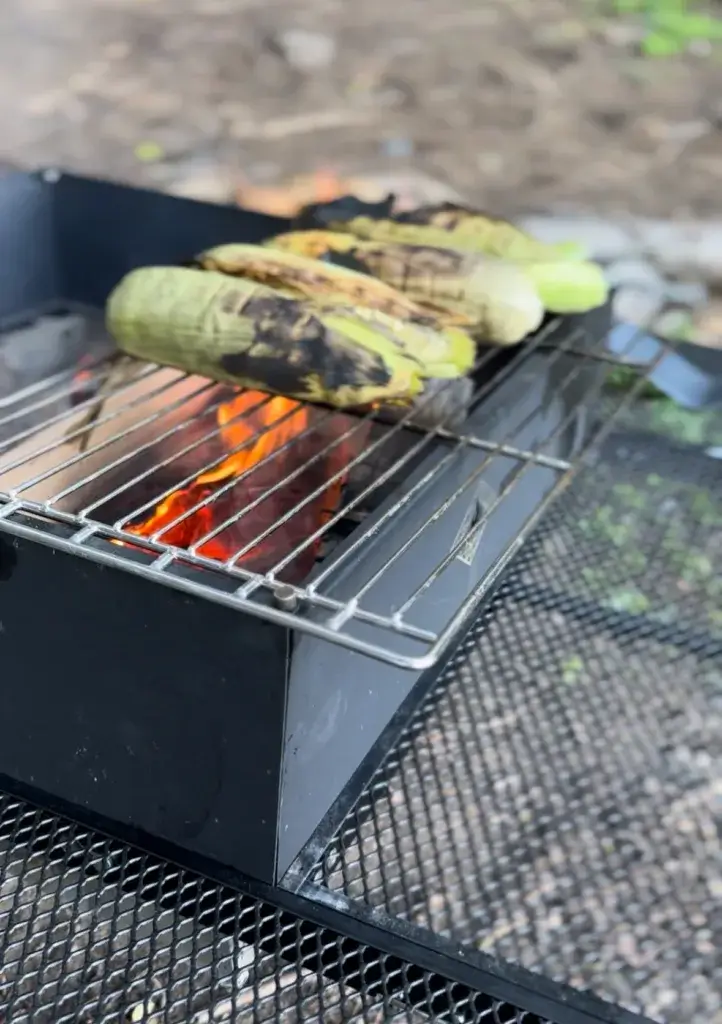
When we’re gearing up for a corn-filled adventure around the fire, a few pieces of gear can make all the difference. Getting set with the right tools helps us cook safely and enjoy our food more.
Savoring every moment at the campsite is easier when we’re prepared.
Campfire Grates And Tools
A sturdy campfire grate is one of our best friends when it comes to cooking corn. It gives us a flat, stable surface to rest our corn—whether we’re grilling in the husk or foil wrapping.
Many grates can sit right over an open fire or even above a charcoal grill, so there’s plenty of flexibility. We should also pack a pair of long-handled tongs.
These make it much easier to flip corn and move it around safely, especially when that fire gets roaring. Add a heat-resistant glove or two for those times when we’re reaching close to the flames.
A simple brush to knock off ash or dirt comes in handy as well. Setting up feels smoother when we’re not scrambling for tools.
Having a checklist is a good habit. Here’s a quick list:
- Campfire grate
- Long-handled tongs
- Heat-resistant gloves
- Fire brush
Using Foil Or Direct Flame
Cooking corn over a campfire can go a couple of ways: foil or directly over the fire. Wrapping corn in foil is a classic move.
The foil keeps kernels tender and locks in flavor, and we can even add a pat of butter or sprinkle of spices before sealing it up. This method is especially useful when we’re using a traditional campfire or a charcoal grill.
Alternatively, we can keep the husks on and set the corn right over the flames. Some folks soak the entire ear in water first, making the husks less likely to burn and giving us more of a steam-cooked taste.
For a slight char, pulling back the husks while keeping them attached, removing the silk, and then re-covering before grilling is a solid trick. For more ideas and tips on different campfire cooking methods, check out this handy campfire corn on the cob guide.
Packing For A BBQ Adventure
Let’s talk about packing up for our next BBQ or camping trip. If we want to enjoy corn at the campfire, it helps to keep things organized and simple.
Bringing pre-cleaned corn is a big time-saver—just husk them at home, or at least remove the silk so we’re not fussing with a mess later. Pre-wrapping the ears in foil with butter, salt, and other favorite seasonings makes things quick at the site.
It’s also smart to pack extra foil and some resealable bags for leftovers or discarded corn cobs. If a charcoal grill is part of our setup, don’t forget charcoal, a lighter, and a chimney starter.
All these tools and prep steps mean we spend less time cooking and more time hanging out with friends and family. For more tips on what to bring and how to grill right at the campsite, see this helpful grilling guide.
Step-By-Step Guide To Perfect Campfire Corn On The Cob
Let’s make corn on the cob over the campfire taste just as sweet and juicy as any summer picnic. We’ll talk about the best ways to get everything prepped, cooked, and timed just right, so our corn comes out perfect every time.
Prepping Corn By The Fire
First, we want to pick fresh, juicy ears of corn. The husks should be bright green and wrapped tightly.
Once we have our corn, we peel back the husks gently—don’t pull them all the way off yet. Next, we strip away the silk threads that always seem to stick everywhere.
Once the corn is clean, we can choose to leave the husks on or remove them completely. If we leave them on, soaking the ears in cold water for at least 30 minutes makes a huge difference.
This prevents burning and gives us steam-cooked kernels. Want extra flavor? We can brush butter, garlic, or our favorite seasonings right on the kernels before wrapping them in husks or foil.
Sometimes, we top the corn with a little salt and pepper, or get creative and try flavored butters.
Mastering Cooking Methods
We have a few choices when it comes to cooking methods. We can roast corn wrapped in its own husk right on the coals, or for less mess, wrap it tightly in aluminum foil.
Some of us even like to grill corn on the cob directly over the fire grate. Each way gives us something a little different.
- Husk-on: Corn steams in its own wrapper, keeping it juicy.
- Foil-wrapped: Great for adding flavored butters and spices—nothing leaks out.
- Direct grill: This gives a smoky taste and char, but needs more attention to keep it from burning.
If we’re looking for step-by-step instructions, wrapping corn in foil and placing it near the coals has proven to work well for many campers.
Timing For Tender, Juicy Corn
Getting the timing right matters. Too short, and the corn’s tough; too long, and it dries out.
When we lay ears over medium heat on a grill or fire grate, about 15 to 20 minutes usually does the trick. Husk-on ears cooked 4-6 inches from coals may need closer to 20-30 minutes.
We like to rotate the ears every 5 minutes. This way, they cook evenly and soak up that great, smoky flavor.
When the kernels press easily with a fork and smell sweet, they’re ready. Cooking times can vary with fire temperature, so we check the corn often.
If we’re using foil, nothing beats a quick peek to see how the kernels look. If our fires are blazing hot, they’ll cook faster, as grilled corn in the husk can be ready in about 20 minutes.
Flavor Boosters: Seasonings And Spreads
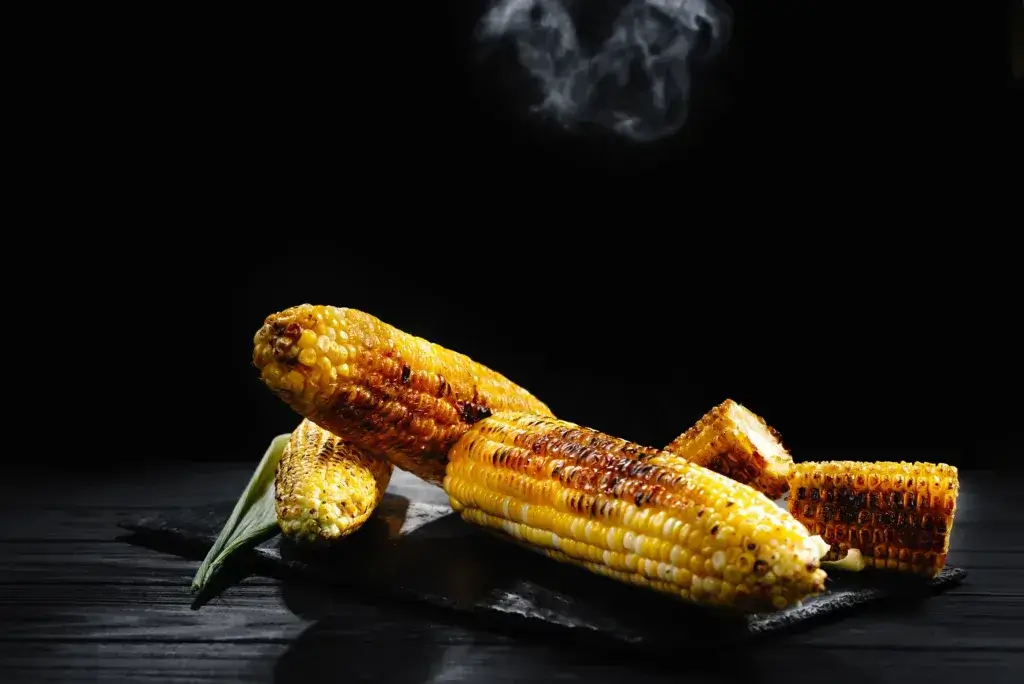
Every bite of campfire corn can taste different depending on what we add. From rich butter to bold spices, a few simple choices make our corn special, whether we keep things basic or want to try new flavors.
Classic Butter And Pepper
We can’t talk about campfire corn without starting with butter and black pepper. Spreading soft, salted butter over hot corn lets it melt into every kernel, so simple, but always satisfying.
The butter brings out the natural sweetness of the corn while keeping each bite juicy. Adding black pepper is a fast way to give our corn a gentle kick.
Sometimes, we sprinkle on a pinch of sea salt, too, for extra flavor. There’s something classic about this combo. It works for everyone, so it’s the easiest way to please a crowd.
If we want to get a little fancy, we can make a herbed butter with chives or parsley. Mixing herbs into the butter and then slathering it on the corn gives a fragrant touch that’s still in the “classic” family.
For more on this approach, check out this garlic chive butter corn.
Elevate With Spices And Olive Oil
Sometimes, we want more than just the basics. Spices and good olive oil can take our campfire corn to the next level.
Drizzling the corn with extra-virgin olive oil instead of butter gives a nutty richness and keeps things dairy-free for anyone who needs it. We love dusting our corn with chili powder, smoked paprika, or a shake of curry powder.
If we’re feeling adventurous, a squeeze of lime and a bit of taco seasoning add a fun twist. These bold flavors give the corn a new personality.
To keep things easy for everyone, we can set up a “seasoning bar” at the campsite. Each person can sprinkle on their favorite spices, cumin, cayenne, or garlic salt make great options.
Those who crave something tangy might enjoy a sprinkle of chile lime seasoning for a bright, zesty kick.
Creative Toppings To Try
Why stop at seasonings? We love trying out creative toppings that make our campfire corn feel like a whole new meal.
Crumbled feta, cotija cheese, or grated parmesan brings a salty, creamy layer that blends beautifully with the corn’s sweetness. Fresh chopped herbs, like basil, cilantro, and green onions, add bright color and garden flavor.
For something a little different, try a drizzle of sriracha or a few drops of hot sauce to wake up our taste buds. If we want a big burst of flavor, pesto or seasoned mayo are delicious spread directly onto the corn.
Sprinkling toasted nuts or seeds, like sunflower or pepitas, gives a tasty crunch on top. We don’t have to limit ourselves, campfire cooking is all about making it our own.
Here’s a handy list of suggestions:
- Crumbled bacon for smoky flavor
- Chopped fresh parsley or chives
- Sweet paprika or curry powder
- Lime juice or lemon zest
- Chopped red bell peppers for crunch and sweetness
Let’s experiment and find our favorite combo. Corn on the cob is the perfect blank canvas!
Campfire Corn Pairings And Serving Ideas
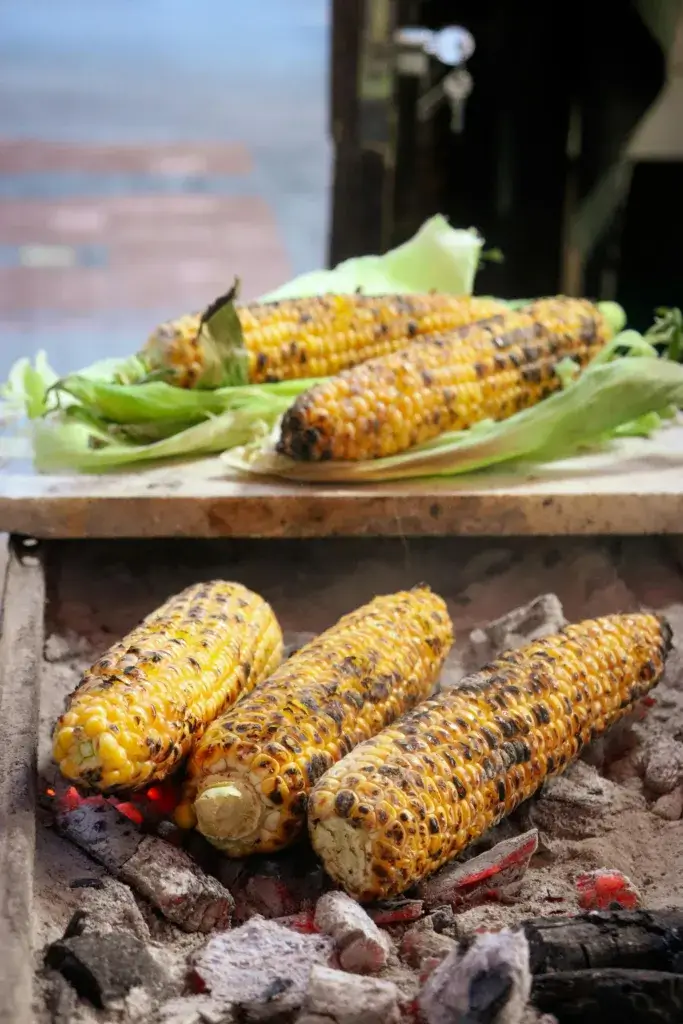
Campfire corn on the cob brings a sweet, smoky flavor that begs for tasty sides. The right pairings add color and freshness, making our outdoor meal feel like something special.
Summer Salads And Fresh Vegetables
Nothing says summer like corn paired with cool, crisp salads. We love tossing together a simple cucumber and tomato salad, dressed in a bit of olive oil and lemon juice.
The crunchy vegetables balance the corn’s sweetness and make meals feel lighter. A classic coleslaw is another favorite.
It brings a tangy crunch that cuts through the buttery corn. If we’re looking to get even greener, a leafy salad with arugula, spinach, or mixed greens always fits right in.
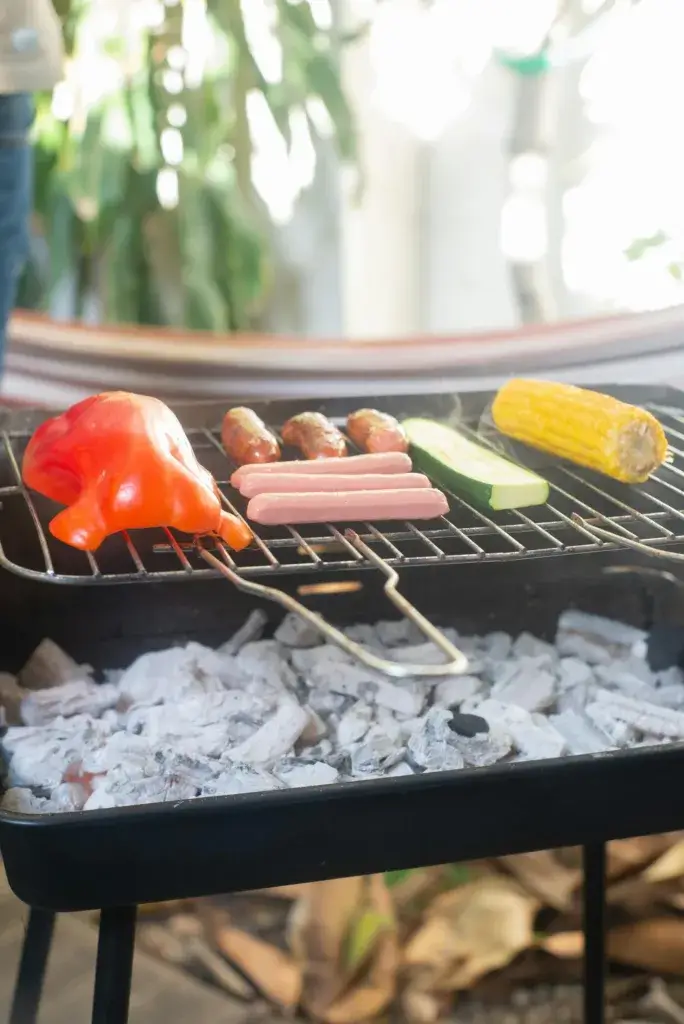
Don’t forget about grilled veggies. Zucchini, bell peppers, and mushrooms are easy to throw on the fire alongside our corn.
The mix of charred flavors keeps everyone happy, plus it’s simple to prepare when we’re camping or grilling outside. Here’s a quick list of sides that work well:
- Cucumber and tomato salad
- Creamy or vinegar-based coleslaw
- Grilled zucchini, peppers, or onions
- Spinach or arugula green salads
Corn With Tomatoes On The Side
Tomatoes and corn go hand in hand. We often slice fresh tomatoes, sprinkle them with a pinch of salt, and lay them next to our corn on the plate.
The juiciness of the tomatoes tastes even better after a sunny afternoon. For something heartier, we like making a tomato and corn salsa.
Dice some tomatoes, toss in corn cut from the cob, add a handful of chopped cilantro, squeeze in some lime, and finish with salt and pepper. Served with tortilla chips, it’s a snack and side in one.
Another idea is to grill halved Roma tomatoes until they char slightly, then pile them with basil and a drizzle of olive oil. It’s simple, quick, and complements the corn’s flavor beautifully, especially at a campfire cookout.
Building The Ultimate Outdoor BBQ
When we’re planning a BBQ around campfire corn, we like to go all out. Think smoky grilled meats, tangy sauces, and a line-up of fresh sides.
Corn on the cob fits right in, acting as something both kids and adults rush for. Pair it with burgers or hot dogs fresh from the grill.
Add pickles, baked beans, and a big tray of watermelon slices. Set up a topping station for the corn: butter, sea salt, cheese, chili powder, lime wedges, and maybe a dash of mayo if we’re feeling inspired by Mexican street corn.
This way, everyone can customize their cob just how they like it, turning a simple meal into a true summer feast. For feeding a crowd, we serve our corn alongside grilled chicken, steak, and an assortment of salads.
That mix keeps the flavors bright and the plates full, ensuring that everyone at our picnic or campsite eats well.
Cleanup And Campfire Safety Tips
When you’re out camping, a little care really does go a long way. Cleaning up and following fire safety rules protects nature and keeps food safe for next time.
Leave No Trace
The best campsites look untouched, like nobody was ever there. That means picking up every bit of corn husk, foil, and leftover cob, no exceptions.
It’s easy to miss little things like corn silk or pieces of wrapper. Take a slow walk around the fire ring, check under picnic tables, and look through the grass nearby.
Wait for campfire ash to cool completely before handling it. If you cooked with foil, fold it up and take it home or stash it in a trash bag.
Leaving foil behind isn’t just messy; wildlife might grab it and get hurt. Douse the fire with water, stir the ashes, and make sure everything’s cold.
It’s worth double-checking, since even one ember can cause trouble later. If you’re unsure about any of this, the National Park Service has handy tips on campfire cleanup and corn cooking.
Storing Leftovers
It’s tempting to leave extra corn out for later, but that’s a bad idea in the wild. Animals can smell food from far away, even a single cob could bring raccoons or bigger critters.
We stash leftovers in sealed containers or zip-top bags, then put them in a cooler or the car if that’s allowed. If it’s hot and you can’t keep the corn cold, it’s safer to toss it, nobody wants to risk spoiled food.
Don’t dump leftovers in the fire or bushes. Wait until you can pack it out or use a campsite trash bin.
If you want more ways to prep and handle campfire corn safely, check out this corn on the cob guide.
Frequently Asked Questions
We all want corn that’s sweet, juicy, and just right. The little tricks, like how to wrap it, how long to cook, or whether to soak it, can make all the difference.
What’s the best way to cook corn on the cob over a campfire?
Leaving the husks on gives a lovely smoky taste and keeps the corn from burning. Just pull off loose outer husks, trim the silk, and toss the ears on the grill or hot coals.
If you want extra flavor, add butter and spices under the husk. That’s a fun little twist.
Can you share your secret to perfect campfire corn on the cob in foil?
We like to slather each ear with softened butter and a sprinkle of salt. Wrap them tight in foil, no holes allowed.
Put them near the hot coals, not right in the flames, for 15-20 minutes. Turn them a few times so they cook evenly. The foil keeps things moist and really locks in flavor.
How do you know when corn on the cob is done on a campfire?
We usually check one ear early by peeling back the foil or husk, carefully, it’s hot! The kernels should look bright and tender.
If a fork or skewer slides in easily, it’s ready. If the kernels seem dry or tough, give them a few more minutes. Here’s a guide on how to know when your corn is done.
Any tips for keeping corn on the cob moist while cooking it in a fire pit?
We’ve had the best luck soaking unshucked corn in water for 15-30 minutes before cooking. This helps keep it juicy and gives you a little more wiggle room before it dries out.
If you’re using foil, a splash of water or extra butter inside the wrap helps hold in moisture.
Is it necessary to soak corn on the cob before roasting it over a campfire?
It’s not strictly required, but we really recommend soaking if you’re cooking in the husk. Soaking keeps the husks from burning and helps steam the corn, making it more tender.
For foil-wrapped corn, it’s less important, but it doesn’t hurt if you want extra moisture. The National Park Service explains more about soaking corn before roasting.
What’s the ideal time for cooking sweet corn over an open fire?
Honestly, it really depends on the heat and how close you’ve got the corn to the coals. We usually go for about 15-20 minutes if it’s wrapped in foil or the husks have been soaked first.
If your fire’s blazing or you’ve got smaller ears, it could finish up faster. Some folks even let it soak for close to an hour. Here’s a campfire cooking discussion where people chat about their own methods.
I just keep an eye on it and poke a kernel now and then. You’ll know when it’s ready—trust your instincts!